
Hear from Our Customers
You stop worrying every time a storm rolls through. No more wondering if water’s getting behind your walls or if that next wind gust is going to peel something loose.
Your energy bills drop because your home isn’t bleeding heat in January or working overtime to stay cool in July. Insulated siding can cut your HVAC costs by 20% to 40% depending on your setup, and that adds up fast on Long Island where we’re running heat or AC most of the year.
And honestly? Your home looks better. The kind of better that makes you feel good pulling into the driveway. Whether you’re staying put or thinking about selling down the road, new siding typically returns 74% to 88% of what you put in, with many North Patchogue homes seeing $15,000 to $30,000 in added value.
We’ve been working on Suffolk County homes for over 35 years. We’ve seen what nor’easters do to siding that wasn’t installed right. We’ve replaced panels that failed after one bad winter because someone cut corners.
We’re a family operation, and we still treat it that way. You’re not getting a random subcontractor crew—you’re getting our licensed team, and someone from our family is checking on your project personally.
We’ve worked on more than 2,000 homes across the area, from classic colonials to split-levels in North Patchogue. We know what holds up here and what doesn’t, because we’ve been dealing with this climate long enough to have the receipts.
First, we come out and look at what you’re dealing with. We check for moisture damage, soft spots around windows, and any structural issues that need addressing before new siding goes up. If there’s a problem, we tell you straight—no surprises halfway through the job.
Once we’re clear on scope, we walk you through material options. Vinyl’s the most common for good reason—it handles our humidity, doesn’t rot, and comes in colors that actually stay put. If you want something different, we’ll talk through fiber cement or other options that make sense for your budget and your home’s style.
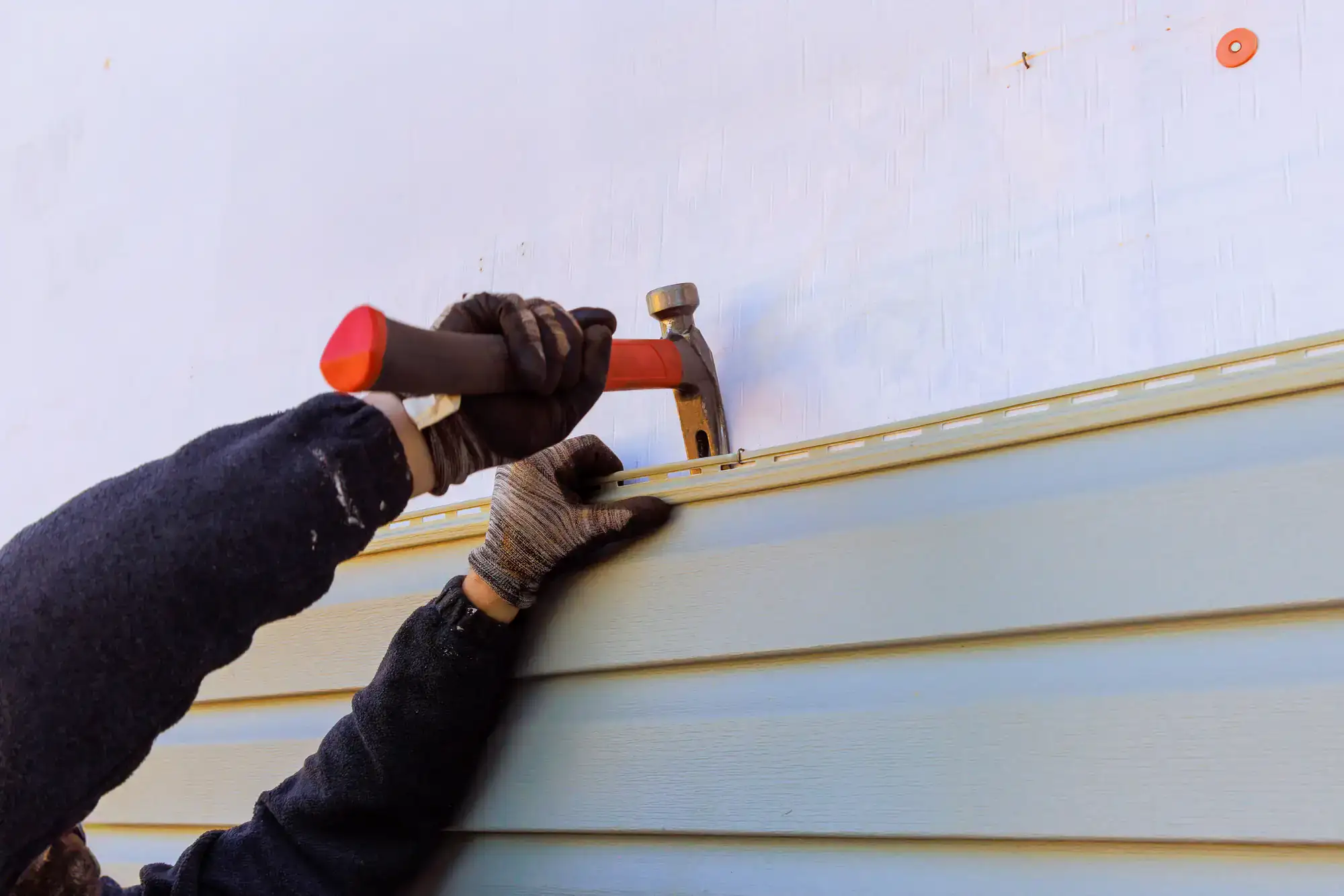
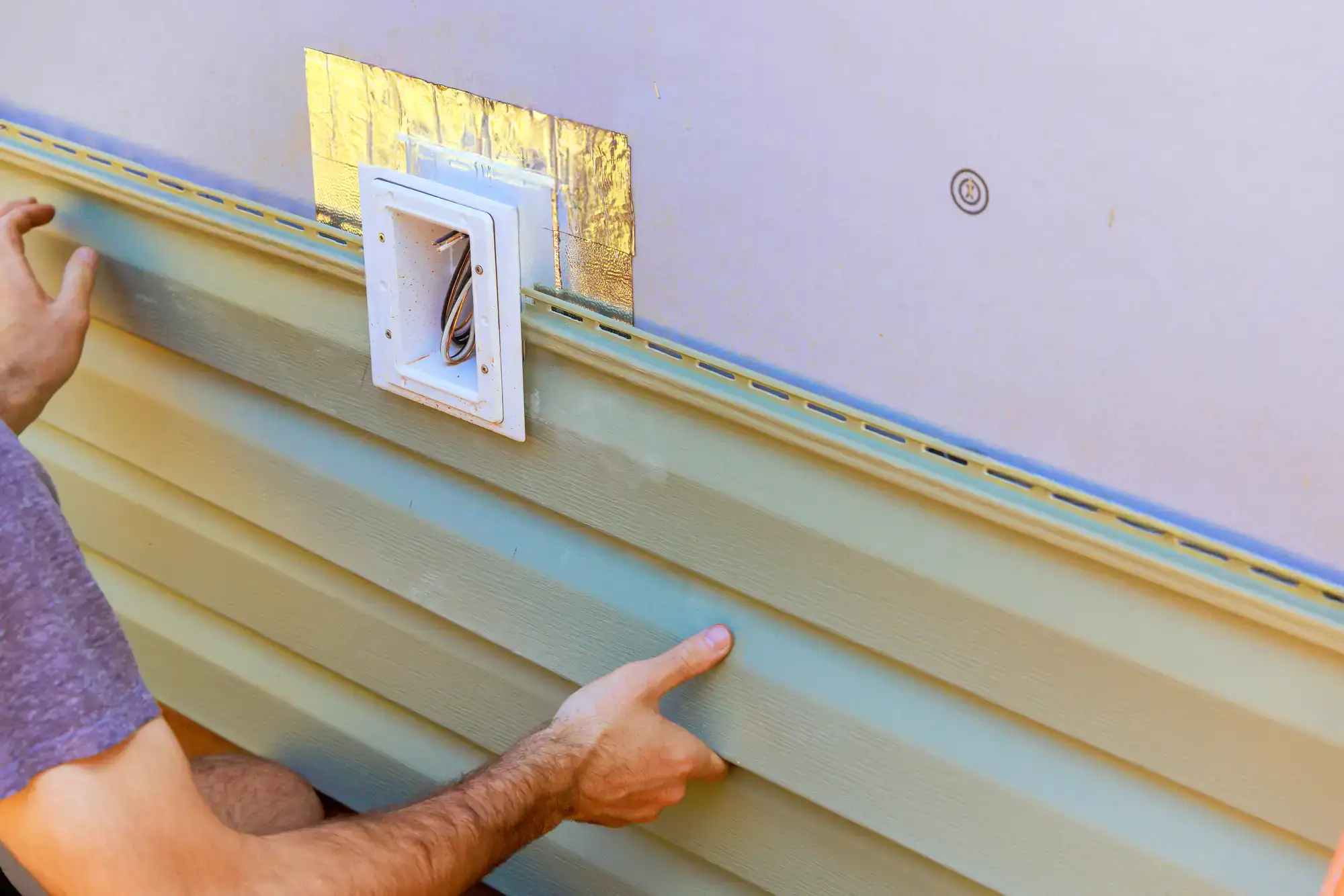
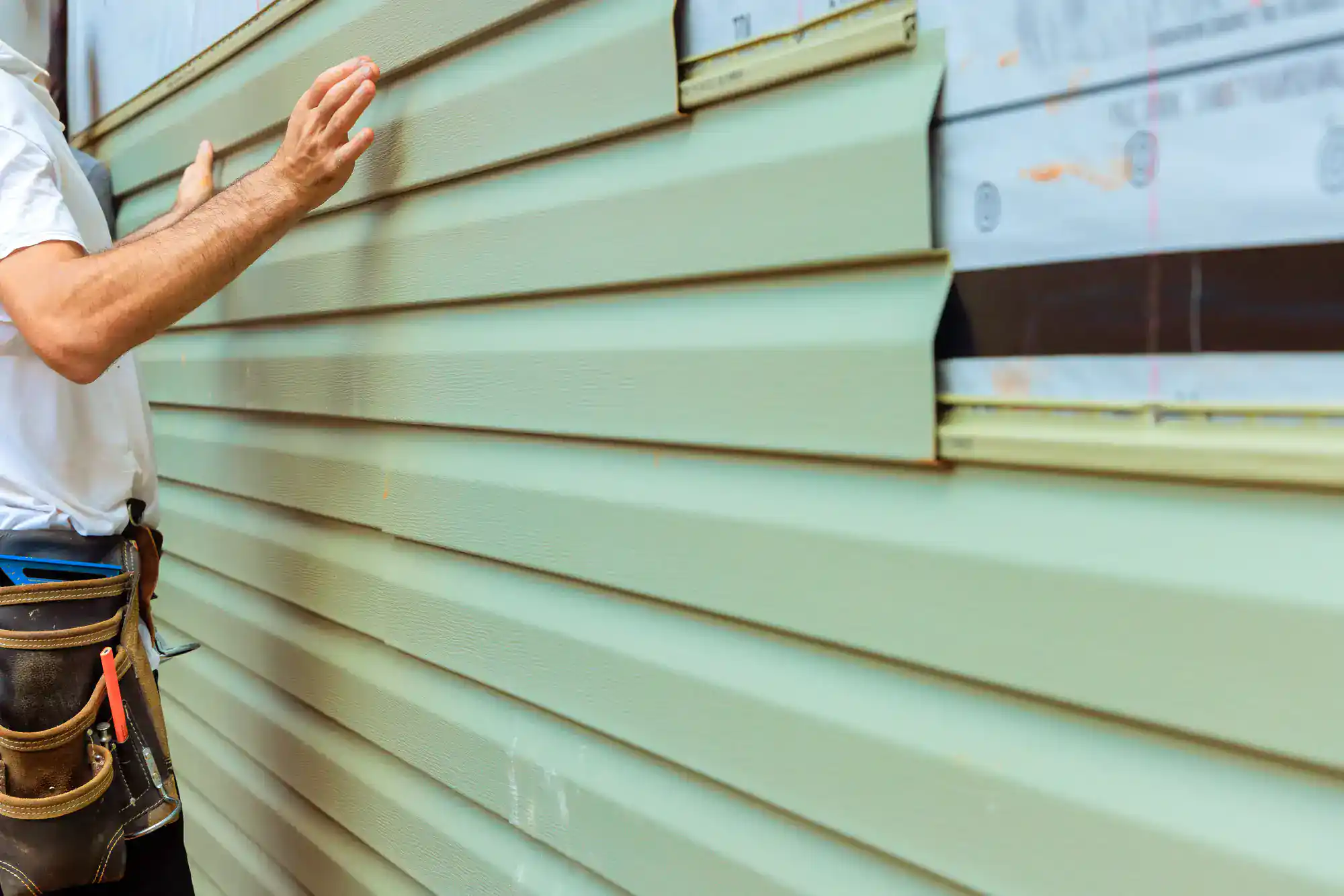
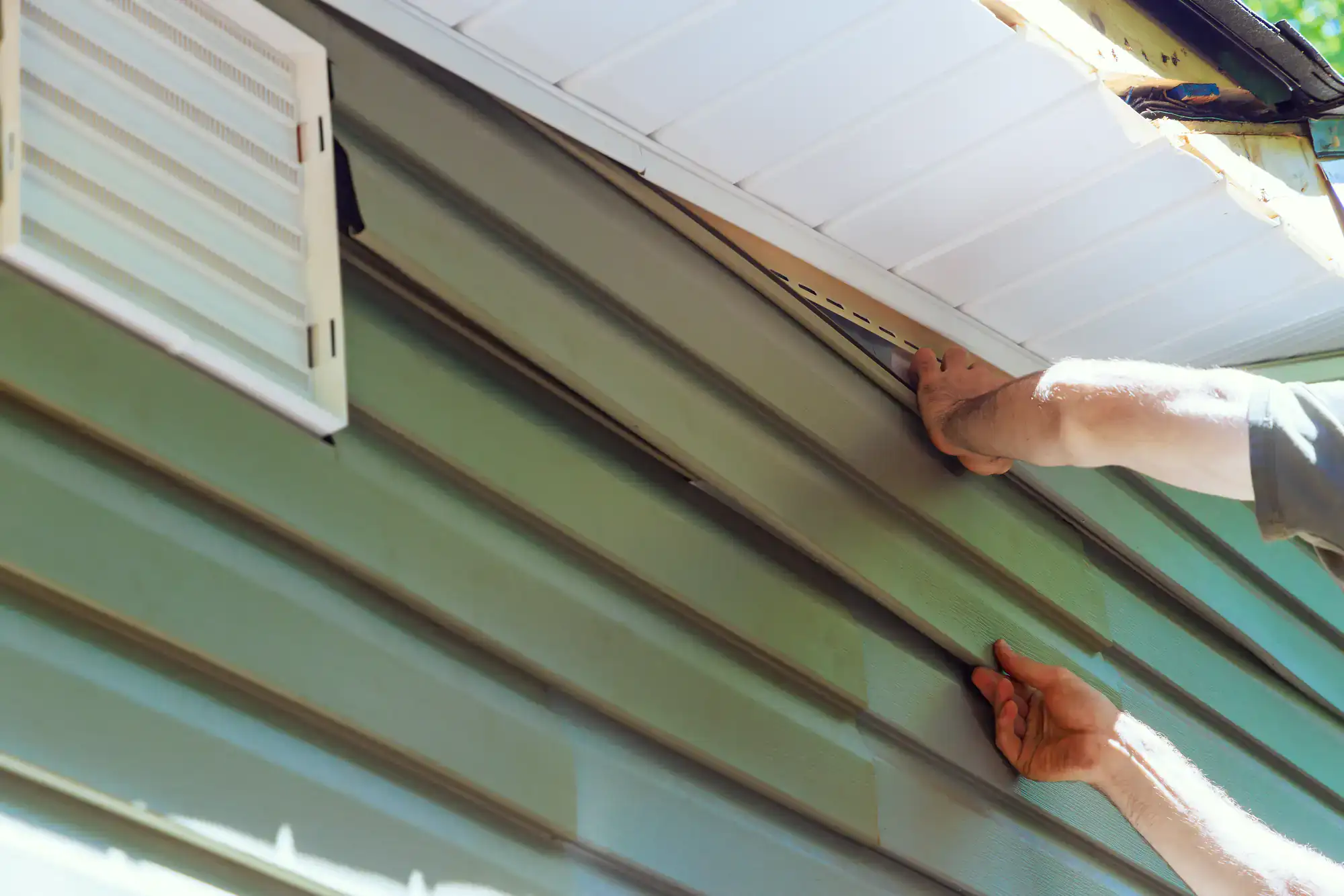
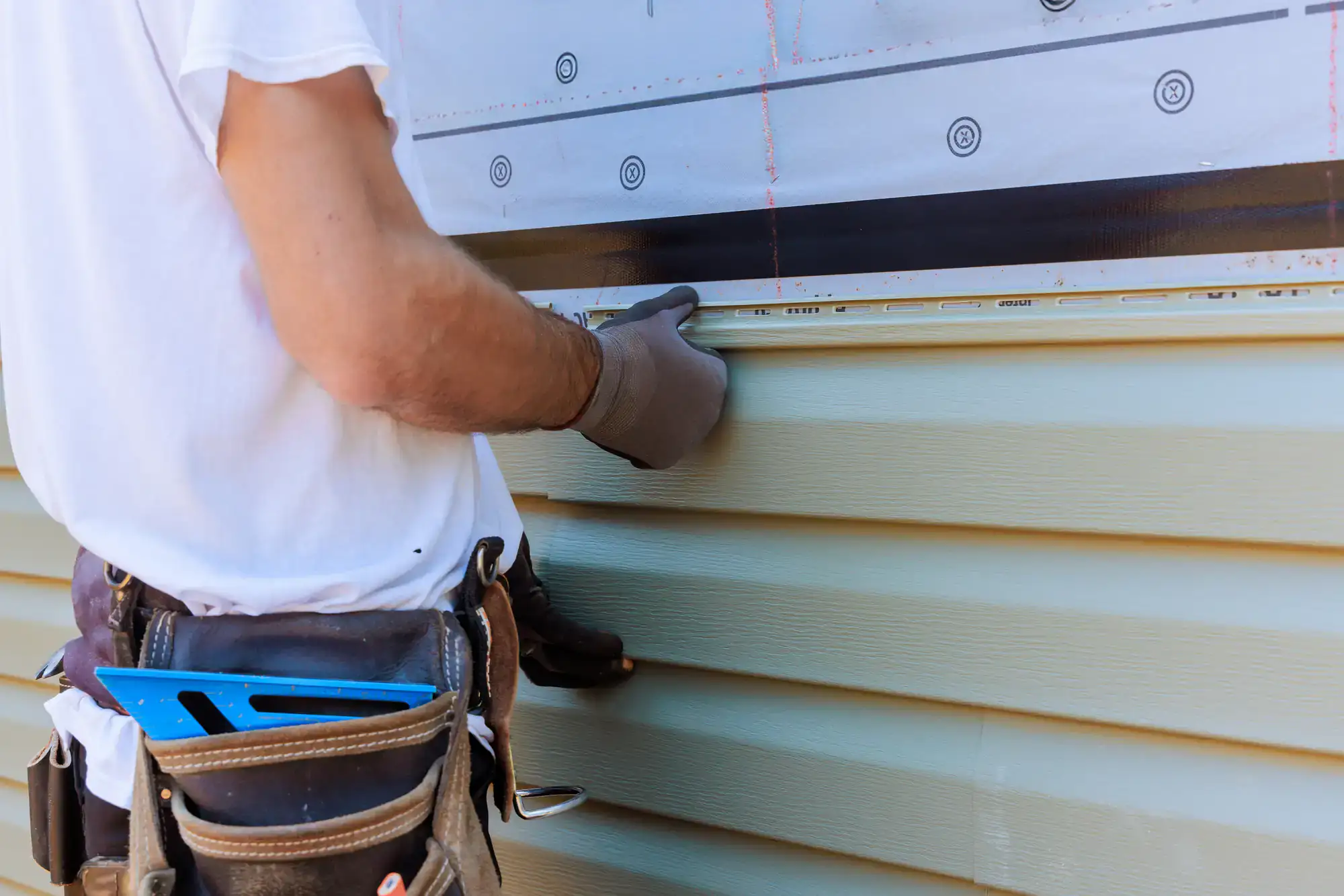
Installation usually takes one to two days depending on the size of your house. We pull off the old siding, inspect and repair the substrate if needed, install proper moisture barriers (critical in our humid summers), then put up your new panels with techniques that account for expansion, contraction, and wind load. Most projects in North Patchogue wrap up faster than you’d think, and we clean up like we were never there.
Ready to get started?
You’re getting materials that are spec’d for coastal weather. That means siding that won’t buckle when we hit 80% humidity in August or crack when it’s 26°F in January. We use wind-resistant options because we’ve all seen what a nor’easter with near-hurricane force winds can do.
You’re also getting proper installation of moisture barriers and insulation. A lot of older homes in North Patchogue don’t have adequate protection against water intrusion, and that’s where the real damage happens—behind the siding where you can’t see it. We make sure water stays outside where it belongs.
Color-wise, you’ve got options. The trend right now is toward bold, darker tones—slate gray, deep navy, rich earth tones—but we’re not going to push you toward something just because it’s trendy. We’ll show you what’s available, what holds up best, and what makes sense for your home’s architecture. And everything we install comes with warranty coverage on both materials and our work, because we’re not going anywhere.
Most full siding replacements in North Patchogue run between $12,000 and $22,000 depending on your home’s size, the material you choose, and how much prep work is needed. Long Island costs tend to run higher than other parts of the country because of local labor rates and code requirements, but that’s just the reality of where we live.
Vinyl is usually the most cost-effective option and it performs well in our climate. Fiber cement costs more upfront but some homeowners prefer the look and durability. If we find structural issues when we pull off your old siding—rotted sheathing, water damage around windows—that’ll add to the scope, but we flag that stuff during the estimate so you’re not caught off guard.
The ROI is solid. You’re typically looking at 74% to 88% return on investment, and many homes in the area see $15,000 to $30,000 in added resale value. Even if you’re not selling anytime soon, the energy savings and peace of mind during storm season make it worth it.
Quality vinyl siding should give you 20 to 30 years, sometimes longer if it’s installed correctly and you’re not getting pounded by storms every season. Fiber cement can push 50 years. But here’s the thing—longevity depends heavily on installation quality, not just the product itself.
We’ve seen expensive siding fail in under 10 years because it wasn’t installed with proper expansion gaps, moisture barriers were skipped, or fasteners were overdriven. In Suffolk County’s climate—with our humidity, salt air, temperature swings, and coastal storms—you can’t cut corners. The material needs room to expand and contract, and water needs a clear path to drain out, not get trapped behind your walls.
If your siding is fading heavily, developing cracks, or you’re seeing moisture issues inside your home, it’s probably time. Same if you’re dealing with recurring mold or your energy bills have crept up even though your usage hasn’t changed. Those are signs the siding isn’t doing its job anymore.
Vinyl handles our climate really well, which is why it’s the most common choice in Suffolk County. It doesn’t rot when we get 48 inches of rain a year, it holds color better than it used to, and it stands up to the temperature swings between our 26°F winters and 81°F summers. Modern vinyl also resists impact better than older versions, which matters when you’re dealing with wind-blown debris during storms.
Fiber cement is another solid option if you want something more substantial. It’s heavier, more impact-resistant, and gives you a different aesthetic—some people just prefer the look. It costs more and requires occasional maintenance, but it’s tough as hell and handles moisture well if it’s installed and painted correctly.
What doesn’t work great here: wood siding without serious upkeep, because our humidity and salt air will eat it alive. Cheap vinyl that’s too thin, because it’ll warp and crack. We recommend materials based on what we’ve seen actually hold up over decades in this specific area, not what’s cheapest or what’s being pushed by manufacturers this year.
If your current siding is old, uninsulated, or compromised, then yes—you’ll see a difference. Insulated siding can improve your home’s temperature control by up to 20%, and when you combine quality siding with other efficiency upgrades like windows, you can cut HVAC costs by as much as 40% annually.
The way it works: proper siding with insulation creates a better thermal barrier. Your furnace isn’t working as hard in winter, your AC isn’t running constantly in summer. On Long Island where we’re heating or cooling most of the year, that adds up. You’ll notice it most in the rooms that used to feel drafty or that always seemed too hot or too cold no matter what you did with the thermostat.
That said, siding alone won’t fix everything if you’ve got major air leaks elsewhere, terrible insulation in your attic, or windows from 1975. But it’s usually one of the bigger contributors to energy loss, especially if your current siding has gaps, cracks, or was never insulated to begin with. We can tell you during the estimate how much improvement you’re likely to see based on what you’ve got now.
If the damage is isolated—a few cracked panels from a fallen branch, one section that took a hit—repair might make sense. But if you’re seeing problems in multiple areas, if your siding is 20+ years old, or if you’re dealing with moisture intrusion and high energy bills, replacement is usually the smarter move.
Here’s what we look for: heavy fading or chalking that won’t wash off, cracks that keep coming back, warping or buckling panels, soft spots near windows and doors, or visible mold and mildew that returns no matter how often you clean it. Those are signs the siding has reached the end of its useful life. You can keep patching it, but you’re throwing money at a losing battle.
Also consider this—if you’re repairing now and you know you’ll need to replace in the next five years anyway, you’re better off just doing it once. You get the energy savings sooner, you stop worrying about storm damage, and you’re not paying for labor twice. We’ll give you an honest assessment of whether repair makes sense or if you’re just delaying the inevitable.
Yes, and honestly, we find underlying damage on a lot of jobs in North Patchogue. Old siding that’s been leaking for years often hides rotted sheathing, compromised insulation, or water damage around window frames. We don’t just slap new siding over problems—we fix the substrate first.
During tear-off, we inspect everything. If we find rot, we replace the damaged sections. If your house wrap is deteriorated or nonexistent, we install a proper moisture barrier. If there’s mold, we address it before anything gets covered up. This is critical in our climate where humidity and coastal storms create constant moisture exposure.
Some contractors skip this step because it adds time and cost, but it’s the difference between a siding job that lasts 25 years and one that starts failing in five. We’d rather tell you upfront what needs fixing than have you call us in two years because water’s getting in and your new siding is already compromised. You’re paying for a long-term solution, and that means doing it right from the substrate out.
Other Services we provide in North Patchogue