
Hear from Our Customers
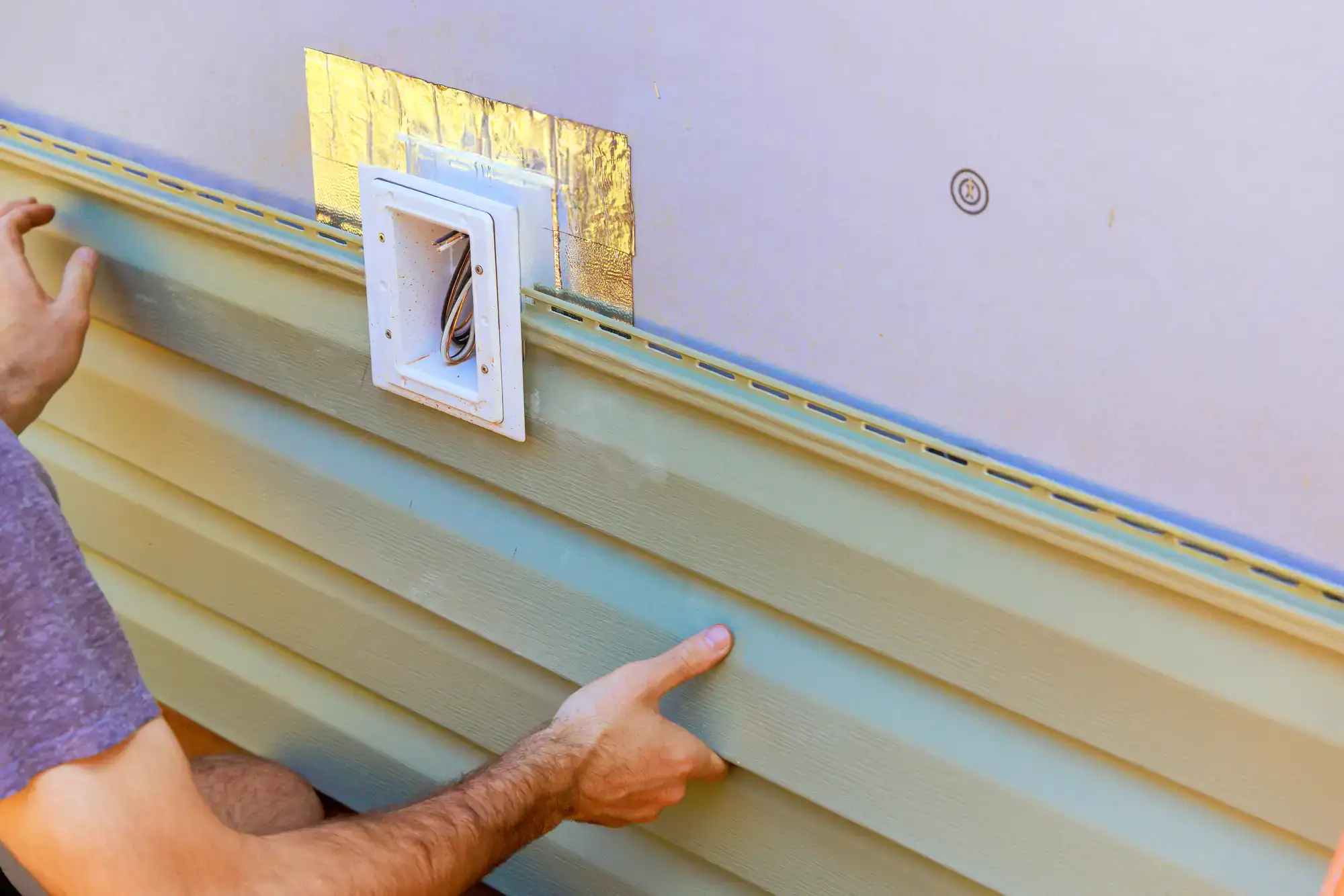
You’re not just covering your walls. You’re protecting your home from the moisture that causes $27,600 in average water damage claims across Long Island. You’re stopping the wind-driven rain that finds every gap in poorly installed siding. You’re preventing the kind of rot that starts behind the walls where you can’t see it until it’s expensive.
When siding is installed correctly with coastal-grade materials, your home stays dry during nor’easters. Your energy bills drop because there aren’t gaps letting conditioned air escape. Your property value holds because the exterior looks maintained, not weathered.
That’s what happens when you work with exterior siding contractors in Sagaponack, NY who understand what ocean air does to homes. The materials resist salt corrosion. The installation includes proper moisture barriers and marine-grade fasteners. The flashing is done right so water goes where it’s supposed to go.
SkyLuxe Construction is a family-owned company that’s been handling exterior renovations across Long Island for years. We’re not a national franchise that sends different crews every time. You work directly with people who make decisions and care whether your project turns out right.
We’re licensed and insured. We focus specifically on exterior work in coastal environments because that’s what matters here in Sagaponack, NY. We’ve seen what happens when siding installation is done by contractors who don’t understand humidity, salt air, and the freeze-thaw cycles that crack inferior materials.
You’re dealing with a community where 67% of homes are valued over $1 million. You didn’t get here by accepting mediocre work. Neither did we.
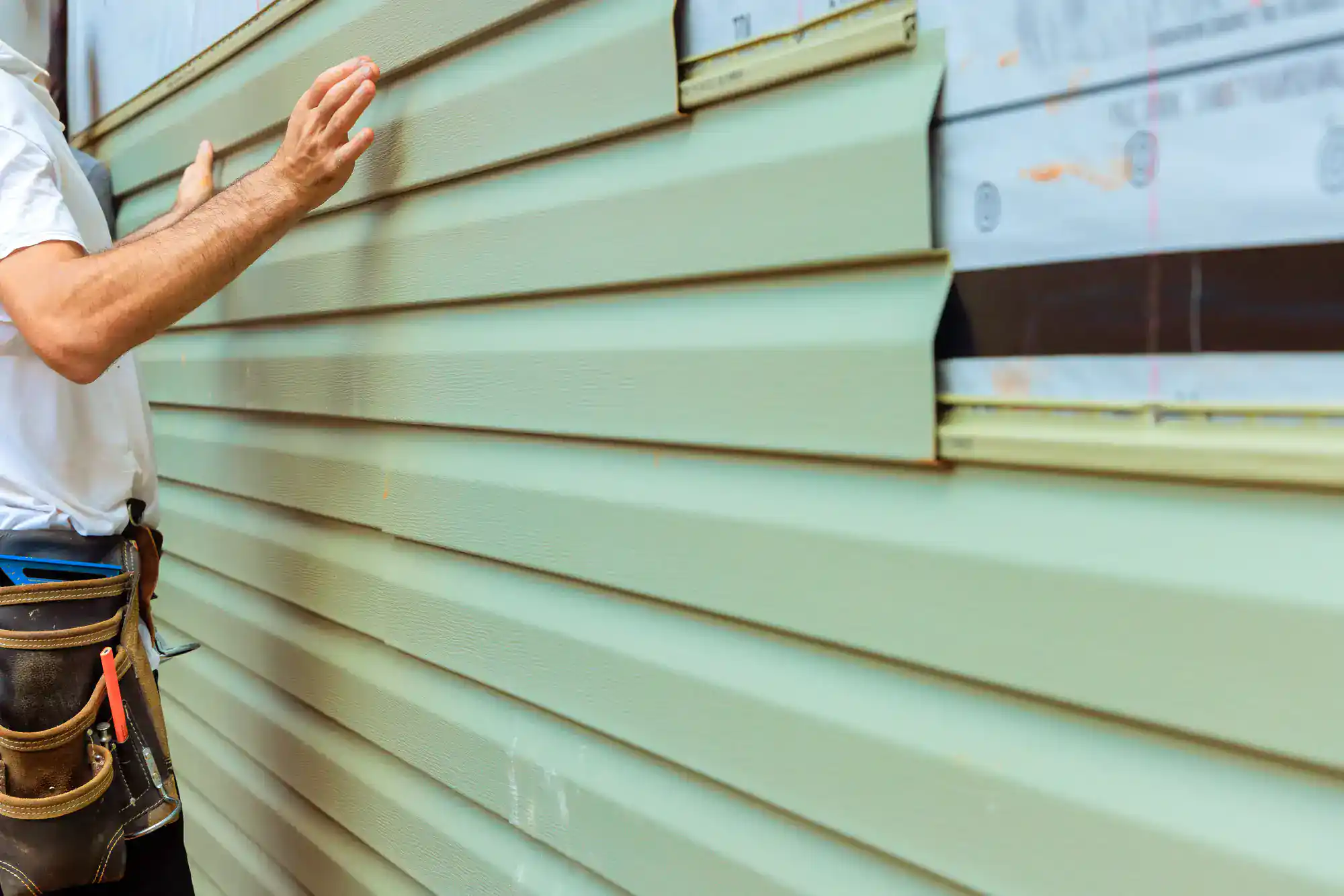
First, we assess your current siding and the underlying structure. We’re looking for hidden moisture damage, failed house wrap, and any structural issues that need addressing before new siding goes up. If there’s rot, you need to know now, not after new siding is covering it.
Next, we remove your old siding and dispose of it. We inspect the sheathing, replace anything compromised, and install proper moisture barriers designed for coastal climates. This step is where most problems start with other contractors. If the barrier isn’t right, water gets in regardless of how good your siding looks.
Then we install your chosen material—cedar, vinyl, or fiber cement—using techniques specific to coastal conditions. That means marine-grade fasteners that won’t corrode, proper flashing around windows and doors, and attention to expansion gaps that matter when humidity swings 40% seasonally. We handle all trim work, ensure proper ventilation, and clean up completely. You get written warranties on materials and workmanship, and we provide a one-year callback warranty for any adjustments needed as the materials settle.
Ready to get started?
You get complete removal of existing siding and proper disposal. You get inspection and repair of underlying structure if needed. You get moisture barriers specifically rated for coastal humidity and a full installation of your chosen siding material with all necessary trim, flashing, and finishing work.
In Sagaponack, NY, where 20% of properties face coastal flooding risk and homes sit in constant salt air, material choice matters. Cedar offers authentic Hamptons aesthetics with natural pest resistance and superior insulation—it’s why it’s been used here for generations. Vinyl provides low maintenance and excellent weather resistance at a lower cost. Fiber cement delivers the look of wood with better durability in wet conditions and resistance to salt corrosion.
We include comprehensive warranties: 20-50 years on materials depending on what you choose, five years on workmanship, and a one-year callback warranty. That’s transparent coverage, not fine print that disappears when you need it. You also get detailed written estimates before work starts. No surprise fees, no pressure tactics, no change orders unless you request changes.
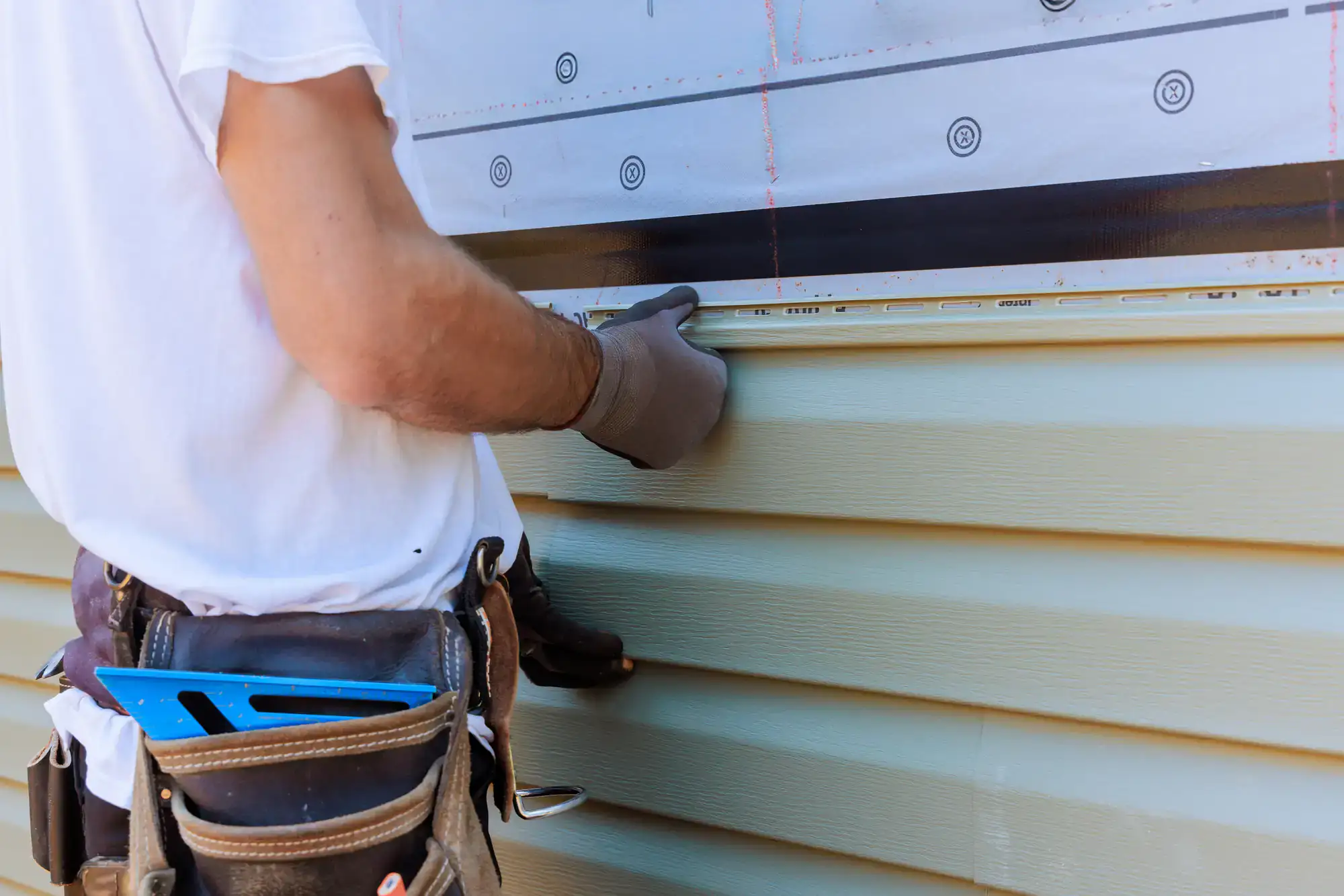
Cedar, vinyl, and fiber cement all work in coastal environments, but each handles Sagaponack’s conditions differently. Cedar is the traditional Hamptons choice because it resists moisture naturally, insulates well, and its natural oils repel pests. It requires maintenance—sealing every few years—but it delivers authentic aesthetics and has proven itself in this climate for over a century.
Vinyl siding offers the lowest maintenance and handles salt air without corroding. It won’t rot, doesn’t need painting, and modern premium vinyl doesn’t fade like older versions did. It’s the practical choice if you want to minimize upkeep. Fiber cement gives you the look of wood with better moisture resistance than real wood. It won’t rot, resists pests, and holds paint longer than cedar.
The wrong choice is any material installed without proper moisture barriers and coastal-grade fasteners. That’s where most failures happen regardless of the siding type.
Most residential siding installation projects in Sagaponack, NY take one to three weeks depending on your home’s size and complexity. A straightforward 2,500 square foot home with simple architecture typically takes 7-10 days. Larger homes or properties with complex trim details, multiple stories, or architectural features take longer.
Weather affects timing more here than inland. We can’t install during heavy rain or when humidity is extremely high because moisture barriers and certain materials need proper conditions to cure. We schedule around weather and start early in the day during summer when conditions are most favorable.
The timeline includes removal of old siding, structural inspection and any necessary repairs, installation of moisture barriers, siding installation, trim work, and complete cleanup. We’ll give you a specific timeline during your estimate based on your home’s particulars. If we hit unexpected issues like hidden rot or structural problems, we’ll discuss them immediately, not after we’ve already done work you didn’t approve.
Residential siding installation in Sagaponack, NY typically ranges from $8 to $18 per square foot installed, depending on material choice and your home’s specifics. That puts a 2,500 square foot home between $20,000 and $45,000 for complete installation. Cedar runs higher because of material costs and installation complexity. Vinyl is the most economical. Fiber cement sits in the middle.
Your actual cost depends on how much siding you need, whether there’s underlying damage requiring repair, architectural complexity, and material choice. A simple ranch costs less per square foot than a multi-story home with complex trim. Homes with rot or failed sheathing cost more because those issues must be fixed before new siding goes up.
We provide detailed written estimates that break down costs clearly. You’ll know what you’re paying for materials, labor, disposal, and any additional work needed. The estimate is the price—we don’t add fees later. Given that quality siding installation returns 77-80% of cost in home value and lasts 20-40 years when done right, you’re looking at long-term value, not just upfront cost.
It depends on the extent of damage and the age of your current siding. If damage is localized—a few panels cracked from storm debris or a small area with moisture infiltration—repair might make sense if your siding is relatively new and we can match materials. But if your siding is over 20 years old, showing widespread fading or warping, or has multiple areas with moisture problems, partial repair usually just delays the inevitable.
Here’s the issue with partial repairs on older siding: you’re leaving the rest of the aging material in place. If one section failed from moisture or UV exposure, the rest has been exposed to the same conditions. You might repair one area now and face another failure in two years. You’re also trying to match materials that have weathered for decades, which rarely looks seamless.
We’ll assess your situation honestly during inspection. If repair makes sense, we’ll tell you. If you’re throwing money at a temporary fix when full replacement would serve you better long-term, we’ll tell you that too. The goal is making a decision that actually solves your problem, not just generating a work order.
Yes, but how much depends on what you’re replacing and what you choose. If you’re replacing old, poorly installed siding that has gaps and failed moisture barriers, new siding installation in Sagaponack, NY with proper insulation and air sealing can cut your heating and cooling costs by 15-25%. That’s real money in a climate where you’re running AC through humid summers and heat through cold winters.
Cedar provides natural insulation with an R-value around 1.0 per inch—better than vinyl or fiber cement. Insulated vinyl siding adds a foam backing that increases R-value to 2.0-3.5. Fiber cement doesn’t insulate much on its own, but when installed over proper insulation board, it performs well. The bigger factor is eliminating air leaks. Old siding with gaps lets conditioned air escape constantly. New siding with proper installation and moisture barriers seals your home’s envelope.
You’ll notice the difference most around windows and doors where old flashing failed and air leaked through. Proper flashing and trim work during new installation stops those leaks. Your HVAC system won’t run as often because it’s not fighting constant air exchange with outside. Over 20-30 years, energy savings offset a significant portion of installation cost.
Ask specific questions about moisture management and material choices for salt air exposure. A contractor who understands coastal installation will talk about marine-grade fasteners that resist corrosion, proper flashing techniques for wind-driven rain, and moisture barriers rated for high humidity. They’ll mention expansion gaps because materials expand and contract more in coastal climates with bigger temperature and humidity swings.
They should explain why certain materials work better here. They’ll know that standard fasteners corrode in salt air within years. They’ll understand that Sagaponack’s humidity requires ventilation behind siding to prevent trapped moisture. They’ll discuss how they handle the transition points around windows and doors where most water intrusion happens.
If a contractor gives you a price without asking about your home’s exposure to weather, doesn’t mention moisture barriers, or suggests the cheapest option without discussing why it might not be the best choice for coastal conditions, that’s a warning sign. We’ve worked in Suffolk County for years and know what fails and why. We’ve seen the callbacks from improper installation. We know this isn’t the same as installing siding in Arizona.
Other Services we provide in Sagaponack