
Hear from Our Customers
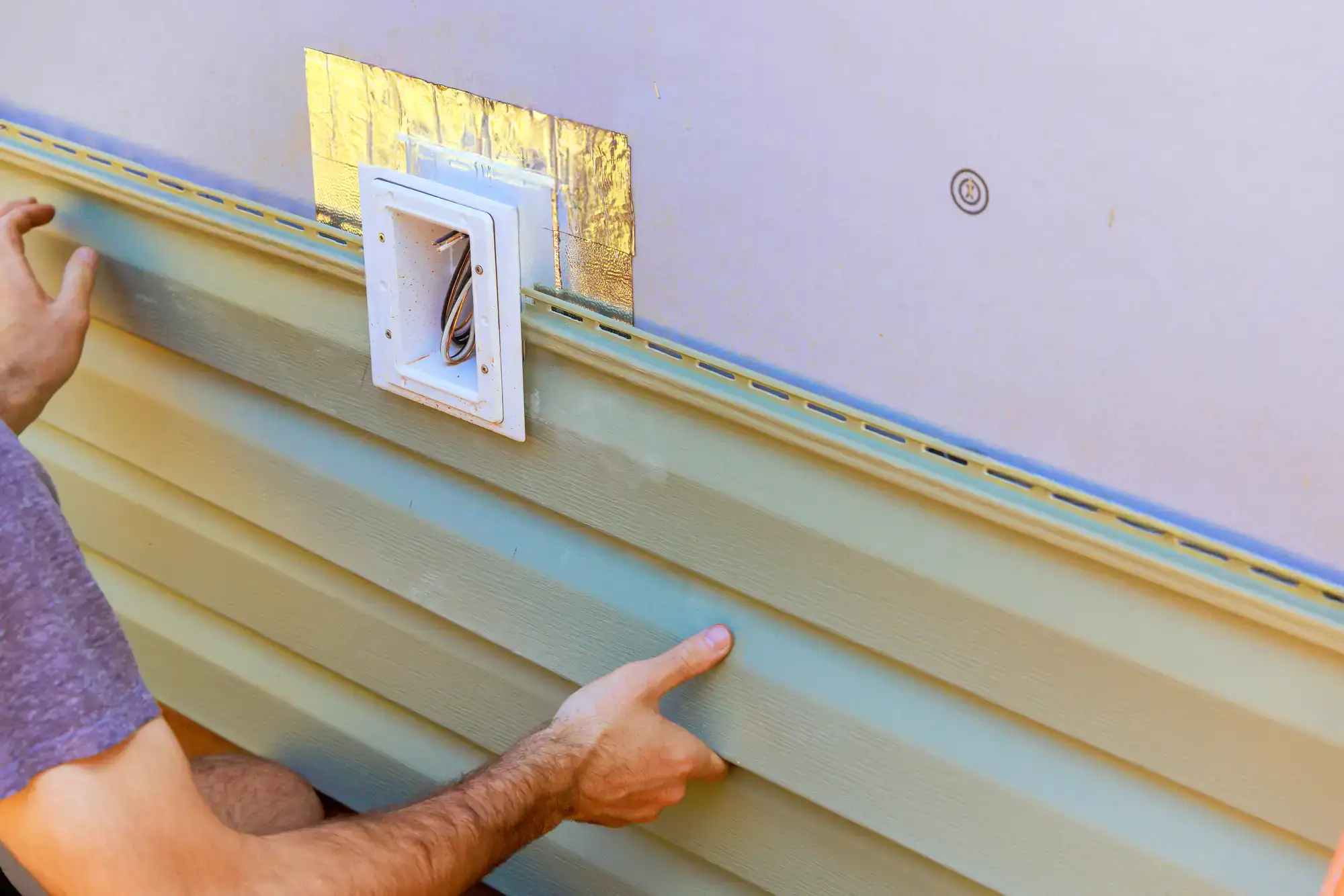
You’re not just covering your house. You’re stopping water from rotting your walls, keeping conditioned air inside instead of leaking out, and ending the cycle of repainting every few years.
When siding gets installed correctly, your winter heating bills drop. Your summer cooling costs go down. The constant maintenance stops because modern materials don’t crack, peel, or need touch-ups every season.
Storm damage becomes less of a worry. Suffolk County has seen 45 hurricanes since 1930, and every nor’easter tests your exterior. Quality siding installation means panels stay attached when winds hit 60 mph, water stays outside where it belongs, and you’re not filing insurance claims after every major storm. Most homeowners in Selden see their property value increase by $15,000 to $30,000 after a professional siding replacement—that’s real equity you can use when it’s time to sell.
We operate right here in Suffolk County. We’re licensed, insured, and we’ve spent years learning exactly how salt air and coastal storms damage siding differently than inland properties.
You work with the same crew from start to finish. No rotating teams, no subcontractors who’ve never worked on Long Island homes. We know Selden’s building codes, we understand the weather patterns that hit your neighborhood, and we’ve replaced enough storm-damaged siding to spot problems before they become expensive.
Every project gets handled by people who live in this area and deal with the same weather you do. That’s why we install materials that actually hold up to what Suffolk County throws at them.
First, we inspect your current siding and the structure underneath. Most water damage hides behind the surface, so we check for rot, failed moisture barriers, and structural issues that need fixing before new siding goes up.
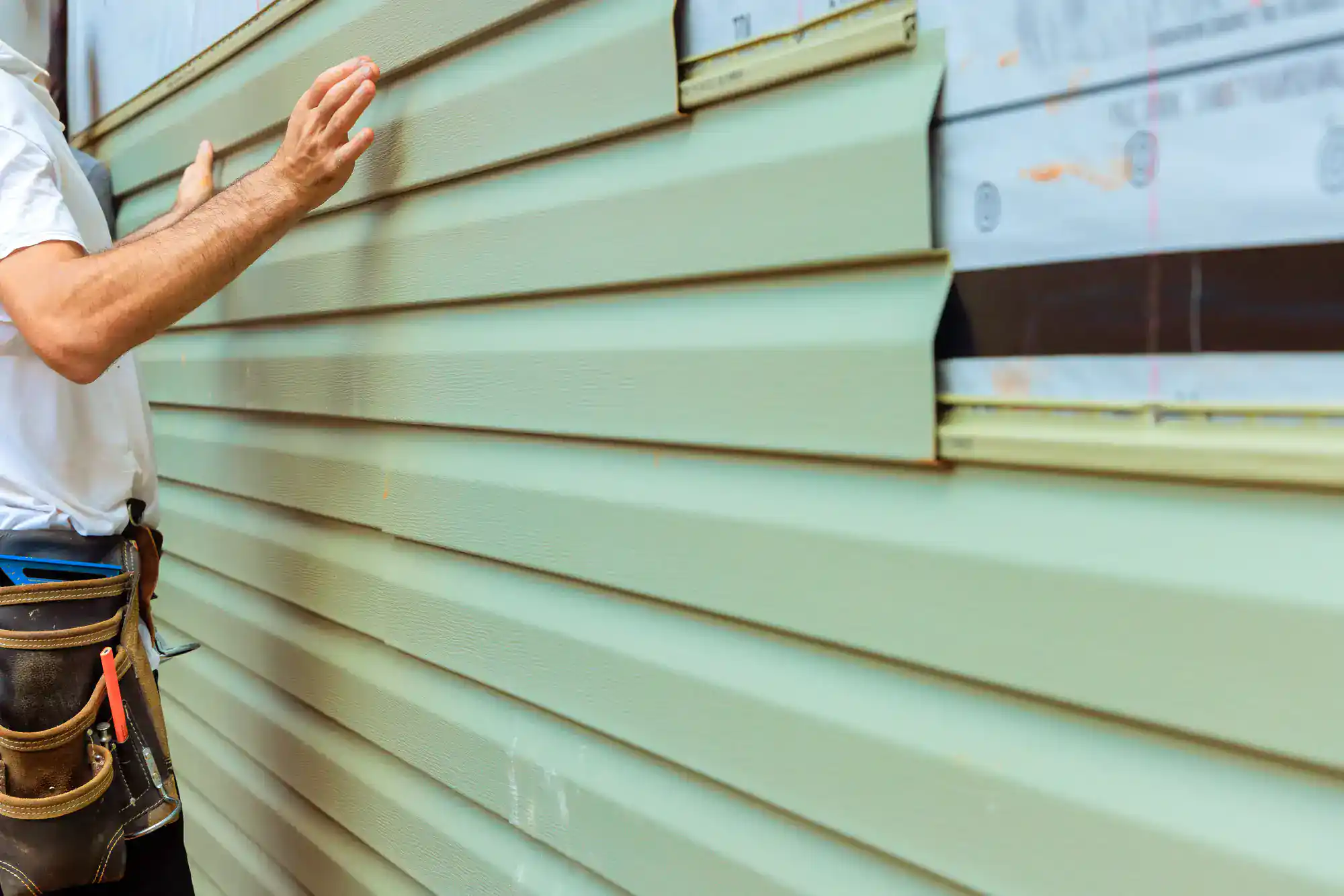
Next, we remove the old material carefully. Ripping off siding too aggressively damages the sheathing and framing underneath, which costs you more to repair. We protect your landscaping, windows, and anything else that could get damaged during removal.
Then we address what we found during inspection. Rotted wood gets replaced, moisture barriers get upgraded, and flashing around windows and doors gets installed correctly. This step separates installations that last 25 years from ones that fail in five.
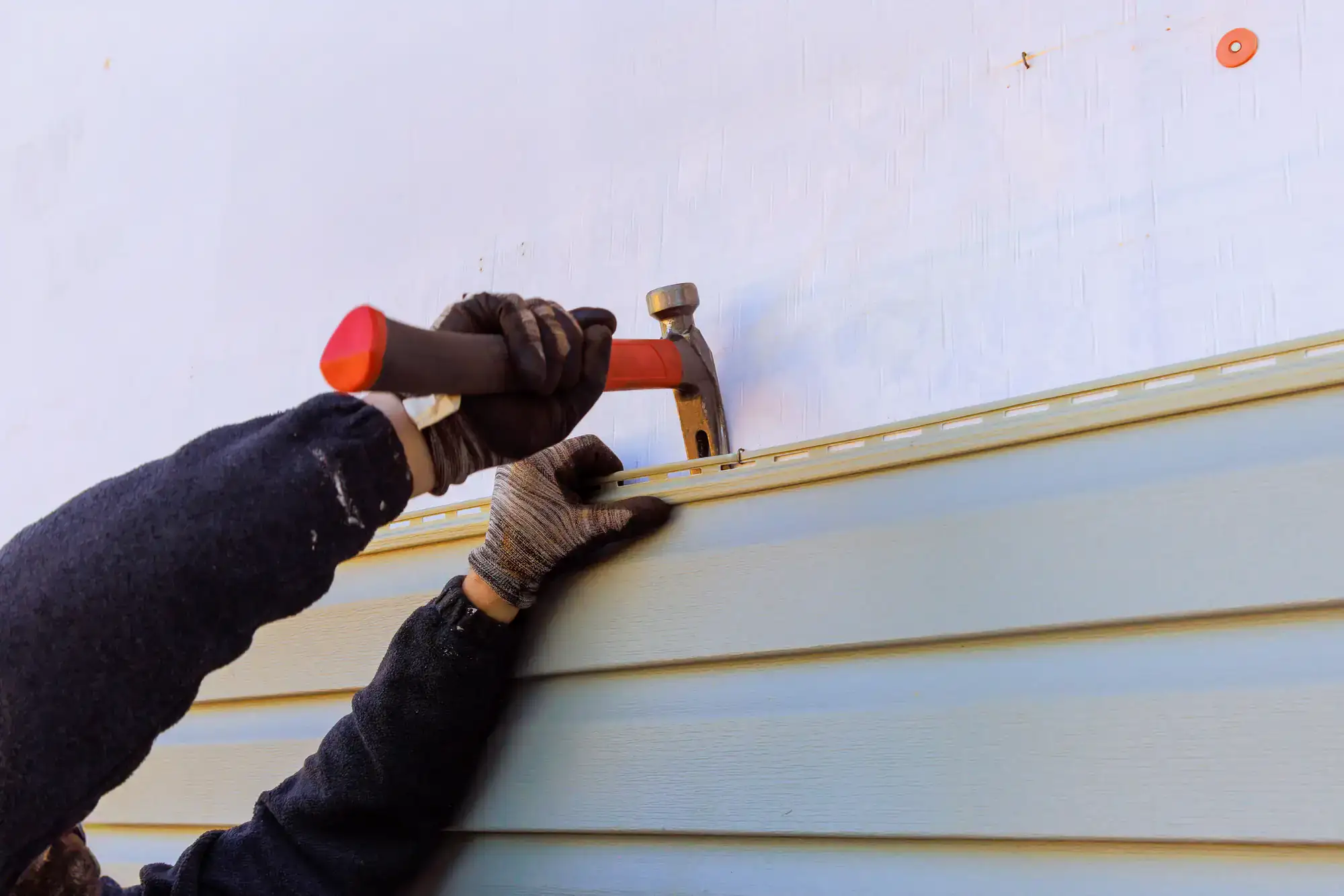
Finally, we install your new siding according to manufacturer specifications and local building codes. Every panel gets fastened at the right tension, seams get staggered properly, and trim gets sealed to keep water out. The job isn’t done until we’ve cleaned up completely and walked you through what we did.
Ready to get started?
Your siding installation includes a full inspection of your home’s exterior structure before we start. We’re checking for damage you can’t see—rotted sheathing, failed house wrap, improperly installed flashing around windows and doors.
You get materials rated for coastal environments. That means impact-resistant panels that hold up to hail and wind-blown debris, UV protection that prevents fading in direct sun exposure, and insulated backing that makes your walls up to 20% more thermally efficient. These aren’t upgrades—they’re standard for any home in Selden dealing with salt air and temperature swings.
The installation comes with proper moisture management. We’re installing weather-resistant barriers behind your siding, sealing every penetration point, and making sure water drains away from your foundation instead of getting trapped in your walls. Most siding failures in Suffolk County come from water problems, not material defects.
You also get documentation for your insurance company if you’re filing a storm damage claim. We photograph existing damage, provide detailed estimates with material specifications, and explain what caused the failure in language adjusters understand.
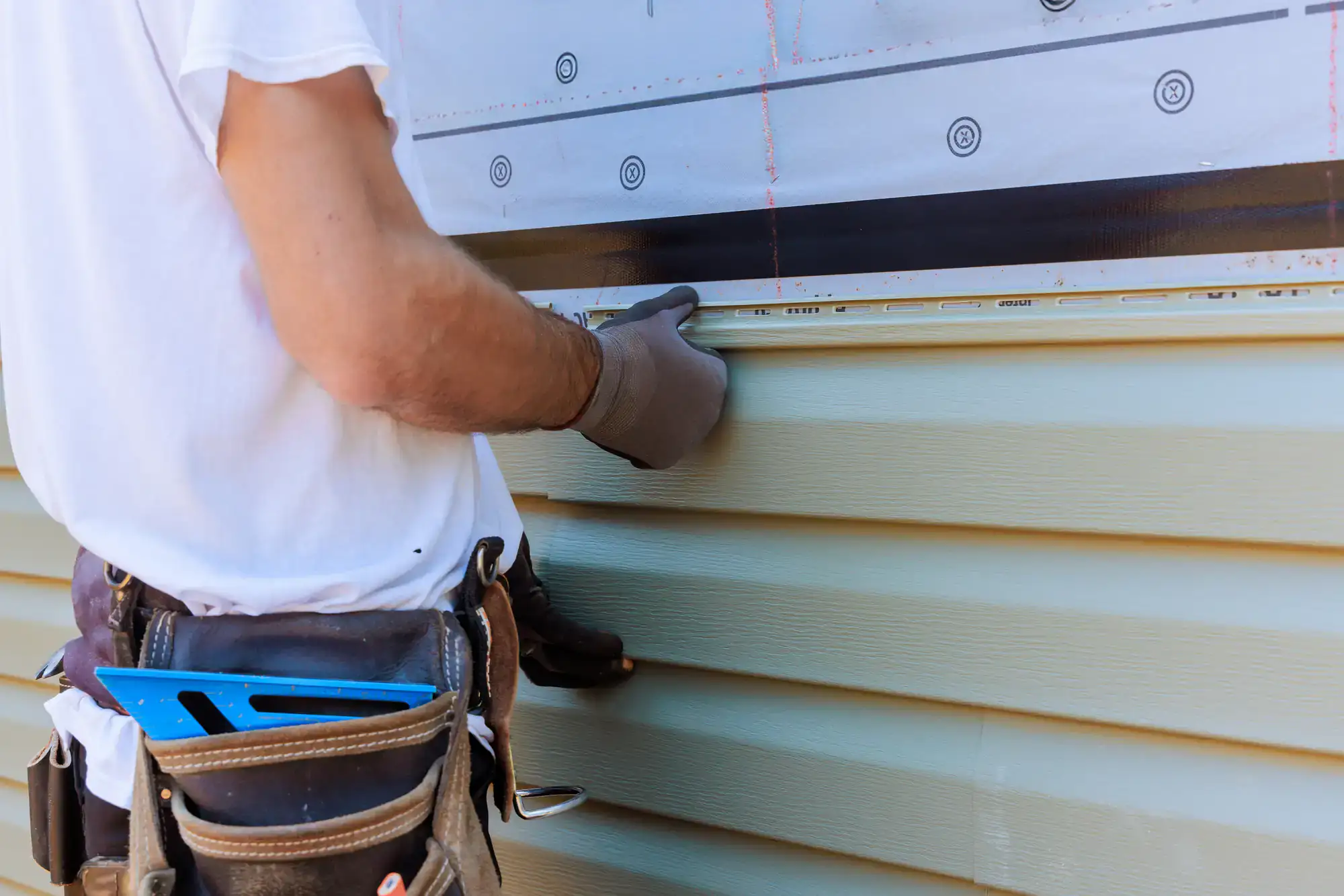
Most complete siding installations in Selden run between $12,000 and $23,000 depending on your home’s size and the material you choose. A typical 2,000 square foot home with insulated vinyl siding usually costs $16,000 to $19,000 including removal of old siding, repairs to underlying structure, and installation of new moisture barriers.
Fiber cement costs more upfront—usually $18,000 to $25,000 for the same house—but it lasts longer and holds up better to impact damage from coastal storms. The cheapest option is standard vinyl without insulation, which runs $12,000 to $15,000, but you lose the energy savings and noise reduction that insulated products provide.
These prices include everything: removal and disposal of your old siding, repairs to any rotted wood or damaged sheathing we find, new moisture barriers and flashing, the siding itself, trim work, and cleanup. If we’re also replacing soffits, fascia, or wrapping trim, that adds $2,000 to $4,000 depending on how much linear footage your home has.
Yes, but only if you’re installing insulated siding over properly sealed walls. Most homeowners in Selden see 10% to 20% reductions in heating and cooling costs after installation, which translates to $200 to $400 in annual savings for a typical home.
The energy savings come from two sources. First, insulated siding adds an R-value of 2 to 4 to your exterior walls, which helps keep conditioned air inside. Second, professional installation seals gaps around windows, doors, and wall penetrations where air was leaking before. Those air leaks often waste more energy than poor insulation.
Here’s what matters: if your home was built before 1980 and still has the original siding, you’re probably losing significant energy through your walls. Newer homes built after 2000 already have better insulation, so your savings will be smaller—maybe 8% to 12% instead of 20%. The biggest factor is what’s currently on your house and how well it was installed originally.
Most homes in Selden take five to seven days for complete siding installation. Smaller homes under 1,500 square feet sometimes get done in four days. Larger homes over 3,000 square feet or homes with complex architecture can take ten days to two weeks.
Day one is removal and inspection. We’re taking off old siding, checking the structure underneath, and identifying repairs that need to happen before new material goes up. Days two and three cover structural repairs and moisture barrier installation. This is where we fix rotted wood, upgrade house wrap, and install proper flashing.
Days four through six are actual siding installation. We start from the bottom and work up, making sure every panel sits correctly and water drains properly. The final day covers trim work, caulking, and cleanup. Weather delays happen—we don’t install siding in rain or when temperatures drop below 40 degrees because materials don’t seal properly in cold conditions.
Insulated vinyl and fiber cement both perform well in Selden’s coastal environment, but they solve different problems. Insulated vinyl costs less, never needs painting, and delivers better energy savings. Fiber cement resists impact damage better, lasts five to ten years longer, and holds up to fire and severe storms with less damage.
For most Selden homeowners, insulated vinyl makes the most sense. It handles salt air without corroding, the foam backing absorbs impacts from hail and debris, and the energy savings pay back part of your installation cost over time. Modern vinyl also comes with UV protection that prevents the fading and chalking that made dark colors impractical years ago.
Fiber cement works better if you’re in a high-wind zone near the water or if your home gets hit by wind-blown debris during storms. It’s also the right choice if you want a wood-grain texture that looks more natural than vinyl. The tradeoff is cost—fiber cement runs $3,000 to $6,000 more than vinyl for the same house, and it needs repainting every 10 to 15 years to maintain protection.
Sometimes, but it’s usually not the right choice. Installing over existing siding saves money on removal and disposal, but you’re also hiding problems that will get worse over time. Most building codes in Suffolk County allow one layer of siding over another, but only if the existing layer is flat, structurally sound, and properly attached.
Here’s the problem: if your current siding is failing, there’s usually water damage or structural issues underneath. Covering those problems with new siding doesn’t fix them—it just makes them invisible until they become expensive. Rotted sheathing, failed moisture barriers, and improperly installed flashing all need to be addressed before new siding goes up.
The only time installation over existing siding makes sense is when your current material is in good condition but you want a different look or better energy performance. Even then, you’re adding weight to your walls and creating a thicker profile around windows and doors that doesn’t always look right. Most experienced siding contractors in Selden recommend removal because it lets us inspect and fix underlying issues before they cost you thousands in structural repairs.
Yes. We work with homeowners insurance companies regularly and understand what documentation adjusters need to process storm damage claims. We provide detailed estimates with material specifications, damage photos that show what failed and why, and explanations of what caused the failure in language insurance companies accept.
Most adjusters want to see evidence that damage came from a specific storm event, not gradual wear over time. We photograph impact points from hail, document where wind lifted or tore panels, and identify water intrusion that resulted from storm damage rather than poor maintenance. This documentation helps your claim get approved instead of denied.
We also identify damage that homeowners often miss. Subtle hail impacts, wind damage to siding edges and trim, and failed flashing around windows often don’t look serious but indicate larger problems. Insurance companies pay for storm damage repairs—they don’t pay for deferred maintenance or installation defects from years ago. Our job is to document legitimate storm damage so you get the coverage you’re paying for.
Other Services we provide in Selden