
Hear from Our Customers
You stop noticing the temperature swings. Your heating bill drops by 10 to 15 percent because insulated siding keeps indoor air where it belongs. On Long Island, where the average energy cost hits $4,500 a year, poor siding can waste close to $900 annually—money that’s literally slipping through your exterior walls.
Your home looks sharper. Modern vinyl and fiber cement options in charcoal, deep gray, and coastal blues give North Shore properties the curb appeal that matches the neighborhood—and the kind of first impression that holds value when it’s time to sell.
You stop worrying after every storm. Properly installed siding stands up to Nor’easters, wind gusts, and the salt spray that corrodes cheaper materials. You’re not patching the same corner every season or dealing with moisture creeping behind loose boards.
We specialize in siding installation across Village of the Branch, NY and the surrounding Suffolk County area. We understand what North Shore homes face—relentless UV exposure, salt air near the water, and winter moisture that sits on north-facing walls.
We use fiber cement and insulated vinyl because they hold up in coastal conditions. Our installations include proper moisture barriers and ventilation, so you’re not dealing with mold or structural damage down the line.
You’ll work with a local crew that shows up on time, communicates clearly, and finishes within the timeline we set. No surprises, no runarounds.
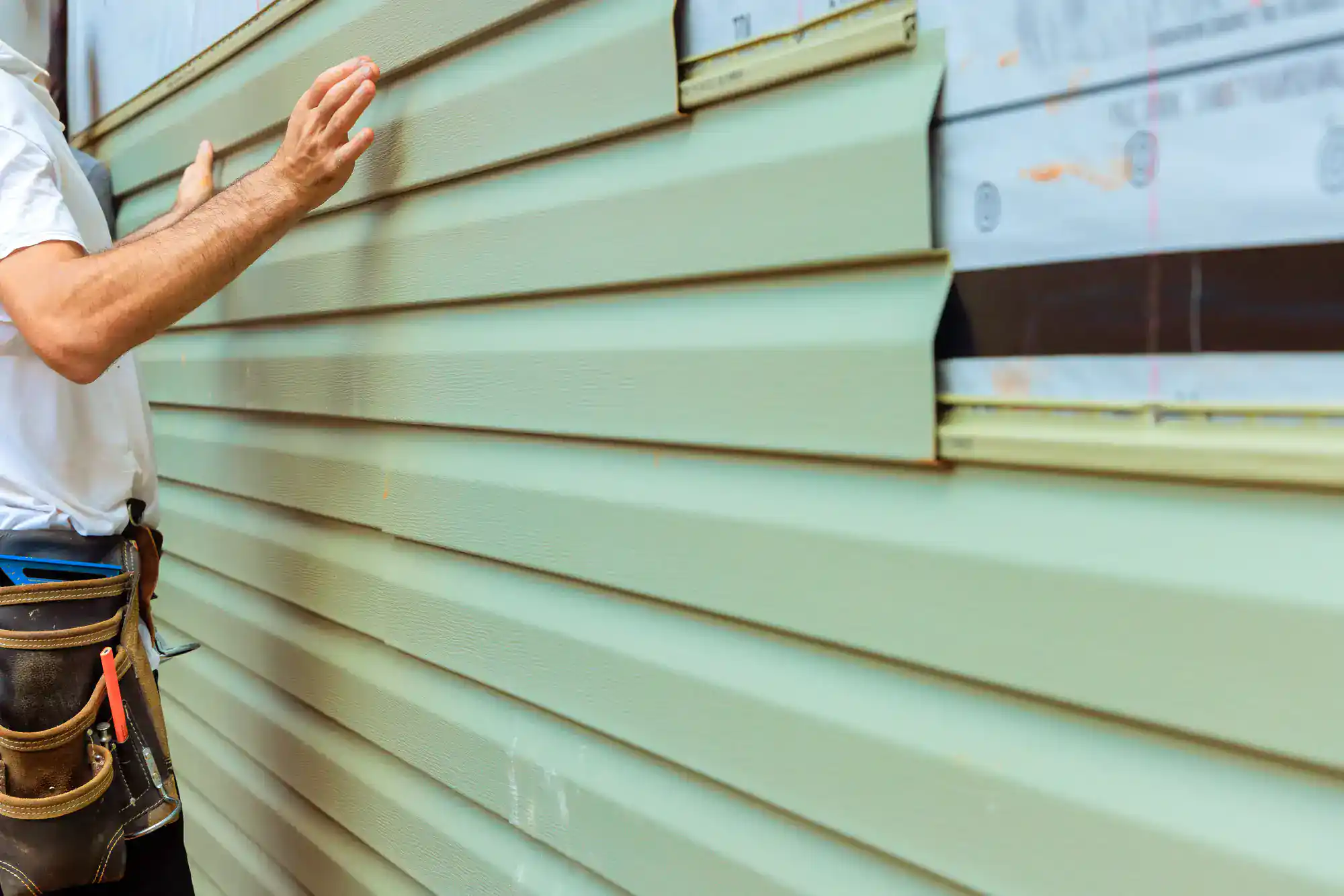
We start with an on-site assessment of your current siding. We’re looking for ripples, bowed boards, moisture damage, and spots where energy is escaping. If you’ve got peeling paint or green streaks, that tells us water is trapped underneath.
Once we know what we’re dealing with, we walk you through material options. Vinyl siding runs $5 to $9 per square foot and requires almost no maintenance. Fiber cement costs $7 to $14 per square foot but gives you superior durability and fire resistance—ideal for Long Island’s coastal climate.
Installation takes one to two weeks depending on your home’s size and the extent of damage we uncover. We pull permits, follow local building codes, and handle moisture barriers and flashing so water doesn’t get behind the new siding. When we’re done, you get a system that protects your home and cuts your energy waste.
Ready to get started?
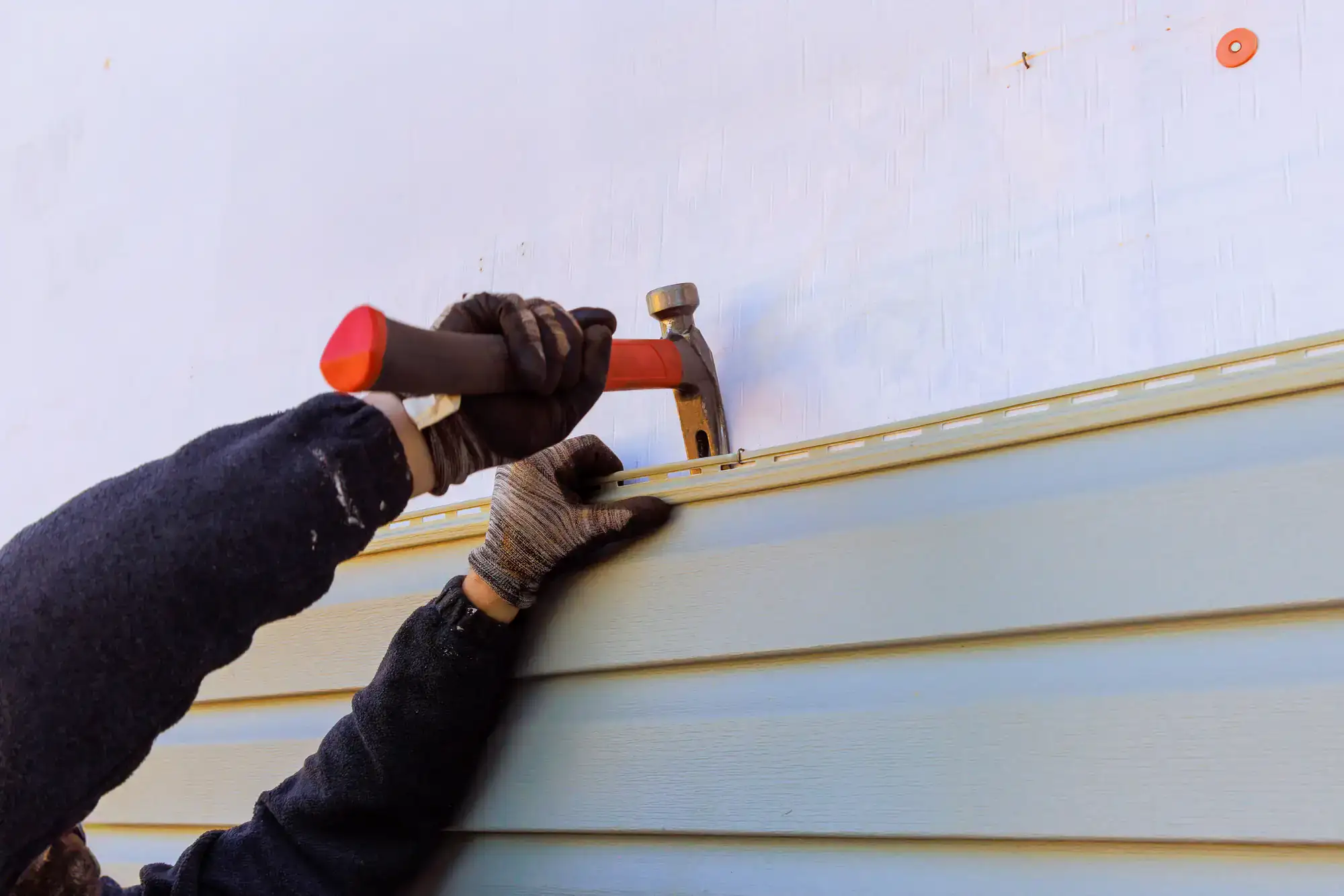
You’re getting a full exterior upgrade, not just new boards slapped over old problems. We remove damaged siding, inspect the sheathing underneath, and address any rot or moisture issues before new material goes up.
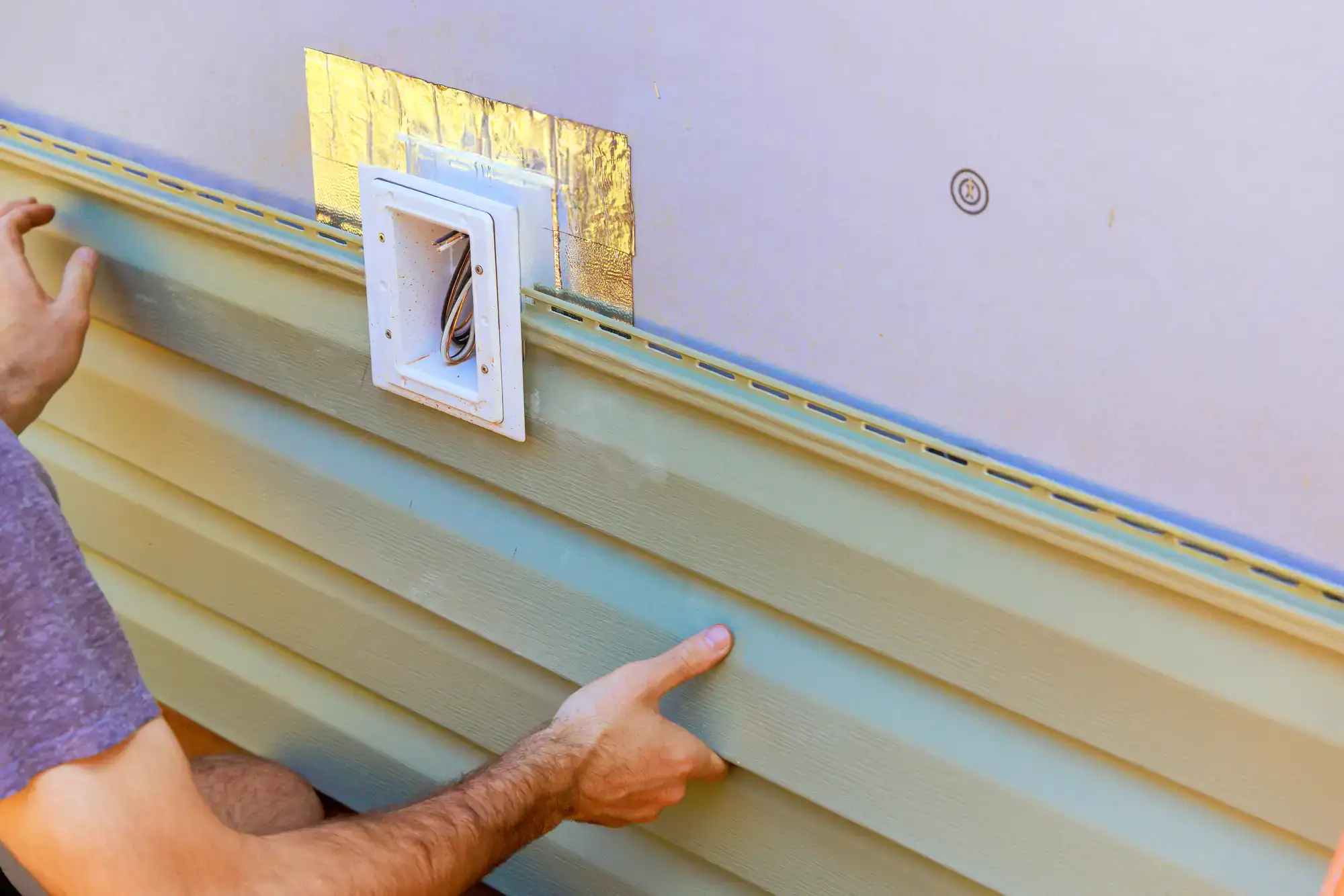
We install house wrap and moisture barriers to prevent water intrusion. Flashing around windows and doors gets redone properly so rain doesn’t pool where it shouldn’t. Insulated siding options add an R-value that keeps your home more comfortable year-round and qualifies you for a tax credit of up to 30 percent under the Inflation Reduction Act.
In Village of the Branch, homes near the water need materials that resist salt corrosion and wind damage. We install fiber cement and premium vinyl that won’t discolor, crack, or warp under North Shore conditions. Color trends in Suffolk County are leaning toward charcoal, deep grays, and coastal blues—modern neutrals that improve energy efficiency and resale value. Fiber cement and vinyl siding projects recoup 80 to 88 percent of cost at resale, and energy-efficient upgrades can boost your home’s value by up to 78 percent of installation cost.
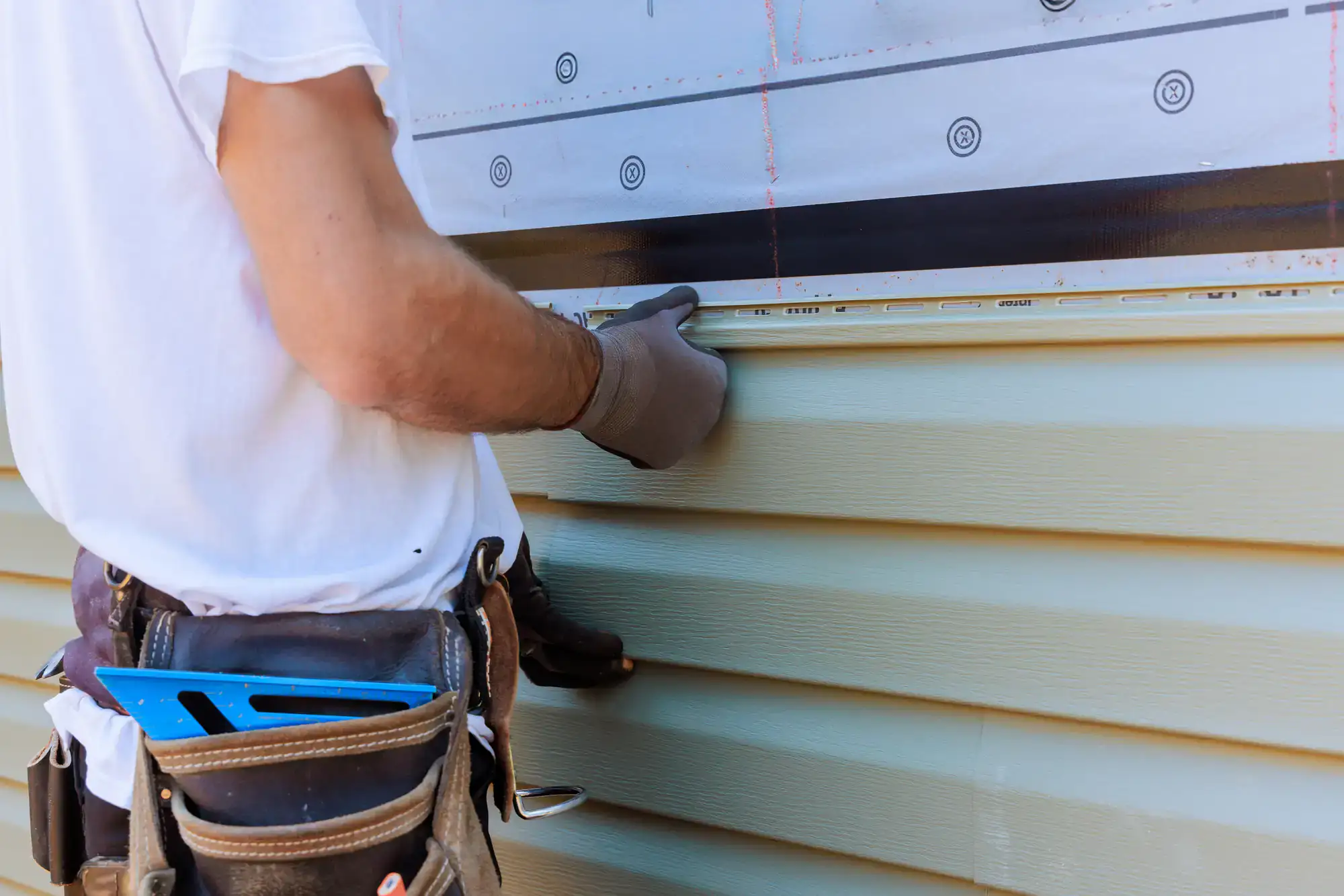
Vinyl siding typically runs $5 to $9 per square foot installed, while fiber cement costs $7 to $14 per square foot. For an average Village of the Branch home, you’re looking at a range of $8,000 to $20,000 depending on square footage, material choice, and whether we’re addressing underlying moisture or structural damage.
Insulated vinyl adds about $1 to $2 per square foot but cuts your heating and cooling costs by 10 to 15 percent annually. On Long Island, where energy bills average $4,500 a year, that’s real money back in your pocket every month.
If you’re replacing siding because of storm damage or rot, factor in potential repairs to sheathing or framing. We won’t know the full scope until we remove the old siding, but we’ll walk you through any additional work before it happens so there are no surprises.
Fiber cement and premium vinyl are your best options for North Shore properties. Fiber cement resists salt corrosion, doesn’t warp in humidity, and holds up against wind-driven rain. It’s also fire-resistant, which matters for insurance rates in some neighborhoods.
Vinyl siding has come a long way. Modern formulations resist UV fading and won’t crack in temperature swings. Insulated vinyl adds an R-value that keeps your home more comfortable and lowers energy waste. It’s low-maintenance—no painting, no scraping, no rot.
Wood siding looks great but requires constant upkeep in coastal conditions. Salt air accelerates rot and paint failure, so you’re repainting every few years and replacing boards more often than you’d like. If you want the wood look without the maintenance, fiber cement offers realistic grain textures that hold paint longer and don’t attract moisture or pests.
Most residential siding installations take one to two weeks from start to finish. Smaller homes or straightforward replacements can be done in five to seven days. Larger properties or jobs that involve repairing sheathing, replacing trim, or addressing moisture damage can stretch closer to two weeks.
Weather plays a role. We can’t install siding in heavy rain or freezing temperatures because moisture barriers and caulking won’t seal properly. On Long Island, spring and fall offer the most predictable conditions, but we work year-round when weather allows.
We’ll give you a timeline upfront based on your home’s size and condition. If we hit unexpected damage during removal, we’ll walk you through what needs to happen and adjust the schedule before moving forward. You won’t be left guessing when the job will be done.
Yes, if you choose insulated siding or pair standard siding with proper house wrap and air sealing. Studies show insulated siding can cut heating and cooling costs by 10 to 15 percent, and in some climates even more. The EPA estimates that poor siding and insulation waste 15 to 20 percent of the energy you use to heat and cool your home.
On Long Island, where yearly energy costs average around $4,500, that’s close to $900 slipping through your walls annually. Insulated vinyl siding adds an R-value that buffers your home from outdoor temperature swings, so your HVAC system doesn’t work as hard to maintain comfort.
Homes with well-insulated siding typically see a 15 to 20 percent reduction in energy expenses annually. You’re also eligible for a tax credit of up to 30 percent of material costs under the Inflation Reduction Act if you upgrade to energy-efficient siding. That credit can offset a significant portion of your installation cost.
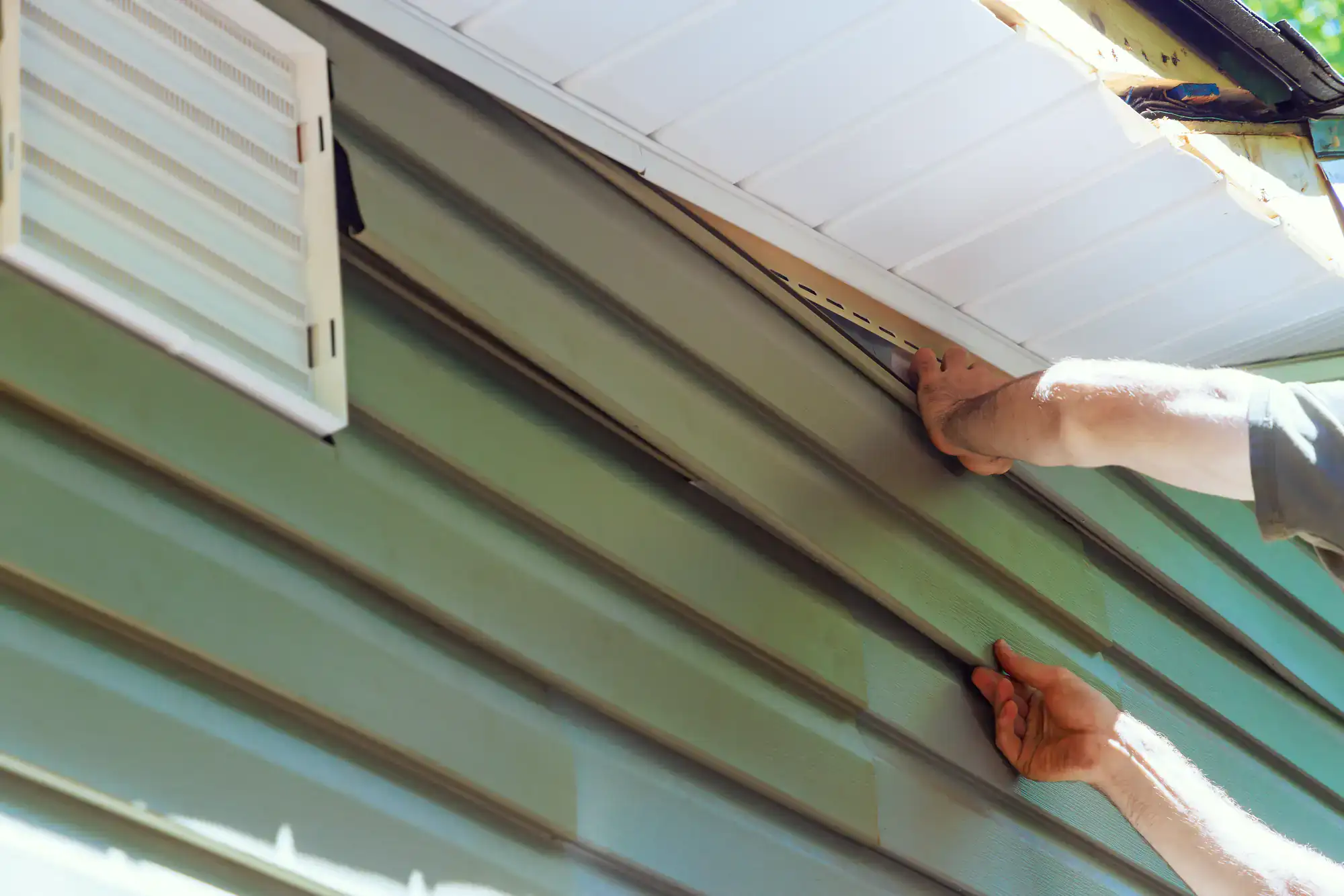
Look for ripples, bowed boards, or corners that don’t sit flat. Those usually point to moisture behind the siding, failing nails, or heat distortion. If you hear rattling on windy days, sections are loose and no longer protecting your home.
Peeling or bubbling paint means water is trapped underneath. Green or black streaks indicate mold or mildew, which means moisture is getting through and can affect indoor air quality. If you’re patching the same area after every storm or finding new damage each season, the system is telling you it’s reached the end of its useful life.
Energy bills creeping up without explanation can also signal failing siding. If your HVAC is running more often but your home still feels drafty or uncomfortable, your exterior envelope isn’t doing its job. A quick inspection will tell you whether you need spot repairs or a full replacement.
Yes, siding replacement in Village of the Branch requires a building permit. The permit ensures your installation meets local building codes for moisture barriers, fire resistance, and wind load requirements. Suffolk County has specific regulations for coastal properties, especially regarding water intrusion and storm protection.
We handle the permit process as part of your installation. We’ll submit the application, coordinate inspections, and make sure everything is up to code before we close out the job. You don’t need to deal with the town building department or track down paperwork.
Skipping permits might seem like a shortcut, but it creates problems when you sell. Buyers’ inspectors will flag unpermitted work, and you’ll either need to get retroactive permits—which can be expensive and complicated—or negotiate a lower sale price. It’s not worth the risk when permits are a standard part of any professional installation.
Other Services we provide in Village Of The Branch