
Hear from Our Customers
Salt air doesn’t take days off. Neither do the nor’easters that roll through Suffolk County every winter.
Your siding takes the brunt of it. When it fails, water finds its way behind the panels. Then you’re dealing with rot, mold, and repair bills that make the original installation look cheap.
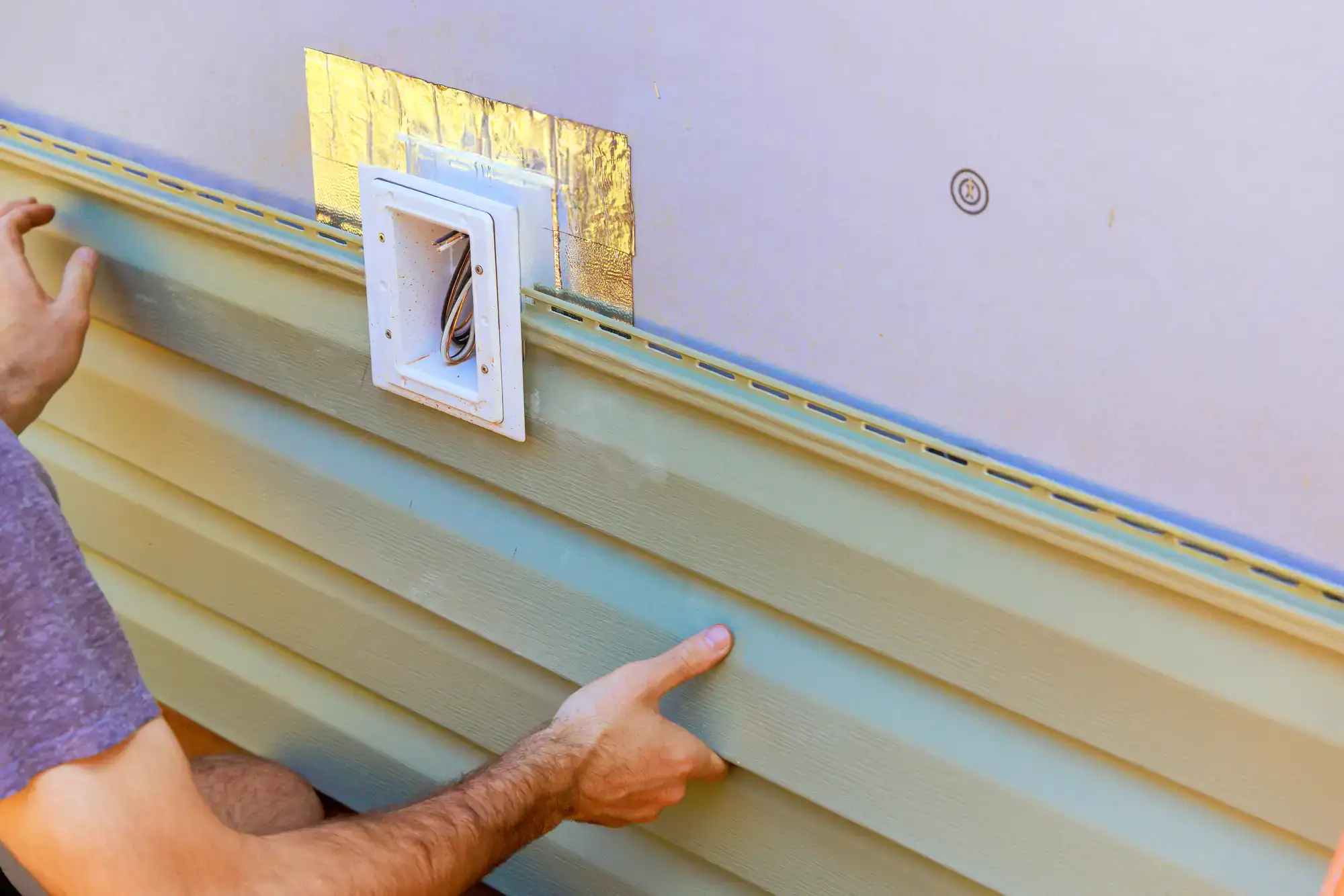
Quality siding installation in Wainscott means choosing materials that resist salt corrosion and wind-driven rain. It means proper flashing around windows and doors. It means installers who understand that coastal homes need different details than inland properties. When the work is done right, you’re not repainting every few years or replacing panels after every storm. You’re protecting a multi-million dollar investment with materials engineered for exactly the conditions your home faces.
That’s what matters when you’re three blocks from the ocean.
We’ve spent years working on homes across Suffolk County. We’re not new to coastal installations, and we’re not learning on your property.
We know what Wainscott weather does to exterior materials. We’ve seen what happens when siding contractors skip steps or use materials that can’t handle salt exposure. We’ve also seen what proper installation looks like after 20 years of coastal conditions.
That experience shows up in how we flash penetrations, how we detail corners, and which materials we recommend for your specific exposure. You’re not getting a cookie-cutter approach. You’re getting residential siding installation that accounts for your home’s orientation, your proximity to the water, and the reality of living in one of Long Island’s most demanding climates.
First, we inspect your existing siding and sheathing. If there’s water damage or rot, you need to know before new siding goes up. We document what we find and explain what needs addressing.
Next comes material selection. We walk you through options that actually work in Wainscott—fiber cement, engineered wood, vinyl—and explain the tradeoffs. Some materials look great but require constant maintenance near the ocean. Others cost more upfront but last decades with minimal upkeep.
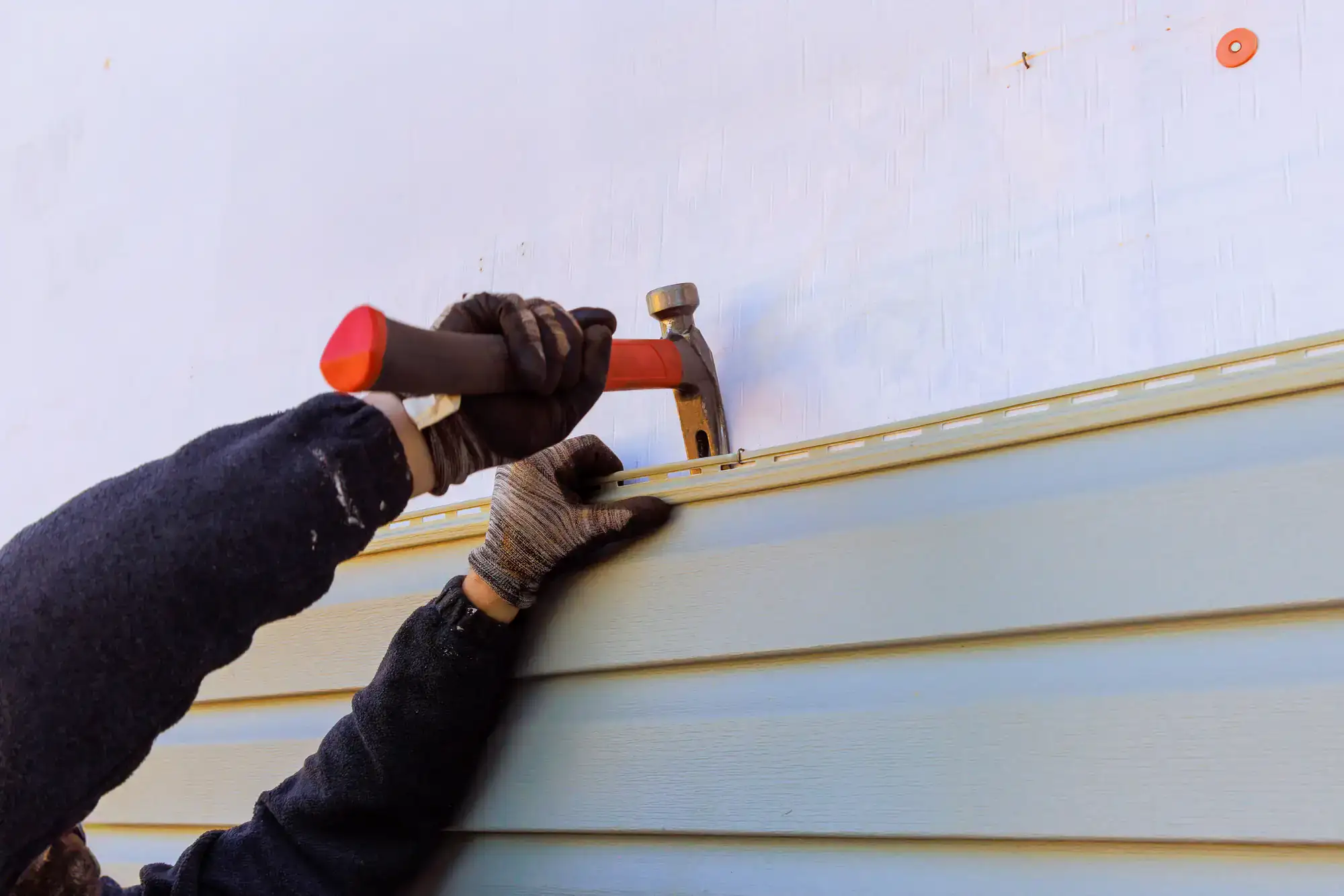
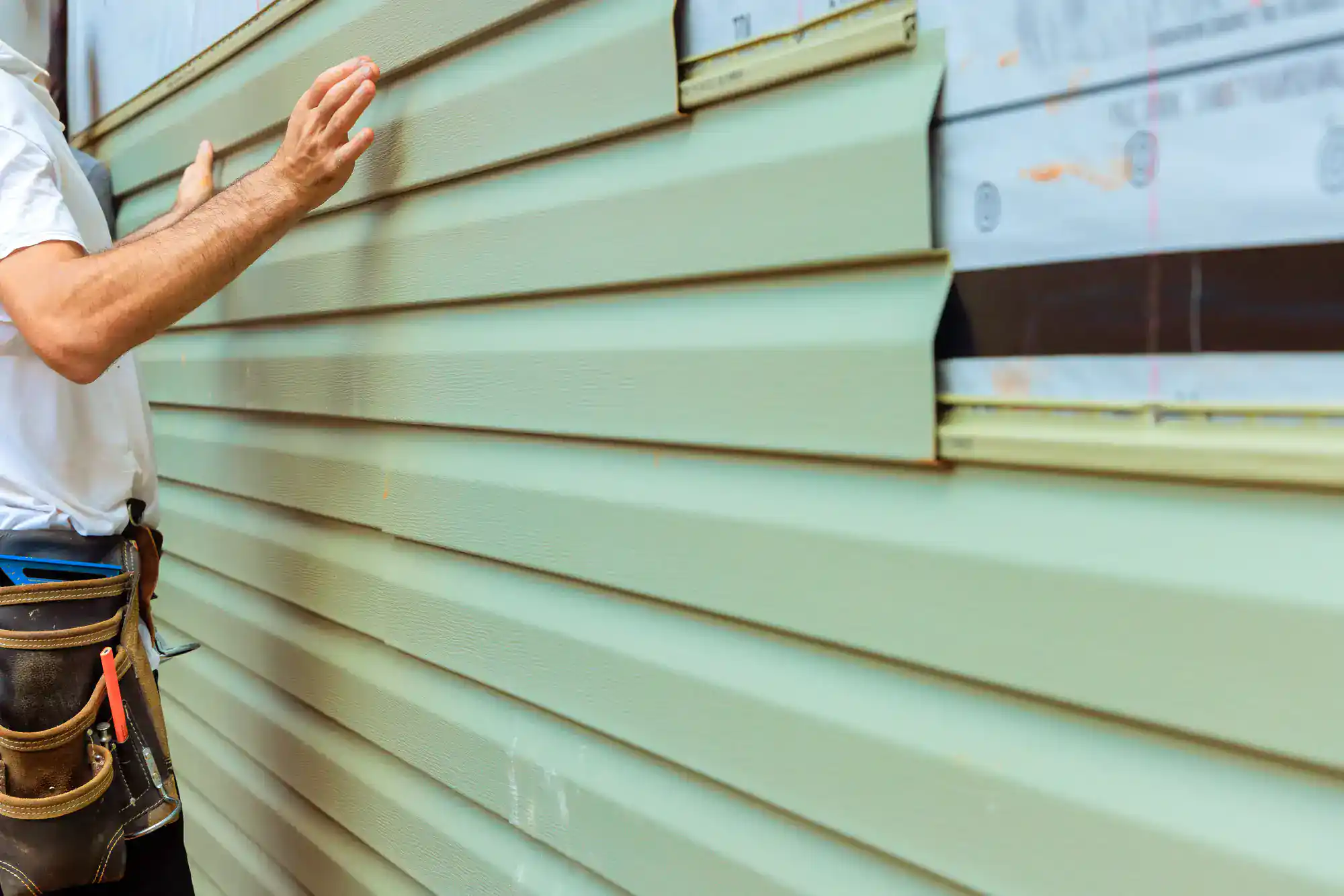
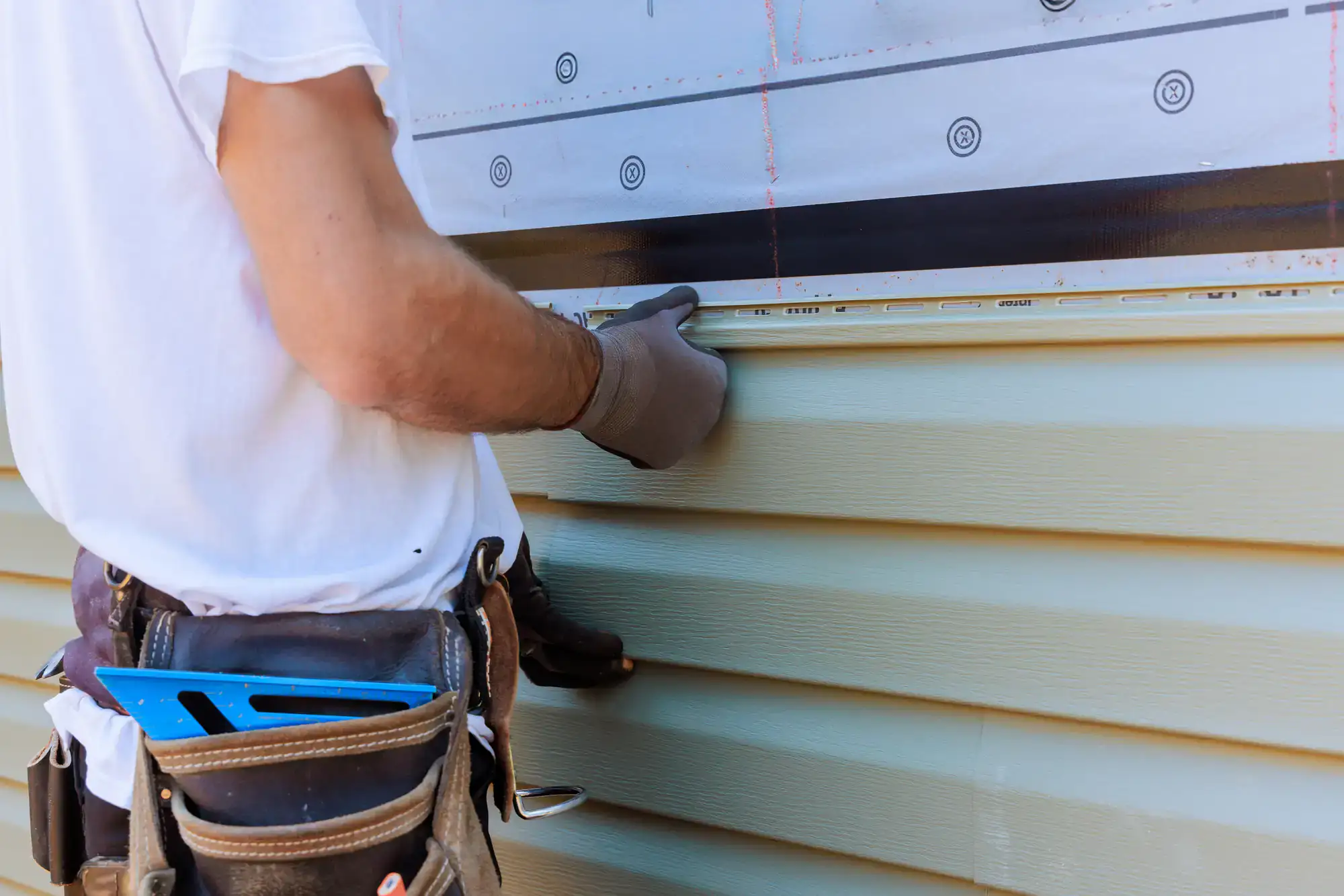
Then we handle the installation. Old siding comes off carefully to avoid damaging sheathing. We replace any compromised substrate, install proper weather barriers, and flash every penetration. New siding goes up with correct fastening patterns and expansion gaps. Corners, trim, and transitions get detailed correctly because that’s where most installations fail.
You get a final walkthrough where we show you what we did and answer any questions. No surprises, no shortcuts, no callbacks six months later because something wasn’t done right the first time.
Ready to get started?
You get a written estimate that breaks down materials, labor, and timeline. No vague line items or surprise charges later.
You get siding materials rated for coastal exposure—not whatever’s cheapest or easiest to source. In Wainscott, that usually means fiber cement or premium vinyl with UV inhibitors and impact resistance. Both handle salt air better than standard materials. Both come with warranties that actually mean something.
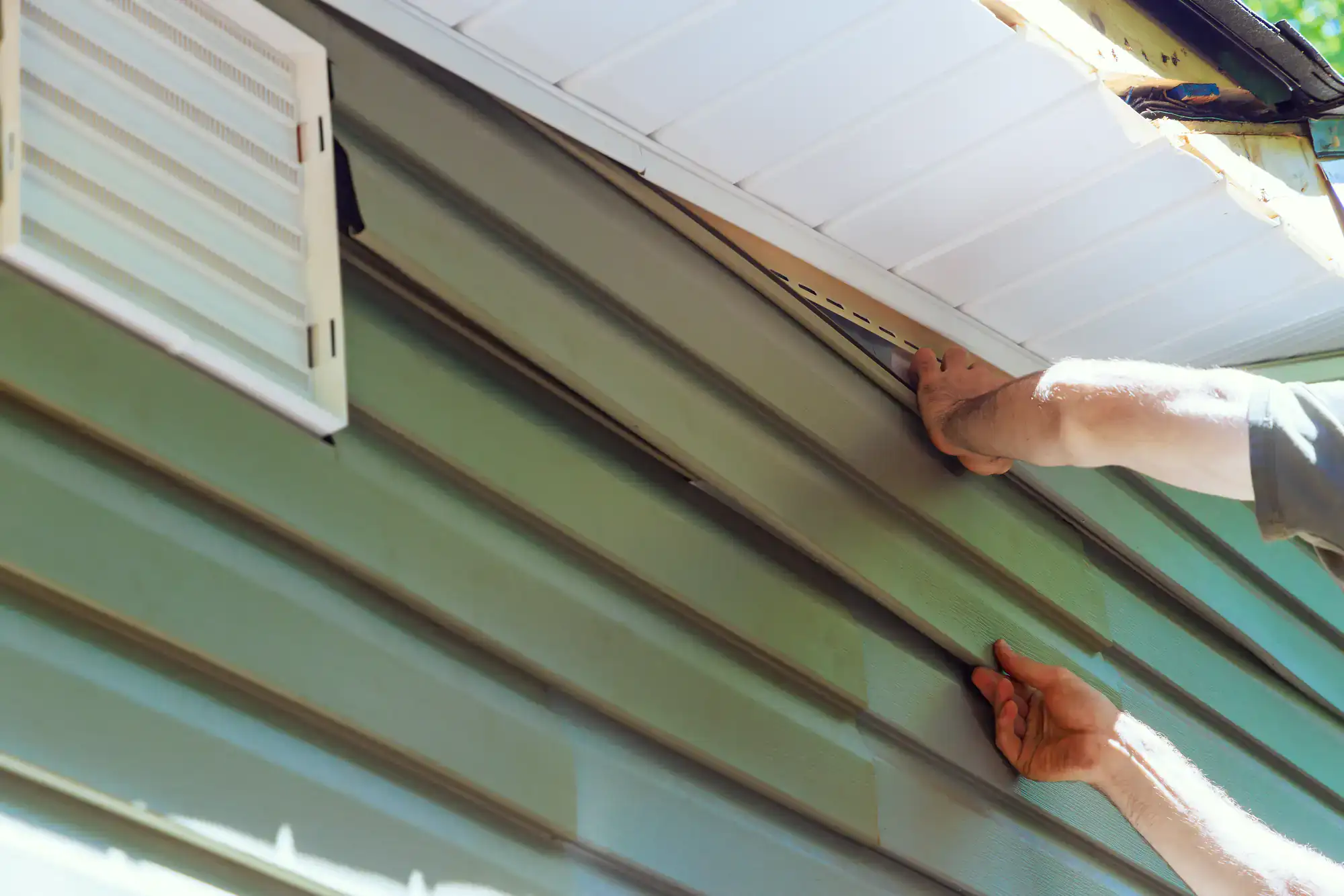
You get proper installation details that most siding contractors skip. House wrap goes on correctly with overlaps sealed. Flashing gets installed at every window, door, and penetration. Corners get reinforced. Fasteners go in at the right depth and spacing. These details separate installations that last from ones that fail early.
You also get installers who show up when they say they will and clean up when they’re done. Wainscott properties deserve that level of respect. You’re not running a construction site—you’re maintaining a home in one of New York’s most exclusive communities. We work accordingly.
Fiber cement performs best in salt air environments. It doesn’t corrode, rot, or deteriorate from moisture exposure the way wood-based products can. It’s also non-combustible and holds paint longer than most alternatives.
Premium vinyl is the second-best option if budget matters. Look for products with high impact resistance and UV inhibitors. Cheap vinyl gets brittle in coastal sun and cracks during winter storms. Quality vinyl costs more but lasts 30+ years with almost zero maintenance.
Wood siding can work in Wainscott, but only if you’re committed to maintenance. You’ll need to repaint or restain every 3-5 years, and even then, salt air accelerates deterioration. Most homeowners here don’t want that level of upkeep. Metal siding looks modern but corrodes quickly near the ocean unless you invest in marine-grade materials, which gets expensive fast.
Most full-house siding installations take 5-10 days depending on your home’s size and complexity. A straightforward 2,500 square foot home with simple geometry takes about a week. Larger homes with multiple stories, complex rooflines, or extensive trim work can push into two weeks.
Weather affects the timeline more than most people expect. We don’t install siding in rain or high winds because moisture behind new siding causes problems you won’t see until later. Coastal weather in Wainscott can be unpredictable, especially during spring and fall. We build buffer time into schedules so weather delays don’t derail your project.
Partial siding jobs—like replacing one damaged wall or upgrading a specific section—usually take 2-4 days. The prep work takes as long as the installation itself when we’re matching existing siding or working around windows and doors.
Usually, yes. Removing old siding lets us inspect the sheathing and framing for water damage, rot, or structural issues. You don’t want to cover up problems that will get worse under new siding.
Old siding removal also ensures proper installation of weather barriers and flashing. These components are critical in coastal environments where wind-driven rain is common. If we install over existing siding, we can’t properly flash penetrations or seal the building envelope.
There are rare cases where installing over existing siding makes sense—like when you have one layer of flat, well-adhered material and the sheathing underneath is confirmed solid. But in Wainscott, where salt air and moisture are constant factors, we almost always recommend removal. The small cost savings of leaving old siding in place isn’t worth the risk of trapping moisture or missing underlying damage.
Yes, but the savings depend on what you’re replacing and what you install. If your current siding has gaps, cracks, or missing sections, new siding with proper weather barriers will noticeably reduce drafts and heat loss.
Insulated siding adds an extra R-value of 2-4, which helps but isn’t transformative. The bigger energy benefit comes from air sealing—properly installed house wrap, sealed penetrations, and tight joints around windows and doors. These details stop air infiltration, which is where most energy loss happens.
In Wainscott’s climate, you’ll see the biggest impact during winter when heating costs spike. Coastal wind makes air leakage worse than inland properties experience. A tight building envelope keeps conditioned air inside where it belongs. Most homeowners notice the difference in comfort before they see it on utility bills—fewer cold spots, less draft, more consistent temperatures throughout the house.
If damage is localized to one area—maybe a few cracked panels from a fallen branch—repair makes sense. If you’re seeing problems in multiple locations, replacement is usually the better move.
Look for these signs that point toward full replacement: widespread fading or discoloration, warping or buckling panels, cracks in multiple areas, visible water damage or rot behind the siding, or frequent repainting needs. When more than 30-40% of your siding shows wear, replacement costs less than ongoing repairs.
Age matters too. Vinyl siding lasts 20-30 years in coastal environments before UV damage makes it brittle. Wood siding might need replacement after 15-20 years depending on maintenance. Fiber cement can go 50 years, but if it was installed incorrectly, problems show up much sooner. We can assess your specific situation during a free inspection and give you an honest answer about whether repair or replacement makes financial sense.
Full-house siding installation typically runs $15,000-$40,000+ depending on your home’s size, material choice, and complexity. Fiber cement costs more than vinyl but lasts longer and needs less maintenance. Complex architectural details, multiple stories, and extensive trim work all increase labor costs.
Wainscott properties often fall on the higher end of that range because homes here are larger and require premium materials suited for coastal exposure. Using builder-grade materials might save money initially, but you’ll pay for it in durability and maintenance costs. Coastal conditions are hard on cheap materials.
We provide detailed written estimates that break down material and labor costs separately. You’ll know exactly what you’re paying for before work starts. No hidden fees, no surprise charges, no pressure tactics. Just transparent pricing for quality work that protects your investment for decades.
Other Services we provide in Wainscott