
Hear from Our Customers
You’re not replacing siding because you want to. You’re doing it because the current stuff is failing—cracking in the cold, warping in the heat, or letting water creep behind it during every heavy rain. That’s the reality of living near the water in Suffolk County.
New siding installation in West Sayville, NY means your walls stay dry when the next nor’easter rolls through. It means your heating bill drops because air isn’t leaking through gaps you can’t even see. It means you stop worrying every time the forecast calls for high winds.
The right exterior siding contractors know how to install for coastal conditions—not just nail panels up and hope they hold. Proper flashing, correct fastening depth, and materials rated for salt exposure make the difference between siding that lasts fifteen years and siding that fails in five.
We’ve been handling residential siding installation across West Sayville and the surrounding area since the late 1980s. We’ve worked through Hurricane Sandy, countless nor’easters, and every kind of weather-related damage Long Island can throw at a house.
We’re a family operation, which means you’re not getting random subcontractors showing up. The same licensed team that inspects your home handles the installation from start to finish. We’ve seen what happens when siding gets installed wrong—the rot, the mold, the thousands in repairs—so we don’t cut corners.
Most of our work comes from referrals, which tells you something. West Sayville homeowners deal with the same coastal challenges, and they know who actually understands how to handle them.
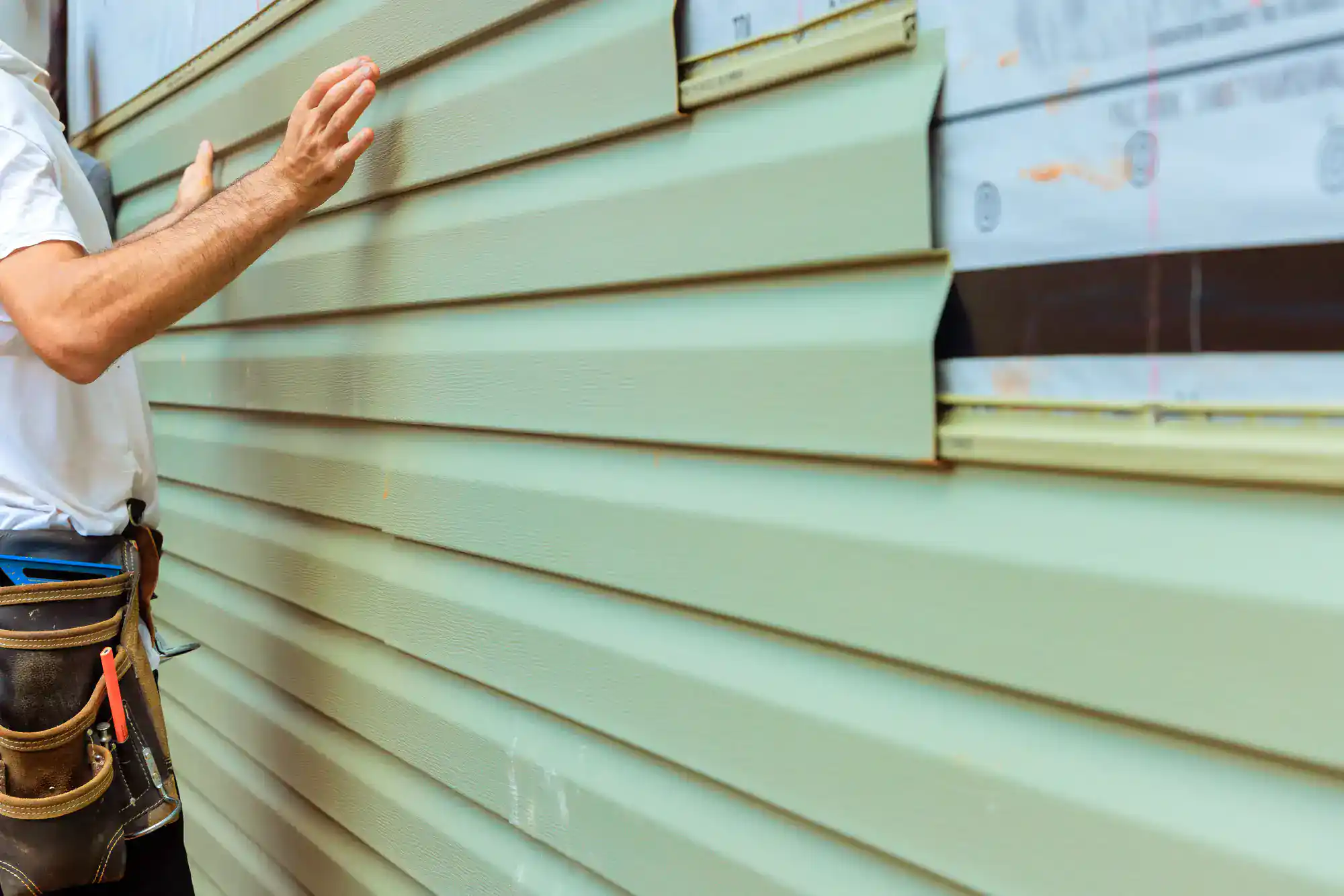
It starts with a free inspection where we identify what’s failing and why. We’re looking at the existing siding, but also what’s happening underneath—sheathing condition, moisture damage, insulation gaps. You get a written estimate that breaks down materials, labor, and timeline.
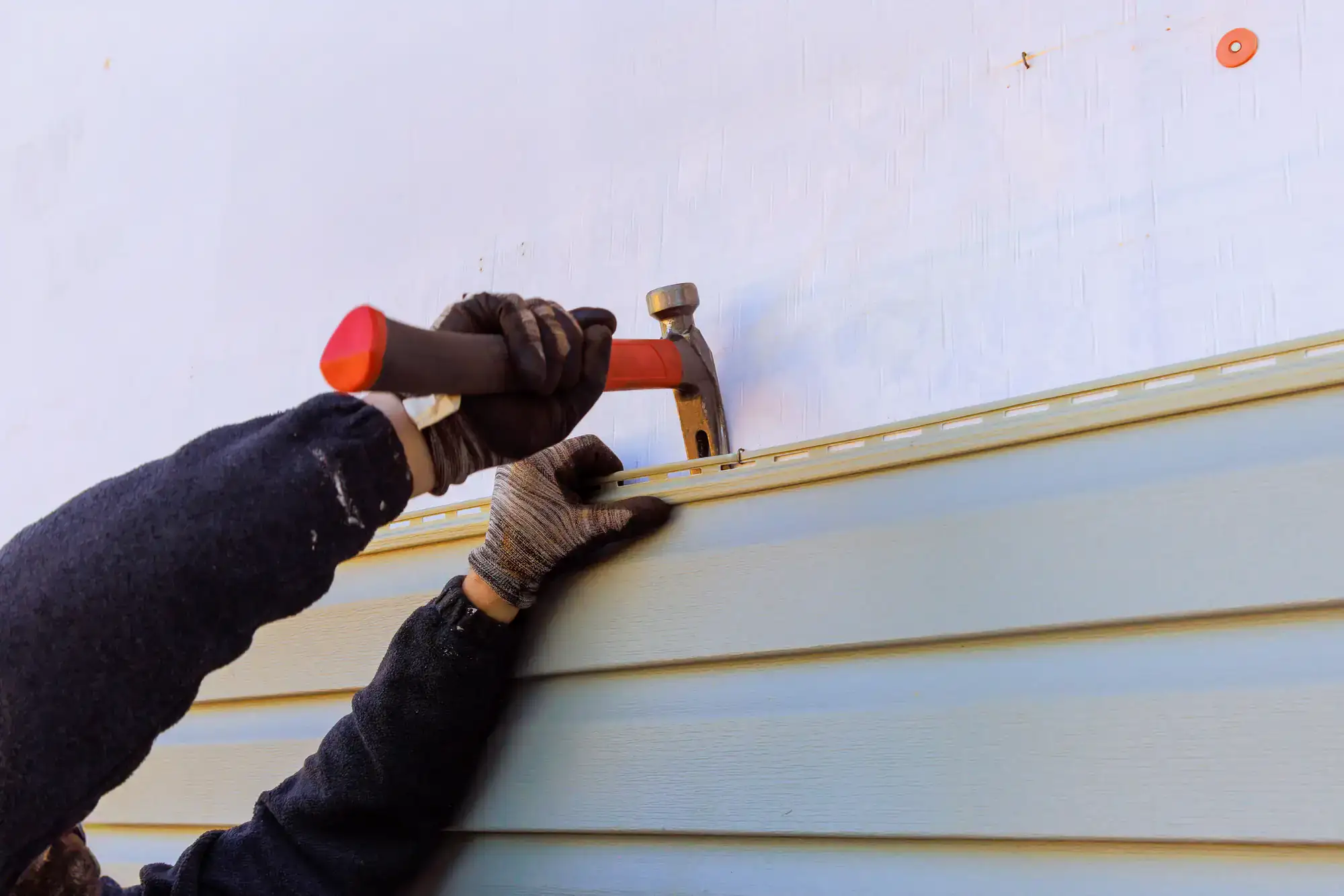
Once you approve, we pull permits and order materials. Most residential siding installation projects in West Sayville take one to two weeks depending on home size and weather. We strip the old siding, inspect and repair any underlying damage, install proper moisture barriers, then mount the new siding with correct fastening for wind resistance.
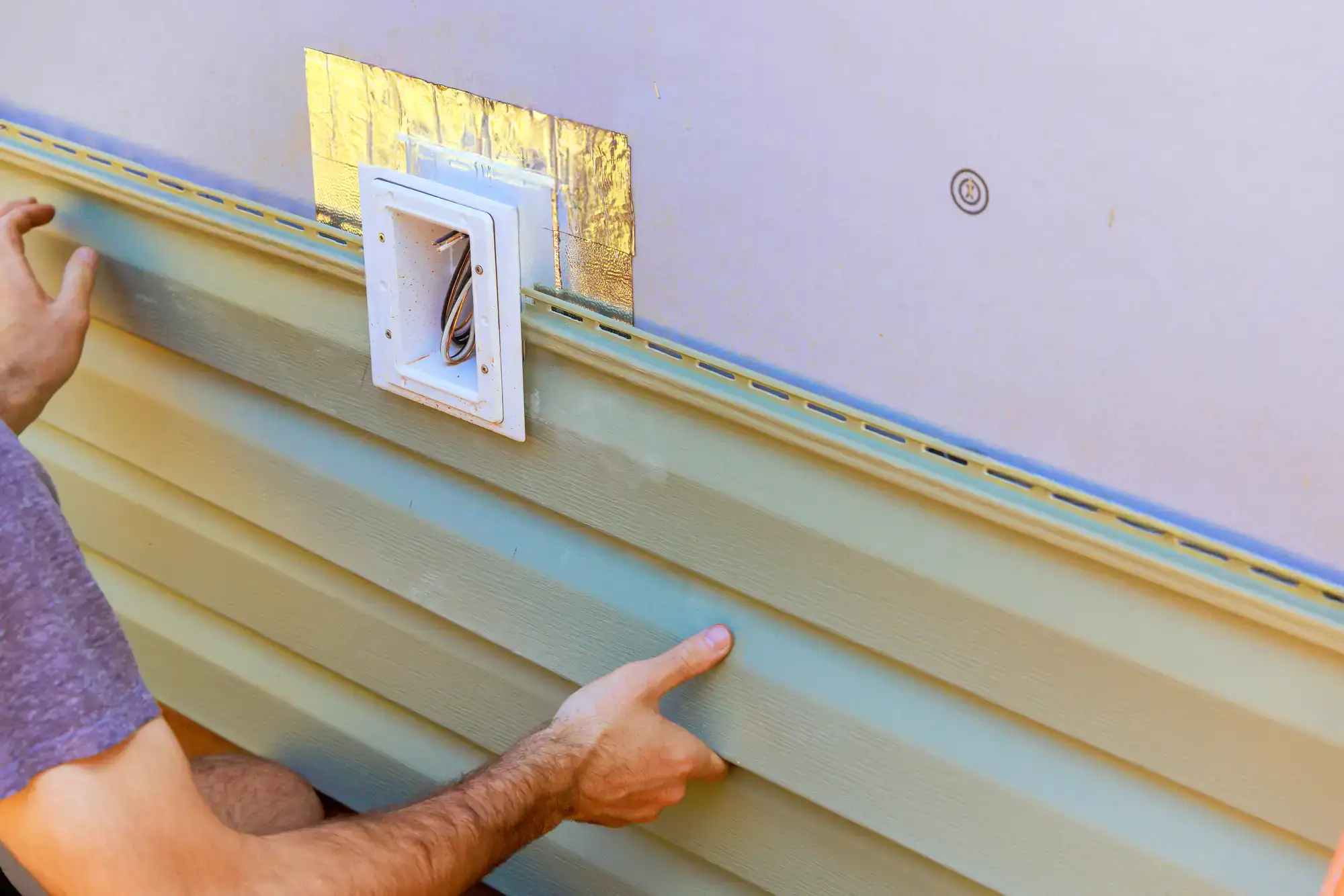
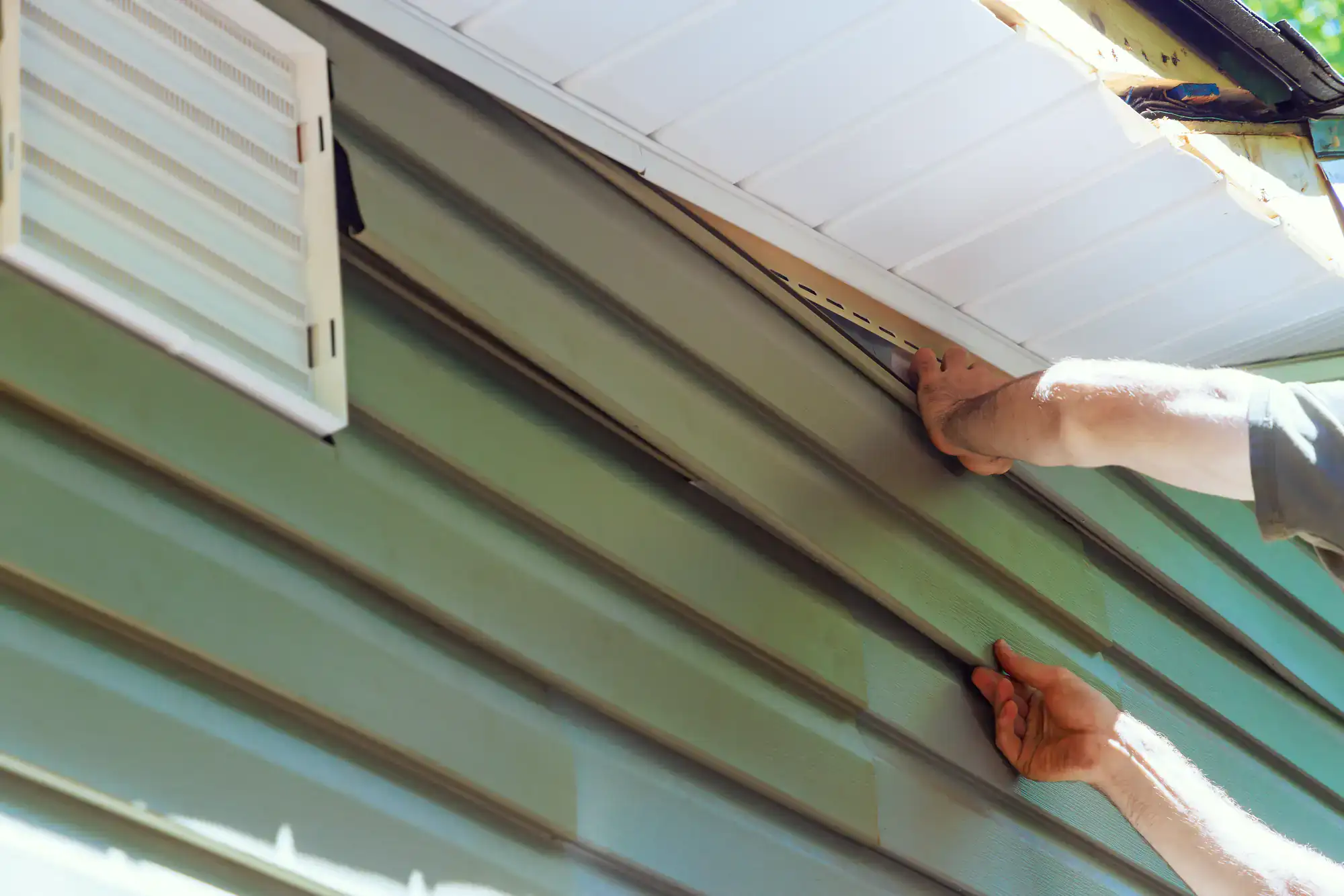
Every panel gets checked for level and proper overlap. Flashing goes around every window and door. Trim work gets sealed against water intrusion. When we’re done, you walk the property with us to confirm everything meets your expectations before final payment.
Ready to get started?
Vinyl siding remains popular in West Sayville because it handles salt air without corroding and doesn’t need repainting. We install premium vinyl with proper expansion gaps so panels don’t buckle during summer heat. Fiber cement siding costs more upfront but outlasts vinyl by a decade or more—it won’t crack from impact and resists moisture better than any other option.
Cedar siding gives you that natural look, but it requires maintenance in coastal climates. We install it with proper ventilation and finish to extend its lifespan. Some homeowners go with engineered wood products that mimic cedar’s appearance without the rot risk.
Color trends in Suffolk County have shifted toward darker tones—charcoal, navy, deep green—which hide salt residue better than light colors. We’re seeing more mixed-material installations too, combining fiber cement lap siding with cedar shake accents. Whatever you choose, we match it to your home’s architecture and your maintenance preferences, not just what’s trendy.
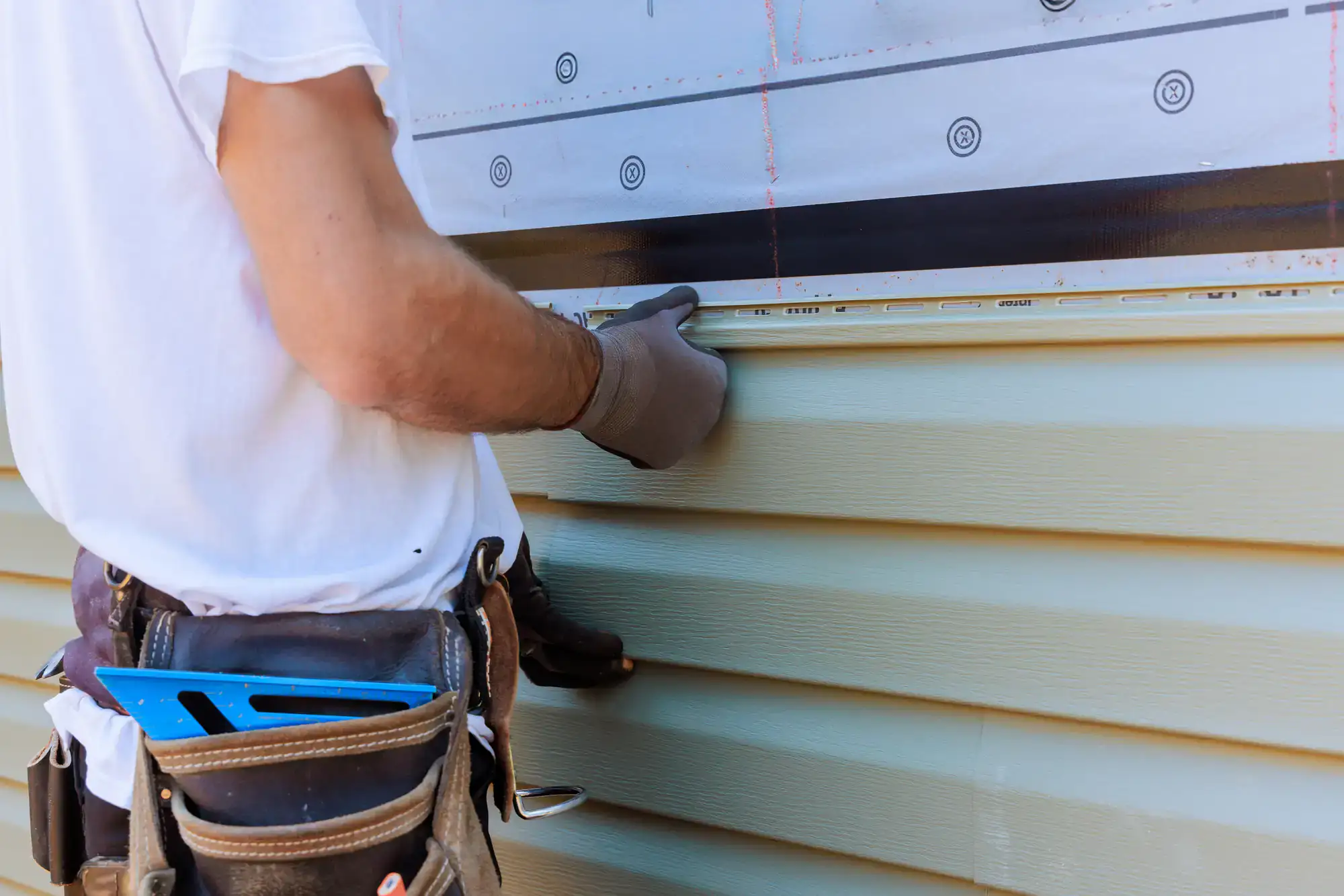
Most residential siding installation projects take seven to ten working days for an average-sized home. That timeline assumes decent weather and no major underlying damage when we remove the old siding.
If we find rotted sheathing or framing once the old siding comes off, we repair it before installing new material. That can add a few days, but it’s not optional—new siding over damaged structure just hides problems until they get worse.
Weather delays happen more often in winter and early spring. We don’t install in heavy rain or when temperatures drop below the manufacturer’s minimum for the adhesives and caulking we use. Rushing the job in bad conditions creates failures down the road, so we’d rather pause and do it right.
Fiber cement handles coastal conditions better than anything else. It doesn’t rot, won’t get eaten by insects, and salt air doesn’t degrade it. James Hardie fiber cement is what we install most often for homeowners who want to stop dealing with siding problems.
Vinyl works well too if you choose thicker gauges designed for wind resistance. Cheap vinyl cracks in cold weather and warps in summer heat, but premium vinyl with proper installation holds up for twenty-plus years. It costs less than fiber cement but won’t last quite as long.
Wood siding looks great but requires regular maintenance near the water—sealing, painting, checking for rot. If you’re willing to stay on top of it, cedar can last decades. If you want to install it and forget about it, fiber cement or vinyl makes more sense.
If your current siding has gaps, cracks, or poor insulation behind it, new siding installation will reduce your heating and cooling costs. How much depends on what you’re replacing and what insulation we add during installation.
We typically install insulated vinyl or add rigid foam insulation behind fiber cement. That creates a thermal barrier your old siding probably doesn’t have. Homeowners usually see a ten to fifteen percent drop in energy bills, sometimes more if the old siding was really failing.
The bigger benefit is comfort. Drafty rooms get fixed when we seal the building envelope properly. Your HVAC system doesn’t have to work as hard, which extends its lifespan on top of the energy savings.
If damage covers more than thirty percent of your siding, replacement makes more financial sense than patching. Isolated damage from a fallen branch or a single cracked panel—that’s repairable. Widespread cracking, fading, warping, or water stains showing up inside your walls—that’s replacement territory.
Age matters too. Vinyl siding older than twenty years and wood siding past thirty years is living on borrowed time in Suffolk County’s climate. You might get a few more years with repairs, but you’re likely looking at replacement within five years anyway.
We’ll give you an honest assessment during the free inspection. Sometimes repairs buy you time to budget for full replacement. Sometimes the underlying damage means waiting will just cost you more when rot spreads to the framing.
Yes. New York requires home improvement contractors to carry liability insurance and workers’ compensation coverage. Any siding installers working on your home should provide proof of both before starting work.
We’re licensed, insured, and bonded. That protects you if someone gets injured on your property or if something gets damaged during installation. Unlicensed contractors might charge less, but you’re liable if something goes wrong—and you have zero recourse if they do substandard work.
Suffolk County also requires permits for siding replacement in most cases. We handle the permit process as part of the job. Contractors who suggest skipping permits to save money are setting you up for problems when you sell the house or file an insurance claim.
You get two warranties—one on the materials from the manufacturer and one on our installation workmanship. Material warranties vary by product but typically run twenty-five to fifty years for vinyl and thirty years to lifetime for fiber cement.
Our workmanship warranty covers installation defects for five years. If panels come loose, trim pulls away, or flashing fails because of how we installed it, we come back and fix it at no charge. Normal wear and damage from impacts or extreme weather aren’t covered, but installation failures are.
Manufacturer warranties usually require professional installation to remain valid. DIY siding jobs or work by unlicensed contractors void most material warranties, which is one more reason to hire qualified exterior siding contractors from the start.
Other Services we provide in West Sayville