
Hear from Our Customers
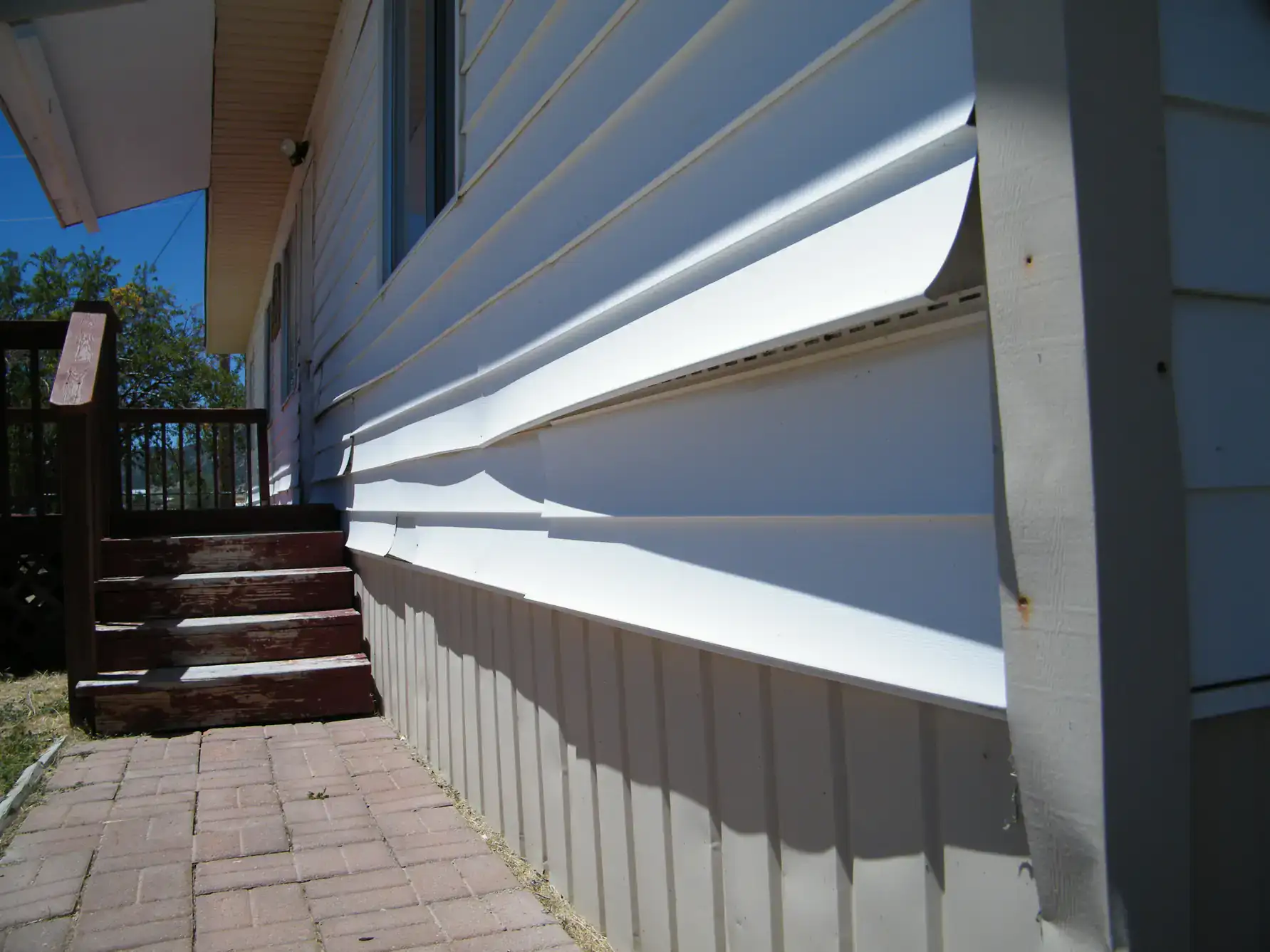
That rattling panel after last week’s storm isn’t just annoying. It’s a gap where wind-driven rain gets behind your siding, soaking into sheathing and insulation you can’t see until the damage costs thousands to fix.
You’re dealing with coastal weather that hits harder than most people realize. Suffolk County gets nor’easters with sustained 60+ mph winds. Salt air makes vinyl brittle faster than it would twenty miles inland. And every crack or loose section becomes a bigger problem with each storm cycle.
Professional siding repair in Brookhaven means catching these issues before water finds its way to your framing. It means matching your existing material so the fix doesn’t stand out. And it means using installation methods designed for the weather conditions your home actually faces, not what works in some landlocked suburb.
SkyLuxe Construction is a family-owned company with decades of experience handling roofing, siding, chimney, and gutter work across Suffolk County. We’ve seen what coastal weather does to homes in Brookhaven, and we know which materials hold up and which ones fail in three years.
We’re not the cheapest option, and that’s intentional. You’re paying for repairs that last through multiple storm seasons, not quick patches that look fine until the next nor’easter rolls through. Our crews take the time to properly flash repairs, seal penetrations, and match materials so your fix doesn’t become obvious the moment someone pulls into your driveway.
Most siding repairs in Brookhaven take one to three days depending on extent of damage. We document everything for insurance claims if storm damage is involved, and we’ll walk you through what’s covered versus what’s considered maintenance.
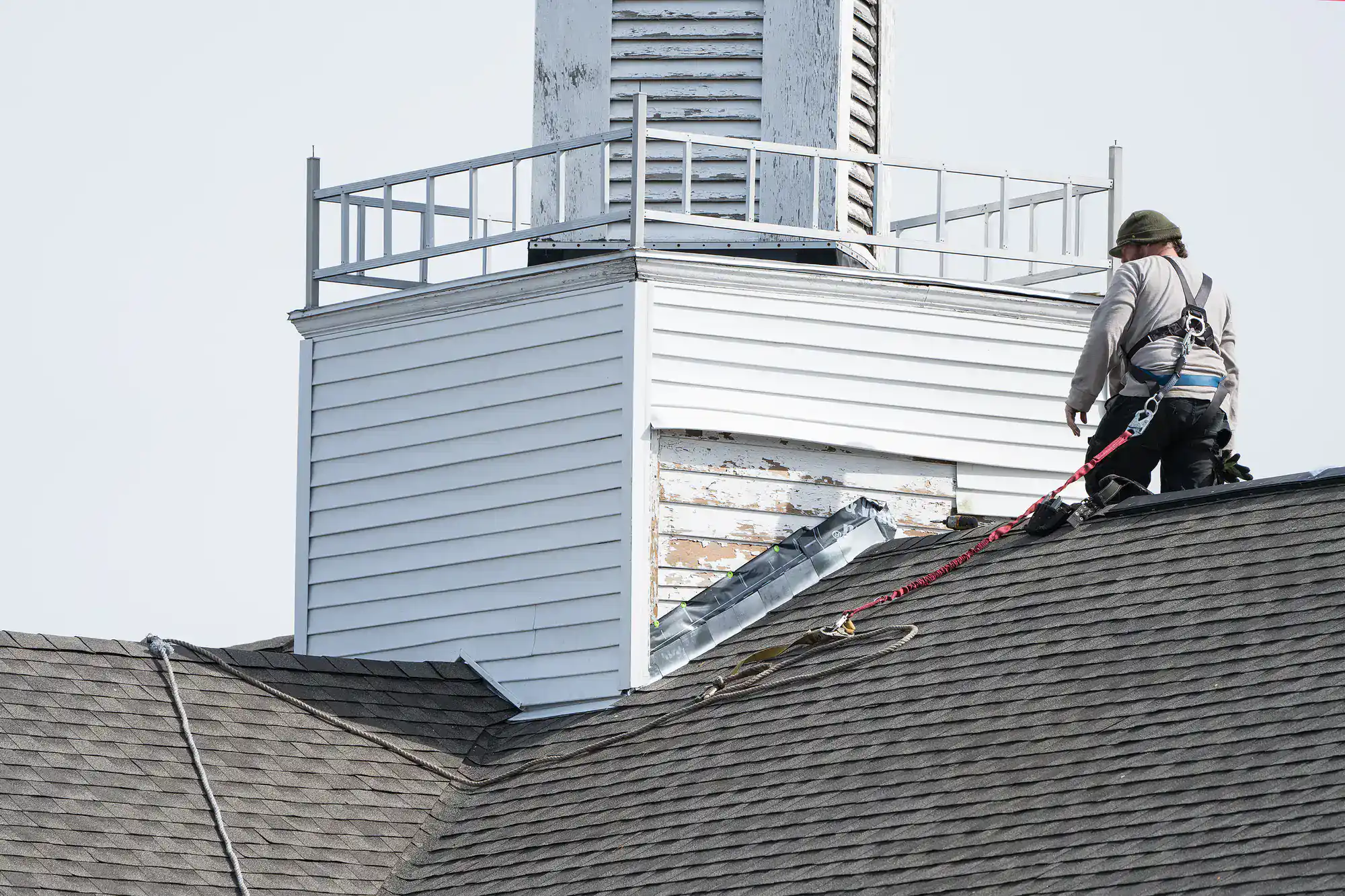
First, we assess the actual damage, not just what you can see from the ground. Loose vinyl siding often means the fasteners failed or the panel warped from heat cycles. Cracks in fiber cement usually indicate impact damage. Wood rot means water’s been getting in for a while.
We’ll tell you what needs immediate attention and what you can monitor. A small crack in one panel might cost $150 to fix today. Ignore it, and you’re looking at $2,000 in water damage repairs six months from now when that crack lets rain reach your sheathing.
Once you approve the scope, we order materials that match your existing siding. That’s harder than it sounds—discontinued colors, specific textures, older profiles that aren’t standard anymore. We keep relationships with suppliers who can source matches for homes built twenty years ago.
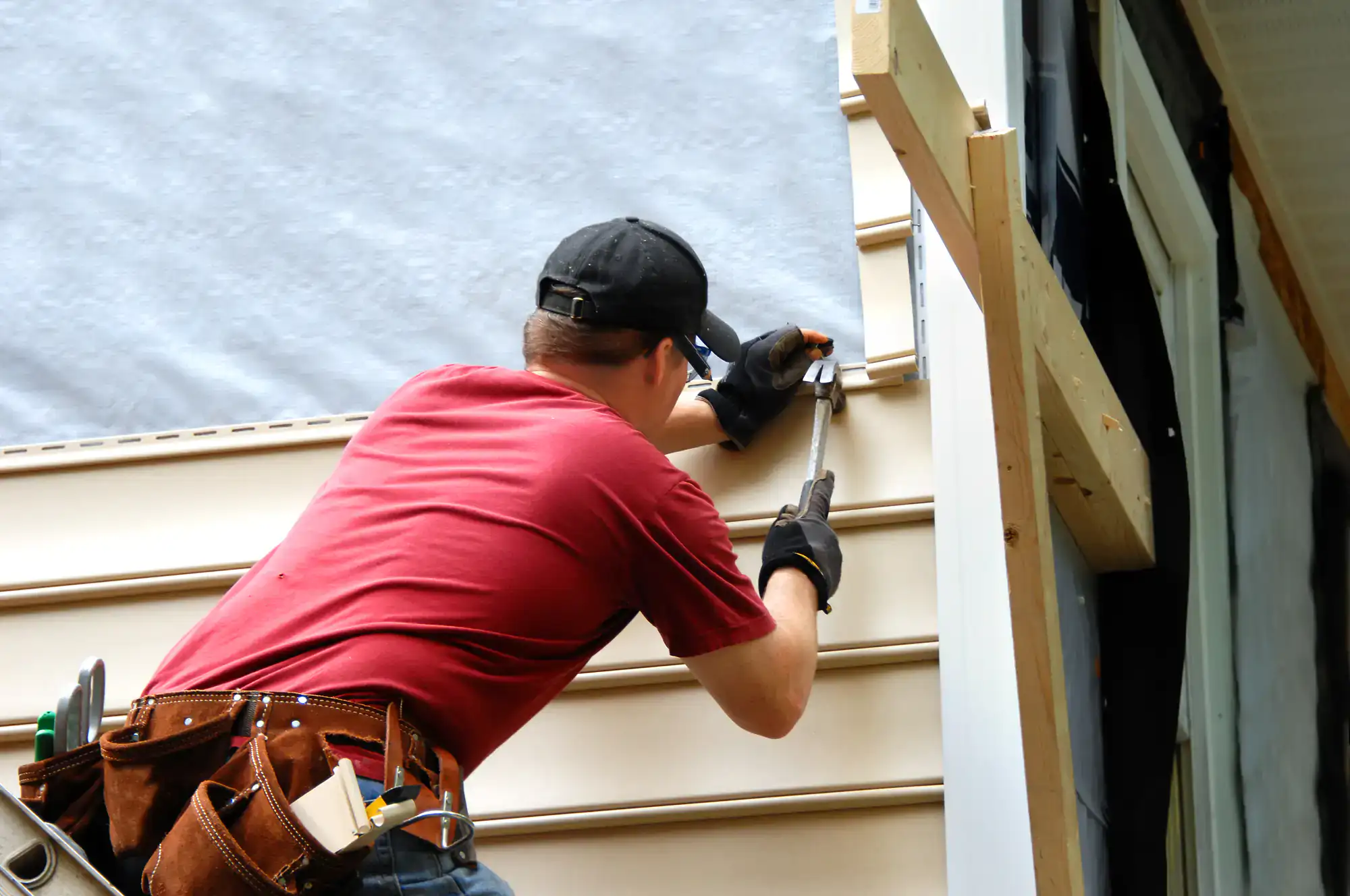
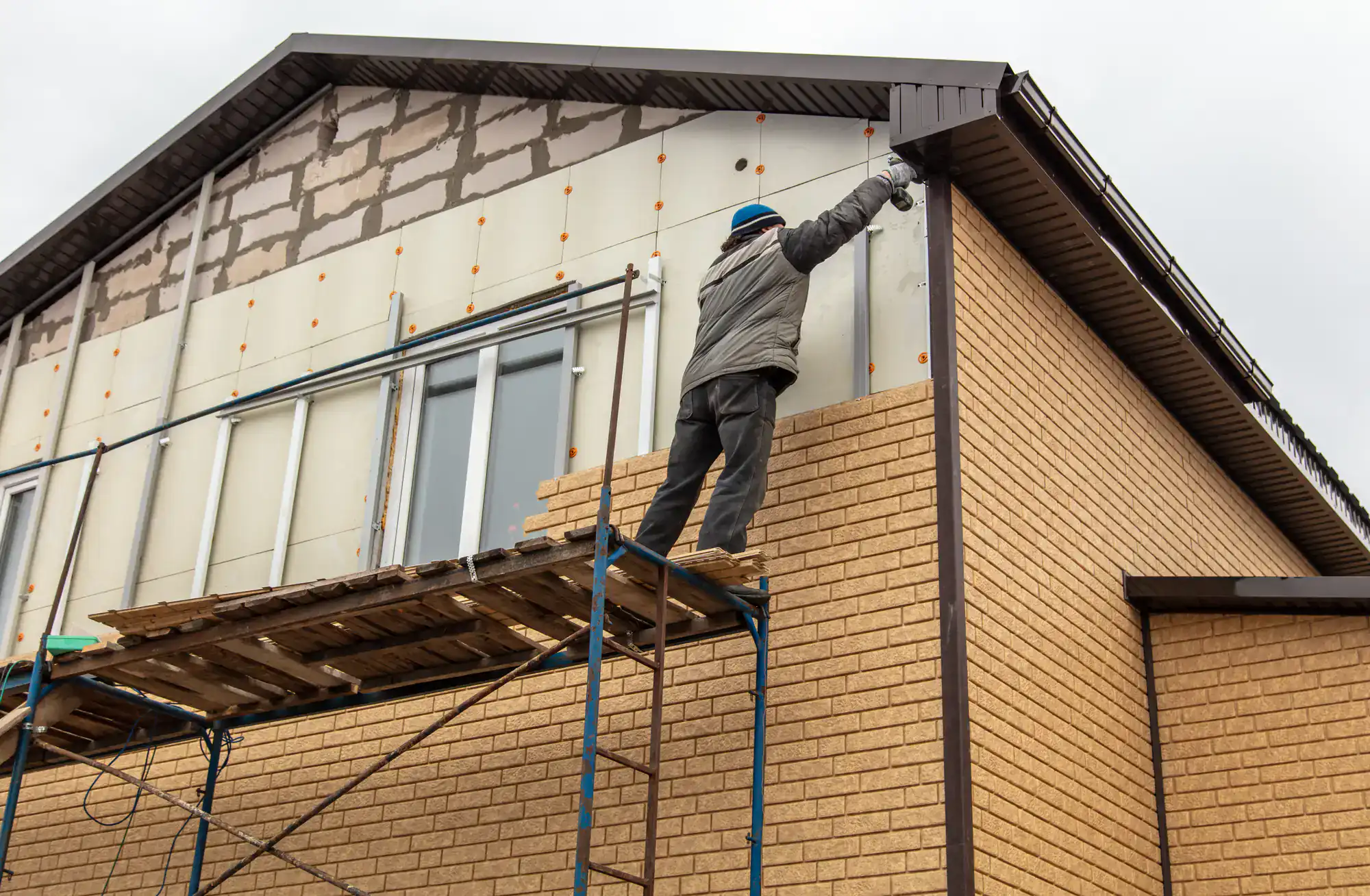
The repair itself involves removing damaged sections, checking what’s behind them for hidden water damage, replacing any compromised sheathing or house wrap, then installing new siding with proper overlap and fastening. We’re checking that J-channels around windows are sealed, that flashing is directing water away from vulnerable spots, and that everything’s secured to handle wind loads.
Ready to get started?
We handle vinyl siding repair, fiber cement fixes, wood rot replacement, aluminum siding repairs, and trim work. That includes storm damage from wind and hail, impact damage from fallen branches, woodpecker holes in cedar siding, and deterioration from age and salt air exposure.
Brookhaven homes face specific challenges. You’re close enough to the water that salt accelerates aging. You get the full force of coastal storms. And humidity cycles here are tough on any material that expands and contracts. We account for that in material selection and installation methods.
Cost depends on extent of damage. Fixing a few loose vinyl panels runs $200-$500. Replacing a section damaged by a fallen tree branch might be $1,000-$1,500. Extensive storm damage requiring multiple wall sections can reach $3,000+. We’ll give you a clear number before starting work.
Most repairs are done in one to three days. Simple fixes—patching holes in vinyl siding, replacing a few cracked panels, reattaching loose sections—often happen in a single day. Larger jobs involving rot repair or significant storm damage take longer because we’re addressing what’s behind the siding, not just the surface.
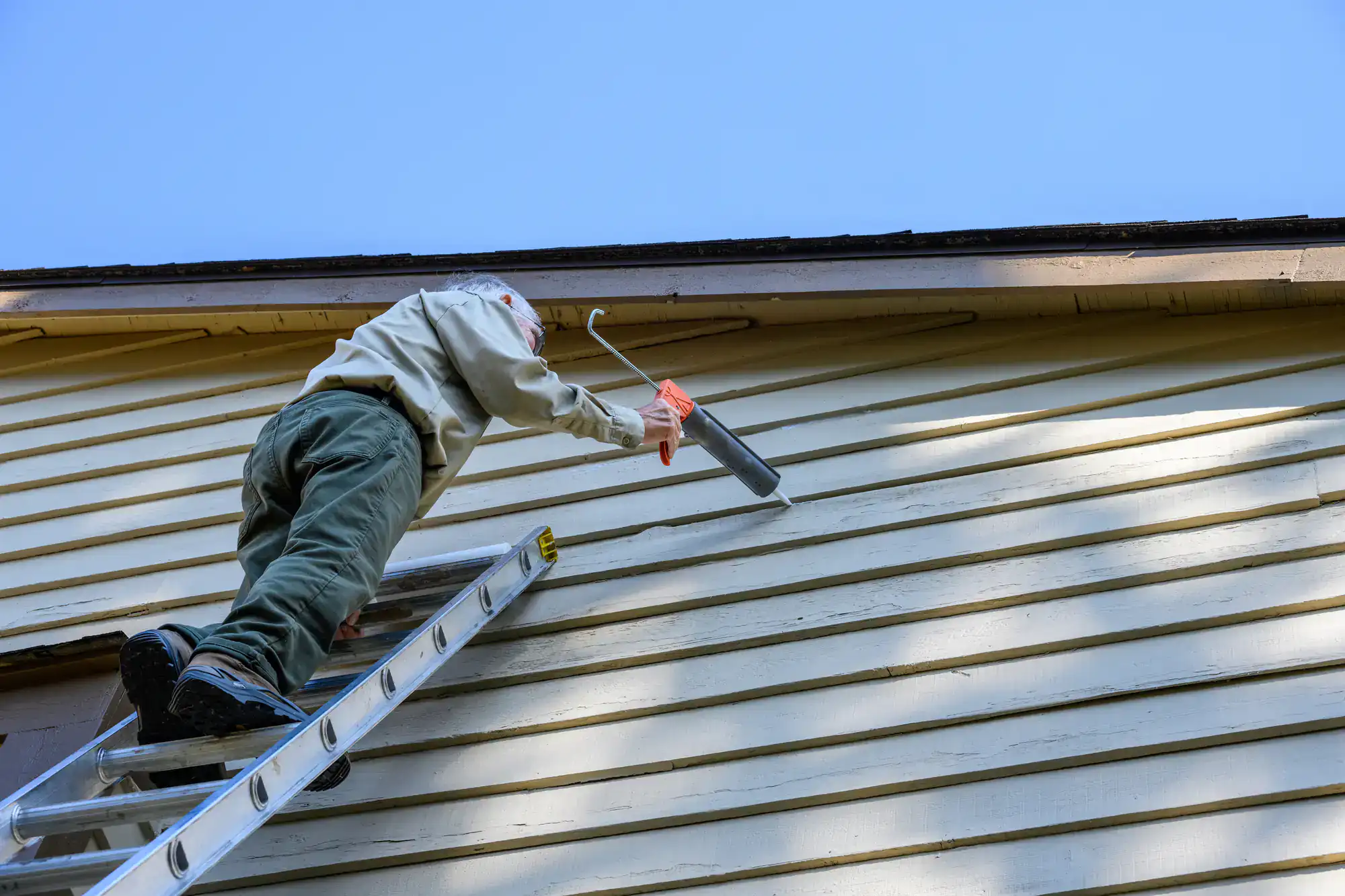
Minor vinyl siding repairs in Brookhaven typically run $200-$500. That covers things like reattaching loose panels, replacing a few cracked sections, or patching small holes. You’re paying for labor, materials to match your existing siding, and proper sealing to prevent water intrusion.
More extensive damage costs more. If a storm tore off multiple panels or a fallen branch damaged a large section, you’re looking at $1,000-$3,000 depending on how much material needs replacement and whether there’s hidden damage to sheathing or house wrap underneath.
The real cost issue is waiting. A small crack you could fix for $150 today becomes a $2,000 water damage problem if you let it go. Water gets behind failed siding and soaks into materials you can’t see until you’ve got soft spots, mold, or structural issues that require tearing into walls.
Yes, but it takes effort. Matching existing siding means identifying the manufacturer, product line, color code, and profile. Some of that information is on the original paperwork from when your home was built or re-sided. Most of the time, we’re working from samples and supplier databases.
Discontinued colors are the challenge. Manufacturers change product lines every few years. If your siding is more than ten years old, there’s a good chance the exact color isn’t made anymore. We work with suppliers who stock overruns, source from distributors with old inventory, or find the closest current match.
Texture and profile matter as much as color. Dutch lap looks different than traditional lap. Different manufacturers have different panel widths and shadow lines. We bring samples to your home so you can see how potential matches look in actual daylight next to your existing siding, not under fluorescent lights in a showroom.
Most residential siding repairs take one to three days. Simple fixes—reattaching loose panels, replacing a few cracked sections, patching holes—often happen in a single day. We show up, remove damaged material, check what’s behind it, install replacements, seal everything, and clean up.
Larger repairs take longer. If we’re dealing with rot that compromised sheathing, we need to replace structural components before installing new siding. Storm damage that affected multiple walls means more material to remove, more area to inspect, and more installation time.
Weather affects scheduling. We can’t install siding in heavy rain or when temperatures drop below manufacturer minimums. Adhesives don’t cure properly in cold weather. Wind makes it dangerous to work on scaffolding. We’ll give you a realistic timeline based on forecast and scope of work, and we’ll tell you if conditions push the schedule back.
It depends on what caused the damage and what your policy covers. Wind damage from nor’easters and hurricanes is typically covered under your homeowners policy, subject to your deductible. In Suffolk County, that’s usually a 2% wind/hurricane deductible, which on a $400,000 home means you’re paying the first $8,000.
Hail damage is generally covered. Impact damage from falling trees or branches is covered. Gradual deterioration from age, salt air, or lack of maintenance isn’t covered. Insurance pays for sudden, covered events—not for siding that failed because it’s twenty years old and you never maintained it.
Documentation matters. We photograph damage, note wind speeds from the storm date, and provide detailed estimates that show what failed and why. We’ve worked with adjusters enough times to know what they need to approve claims. But we’re not public adjusters—we repair siding. If your claim is complicated or denied, you might need a professional claims advocate.
We fix it before installing new siding. Rot means water’s been getting behind your siding long enough to damage sheathing, house wrap, or even framing. You can’t just cover that up with new panels and hope it stops spreading.
First, we remove enough siding to see the full extent of rot. Sometimes a small visible problem on the surface means a much larger issue behind it. We cut out rotted sheathing, treat any affected framing, install new OSB or plywood, add proper house wrap and flashing, then install new siding over a solid, dry substrate.
This costs more than simple panel replacement because we’re doing carpentry work, not just siding installation. But it’s the only way to actually solve the problem. Covering rot with new siding just hides it until it gets worse. You’ll end up paying more later when the rot spreads to structural components that are expensive to replace.
Yes. After major storms, we prioritize calls where damaged siding is actively letting water into homes. If a section of siding got torn off and rain is hitting your sheathing or getting into your walls, that’s an emergency. We’ll get someone out to tarp or temporarily seal the opening, then schedule proper repairs as soon as possible.
Understand that after big storms, everyone with siding damage calls at once. We triage based on severity. Active water intrusion gets handled before cosmetic damage. A loose panel that’s rattling but still keeping water out can wait a few days. A missing section exposing your home’s interior to weather can’t.
If you’re filing an insurance claim, don’t wait for the adjuster to visit before calling us. Get the opening secured to prevent additional damage. Insurance companies expect you to mitigate losses. If you leave your home exposed and water damage gets worse, they can reduce your payout for failing to protect the property after the initial loss.
Other Services we provide in Brookhaven