
Hear from Our Customers
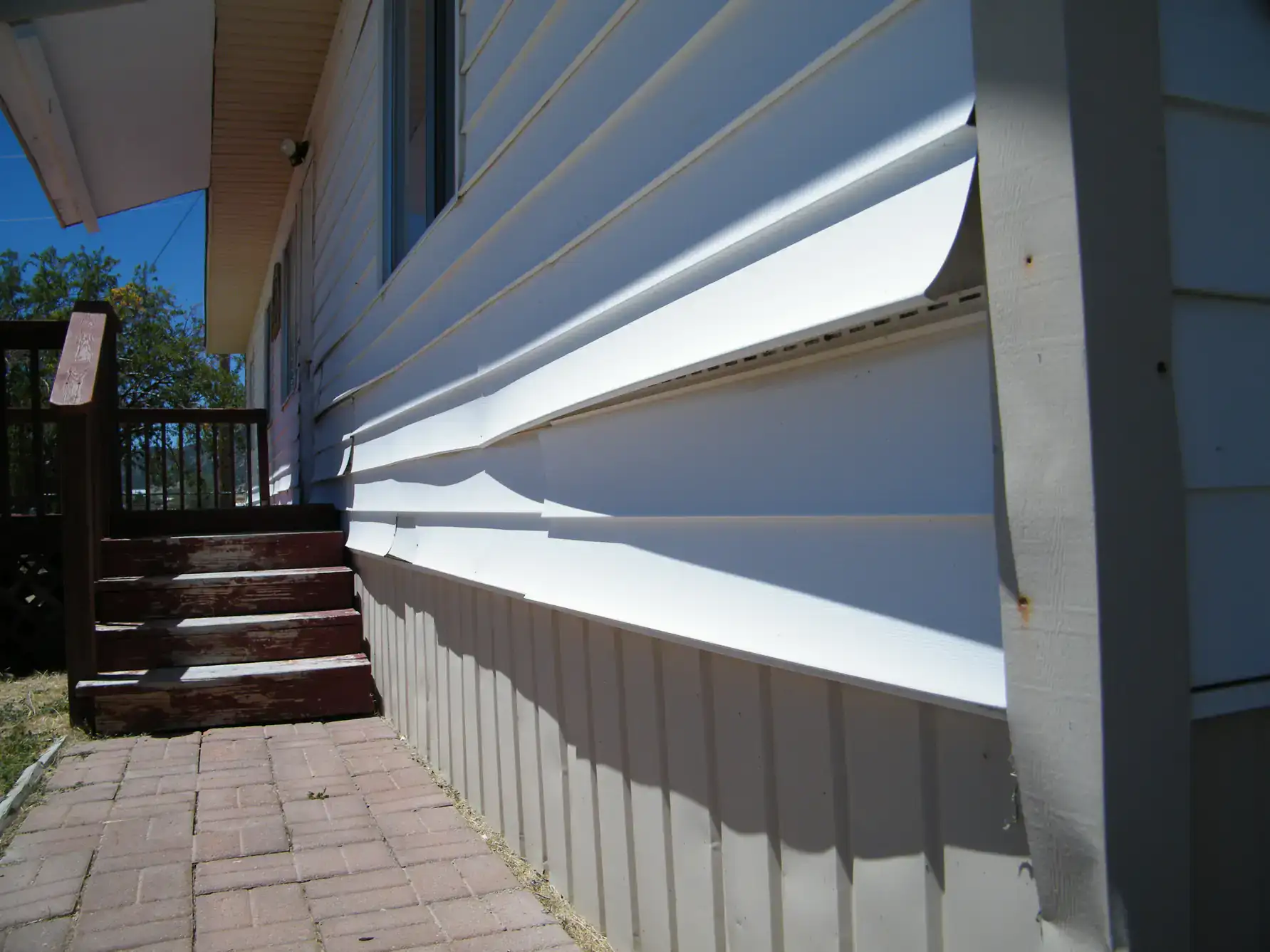
You hear that panel rattling every time the wind picks up. You see the crack near the corner that’s getting wider. Maybe you’ve already spotted water stains inside, or you’re just trying to catch the problem before it gets there.
Damaged siding repair in Huntington Station, NY isn’t about making your house look pretty—it’s about keeping water out. One loose panel creates an entry point. One crack lets moisture seep behind the surface. Left alone, that turns into rot, mold, and structural damage that costs exponentially more to fix.
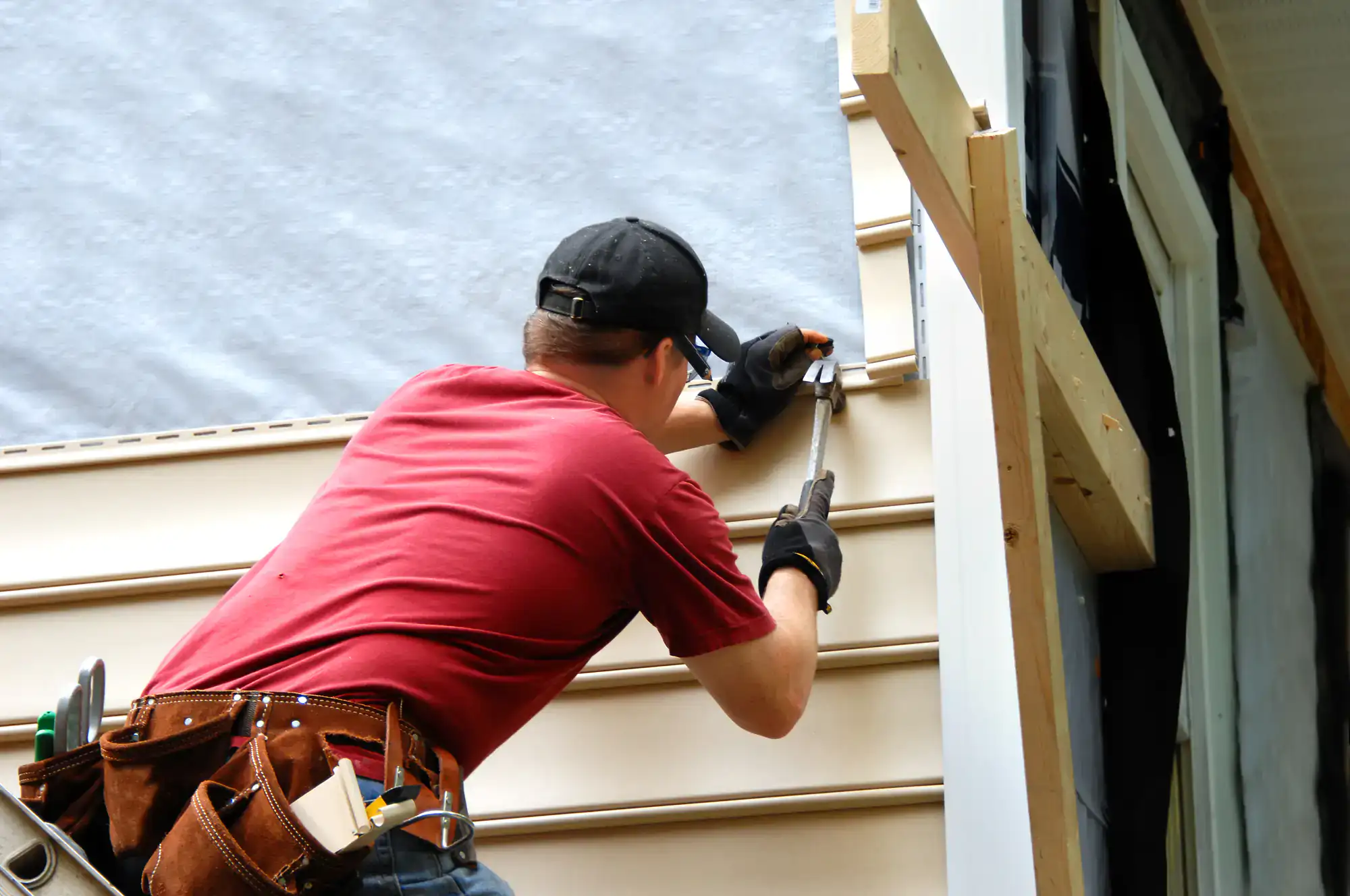
Vinyl siding repair stops the problem at the surface. You get the damaged section replaced or resealed, the water stays outside where it belongs, and your walls stay dry. Most repairs wrap up in a day or two, depending on how much needs attention. You’re not looking at weeks of disruption or a full replacement unless the damage has spread too far.
We’ve been handling siding repair in Huntington Station, NY and across Suffolk County for over three decades. We’ve seen what nor’easters do to vinyl siding. We’ve patched homes after Hurricane Sandy. We know exactly how salt air, temperature swings, and coastal humidity break down exterior materials over time.
You’re not getting a crew that learned about Long Island weather from a manual. You’re working with a family-owned team that’s repaired more than 2,000 homes in this area. We show up, assess what’s actually wrong, and fix it without pushing you toward a full replacement if you don’t need one.
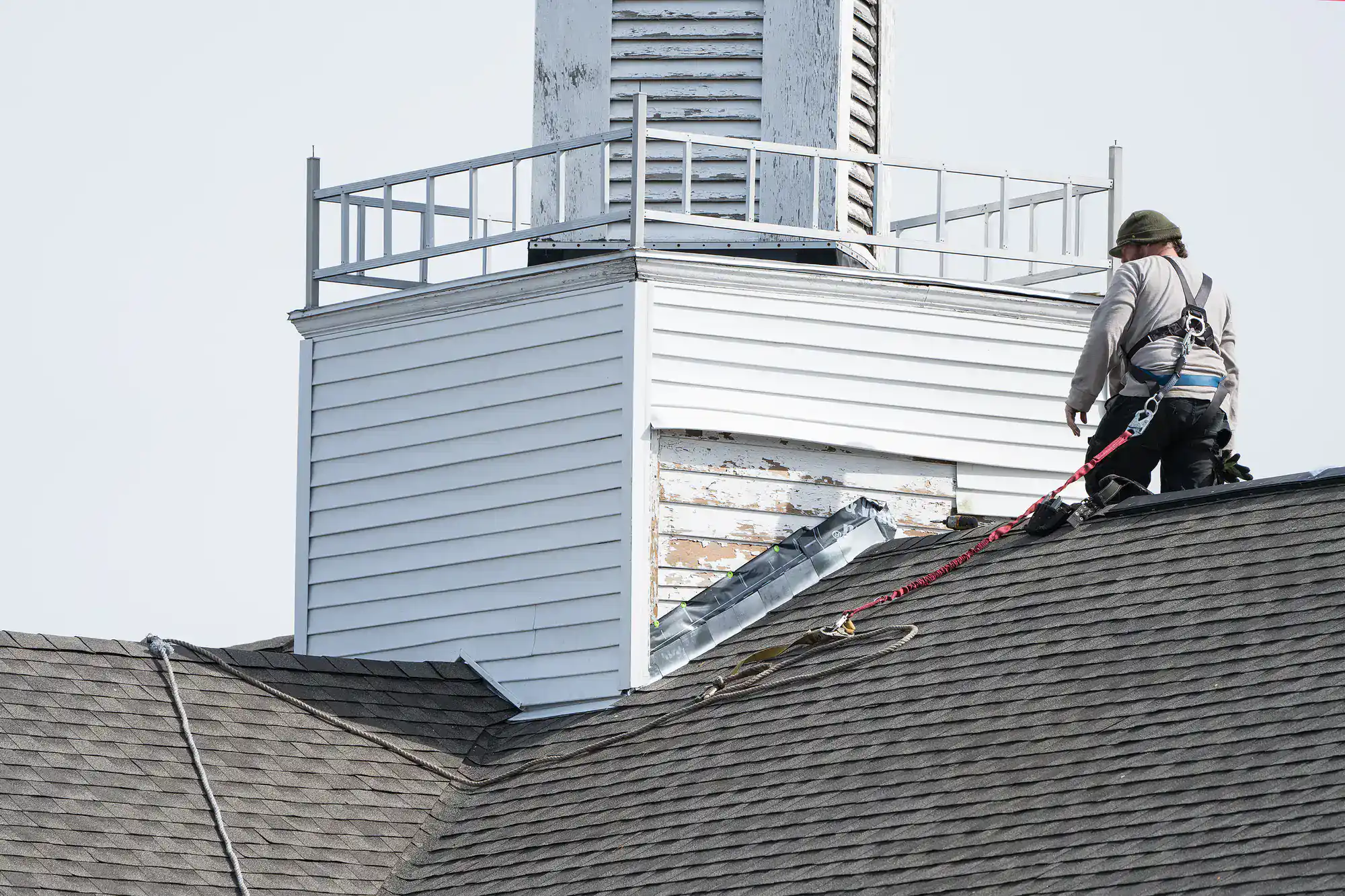
You call or fill out a form. We schedule a free inspection at your Huntington Station home—no pressure, no obligation. Our team examines the damaged area, checks for hidden issues like water infiltration or rot behind the panels, and gives you a clear breakdown of what needs repair.
If it’s a simple fix—loose siding, a cracked panel, a small hole—we can often handle it the same day or within 48 hours. Larger jobs, like siding rot repair or extensive storm damage, might take a few days depending on material availability and scope. Either way, you know the timeline upfront.
We remove the damaged sections, install new materials that match your existing siding, and seal everything properly so water can’t get through. If we find flashing issues, trim damage, or other vulnerabilities during the repair, we address those too. You don’t want to fix the siding only to have water sneak in somewhere else.
Ready to get started?
Siding repair cost in Huntington Station, NY depends on the extent of damage and material type. Small repairs—patching holes in vinyl siding, fixing a few loose panels, replacing cracked sections—typically run between $250 and $600. Larger repairs involving siding rot, extensive storm damage, or multiple sides of your home can range from $2,000 to $8,000.
Vinyl siding repair tends to be the most affordable because materials are accessible and installation is straightforward. Cedar siding repair, especially woodpecker damage, costs more due to material expense and the carpentry work involved. Aluminum siding trim repair falls somewhere in the middle, depending on whether we’re patching or replacing entire sections.
Suffolk County homes deal with specific challenges that affect repair needs. Salt air accelerates deterioration, causing vinyl to crack and fade faster than inland homes experience. Coastal storms bring wind-driven rain that finds every gap in your siding. Winter nor’easters dump heavy snow that sits against your foundation, and temperature swings make materials expand and contract, creating new vulnerabilities each season.
If your siding is leaking, that’s not something to wait on. Water doesn’t stay in one spot—it travels through wall cavities, soaks insulation, and creates conditions for mold growth. The longer you wait, the more expensive the fix becomes.
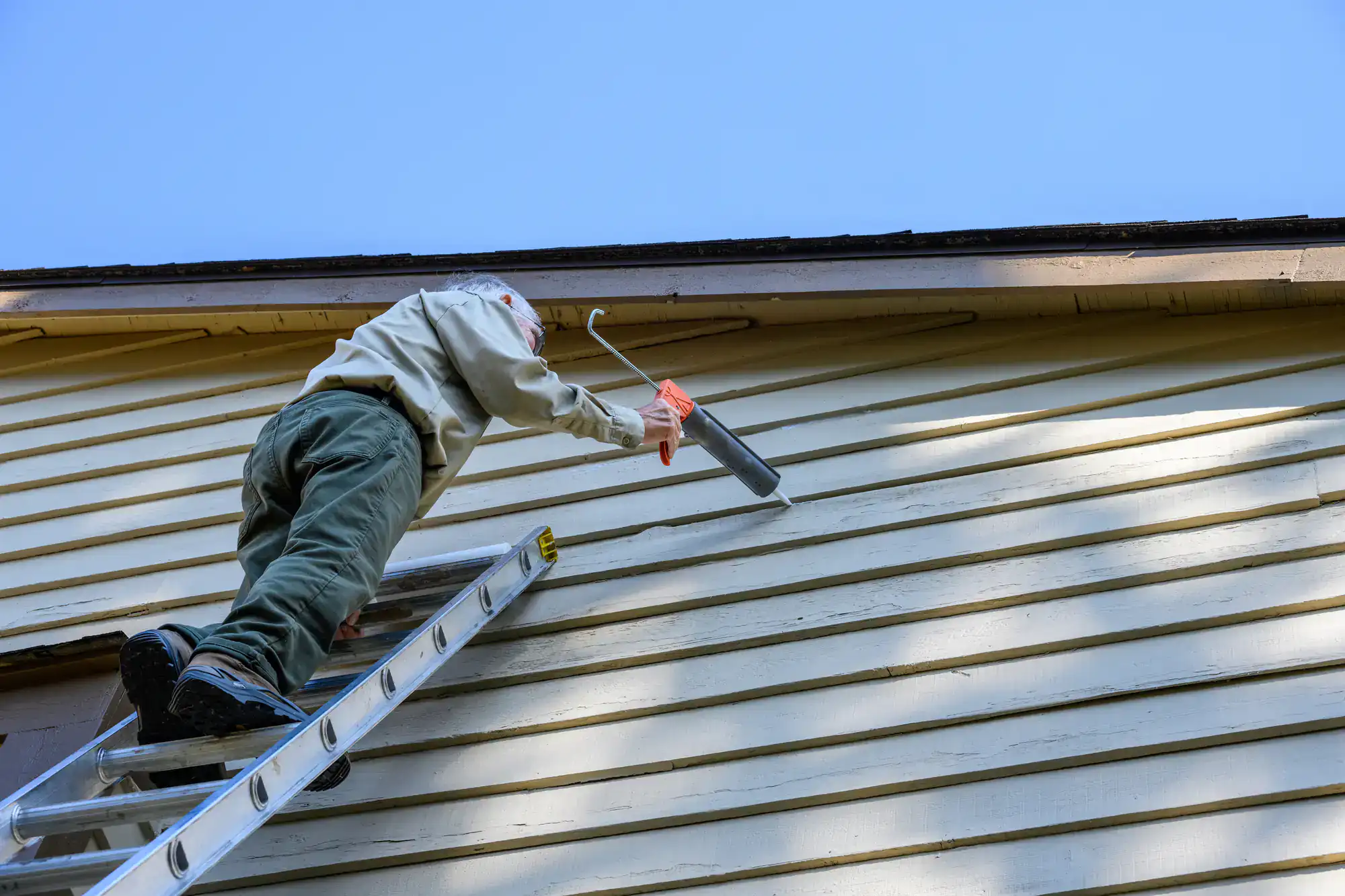
Most of the time, you can repair just the damaged section without replacing an entire wall. If a few panels are cracked, loose, or punctured, we remove those specific pieces and install new ones that match your existing siding. Vinyl siding is designed to interlock, so individual panels come out and go back in without affecting the rest of the wall.
The exception is when damage has spread behind the surface. If water has been getting in for a while, you might have rot in the sheathing or framing underneath. At that point, we need to remove more siding to access and repair the structural damage before reinstalling exterior panels. We assess that during the inspection so you know exactly what you’re dealing with before any work starts.
Color matching can be tricky with older siding because UV exposure fades the original material over time. We do our best to match the current color and texture, but there may be a slight difference in shade. If your siding is severely faded or discontinued, a full side replacement might make more sense than patching—but that’s your call, and we’ll give you the honest pros and cons of each option.
Simple repairs—fixing a few loose panels, patching a small hole, replacing a cracked section—usually take a few hours to half a day. If we’re addressing siding rot repair or damage that involves multiple areas of your home, expect one to three days depending on the scope.
Weather plays a role in timing, especially in Huntington Station where coastal conditions can be unpredictable. We can’t install siding in heavy rain or freezing temperatures because adhesives and sealants won’t set properly. If a storm rolls in mid-project, we pause and resume once conditions allow. That said, most repairs happen quickly enough that weather delays are rare.
Material availability also affects timeline. Common vinyl siding colors and styles are usually in stock or available within a day or two. Specialty materials, custom colors, or older siding types that have been discontinued might take longer to source. We let you know upfront if there’s a wait for materials so you can plan accordingly.
Coastal weather is the biggest culprit. Nor’easters bring high winds that rip panels loose or drive debris into your siding. Salt air accelerates aging, causing vinyl to become brittle and crack over time. Temperature swings—freezing winters and hot, humid summers—make siding expand and contract, which creates gaps where moisture seeps in.
Storm damage is common after heavy rain or wind events. Flying branches, hail, and wind-driven debris puncture or dent siding. Even if the damage looks minor on the surface, it can create an entry point for water that leads to bigger problems down the line.
Animals cause their share of issues too. Woodpeckers drill into cedar siding looking for insects, leaving holes that need patching. Squirrels and raccoons sometimes claw at siding trying to access attics or wall cavities. Insects like carpenter ants and termites damage wood siding from the inside out, weakening panels until they crack or rot.
Poor installation or aging materials also lead to failure. If the original siding wasn’t installed with proper flashing, water gets behind the panels and causes rot. Older vinyl becomes brittle after years of UV exposure and starts cracking along seams. Aluminum siding dents easily and, once the protective coating is scratched, can corrode in salty coastal air.
It depends on what caused the damage. If a storm, falling tree, or sudden event damaged your siding, homeowners insurance typically covers the repair. Wind damage from a nor’easter, hail dents, or impact from flying debris during a storm usually qualifies for a claim.
Gradual wear and tear doesn’t get covered. If your siding is cracking because it’s old, fading from sun exposure, or deteriorating from salt air, insurance won’t pay for that. Maintenance-related issues—loose panels that weren’t secured properly, rot from a slow leak—fall under homeowner responsibility, not covered events.
Animal damage is hit or miss. Some policies cover it, others don’t. Woodpecker holes in cedar siding or raccoon damage might be covered under certain policies, but you’ll need to check your specific terms. Insect damage like termites or carpenter ants almost never gets covered because it’s considered preventable with regular maintenance.
If you’re filing a claim, document everything. Take photos of the damage from multiple angles, note the date you discovered it, and keep records of any temporary repairs you make to prevent further damage. Insurance companies want proof that the damage happened suddenly and wasn’t a long-term issue you ignored. We can provide a detailed assessment and work directly with your insurance adjuster if needed to make sure the claim reflects the actual scope of repair required.
Small holes—like those from nails, screws, or minor punctures—can often be patched without replacing the entire panel. We use a vinyl siding repair kit that includes a patch piece and adhesive designed to bond with the existing material. The patch gets placed behind the hole, sealed, and blended as much as possible with the surrounding surface. It’s not invisible, but it stops water infiltration and prevents the damage from spreading.
Larger holes or cracks usually require panel replacement. If the hole is bigger than a few inches, or if the panel is cracked along a seam, patching won’t hold up long-term. Vinyl siding relies on interlocking edges to stay secure and weatherproof. Once that integrity is compromised, the panel needs to come out and a new one goes in.
If the hole is near a seam or corner, replacement is almost always the better option. Patching in those areas doesn’t provide a reliable seal, and you’ll likely end up with water getting behind the siding anyway. We assess the location and size of the damage during the inspection and recommend the most durable fix. Sometimes spending a little more upfront to replace the panel saves you from having to redo the repair a year later.
If the damage is isolated to a few panels or one section of your home, repair makes sense. A couple of cracked pieces, a small area of storm damage, or a few loose panels don’t justify replacing all the siding. You fix what’s broken, and the rest stays intact.
Full replacement becomes necessary when damage is widespread or the underlying structure is compromised. If you’re seeing rot in multiple areas, large sections of siding are cracked or warped, or water has been infiltrating behind the panels for an extended period, repair won’t solve the problem. At that point, you’re better off replacing the siding entirely so you’re not constantly chasing new issues.
Age and condition also factor in. If your siding is 20+ years old, heavily faded, and showing signs of brittleness, repairing one section might not be worth it. Older vinyl becomes fragile, and new damage will keep appearing. Replacing everything gives you a fresh start with modern materials that hold up better against Suffolk County’s coastal conditions.
We give you an honest assessment during the inspection. If repair is the smarter move, we’ll tell you. If replacement makes more sense long-term, we’ll explain why and what that involves. You’re not getting pushed toward the more expensive option—you’re getting the information you need to make the right call for your home and budget.
Other Services we provide in Huntington Station