
Hear from Our Customers
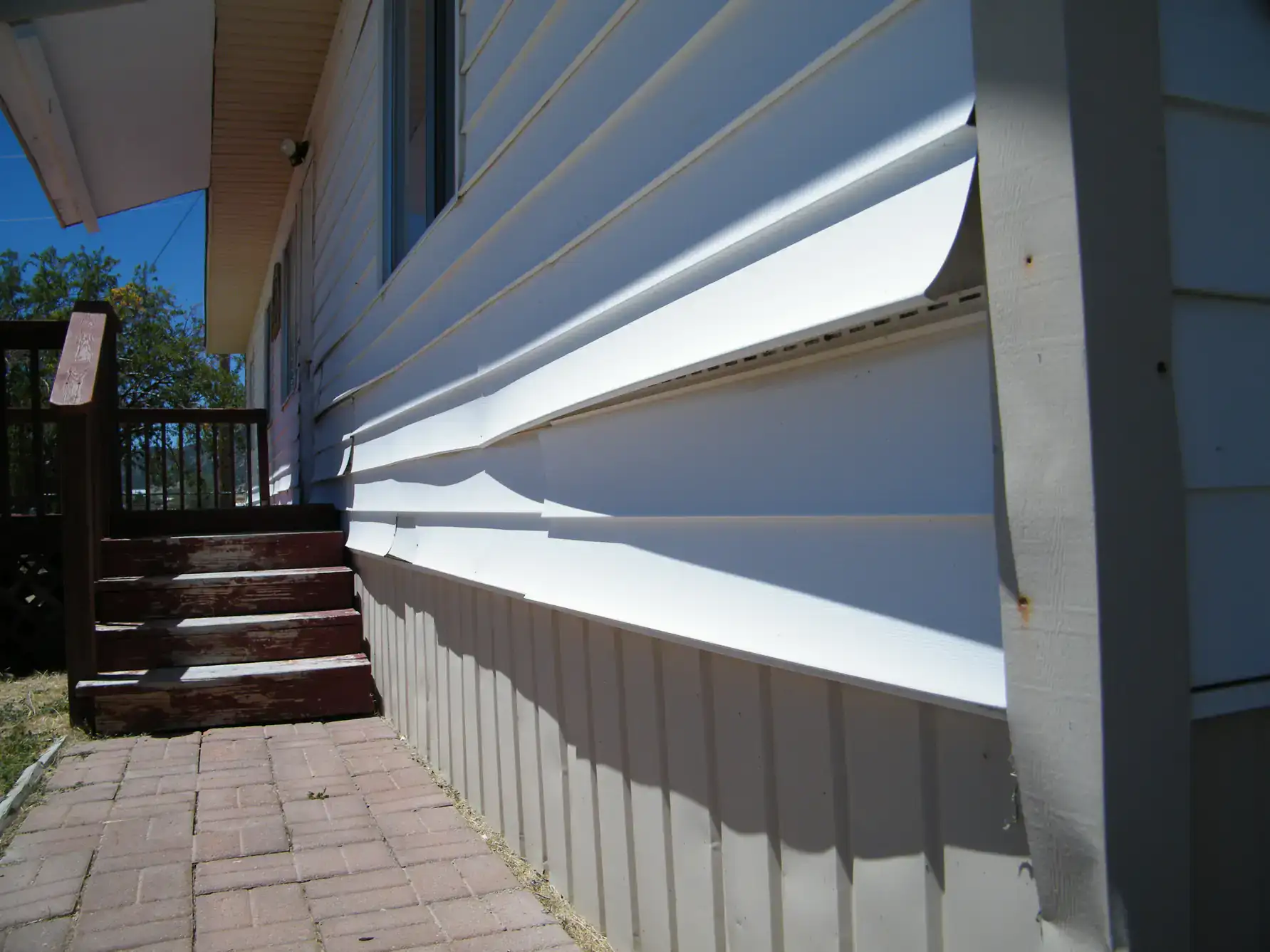
You’re not looking at your siding because you’re bored. Something’s wrong—a crack after last month’s storm, warped panels near the garage, or that gap where trim used to sit flush. Maybe you’ve noticed a water stain creeping across your living room ceiling.
Here’s what matters: damaged siding doesn’t fix itself. Every rain pushes water closer to your sheathing. Every freeze-thaw cycle makes that crack wider. And by the time you see mold or soft spots inside, you’re looking at thousands in structural repairs instead of hundreds in siding work.
Professional siding repair in Ronkonkoma stops that progression. We replace rotted sections, seal gaps around windows and doors, and match your existing material so the repair blends in. Your home stays watertight. Your energy bills don’t spike because conditioned air isn’t leaking out through damaged panels. And you’re not dealing with insurance headaches six months from now when that small problem became a big one.
We’ve worked on Long Island homes for over 35 years. We’ve repaired siding after Hurricane Sandy, after nor’easters that ripped panels off in the middle of January, and after summer storms that nobody saw coming.
Ronkonkoma sits right in the path of everything Suffolk County weather throws at homes. Salt air from the coast accelerates wear. Wind-driven rain finds every weak spot. And when you’re dealing with older vinyl or cedar that’s been through decades of freeze-thaw cycles, small problems turn into urgent ones fast.
We’re a family-run company, and every repair job gets handled by our trained team—not random subcontractors. You get someone who knows the difference between a quick patch and a repair that actually lasts.
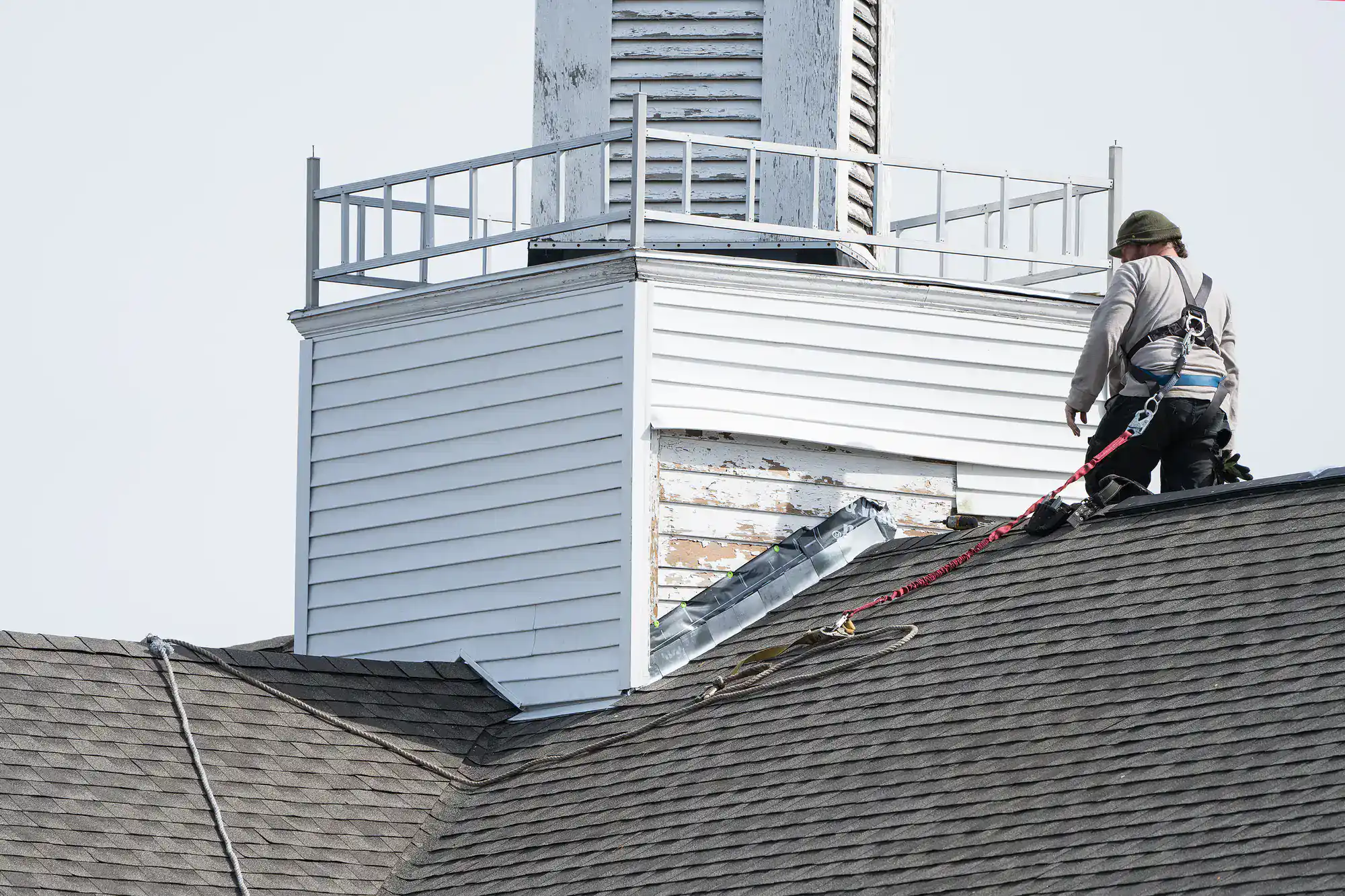
First, we inspect the damage. Not just the obvious crack or hole—we check what’s happening behind it. If water’s been getting in, we need to know how far it’s traveled. That determines whether you need a simple panel replacement or if we’re addressing sheathing issues too.
Next, we source matching material. Vinyl siding repair in Ronkonkoma often means finding the right color and profile to blend with what’s already on your house. Cedar siding repair means selecting wood that matches grain and thickness. Aluminum and fiber cement each have their own requirements.
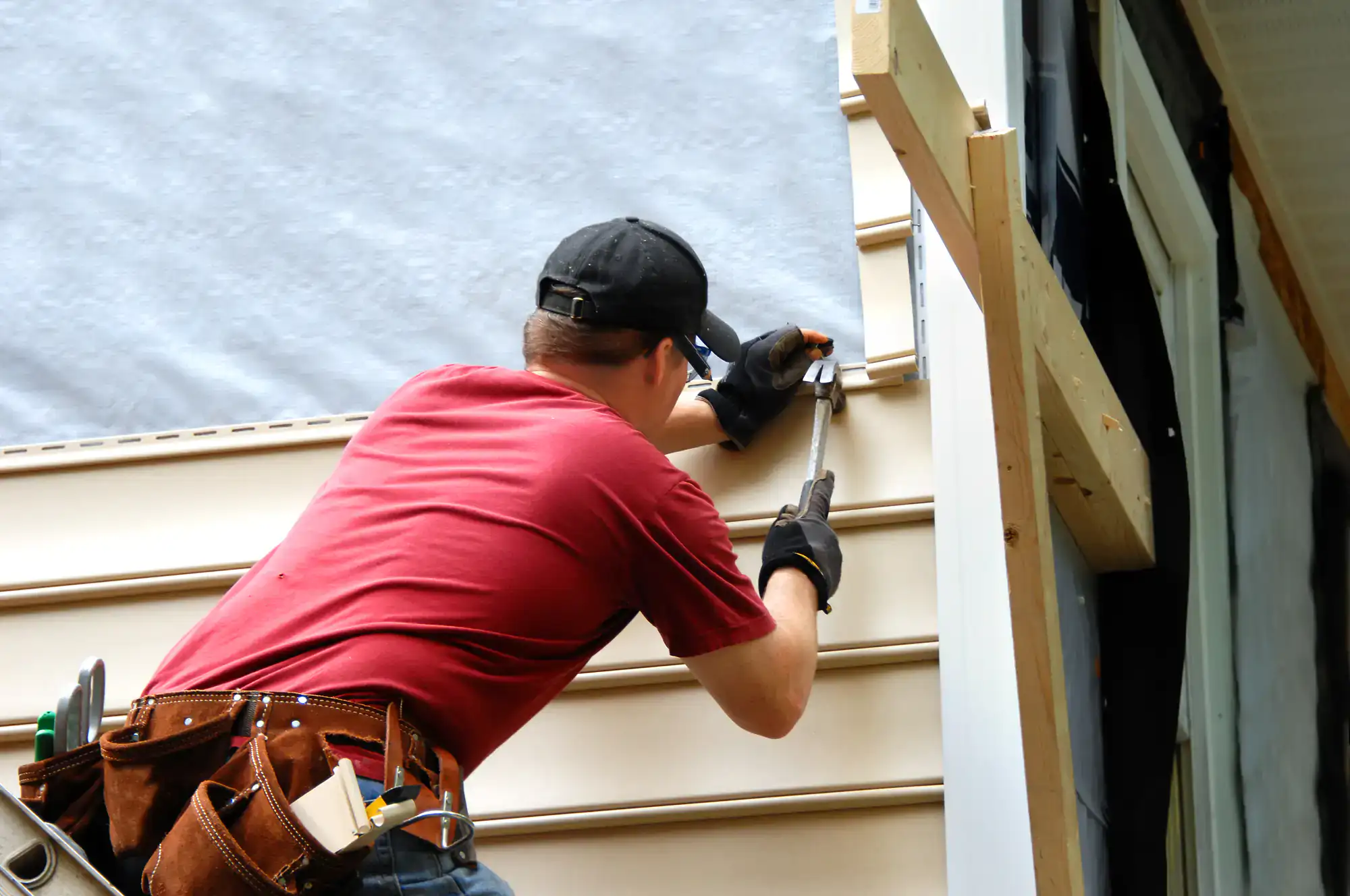
Then we remove the damaged section, inspect and repair any underlying moisture barrier or sheathing, and install the new material. We seal edges, check flashing around windows and doors, and make sure everything’s fastened correctly so it doesn’t just pop loose again next winter. Most repairs wrap up in one to two days, depending on scope.
Ready to get started?
We handle vinyl siding repair—fixing cracks, replacing warped panels, and addressing trim damage. Cedar siding repair covers rotted sections, split shakes, and woodpecker damage that’s more common in wooded Ronkonkoma neighborhoods than most homeowners expect. Aluminum siding repair tackles dents, corrosion, and loose sections. And fiber cement repair addresses chips and weather damage on one of the most durable materials for coastal climates.
Storm damage is the most common reason Ronkonkoma homeowners call. High winds rip panels loose. Hail creates cracks that let water in. Falling branches punch holes that need immediate attention. We also fix siding leaks around chimneys, repair flashing that’s come loose, and address rot before it spreads into structural wood.
If you’re dealing with an insurance claim, we document everything. Most policies cover sudden storm damage—wind, hail, falling objects. They don’t cover wear and tear, but if a nor’easter just tore up your south-facing wall, you’re likely covered. We provide the photos and details your adjuster needs.
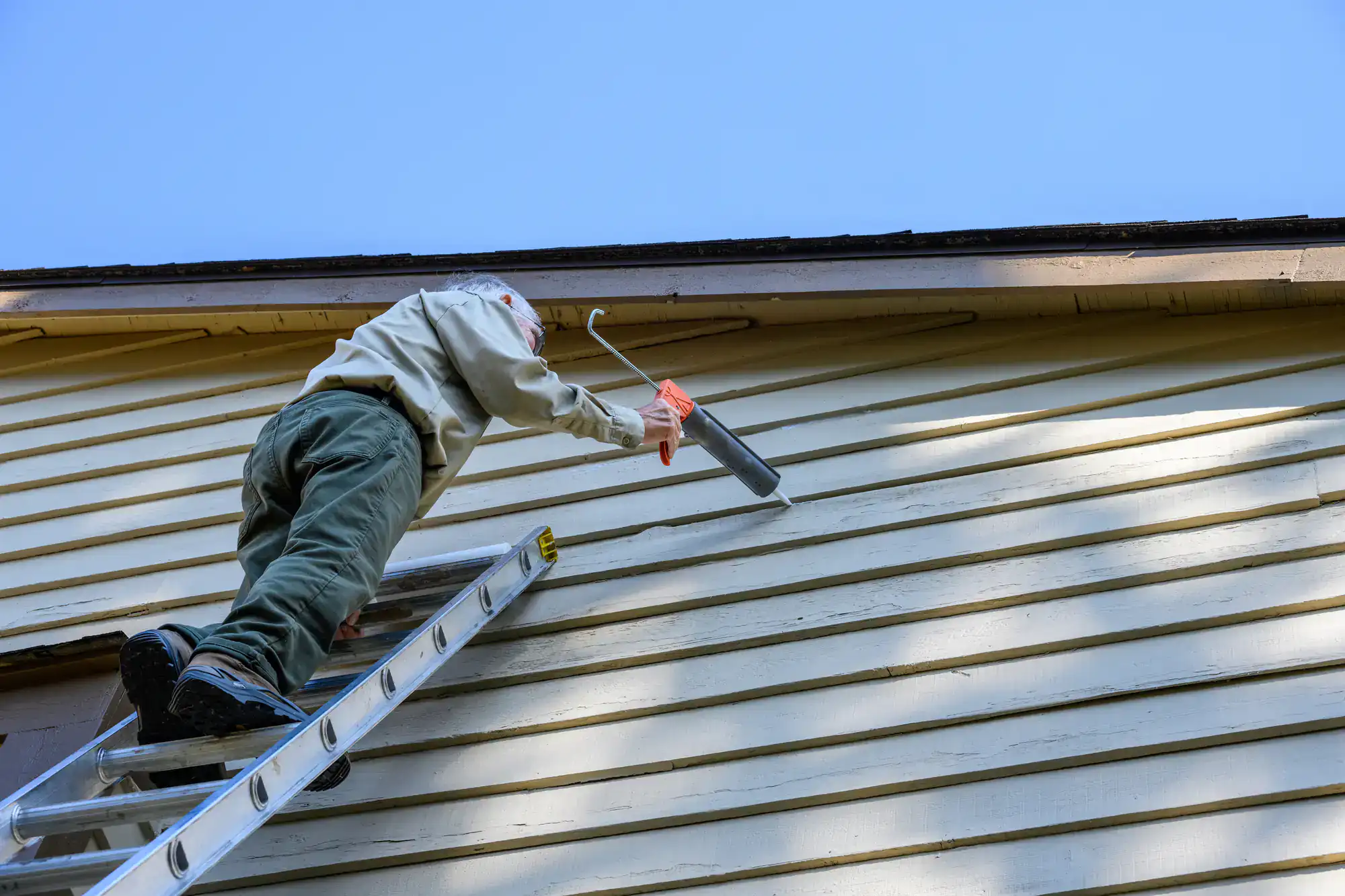
Most siding repairs in Ronkonkoma run between $300 and $1,200 per damaged section, depending on material type and extent of damage. A simple vinyl panel replacement might cost $400. Cedar siding repair with rot remediation can hit $1,000 or more if we’re replacing multiple boards and treating underlying moisture issues.
Here’s what affects price: material cost, labor complexity, and whether there’s hidden damage behind the siding. If water’s been sitting against your sheathing for months, we’re not just swapping panels—we’re addressing structural issues that cost more to fix.
Storm damage repairs often get partially covered by insurance, which changes your out-of-pocket cost. Normal wear and aging don’t qualify, but sudden damage from identifiable weather events usually does. We walk you through what to expect before starting work.
Yes, but it depends on what you currently have and how old it is. Vinyl siding that’s been up for 10-15 years has faded from sun exposure. We source the closest match available, but there’s often a slight color difference between new and weathered material. Most manufacturers keep popular profiles in production for years, so finding the right texture and size is usually straightforward.
Cedar siding is easier to match if we’re staining rather than painting. We select boards with similar grain patterns and thickness, then finish them to blend with your existing wood. Aluminum and fiber cement matching depends on the original product line—some are still manufactured, others require custom color work.
If matching proves difficult, we sometimes recommend replacing an entire wall section so everything looks uniform. That costs more upfront but eliminates the patchwork appearance that bothers some homeowners.
Most siding repairs in Ronkonkoma take one to two days. Simple fixes—replacing a few cracked vinyl panels or sealing around a window—can be done in a few hours. Larger jobs involving cedar rot repair, extensive storm damage, or multiple walls take longer.
Weather affects timing. We don’t install siding in heavy rain or when temperatures drop below freezing, because adhesives and sealants won’t cure properly. If we’re repairing your home in January and a cold snap hits, we might need to pause until conditions improve.
We schedule most repairs within a week or two of your call, depending on our current workload. Storm damage creates backlogs—after a major nor’easter, everyone with loose panels calls at once. But we prioritize urgent repairs where water’s actively getting inside, because waiting another week can double your repair costs.
Water stains on interior walls mean moisture is getting through your siding and reaching drywall. That’s urgent. Peeling paint inside your house, especially near exterior walls, signals the same problem. Musty odors in rooms that should smell fine indicate mold growth behind walls—usually from long-term water intrusion through damaged siding.
Outside, look for cracks, holes, or loose panels. Warped vinyl siding means water got trapped behind it and the material buckled. Rotted cedar shows up as soft, discolored wood that crumbles when you press it. Gaps around windows and doors let wind-driven rain straight into your wall cavities.
Don’t wait until you see interior damage. By that point, you’re paying for drywall repair, mold remediation, and possibly structural work—not just siding. If you spot exterior damage after a storm or just notice something looks off, get it checked. A $500 repair today prevents a $5,000 problem next year.
We repair vinyl, cedar, aluminum, and fiber cement siding—the four most common materials on Ronkonkoma homes. Each requires different techniques and tools. Vinyl siding repair involves removing interlocking panels without cracking adjacent sections. Cedar siding repair means cutting out rotted boards, treating surrounding wood for moisture, and installing new pieces that match grain direction.
Aluminum siding repair addresses dents and corrosion common on homes built in the 70s and 80s. We also handle aluminum trim repair around windows and doors. Fiber cement is the most durable option for coastal areas like Long Island, but it chips under impact—we patch and refinish damaged sections so repairs blend invisibly.
We don’t repair stucco or brick veneer. Those require specialized contractors. But if your home has standard siding materials and you’re dealing with storm damage, rot, cracks, or loose sections, we handle it.
Most homeowners policies cover sudden, identifiable damage—wind from a nor’easter ripping panels off, hail cracking your siding, or a tree branch punching a hole during a storm. They don’t cover gradual wear, aging, or damage from deferred maintenance. If your siding is rotting because it’s 30 years old and hasn’t been maintained, that’s on you.
Insurance companies want repairs done fast to prevent secondary damage claims. If you wait three months to fix storm damage and water rots your sheathing, they’ll argue the structural damage resulted from your delay—not the original storm. We document everything with photos and detailed notes so your claim goes smoothly.
We work with adjusters regularly. If you’re filing a claim, call us before you start the process. We’ll inspect the damage, give you a repair estimate, and provide documentation that supports your claim. Most storm damage repairs get at least partially covered, which significantly reduces what you pay out of pocket.
Other Services we provide in Ronkonkoma