
Hear from Our Customers
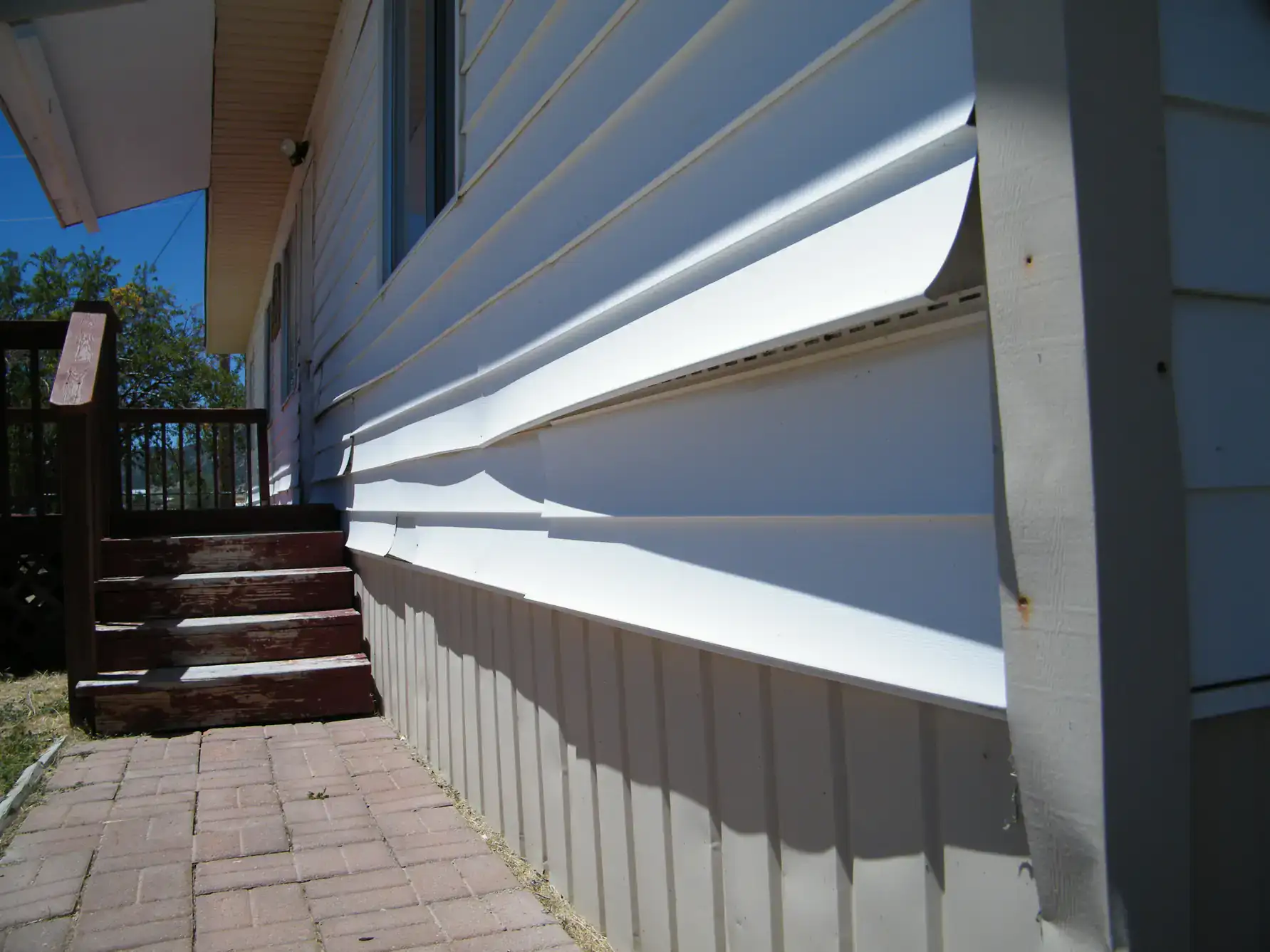
When you fix damaged siding the right way, you’re not just patching a hole. You’re stopping water from rotting your sheathing, preventing mold from spreading behind your walls, and keeping your energy bills from climbing every month because conditioned air isn’t leaking out through gaps.
In Setauket, salt air makes everything worse. What starts as a small crack becomes a major problem fast when moisture and salt particles work their way behind your siding. That’s why vinyl siding repair and wood siding fixes need to happen quickly here—before a $500 repair turns into a $5,000 nightmare.
The right siding repair in Setauket, NY means marine-grade fasteners, proper flashing around every seam, and materials that can handle nor’easters and summer storms without failing. When the work’s done right, your home stays dry, your heating and cooling costs drop, and you’re not dealing with the same problem again next year.
We’ve been fixing siding on Long Island homes since before most contractors in the area even existed. That’s over 35 years of dealing with coastal weather, salt air damage, and the specific problems that come with owning a home in Setauket.
This is a family business, which means when you call, you’re not getting shuffled to a call center. You’re talking to people who’ve been doing this work in your neighborhood for decades. Every siding rot repair, every fix for loose siding, every patch job on vinyl siding—it all gets the same attention because our reputation depends on it.
Setauket homeowners know what matters: showing up when you say you will, doing the work right the first time, and being around to honor your warranty years later. That’s what you get here.
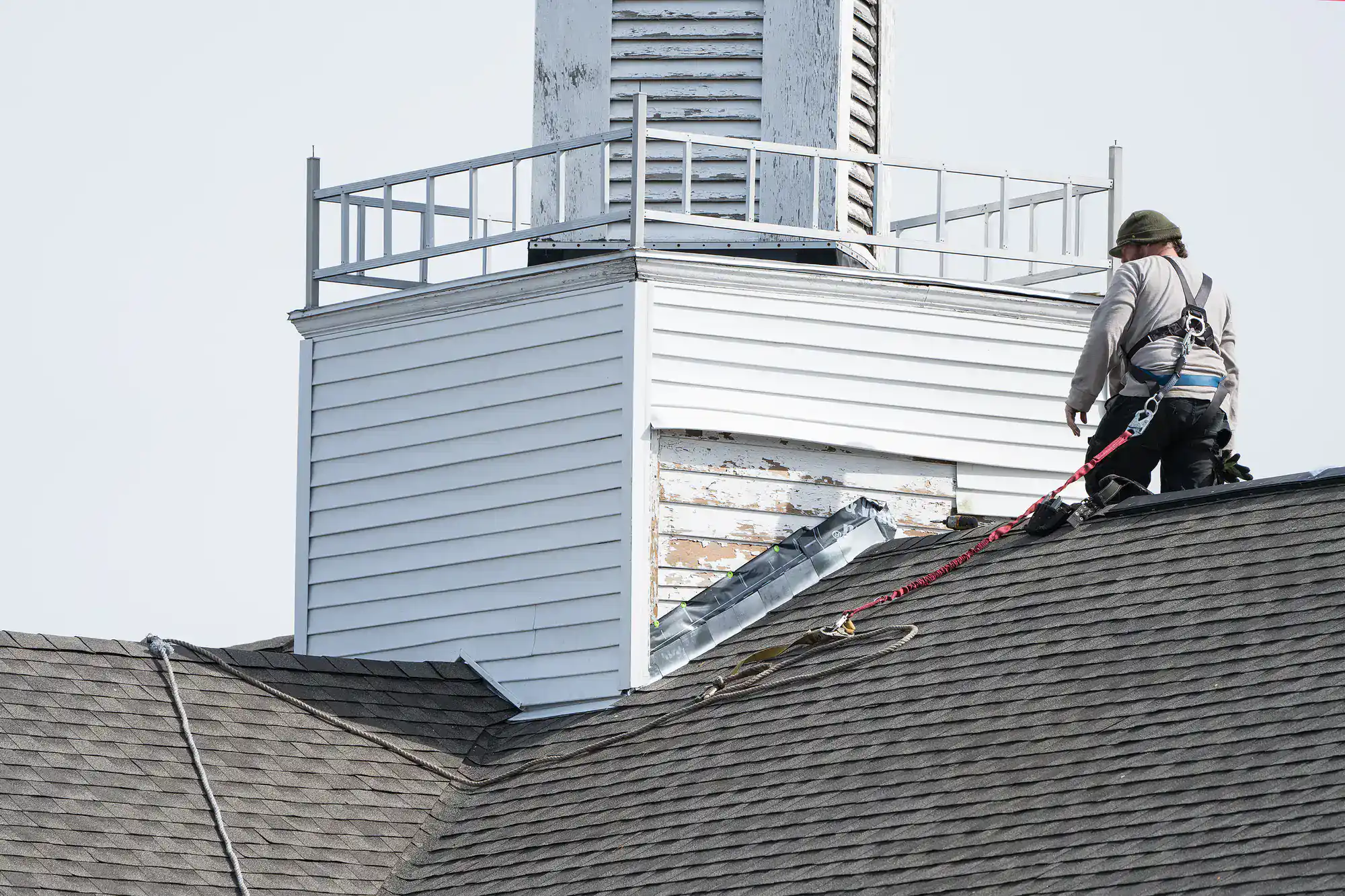
First, you get a free inspection. We come out, look at the damage, check for hidden problems like water intrusion or rot behind the siding, and tell you exactly what needs to happen. If it’s a simple fix, you’ll know. If there’s more going on, you’ll know that too.
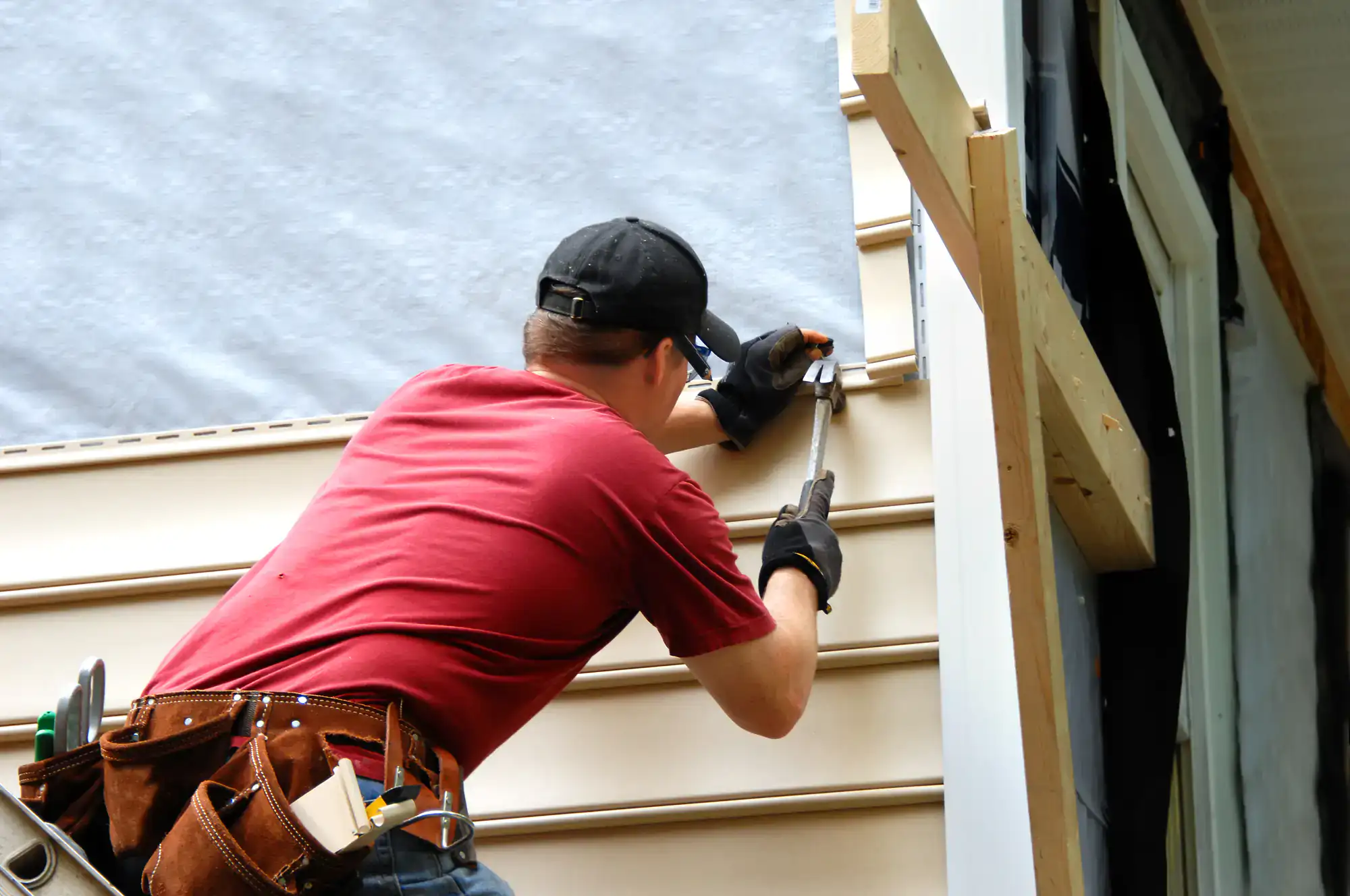
Once you decide to move forward, the repair gets scheduled. We show up on time, protect your landscaping and property, remove the damaged sections, and install new material that matches your existing siding. For vinyl siding trim repair or aluminum siding fixes, that means color-matching and making sure seams are sealed properly against Setauket’s weather.
After the work’s done, you get a walkthrough. You see what was fixed, how it was done, and what warranty covers the repair. If something doesn’t look right, we handle it before anyone leaves. That’s it—no lingering questions, no wondering if the job’s actually finished.
Ready to get started?
Whether you’re dealing with cracked siding from storm damage, holes in vinyl siding from impacts, or cedar siding that’s rotting from moisture exposure, the approach is the same: find the full extent of the damage, fix it properly, and make sure it doesn’t happen again.
Setauket homes face specific challenges. Salt air corrodes aluminum siding and fasteners. Humidity gets behind wood shingle siding and causes rot. Wind from nor’easters rips loose panels that weren’t installed with proper fastening. That’s why siding and flashing repair here isn’t just about replacing a panel—it’s about addressing why the damage happened and preventing it from recurring.
You’ll see this in the details: marine-grade screws instead of standard fasteners, proper underlayment behind every repair, flashing that actually channels water away from vulnerable areas. For homes near the water, that extra attention is what keeps a siding leaking problem from turning into interior damage. It’s also why patching holes in vinyl siding requires more than just slapping a piece on—you need to seal it against moisture intrusion that’s constant in this climate.
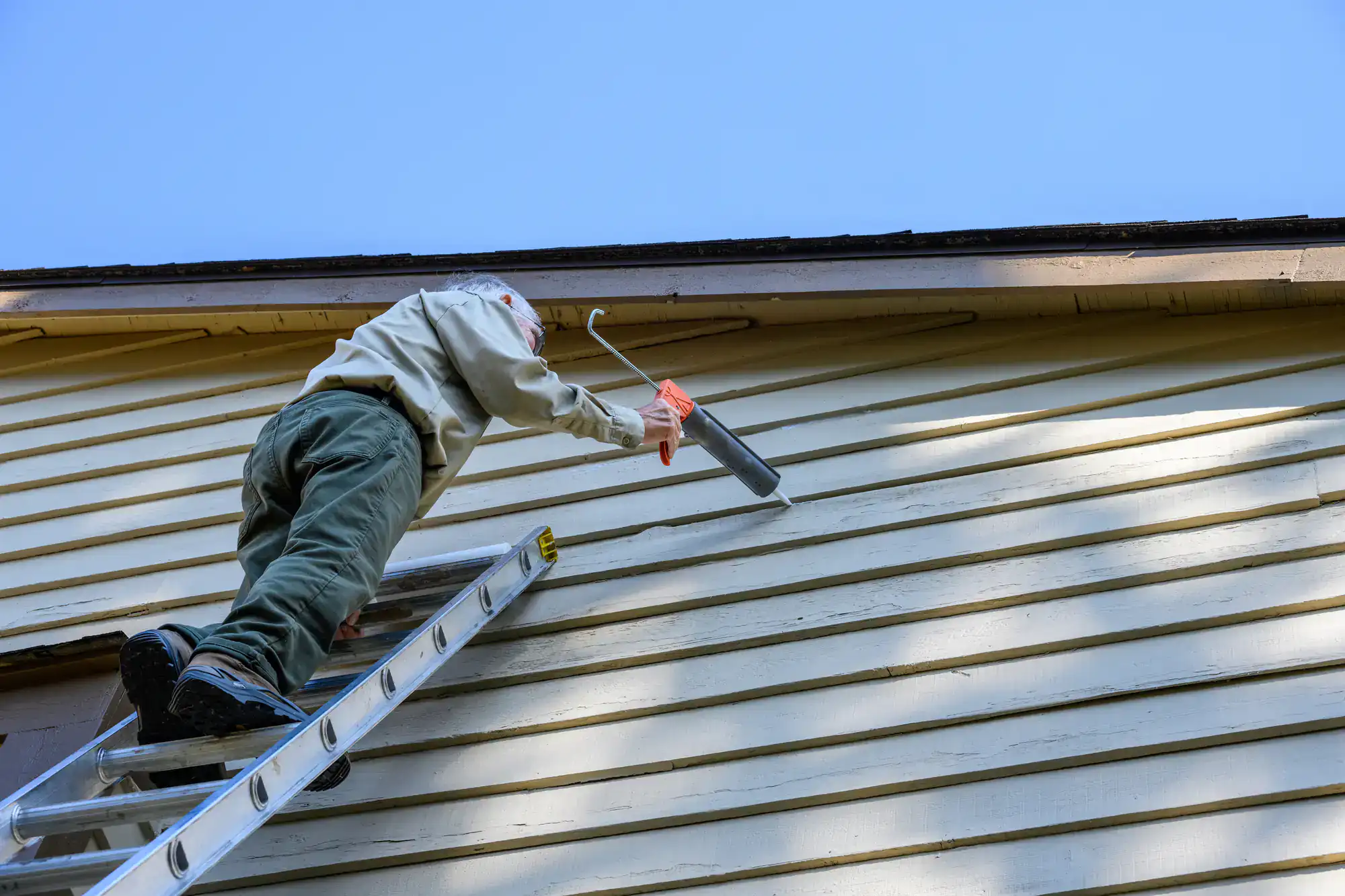
Most siding repairs in Setauket run between $1,200 and $5,000 depending on how much damage there is and what type of siding you have. A simple fix for a few cracked panels might cost $800 to $1,500. Extensive damage from storm impacts or rot that’s spread behind the siding can push costs higher because you’re not just replacing siding—you’re fixing sheathing, adding new moisture barriers, and addressing structural issues.
Vinyl siding repair tends to cost less than wood or cedar because materials are cheaper and installation is faster. Aluminum siding sits in the middle. Custom materials or hard-to-match colors add to the price because sourcing takes longer.
The real cost isn’t the repair itself—it’s what happens if you wait. A $1,200 fix today becomes a $4,000 problem in six months when water damage spreads. In Setauket’s coastal climate, that timeline is even shorter because salt air and humidity accelerate deterioration.
Yes, but it depends on what you have and how old it is. For common vinyl siding profiles and colors, matching is straightforward. Most manufacturers keep standard colors in production for years, so finding an exact match is usually possible.
Older siding, discontinued colors, or custom profiles are trickier. Sometimes the closest match is still noticeably different, especially if your existing siding has faded from sun exposure. In those cases, you have two options: replace an entire wall section so the new material blends better, or accept a slight color variation that becomes less noticeable over time as everything weathers together.
For aluminum siding trim repair or wood shingle siding, matching involves more custom work. Wood needs to be stained or painted to match, and aluminum often requires repainting the repaired section to blend with the rest. The goal is always to make the repair as invisible as possible, but honesty matters—if a perfect match isn’t realistic, you’ll know that upfront.
Small repairs—fixing a few loose panels, patching holes in vinyl siding, replacing damaged trim—usually take one day. You’re looking at our crew showing up in the morning and finishing by afternoon for straightforward work.
Larger jobs take longer. If there’s rot behind the siding that needs addressing, or if the damage covers multiple walls, expect two to three days. Storm damage repairs can stretch longer if we’re waiting on materials or if the scope expands once the damaged sections come off and hidden problems show up.
Weather plays a role too. Siding repair in Setauket, NY can’t happen in heavy rain or high winds because moisture needs to stay out during installation and adhesives need time to set properly. If the forecast looks bad, the start date might shift. But once work begins, it moves quickly—no one wants an open wall exposed to the elements longer than necessary in a coastal area.
Salt air is the biggest culprit. Microscopic salt particles get into every crack and crevice, corroding fasteners, breaking down sealants, and accelerating wear on all siding materials. Even vinyl, which resists rot, suffers because the fasteners and trim pieces corrode and fail.
Water intrusion is the second major cause. When flashing fails or seams aren’t sealed properly, water gets behind the siding. In Setauket’s humid climate, that moisture doesn’t dry out—it just sits there causing rot, mold, and structural damage. Wood siding and cedar are especially vulnerable, but even vinyl and aluminum can hide serious problems behind them when water gets trapped.
Storm damage from nor’easters and summer storms is constant. High winds rip off poorly fastened panels. Hail cracks and dents siding. Flying debris punches holes that let water in. Then there’s the freeze-thaw cycle in winter that expands any existing cracks and makes small problems bigger. All of this happens faster near the coast, which is why siding rot repair and cracked siding repair are so common here.
Yes, and it helps to work with someone who knows how insurance companies operate. After storm damage, you’ll need documentation—photos of the damage, a detailed estimate, proof that the damage is recent and storm-related. We provide all of that as part of the inspection process.
Insurance adjusters sometimes lowball estimates or claim that damage is from wear and tear rather than a covered event. Having a contractor who can document the difference and explain why certain repairs are necessary makes a huge difference in what gets approved. For siding and flashing repair or siding chimney repair after a storm, the goal is to show the full scope of damage so you’re not paying out of pocket for something your policy should cover.
The process takes time—insurance moves slowly. But the repair itself can often start once approval comes through, and in some cases, emergency repairs to prevent further damage can happen immediately with the understanding that insurance will reimburse you later. The key is clear communication with both the insurance company and us so everyone knows what’s happening.
The goal is always to make the repair invisible, but results depend on your siding type and how much damage there is. Vinyl siding repair usually blends well because panels interlock and new material can match existing profiles closely. If the color match is exact and the installation is clean, you won’t notice the repair from ten feet away.
Wood and cedar siding repairs are more visible initially because new wood looks different from weathered wood. Staining and painting help, but it takes time for everything to weather together and blend completely. Aluminum siding can be repaired and repainted to match, though paint fade on older siding sometimes makes a perfect match difficult.
For larger repairs where multiple panels or sections get replaced, the new material will stand out more at first. But over months and years, as everything weathers together under Setauket’s sun and salt air, the difference fades. The bigger concern isn’t aesthetics—it’s making sure the repair is structurally sound and sealed properly so you’re not dealing with the same problem again in two years.
Other Services we provide in Setauket