
Hear from Our Customers
You stop worrying about water sneaking behind your walls. No more soft spots around windows, no more peeling paint inside, no more wondering if that crack is going to turn into a $10,000 problem.
When your siding is fixed correctly, it does what it’s supposed to do: keep Long Island’s nor’easters, salt air, and summer storms outside where they belong. Your energy bills drop because gaps are sealed. Your home looks clean and cared for, not patched together.
And you’re not calling someone back every season to fix the same panel. Vinyl siding repair in Smithtown shouldn’t be a recurring expense—it should be handled once, matched right, and sealed properly so it lasts.
SkyLuxe Construction is a family-run company that’s been handling exterior work across Suffolk County for years. We’re not a national franchise or a crew that shows up once and disappears—we live here, work here, and know exactly what Long Island weather does to your siding.
We’ve repaired vinyl siding torn up by hurricane-season winds, replaced cedar shake rotted out by coastal humidity, and patched aluminum siding dented by hail. Every material, every problem—we’ve seen it and fixed it.
You’re not getting a sales pitch. You’re getting someone who knows how to match your siding, seal it right, and make sure the repair holds up against the next storm.
First, we come out and look at the damage. Not just the panel you see—we check behind it, around it, and underneath it to make sure water hasn’t already gotten into your sheathing or insulation.
Then we tell you what actually needs fixing. Sometimes it’s one panel. Sometimes it’s three, plus flashing. We don’t upsell you on a full replacement if a repair will do the job, and we don’t patch something that’s going to fail again in six months.
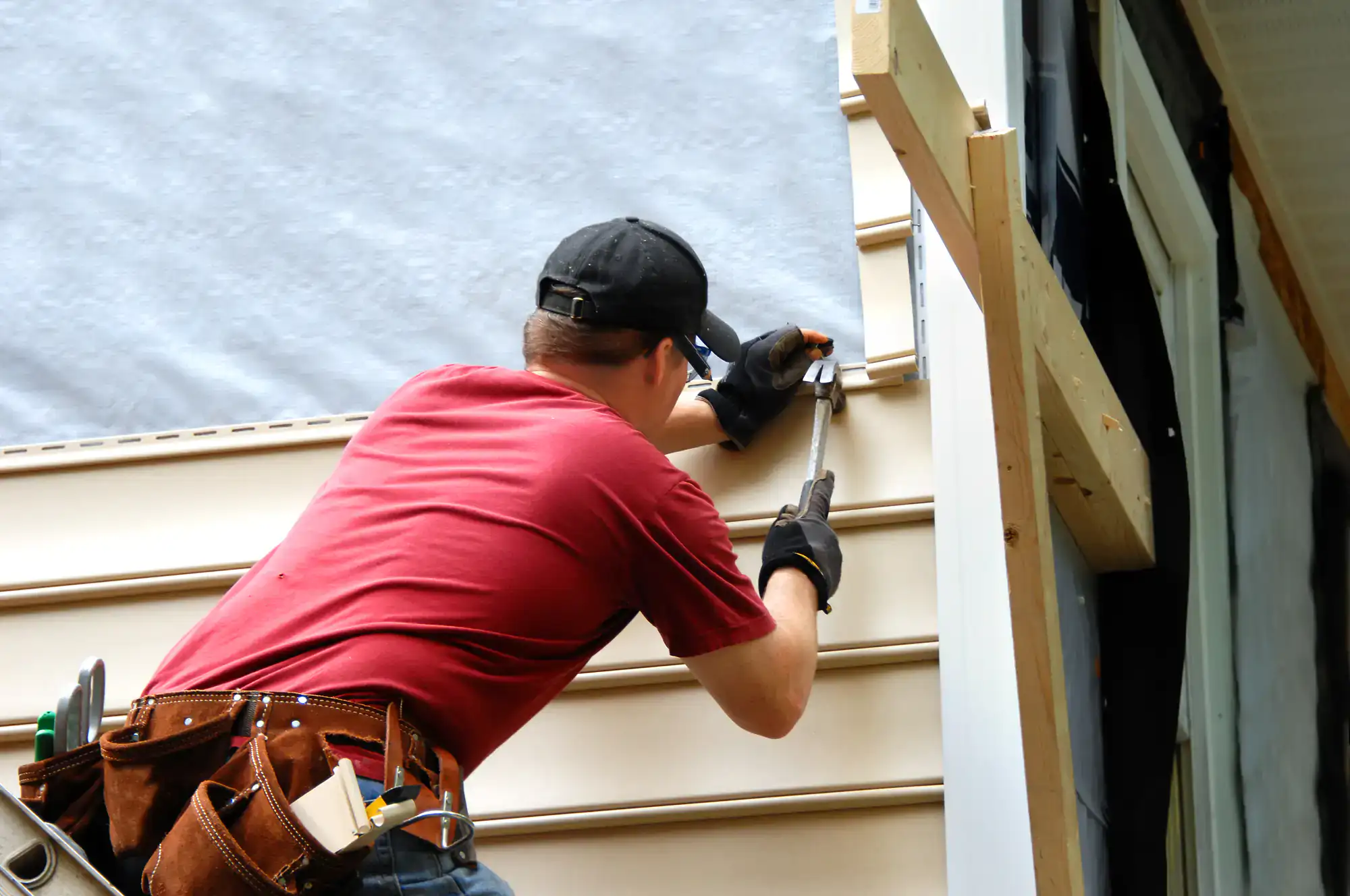
We match the material—size, shape, color—and if your siding’s been discontinued, we find the closest match or source what’s needed. Then we remove the damaged section, inspect the substrate, replace anything compromised, and install the new piece with proper overlap and sealing.
Most siding repairs in Smithtown take a few hours. You’re not waiting days for someone to show up or weeks for materials. We move fast because we know damaged siding doesn’t get better on its own.
Ready to get started?
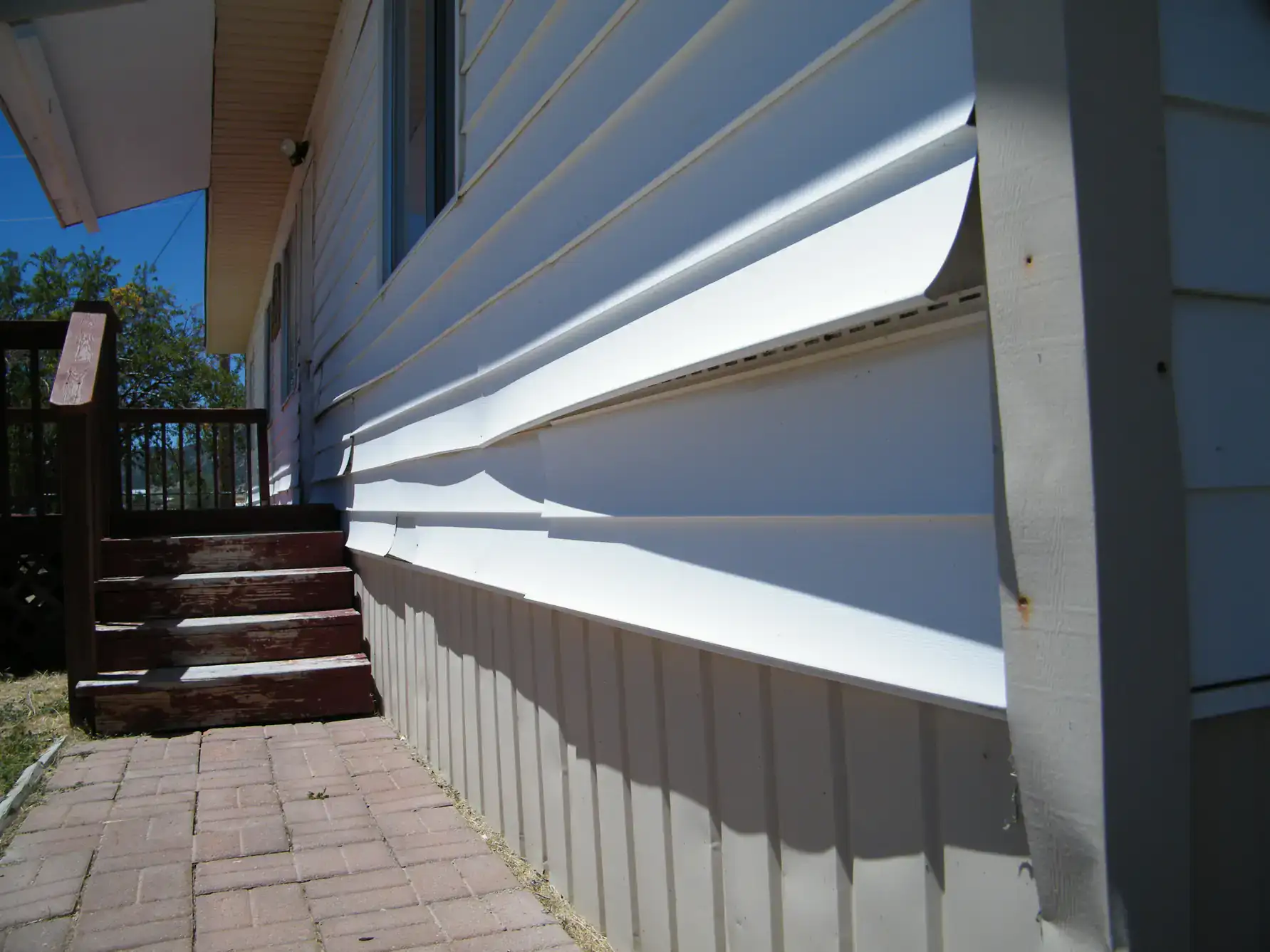
We handle vinyl siding repair—cracks, warping, holes, loose panels. We fix cedar siding rot and splits, especially the kind caused by woodpeckers or water infiltration. Aluminum siding repair for dents, corrosion, and loose trim. Fiber cement siding when it chips or cracks from impact or temperature swings.
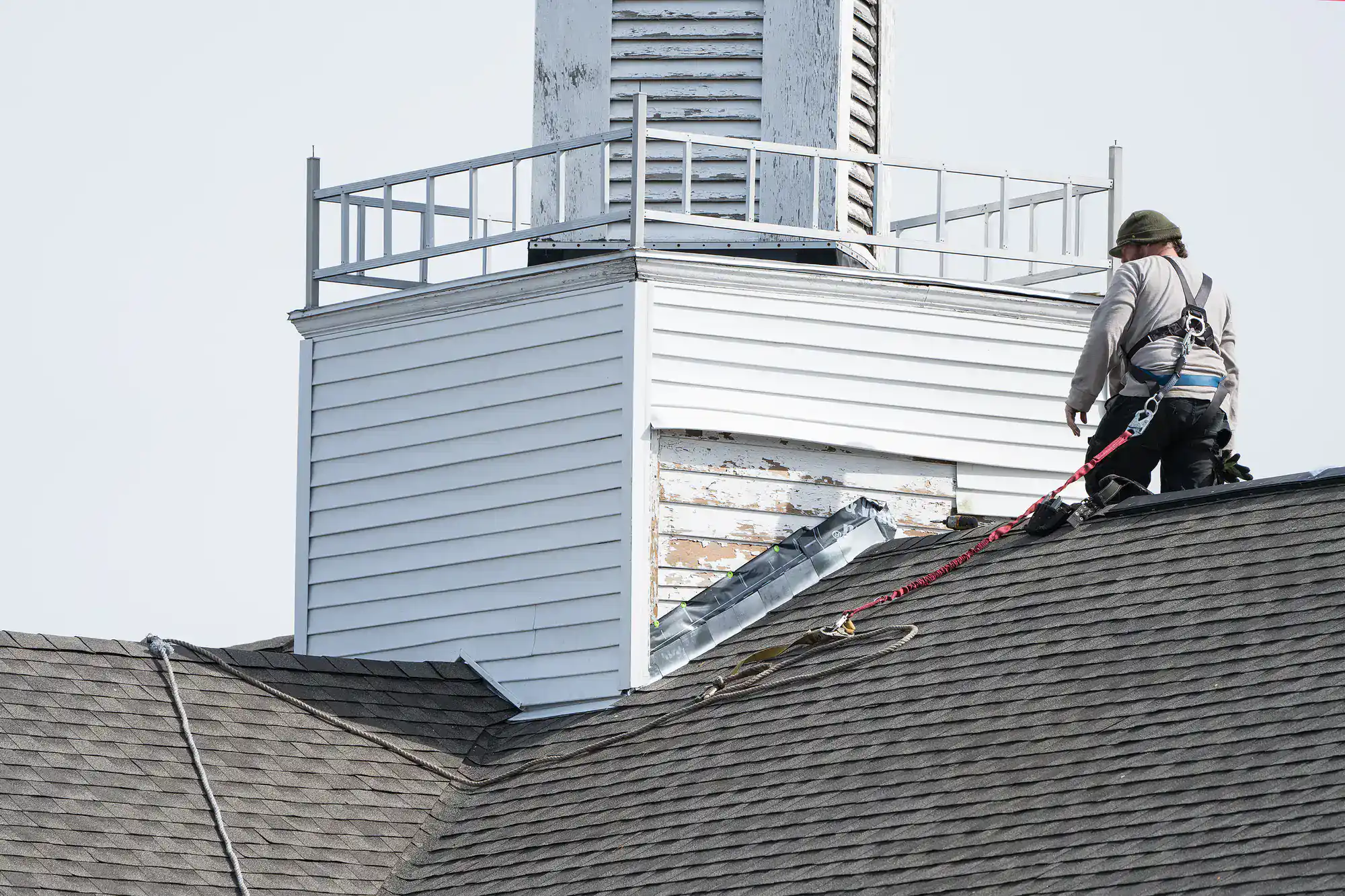
Storm damage is common here. Smithtown sits right in the path of nor’easters that rip panels off and drive rain into every weak point. We respond quickly to fix loose siding before wind gets underneath and tears off more. We repair siding and flashing around chimneys where leaks start. We patch holes in vinyl siding from hail or debris.
If your siding is leaking, we find where water’s getting in and stop it—not just cover it up. Suffolk County’s salt air accelerates aging, so even newer siding can crack prematurely. We assess whether a repair will hold or if that section needs replacing, and we’re honest about which one makes sense for your budget and your home’s long-term protection.
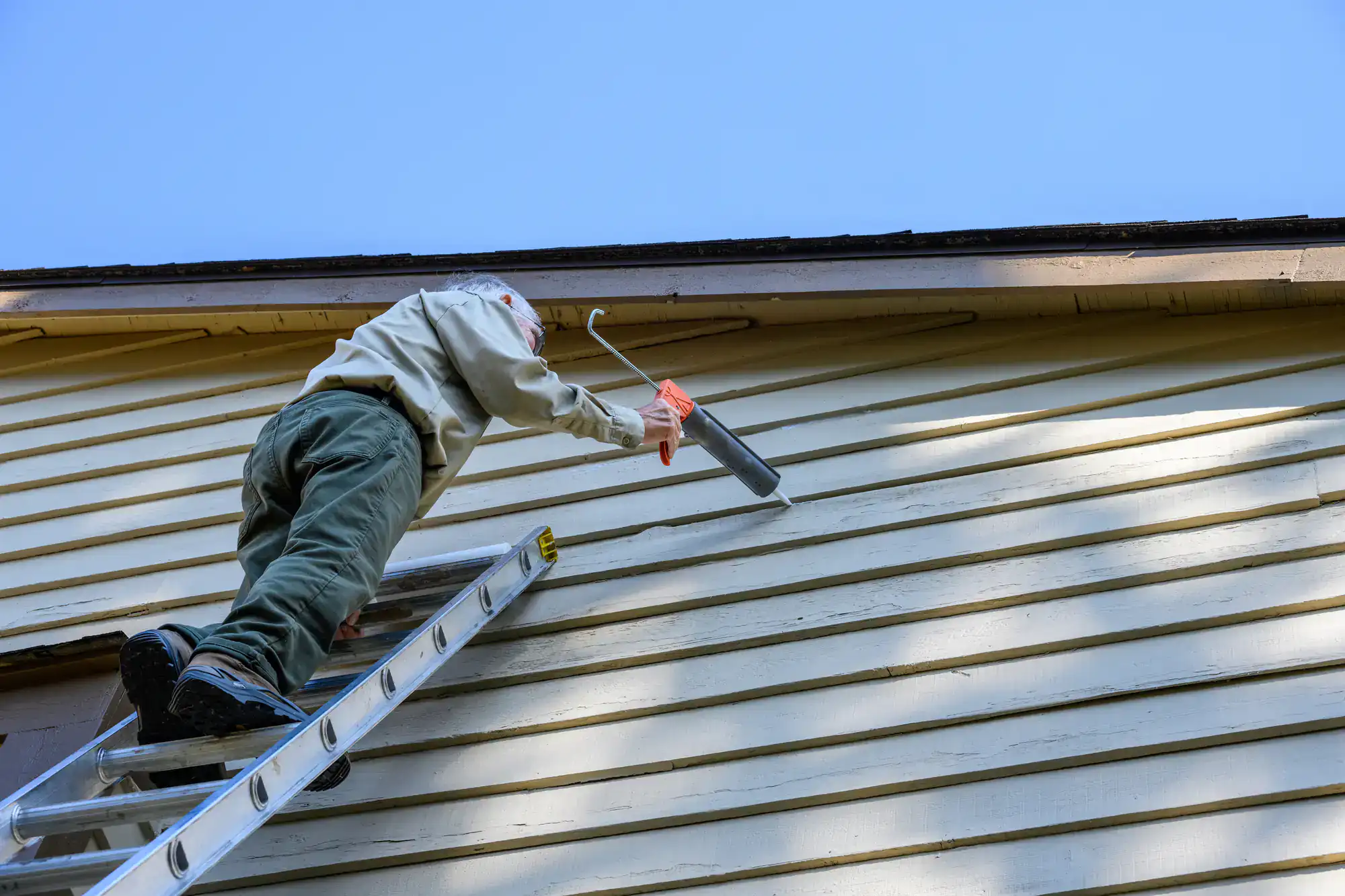
Most siding repairs in Smithtown run between $2,000 and $8,000, depending on how much material needs replacing, how accessible the damage is, and what type of siding you have. A single vinyl panel replacement might cost a few hundred dollars. Repairing rot in cedar siding or replacing multiple sections of fiber cement after storm damage will cost more.
Labor rates on Long Island are higher than other parts of the country, and if your siding’s discontinued or hard to match, sourcing materials adds to the cost. But repair is almost always cheaper than full replacement, which can run $5,000 to $13,000 for an average home.
The real cost is waiting. Water damage behind your siding can turn a $2,000 repair into a $10,000 structural fix if it reaches your sheathing or framing.
You can absolutely repair just one section—that’s what we do most of the time. If the damage is isolated to a few panels and the rest of your siding is in good shape, there’s no reason to replace everything.
The key is matching the material and making sure the repair blends in. Vinyl siding fades over time, so a brand-new panel might look slightly different next to 10-year-old siding. We do our best to match color and texture, and most of the time the difference fades naturally within a season or two as the new piece weathers.
If your siding is severely aged, brittle, or failing in multiple spots, a full replacement might make more sense long-term. We’ll tell you honestly which route saves you money and headaches down the road.
Most siding repairs take a few hours to half a day, depending on the scope. If we’re replacing a couple of vinyl panels or fixing a small section of aluminum siding, we’re usually done in a morning.
Larger repairs—like replacing rotted cedar siding across a whole wall or fixing storm damage on multiple sides of your house—might take a full day or two. If we need to order custom materials or discontinued siding, that adds time, but the actual installation is still quick once we have what we need.
We don’t drag jobs out. Damaged siding leaves your home exposed, and we know you want it fixed fast so you can stop worrying about the next rainstorm.
Storm damage is the biggest culprit. High winds from nor’easters rip panels loose, hail cracks vinyl, and driving rain finds every weak installation point. Smithtown’s coastal location means your siding also battles salt-laden air that accelerates aging and causes premature cracking and fading.
Water damage is the other major issue. If your siding wasn’t installed with proper flashing or if caulking has failed, water gets behind the panels and rots your sheathing. Woodpeckers love to peck holes in cedar siding, and once water gets in, rot spreads fast.
You prevent damage by catching problems early. If you see a loose panel, a crack, or peeling paint inside near a window, call someone before water gets in. Regular inspections after big storms help too. And make sure your gutters are clear—overflowing water running down your siding causes more damage than most people realize.
Yes. We repair vinyl siding, cedar shake and shingle siding, aluminum siding, fiber cement siding, and composite or engineered wood siding. Each material has different failure points and requires different repair techniques.
Vinyl cracks and warps, especially in temperature swings. Cedar rots when water gets in, and it splits as it ages. Aluminum dents easily and corrodes near the coast. Fiber cement chips from impact but holds up well otherwise. Composite siding can swell if moisture gets into the core.
We’ve worked with all of them across Suffolk County for years, so we know how to source the right materials, match them correctly, and install them so the repair lasts. If your siding’s been discontinued, we find alternatives that blend in or we source salvaged material when possible.
Yes, but we have to fix the underlying damage first. If water’s gotten behind your siding and rotted the sheathing or insulation, replacing the siding alone won’t solve the problem—you’ll just trap moisture inside and make it worse.
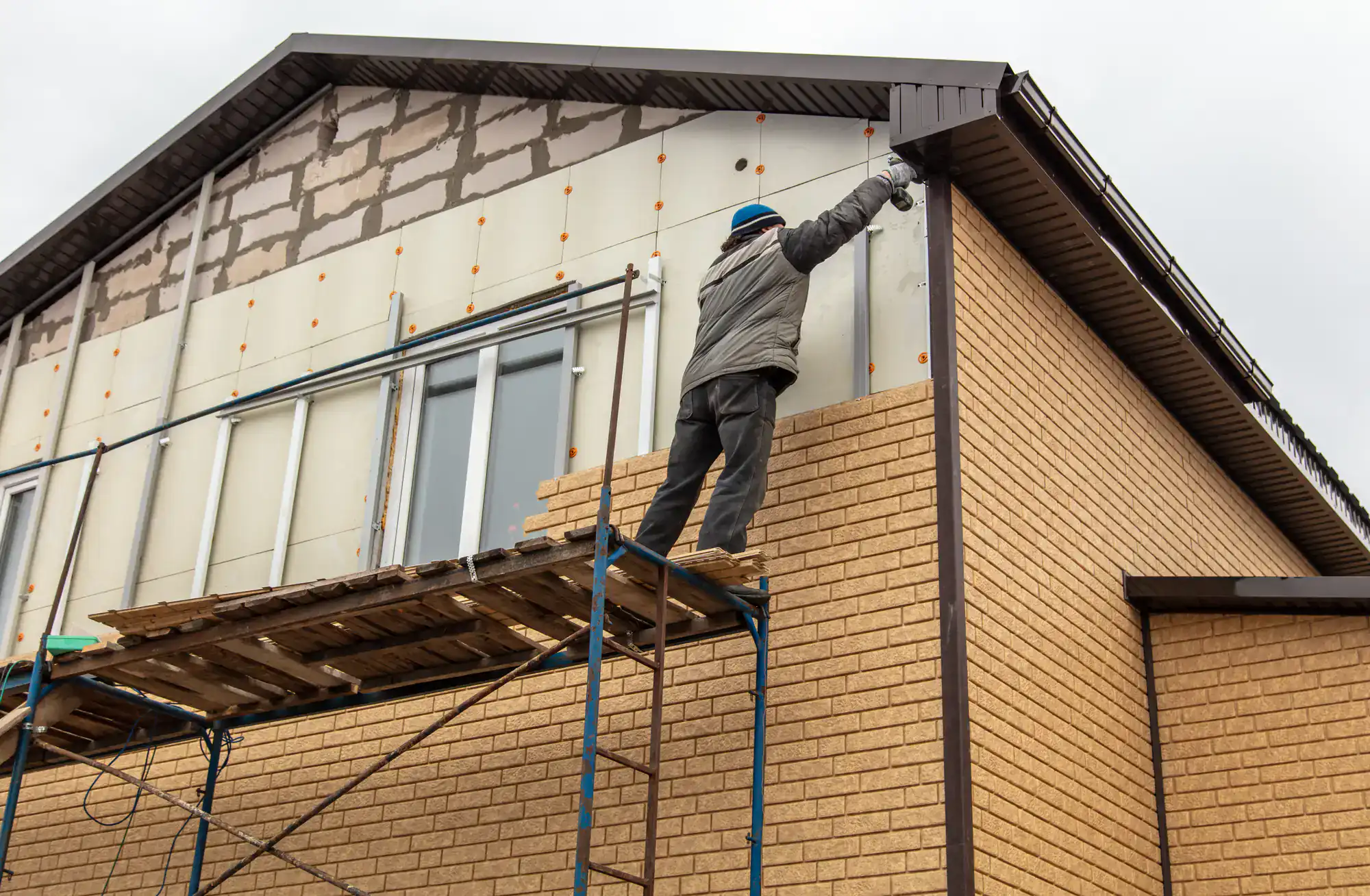
We remove the damaged siding, assess what’s compromised underneath, and replace any rotted sheathing or water-damaged insulation. Then we install new siding with proper flashing and sealing to prevent water from getting back in.
This is common in Smithtown because coastal storms drive rain sideways into every gap. Most homeowners don’t realize there’s water damage until they see soft spots, peeling interior paint, or a musty smell. The sooner you address it, the less expensive the fix.
Other Services we provide in Smithtown