
Hear from Our Customers
You’re not just patching holes. You’re stopping water from rotting your sheathing, keeping your energy bills from climbing every winter, and protecting your home’s value from taking a hit because of peeling paint or warped panels.
When we repair damaged siding in Stony Brook, we’re looking at what caused the problem in the first place. Was it wind lifting a corner during last season’s storms? Ice dams forcing water behind the panels? We fix the visible damage and address what’s letting it happen.
That means your siding repair actually lasts. You’re not calling us back in six months because the same crack opened up again. And you’re not dealing with mold growing inside your walls because moisture kept getting through.
We’ve been handling exterior repairs across Suffolk County for years. We’re a family-run company, and we’ve seen what Long Island weather does to homes in Stony Brook—the salt air, the freeze-thaw cycles, the wind coming off the Sound.
We know which siding materials hold up and which ones fail after a few seasons. We know how to spot rot before it spreads and how to seal flashing so water doesn’t sneak behind your chimney or around your windows.
We’re the ones neighbors call when their vinyl siding cracks after a blizzard or when they notice soft spots forming near the foundation. We live here, and we’re not a crew just passing through.
First, we come out and look at what’s going on. We check the damaged area, but we also check around it—because one cracked panel usually means there’s something else happening nearby. We’ll tell you if it’s a simple fix or if there’s underlying rot or flashing issues that need attention.
Then we give you a clear estimate. No surprises, no upselling. If you need a small vinyl siding repair, that’s what we quote. If you’ve got wood rot that’s spreading, we’ll explain why it matters and what it costs to fix it right.
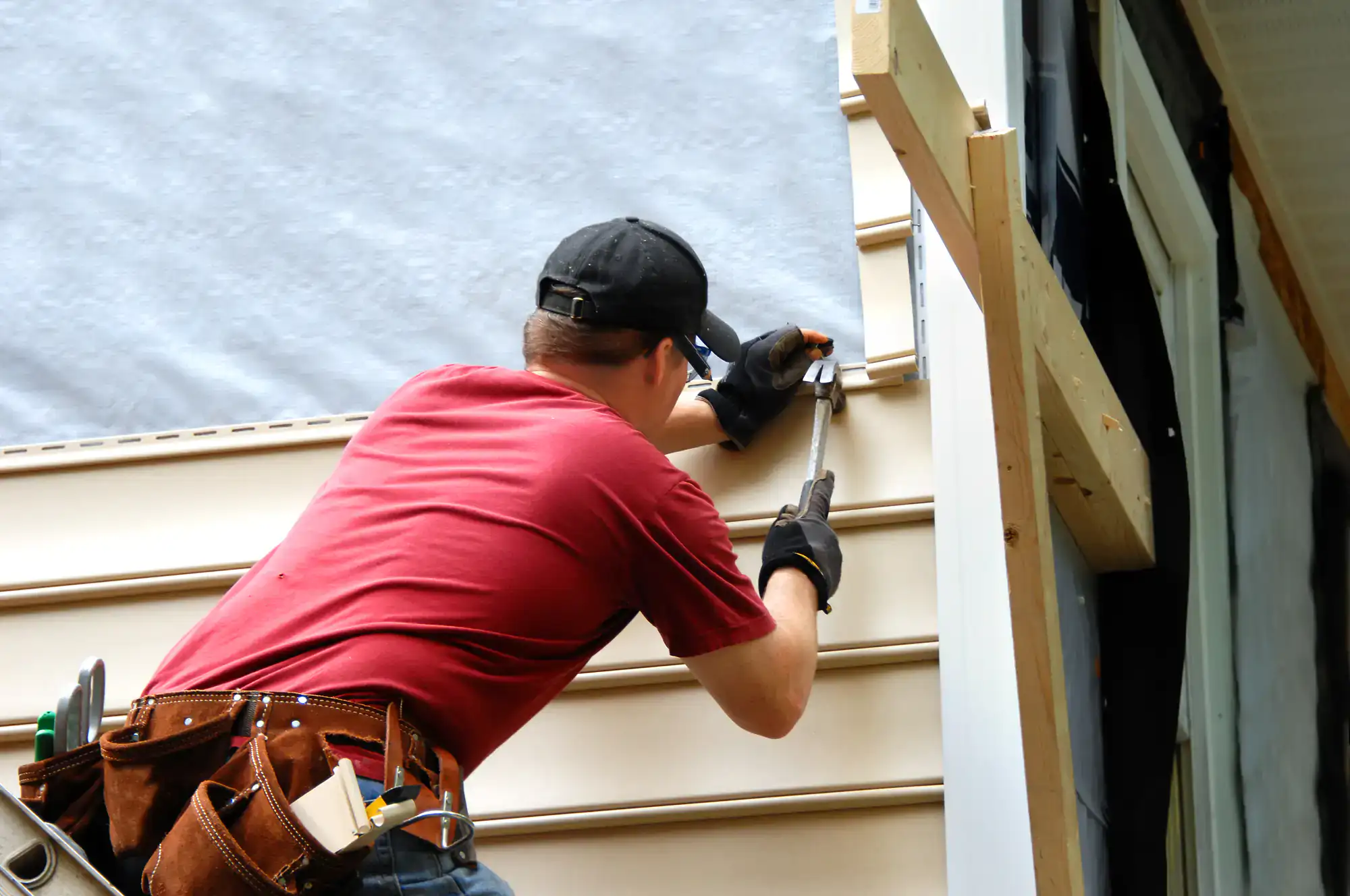
Once you’re ready, we schedule the work and get it done without dragging it out. We pull the damaged siding, inspect the sheathing and moisture barrier, replace anything that’s compromised, and install new panels that match your existing material and color. We clean up when we’re finished, and we make sure everything’s sealed and secure before we leave.
Ready to get started?
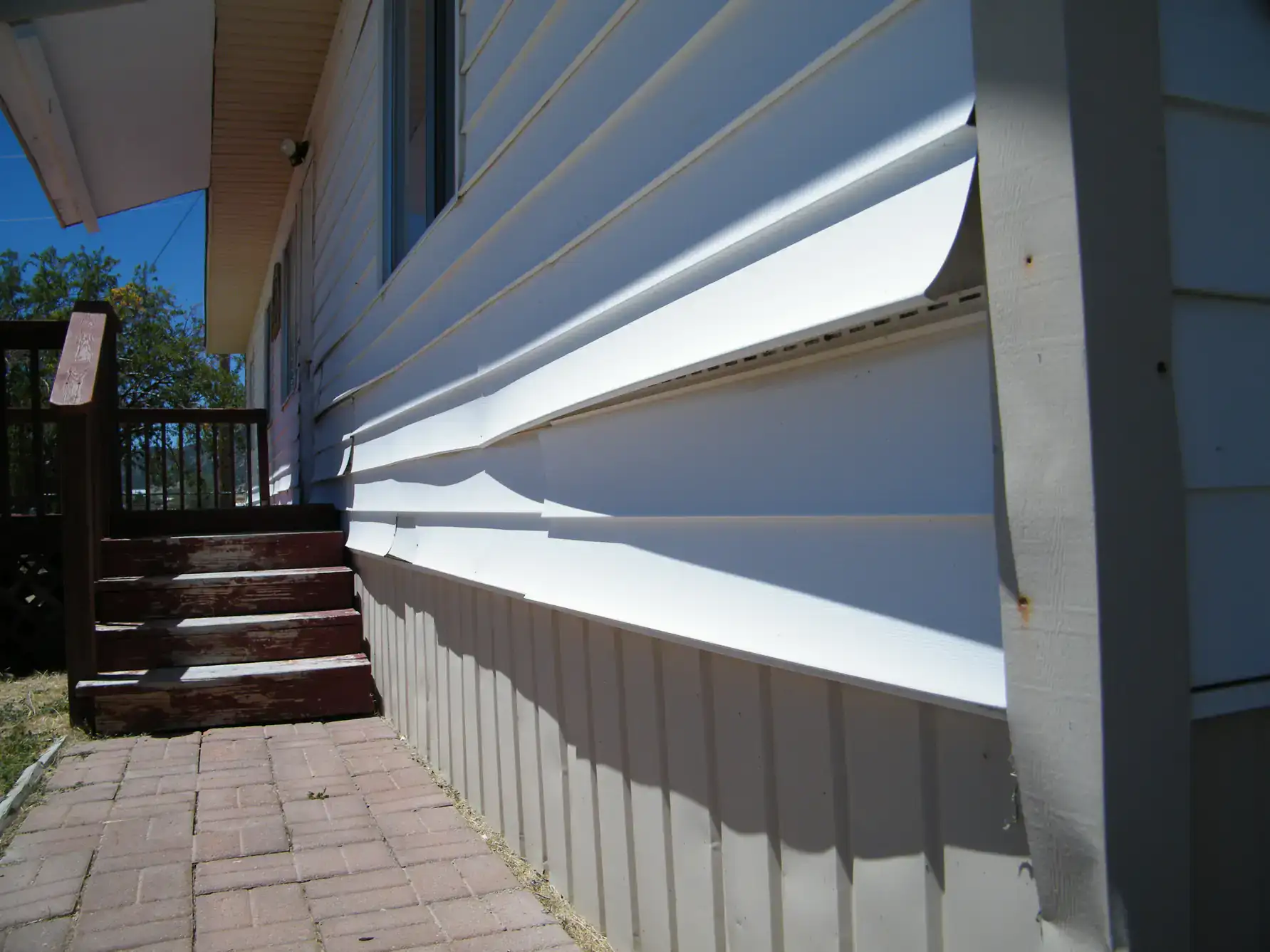
Cracked siding repair is common after winter. Vinyl gets brittle in the cold, and one impact from a branch or ice chunk can split it wide open. We replace the damaged section and check the surrounding panels for stress cracks that haven’t opened yet.
Loose siding happens when wind gets underneath and pulls the nails out. If you’ve got panels flapping after a storm, we re-secure them properly and add fasteners where the original install was too light. Aluminum siding trim repair is another frequent call—trim around windows and doors takes a beating from temperature swings and starts to warp or pull away.
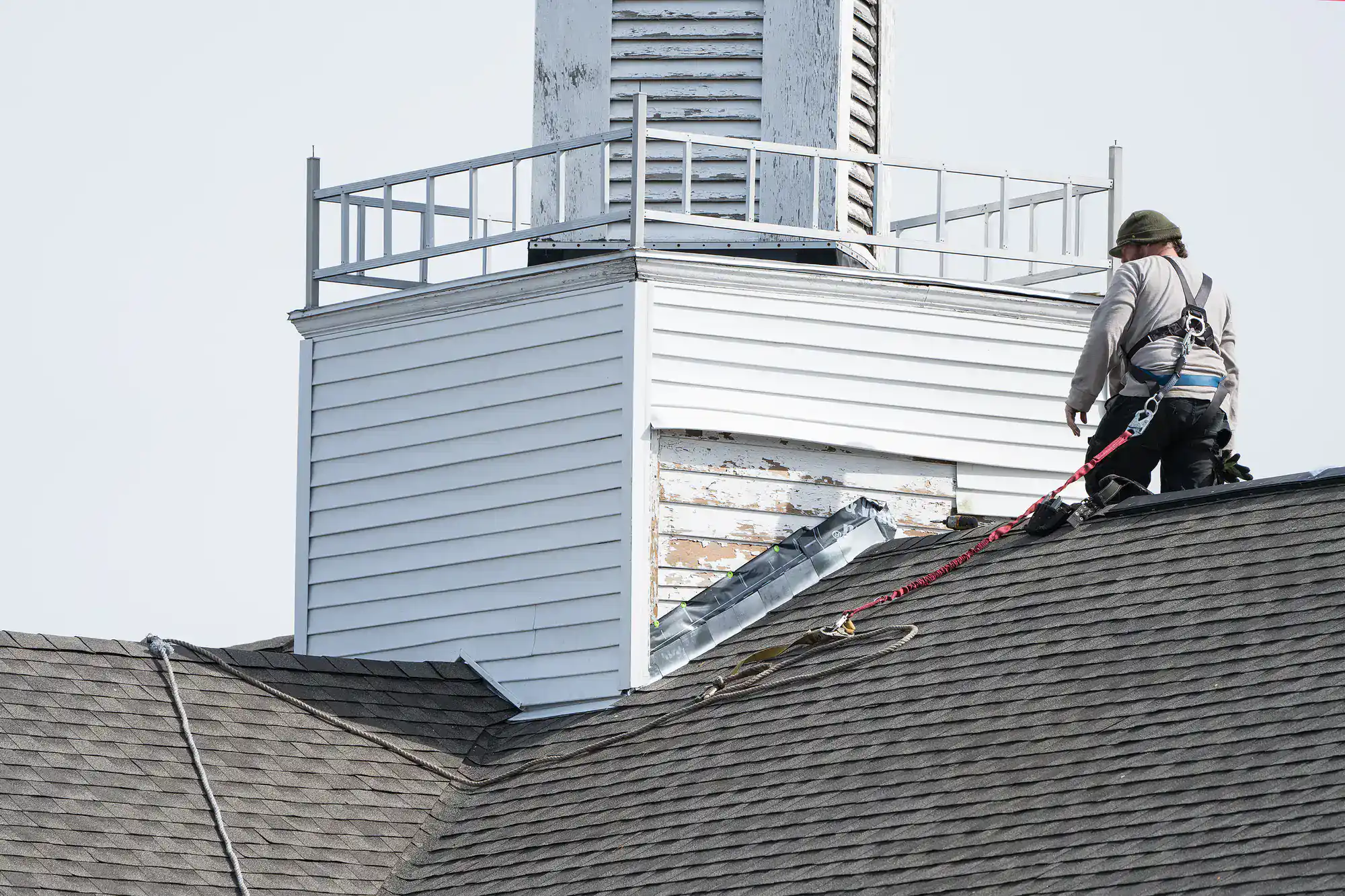
Siding rot repair is more involved. If water’s been getting in for a while, the wood sheathing behind your siding might be soft or crumbling. We cut out the rotted sections, replace them with treated material, and make sure the new siding and flashing keep moisture out for good. We also handle cedar siding repair for woodpecker damage, patching holes in vinyl siding, and fixing siding leaks around chimneys or roof lines where flashing has failed.
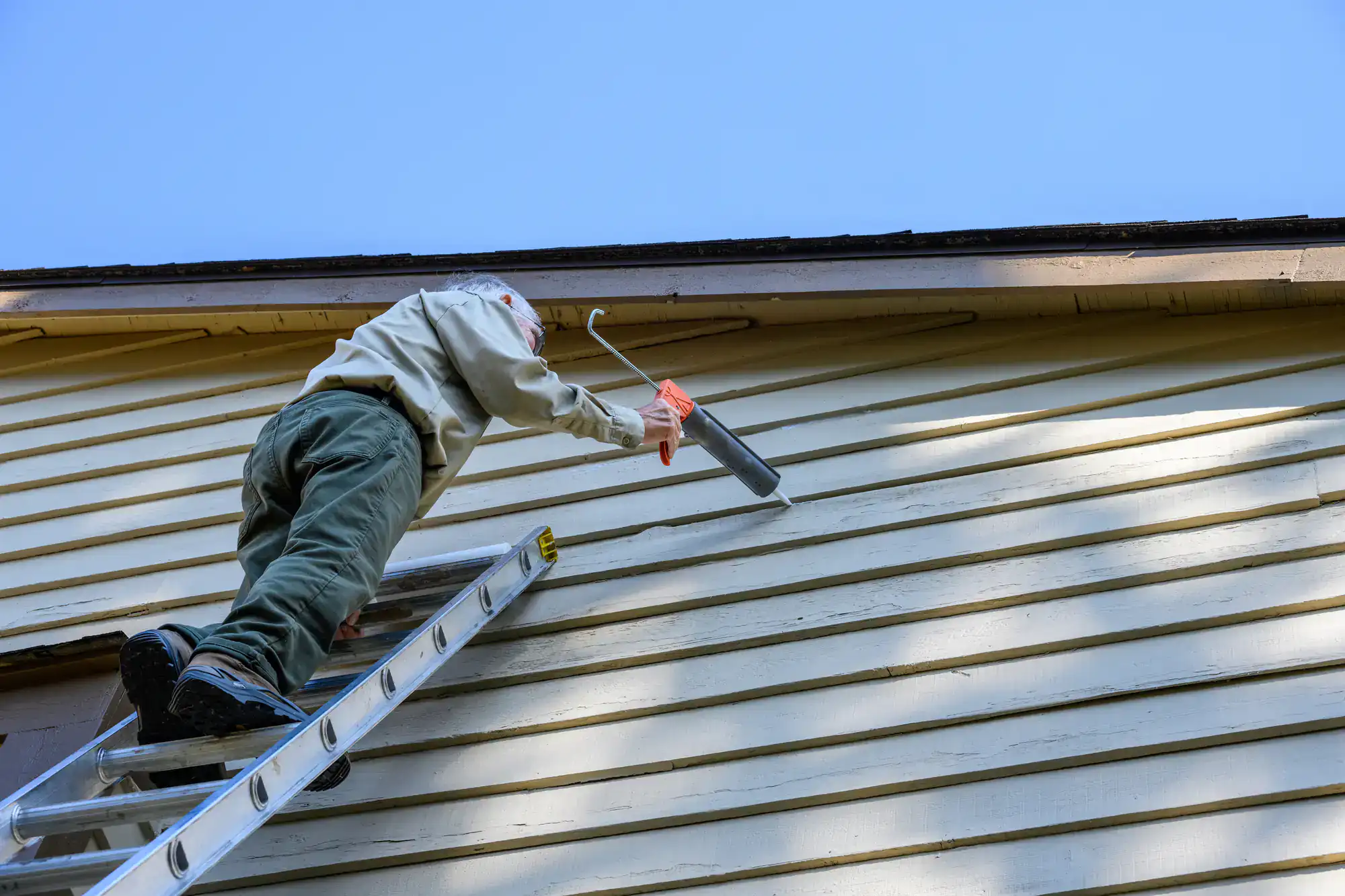
Most homeowners in Stony Brook spend between $300 and $1,500 for siding repair, depending on how much damage there is and what material you’re working with. A small vinyl siding repair—replacing a few cracked panels—might run $300 to $600. If you’re dealing with rot, flashing issues, or larger sections of damaged siding, you’re looking at $800 to $1,500 or more.
Material matters too. Vinyl is usually the least expensive to repair. Cedar siding repair and aluminum siding repairs cost more because the materials are pricier and the labor takes longer. Wood shingle siding repair can get expensive fast if rot has spread behind the shingles.
We give you a clear estimate after we see the damage. No guessing, no padding. You’ll know what it costs and why before we start.
Yes, in most cases. We work with suppliers who carry a wide range of vinyl, fiber cement, wood, and aluminum siding in different colors and profiles. If your siding is a common style and color, we can usually get an exact or very close match.
If your siding is older or discontinued, we might need to replace a larger section so the new material blends in better. Sometimes that means replacing an entire wall instead of just a few panels—not because we want to upsell you, but because a mismatched patch in the middle of your front wall looks worse than the damage did.
We’ll show you samples and explain your options during the estimate. If matching isn’t possible, we’ll talk through alternatives that make sense for your home and budget.
Most siding repairs in Stony Brook take one to three days, depending on the scope. A straightforward fix—replacing a few cracked panels or re-securing loose siding—can be done in a few hours. If we’re dealing with rot, moisture damage, or flashing repairs, it might take a full day or two.
Larger jobs, like repairing storm damage across multiple walls or fixing extensive wood rot, can take three to five days. Weather can slow things down too, especially if we’re working in winter or during a stretch of rain.
We’ll give you a timeline when we quote the job. We don’t drag things out, and we don’t leave your house open to the elements overnight. If we have to remove siding, we make sure everything’s sealed up at the end of each day.
Wind is the biggest culprit in Stony Brook. When panels aren’t fastened correctly or the nails start to pull out, wind gets underneath and lifts the siding away from the house. Once that happens, the panels flex and crack, or they just blow off completely during a storm.
Temperature swings cause problems too. Vinyl expands and contracts with heat and cold. If it’s installed too tight, it can’t move, and it cracks. If it’s too loose, it rattles and pulls away from the fasteners. Ice dams and heavy snow can also push siding out of place or crack it under the weight.
Impact damage—branches, hail, debris—cracks siding outright. And if water’s been getting behind your siding for a while, the rot weakens the structure, and panels start sagging or coming loose even without wind. We look for all of these issues when we inspect your siding so we’re not just fixing symptoms.
Absolutely. That’s one of the first things we do when we pull damaged siding. If water’s been getting in, the sheathing, house wrap, or insulation behind the siding might be wet, stained, or rotting. We check for soft spots, discoloration, mold, and any signs that moisture has been sitting there.
If we find water damage, we’ll show you what’s going on and explain what needs to be replaced. Sometimes it’s just the moisture barrier. Sometimes the sheathing is compromised and needs to be cut out and rebuilt. We don’t hide it or patch over it—that just leads to bigger problems down the road.
Fixing water damage costs more than a simple siding repair, but it’s the only way to make sure your walls stay solid and your home stays protected. We’ll walk you through the options and the costs so you can make the call.
Yes. If a storm rips your siding off or cracks it badly enough that water’s getting in, we’ll come out as soon as we can to assess the damage and get it covered. We know that exposed sheathing and open walls can lead to serious water damage fast, especially if more rain is coming.
We’ll tarp or temporarily seal the damaged area to keep water out, then schedule the full repair as quickly as possible. Storm season keeps us busy, so response times can vary depending on how many calls we’re getting, but we prioritize homes with active leaks or large sections of missing siding.
If you’ve got storm damage, call us right away. Even if we can’t get out the same day, we’ll talk you through temporary measures you can take to protect your home until we arrive.
Other Services we provide in Stony Brook