
Hear from Our Customers
You’re not just patching a crack. You’re stopping water from rotting your wall studs, preventing mold from spreading behind your drywall, and keeping your heating bill from climbing every month because cold air is pouring through gaps you can’t even see.
A proper siding repair in Westhampton, NY addresses what’s happening behind the surface. When vinyl siding cracks or cedar shingles split, moisture gets in fast—especially with the freeze-thaw cycles and salt air that hit Long Island homes harder than almost anywhere else. That $500 repair today prevents the $15,000 structural fix six months from now when water has been sitting in your walls through a wet winter.
You’ll also notice your home feels more comfortable. Damaged siding creates drafts that make rooms colder in winter and hotter in summer. Fix loose siding now, and your furnace and AC won’t have to work overtime compensating for air leaking through compromised exterior walls.
SkyLuxe Construction Inc has spent decades working exclusively in Suffolk County. We know exactly how nor’easters tear at loose panels, how salt air corrodes aluminum siding trim, and how woodpeckers target cedar siding on homes near the water.
We’re not a national franchise following a script. We’re local contractors who live here, work here, and have repaired siding on hundreds of Westhampton homes facing the same coastal exposure yours does. When you call, you’re talking to licensed professionals who’ve handled every type of damaged siding repair this area can throw at a house.
Every job comes with our workmanship guarantee. If there’s ever an issue with our installation, we fix it. No runaround, no subcontractors who’ve moved on to the next town.
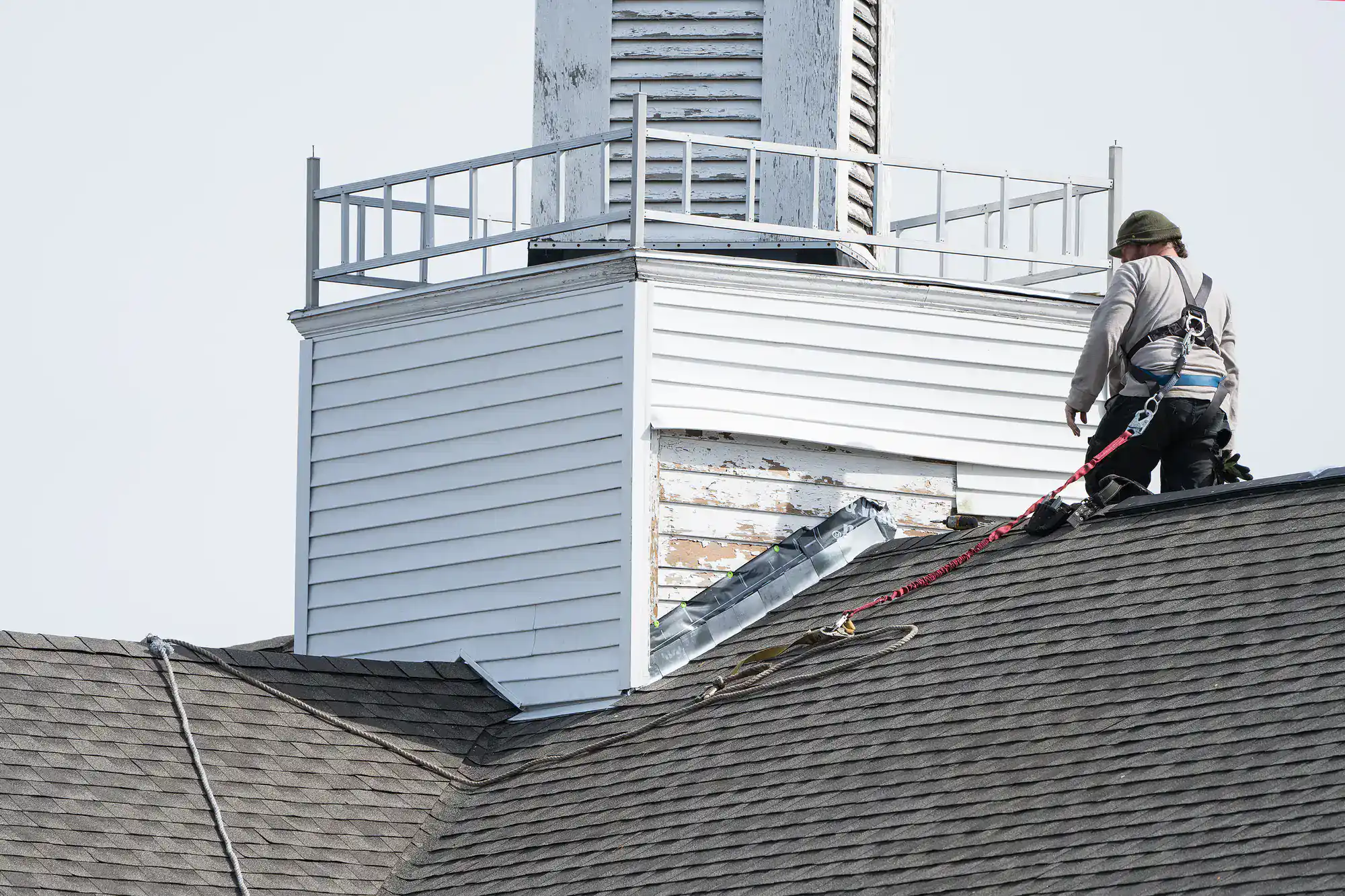
First, we come out and actually look at what’s going on. Not a sales pitch—a real assessment of whether you need a repair or a replacement, what’s causing the damage, and whether there’s hidden rot or water infiltration we need to address before fixing the exterior.
We’ll tell you if it’s a simple vinyl siding repair or if cracked siding has let water damage the sheathing underneath. You’ll get a clear price before we start, with no surprise charges when the job’s done. If insurance is involved, we document everything and work directly with adjusters who know our reputation.
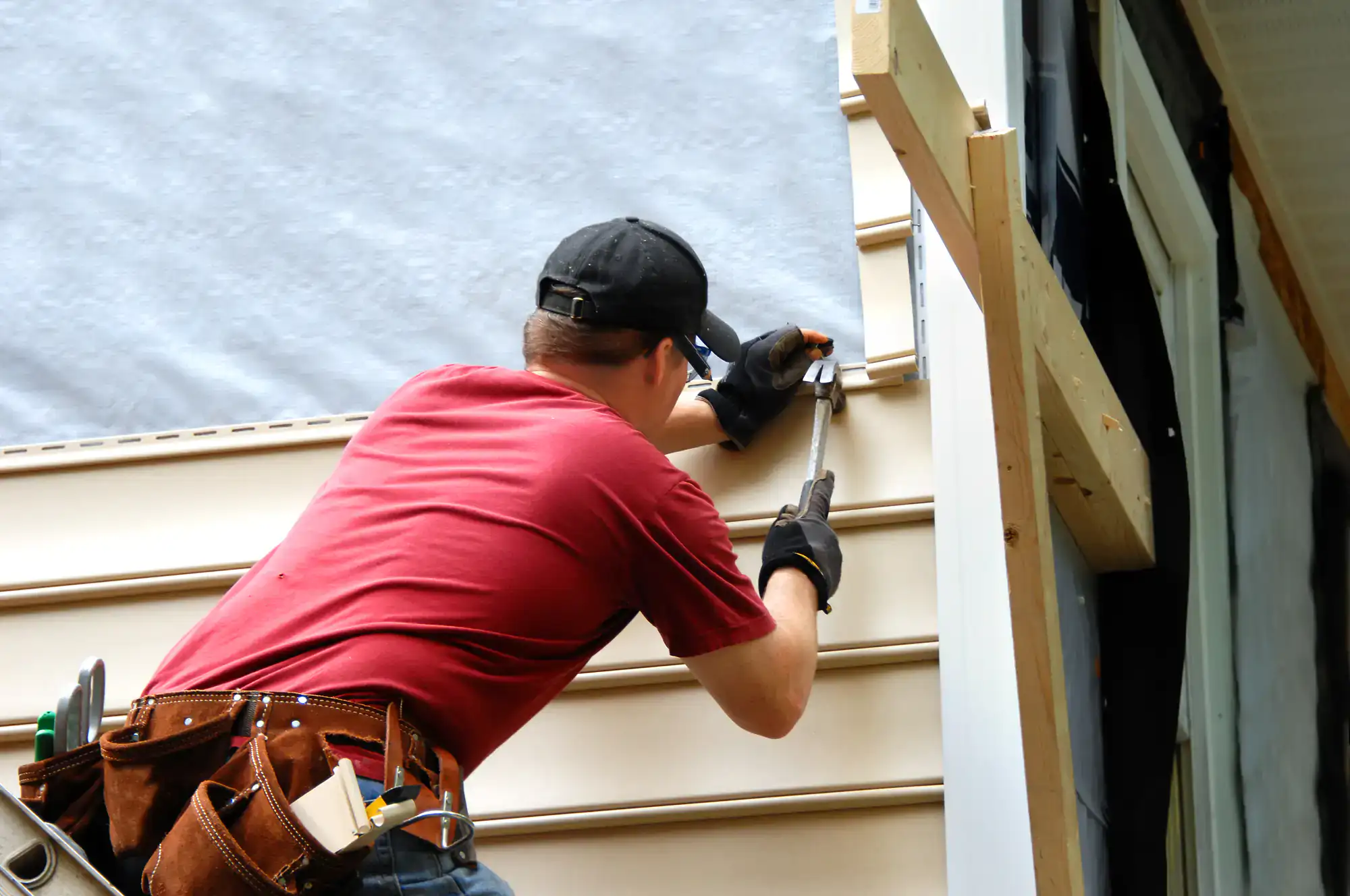
Then we fix it right. That means matching your existing material—whether it’s vinyl, cedar, fiber cement, or aluminum—removing damaged sections completely, addressing any moisture issues behind them, and installing new siding with proper flashing and sealant rated for coastal exposure. We handle permits, inspections, and cleanup.
Most siding repairs in Westhampton, NY take one to three days depending on extent. Emergency repairs for active leaks? We can get someone out the same day to stop water from getting in while we schedule the full fix.
Ready to get started?
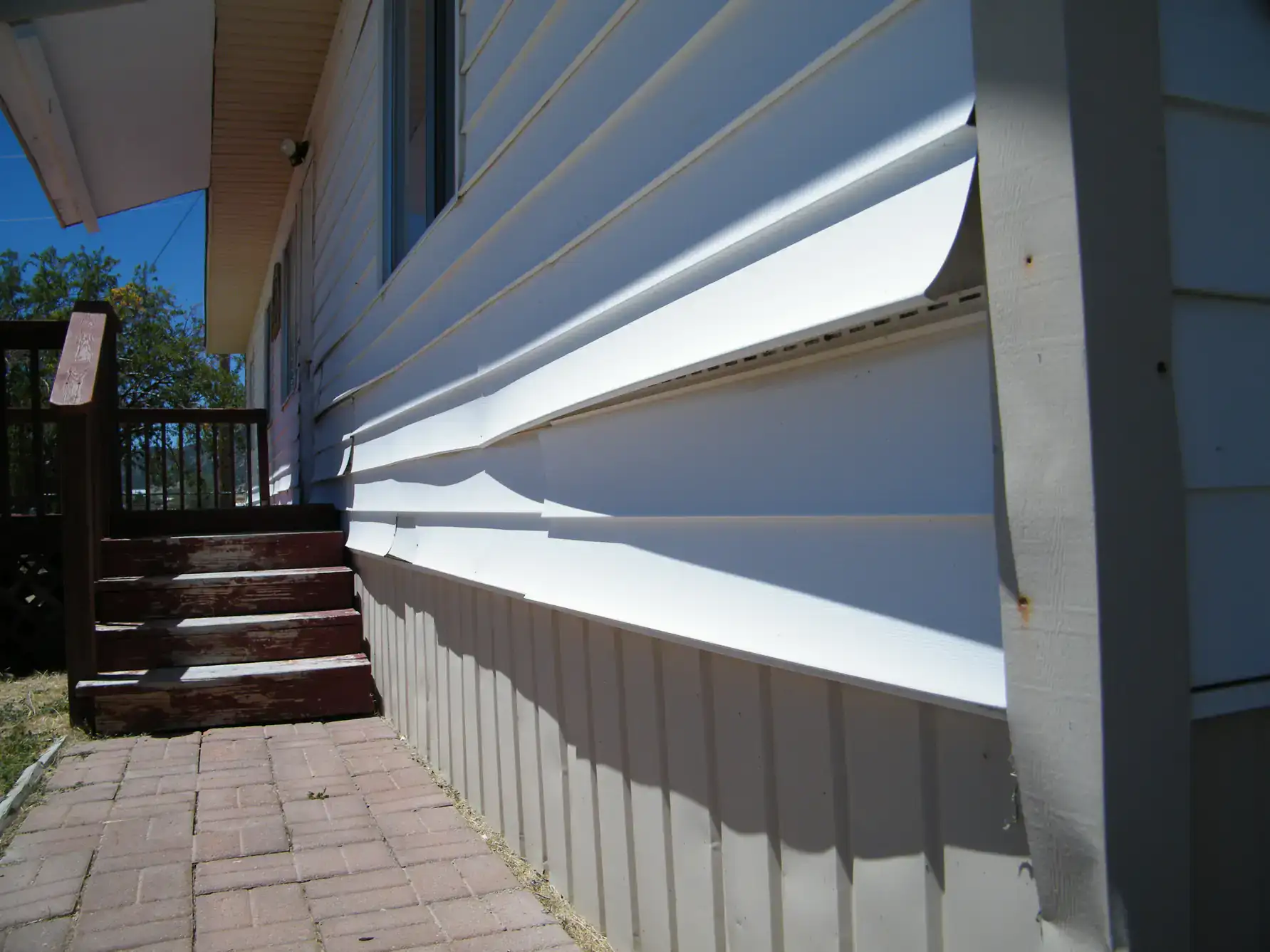
We repair all the common siding failures that hit Westhampton homes. Cracked panels from freeze-thaw cycles. Loose sections torn up by high winds during coastal storms. Siding rot from water that’s been sitting behind compromised areas. Holes from impacts or woodpecker damage on cedar siding. Corroded aluminum siding trim that’s letting moisture behind your walls.
Patching holes in vinyl siding isn’t just about cosmetics. It’s about stopping the water infiltration that causes interior damage you won’t see until it’s expensive. Same with cedar siding repair—if woodpeckers have been at it, there’s usually moisture damage that attracted them in the first place, and that needs addressing before we replace the shingles.
Suffolk County’s coastal location means your siding takes more abuse than homes twenty miles inland. Salt exposure corrodes fasteners and seals. Hurricane-season winds and nor’easters create sustained pressure that loosens panels. Humidity and temperature swings expand and contract materials hundreds of times per year. We use fasteners, sealants, and installation methods designed specifically for these conditions—not generic approaches that work fine in calmer climates but fail here within a few years.
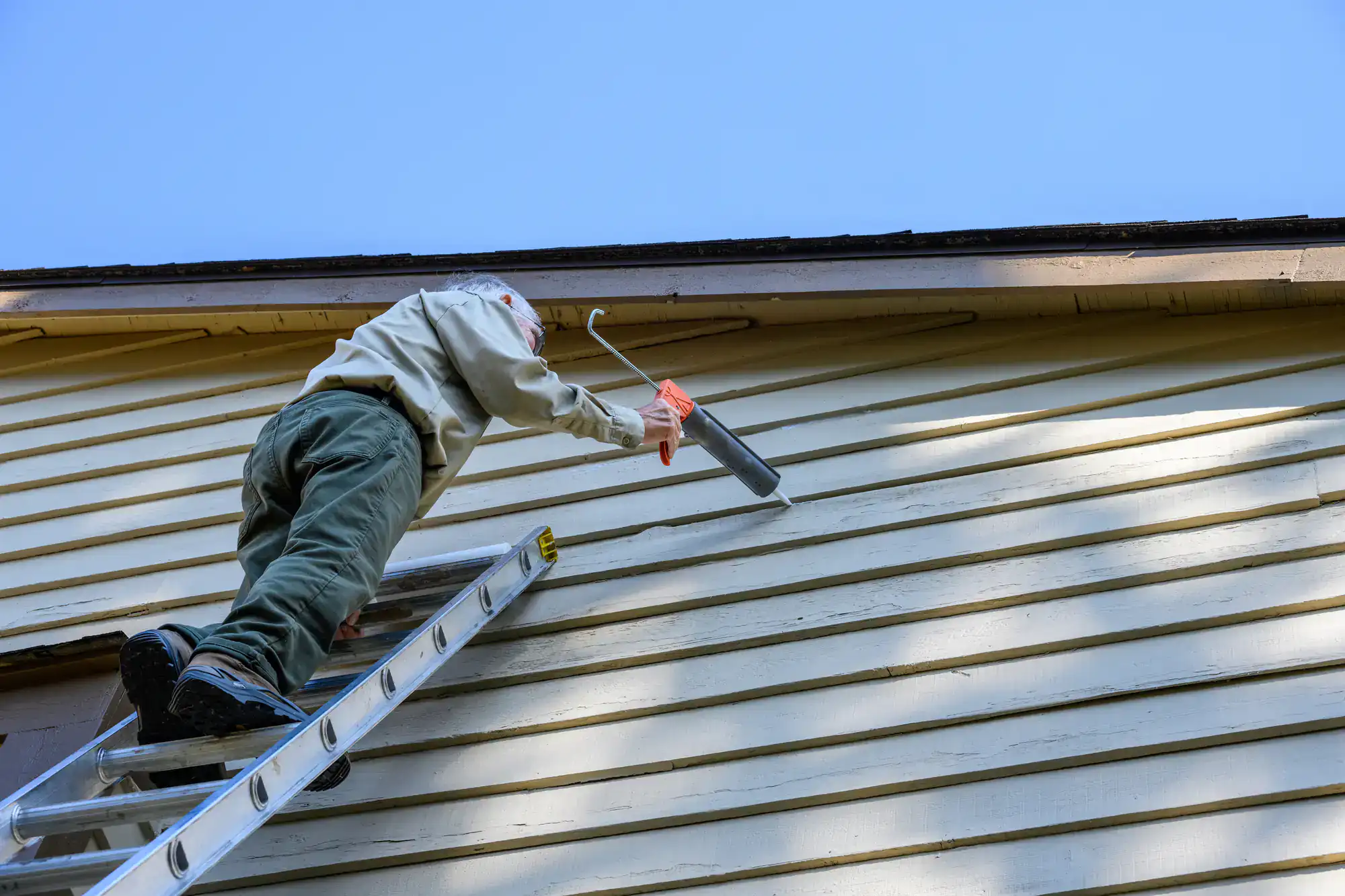
Most homeowners pay between $400 and $1,200 for typical siding repairs, depending on material type, damage extent, and accessibility. Small vinyl siding repairs—like replacing a few cracked panels—usually run $400 to $700. Cedar siding repair costs more because material and labor are higher, typically $800 to $1,500 for comparable work.
If there’s rot or water damage behind the siding, costs go up because we’re fixing structural issues, not just cosmetic ones. That might add $500 to $2,000 depending on how much sheathing or framing needs replacement. But that’s money preventing a much bigger problem—water damage that goes untreated turns into mold remediation and wall rebuilds that cost $10,000 or more.
Storm damage is often covered by insurance, especially if you’re filing after a named storm event. We document everything and work with your adjuster to make sure the claim reflects actual damage, which sometimes means insurance covers a full section replacement even when a smaller repair would technically work.
If damage is localized to one area—a few cracked panels, a section torn loose by wind, isolated rot from a gutter leak—repair makes sense. If you’re seeing problems in multiple areas, or if your siding is over 30 years old and showing wear throughout, replacement is usually the smarter move financially.
Here’s the test: if we’d be back in two years fixing another section, and then another section after that, you’re better off replacing now. Older vinyl siding becomes brittle and cracks more easily. Cedar shingles past their lifespan start failing in clusters. Aluminum siding from the 70s and 80s corrodes at fastener points and lets water behind the walls even when panels look okay from the street.
We’ll tell you honestly which makes sense for your situation. Sometimes a $600 repair buys you another decade. Sometimes it’s throwing money at a system that’s going to keep failing, and a $12,000 replacement is the actual cost-effective choice because you’re done fixing things for the next 30 years.
Usually, yes—but it depends on your siding type and age. Vinyl siding is easiest to match because profiles and colors haven’t changed much in 20 years. We can usually find exact or near-exact matches for most vinyl installed since 2000. Older than that, we might need to replace a full wall section to avoid obvious color differences from UV fading.
Cedar siding repair is trickier because wood grain and weathering are unique. We can match profile and dimensions, but new cedar looks different than 15-year-old weathered shingles. Sometimes we install new sections and let them weather naturally. Sometimes we replace a full visible wall so everything ages together. It depends on how much you care about appearance versus function.
Aluminum siding and fiber cement can usually be matched reasonably well, though discontinued colors sometimes require creative solutions like painting the repair section to blend. We’ll show you samples before starting so you know what to expect—no surprises when the job’s done.
Coastal weather is the main culprit. Salt air corrodes metal fasteners and trim, even on vinyl and fiber cement installations. When fasteners fail, panels come loose and let water behind them. Freeze-thaw cycles expand and contract materials—vinyl becomes brittle and cracks, cedar splits along grain lines, and any existing gaps get wider with each temperature swing.
Wind is the other big factor. Westhampton gets hit by sustained coastal winds during storms that create uplift pressure on siding panels. If installation wasn’t done right—fasteners placed wrong, panels not locked together properly—wind gets underneath and tears sections loose. We see this constantly after nor’easters and tropical systems.
Humidity and moisture also cause problems faster here than inland. Wood siding rots quicker. Mold grows behind vinyl if there’s any water infiltration. Even fiber cement, which handles moisture well, fails at joints and seams if they weren’t sealed properly for high-humidity coastal environments. Suffolk County homes need installation methods and materials rated for these specific conditions, not generic approaches that work fine in drier or calmer climates.
A properly done repair should last as long as the surrounding original siding—10 to 30 years depending on material type. Vinyl siding repairs hold up well if we use quality panels and install them correctly with fasteners rated for coastal exposure. Cedar siding repair lasts 15 to 25 years if the underlying structure is sound and we address whatever moisture issue caused the original damage.
The key is fixing what caused the failure in the first place. If siding cracked because a gutter was overflowing and dumping water on it, we need to fix the gutter issue or the new siding will fail too. If panels came loose because fasteners corroded, we use stainless steel fasteners on the repair so it doesn’t happen again.
Cheap repairs fail fast here. Using builder-grade sealant instead of marine-grade products formulated for salt exposure means seals break down in a few years. Skipping proper flashing details means water gets behind the repair even though the surface looks fine. We’ve been doing this long enough in Suffolk County to know which shortcuts cause callbacks and which methods actually hold up to Westhampton’s coastal conditions long-term.
Yes. We document damage with photos and detailed notes that insurance adjusters need to process claims. We’ll meet with your adjuster on-site, walk them through what happened, and explain what repairs are necessary versus what’s pre-existing wear. Most adjusters in Suffolk County know our work and trust our assessments.
Storm damage claims often cover more than you’d expect. If a hurricane or nor’easter damaged multiple sections, insurance sometimes covers replacing entire walls or even full sides of the house to ensure everything matches and performs consistently. We make sure claims reflect actual scope—not inflated, but not shortchanged either.
The process usually takes two to four weeks from initial claim to approval, though emergency temporary repairs can often start immediately if there’s active water infiltration. We can bill insurance directly in many cases, so you’re only paying your deductible upfront. And if your claim gets denied or underpaid, we provide documentation to support your appeal with specific details about why the damage requires the repairs we’re recommending.
Other Services we provide in Westhampton