
Hear from Our Customers
You stop worrying about the next storm. Your heating bills drop because your home isn’t bleeding air through cracked, warped siding that’s past its prime.
You’re not repainting every few years or scraping off peeling layers in the summer heat. The siding looks sharp, holds up to coastal weather, and requires nothing more than an occasional rinse.
Your home value stays protected. Curb appeal improves immediately and holds for decades. When neighbors ask who did the work, you’ll have an answer you’re confident giving. That’s what quality vinyl siding installation in Aquebogue should deliver—and it’s exactly what you get when the job is done right from day one.
We’ve been serving Suffolk County homeowners for over 35 years. We’re a family operation, and we’ve completed more than 2,000 exterior projects across Long Island—including plenty right here in Aquebogue.
We know what North Fork homes face. Salt air eats through cheap materials. Wind-driven rain finds every gap. Temperature swings crack inferior siding. We stock materials built for these conditions and install them the right way—not the fast way.
Every project gets personal oversight. You’re not handed off to a subcontractor who’s never seen coastal weather. You work with people who’ve been doing this long enough to know what works and what fails in five years.
We start with an honest assessment of your current siding. If there’s moisture damage, rot, or structural issues underneath, we tell you before we quote the job. No surprises halfway through.
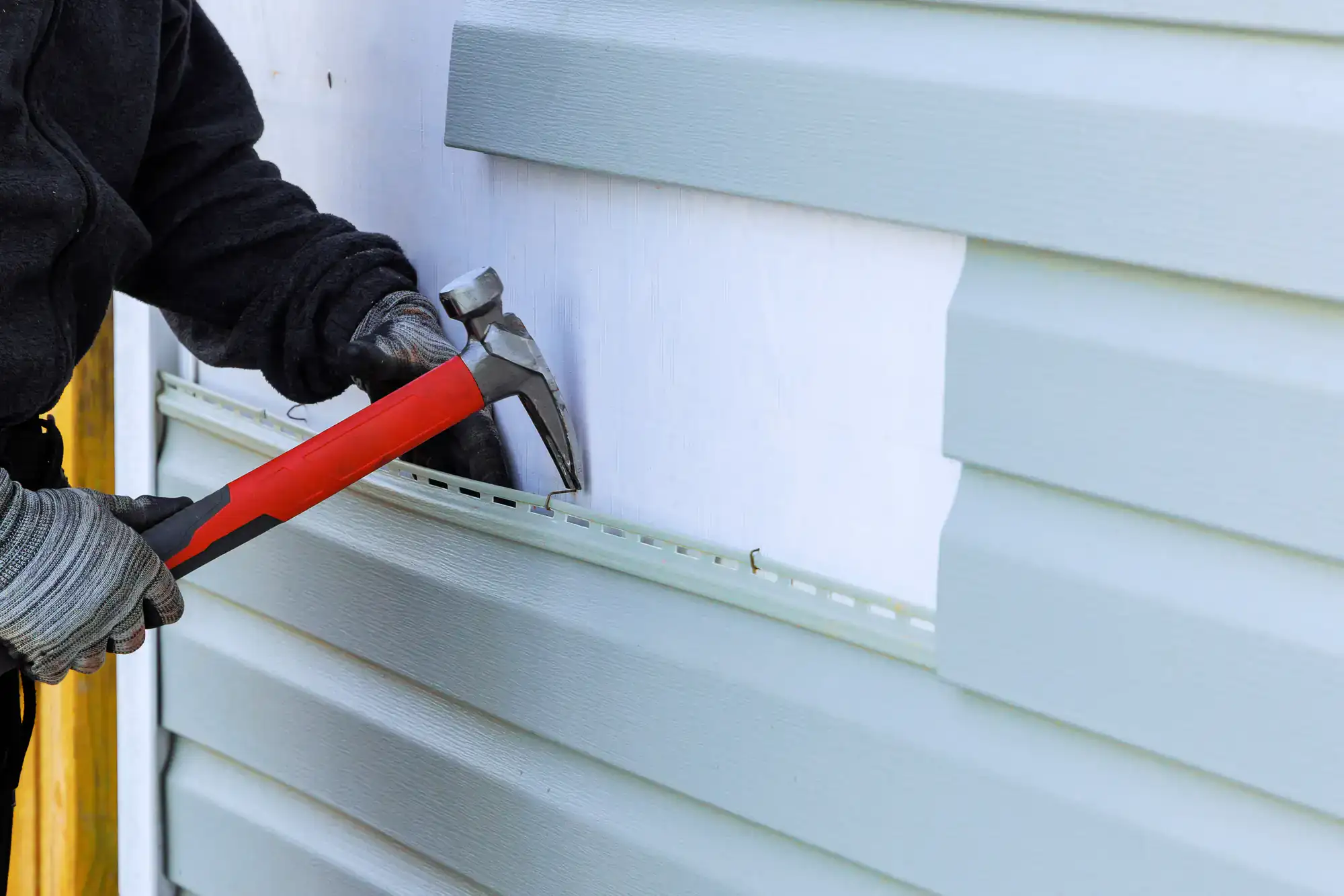
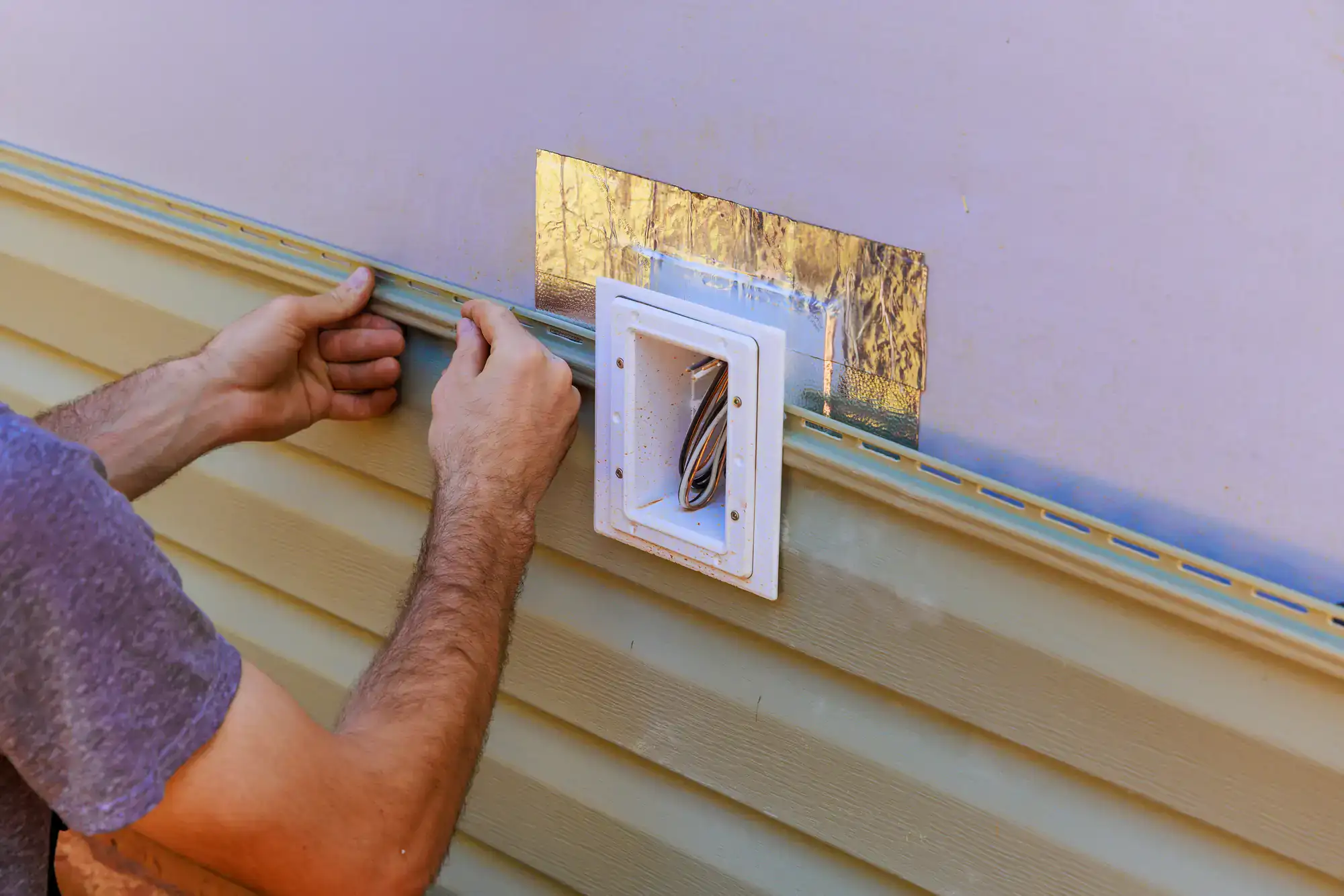
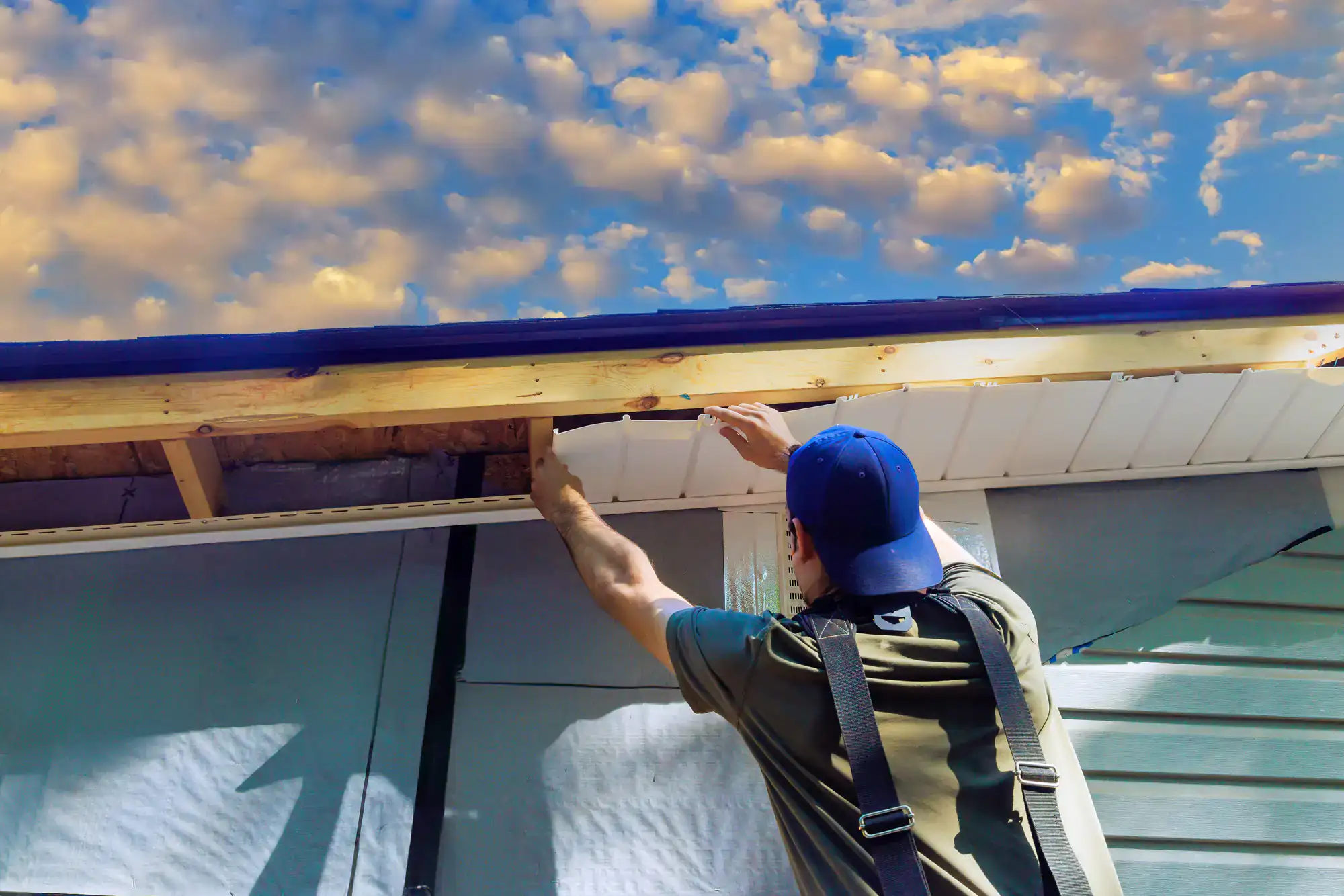
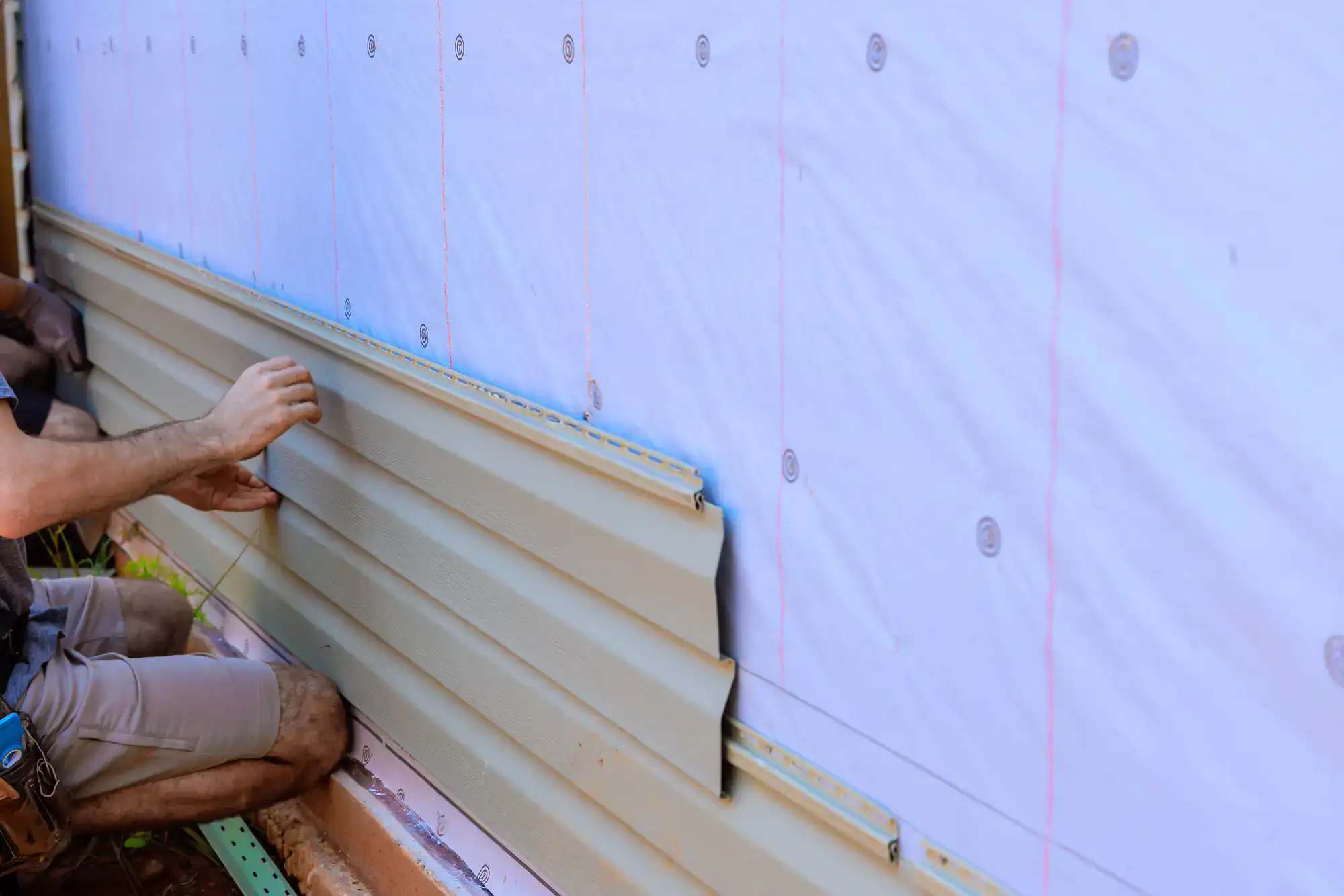
Once we’re on-site, we remove old siding carefully to avoid damaging your sheathing or trim. We inspect the substrate, address any issues, and install a proper moisture barrier. Then we hang the vinyl panels with room for thermal expansion—critical in Long Island’s temperature swings.
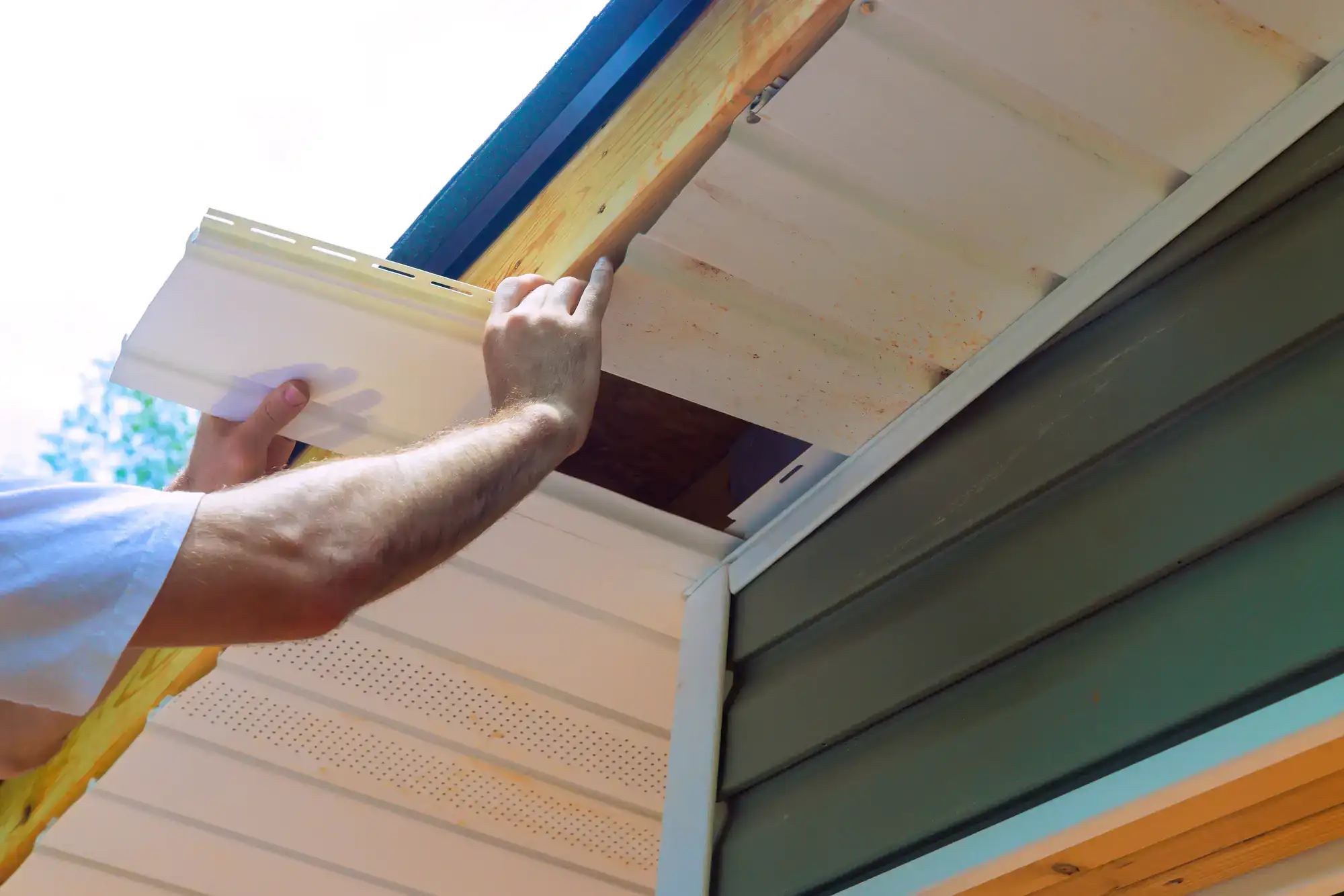
Each panel gets secured correctly, not over-nailed or pinched tight. We use materials rated for coastal wind loads and install them to manufacturer specs. Corners, J-channels, and trim get sealed properly so water doesn’t sneak behind the siding.
When we’re done, you get a walkthrough. We show you what we did, answer your questions, and make sure you’re clear on warranty coverage. Then we clean up and leave your property the way we found it—except your siding actually works now.
Ready to get started?
You’re getting vinyl siding designed for coastal conditions—not the builder-grade stuff that fades in three years. We’re talking about panels with published wind ratings, UV inhibitors, and proper thickness that won’t buckle when August hits 95 degrees.
Aquebogue homes deal with unique challenges. You’re close enough to Peconic Bay that salt spray is a real issue. Humidity stays high. Storms roll in hard off the water. The vinyl we install resists all of it without the maintenance headaches of wood or the denting problems of aluminum.
Insulated options are available if energy efficiency matters to you—and in a market where median home values hit $825K, most homeowners care about keeping heating costs down. Insulated vinyl can boost your wall’s R-value significantly, which translates to real savings over a Long Island winter.
You also get access to modern colors and styles. The trend right now leans toward darker grays and navy blues, which look sharp on North Fork properties. We’ll walk you through options that match your home’s style and the neighborhood aesthetic without looking like you’re trying too hard.
Quality vinyl siding lasts 30 to 40 years in coastal areas when it’s installed correctly. The key word is “quality.” Cheap vinyl will fade, crack, or warp within a decade, especially with the salt air and temperature swings you get near Peconic Bay.
The vinyl we install is engineered for coastal exposure. It resists UV damage, won’t rot or rust, and handles moisture without breaking down. Properly installed panels allow for thermal expansion, so they don’t buckle when temperatures spike in summer or drop in winter.
You’re not going to get 40 years out of siding that was nailed too tight, installed over damaged sheathing, or made from thin, low-grade material. But if the substrate is sound, the installation follows best practices, and the product is built for Long Island weather, you’re looking at decades of performance with minimal maintenance.
Non-insulated vinyl is just the panel—it provides weather protection and looks good, but doesn’t add much thermal value. Insulated vinyl has a foam backing contoured to fit the panel, which increases the wall’s R-value and adds rigidity to the siding itself.
For Aquebogue homeowners, insulated vinyl makes sense if you’re trying to reduce energy costs or improve comfort. It won’t transform your home into a passive house, but it does reduce thermal bridging and can noticeably cut heating and cooling bills over time.
The foam backing also makes the siding more impact-resistant and reduces noise transmission. If you’re near a busy road or just want a quieter interior, that’s a real benefit. It costs more upfront, but the energy savings and added durability often justify the difference—especially in a high-value market where you’re planning to stay long-term.
Almost none. You’ll want to rinse it once or twice a year with a garden hose or a mild detergent solution to remove salt residue, pollen, and dirt. That’s it.
Unlike wood siding, you’re not repainting, restaining, or sealing anything. Unlike fiber cement, you’re not worrying about caulking joints or repainting every decade. Vinyl doesn’t rot, so you’re not replacing boards that got wet. It doesn’t attract insects, so no termite concerns.
If a panel gets damaged—say, from a flying branch during a storm—you can replace individual pieces without redoing the whole wall. But that’s rare with quality materials installed correctly. Most homeowners go years without touching their vinyl siding beyond an occasional cleaning, which is exactly why it’s popular in coastal areas where maintenance time is better spent doing literally anything else.
It depends on what you’re replacing and whether you choose insulated vinyl. If your current siding is cracked, warped, or poorly installed, you’re losing conditioned air. New vinyl with proper installation and a moisture barrier will tighten up your home’s envelope and reduce energy waste.
Insulated vinyl takes it further by adding R-value to your exterior walls. Standard vinyl has an R-value around 0.61. Insulated vinyl can push that to R-2.0 or higher depending on the product. That’s not revolutionary, but it’s measurable—especially during Long Island winters when heating costs spike.
You’ll see the biggest impact if your current siding is old, damaged, or installed without a proper weather barrier. Homes built in the 1980s and 1990s—which make up a large portion of Aquebogue’s housing stock—often have siding that’s past its useful life. Replacing it with modern vinyl and addressing air leaks during installation can lead to noticeable savings on your utility bills within the first year.
If you’re seeing widespread cracking, warping, or loose panels, replacement usually makes more sense than patching. Repairs work when damage is isolated—a single cracked board, a small section hit by a falling branch. But if the problem is systemic, you’re just delaying the inevitable.
Look for signs of moisture intrusion: bubbling paint on interior walls, mold growth, soft spots in your sheathing. Those indicate your siding isn’t doing its job anymore. Also check your energy bills—if they’ve crept up without explanation, failing siding could be the culprit.
Aquebogue’s coastal climate accelerates siding deterioration. Salt air, high humidity, and temperature swings take a toll. If your siding is 20+ years old and showing multiple issues, replacement gives you better long-term value than ongoing repairs. We’ll give you an honest assessment when we inspect your home—if a repair makes sense, we’ll tell you. If it doesn’t, we’ll explain why and show you what’s happening behind the scenes.
Look for contractors with a track record in coastal installations. Suffolk County weather isn’t the same as upstate New York or New Jersey. You need someone who understands wind ratings, moisture management, and thermal expansion in a marine environment.
Ask about their installation process. Do they inspect the substrate before quoting? Do they install moisture barriers? Do they allow for panel movement, or do they nail everything tight and hope for the best? The answers tell you whether they know what they’re doing or just watched a YouTube video.
Check how long they’ve been in business and whether they’re local. A contractor who’s been serving Long Island for decades has seen what works and what fails. They’re also easier to reach if you need warranty work or have questions years down the line. Fly-by-night crews offer low prices because they’re not sticking around to fix problems—and in a market where homes are valued at $825K, you can’t afford that kind of risk.
Other Services we provide in Aquebogue