
Hear from Our Customers
You’re not just covering your walls. You’re stopping moisture before it reaches your sheathing, adding insulation that cuts heat loss by up to 16%, and installing a barrier that won’t crack, warp, or need repainting every few years.
The right vinyl siding installation in Blue Point, NY means your heating bills drop in winter. Your AC doesn’t work as hard in July. And when the next coastal storm rolls through, you’re not scrambling to patch damage or deal with water intrusion.
Quality materials hold their color through years of sun and salt exposure. Insulated backing adds impact resistance against hail and wind-driven debris. And proper installation means every seam is sealed, every panel is secured, and your home is protected from the ground up.
We’ve worked on homes across Suffolk County for over 35 years. We’ve repaired storm damage from Hurricane Sandy, replaced siding after countless nor’easters, and installed protection on more than 2,000 properties in this area.
We’re a family-run operation, which means you get personal oversight on every job. No random subcontractors. No disappearing after the deposit clears. Just trained, licensed teams who know how coastal conditions affect your home and what it takes to protect it properly.
When you call, you’re talking to people who live here, work here, and understand what Blue Point homeowners face. That matters when you’re trusting someone with a major investment in your property.
First, we assess your current siding and look for underlying issues like moisture damage, rot, or structural concerns that need addressing before new material goes up. You’ll know exactly what we find and what it means for your project.
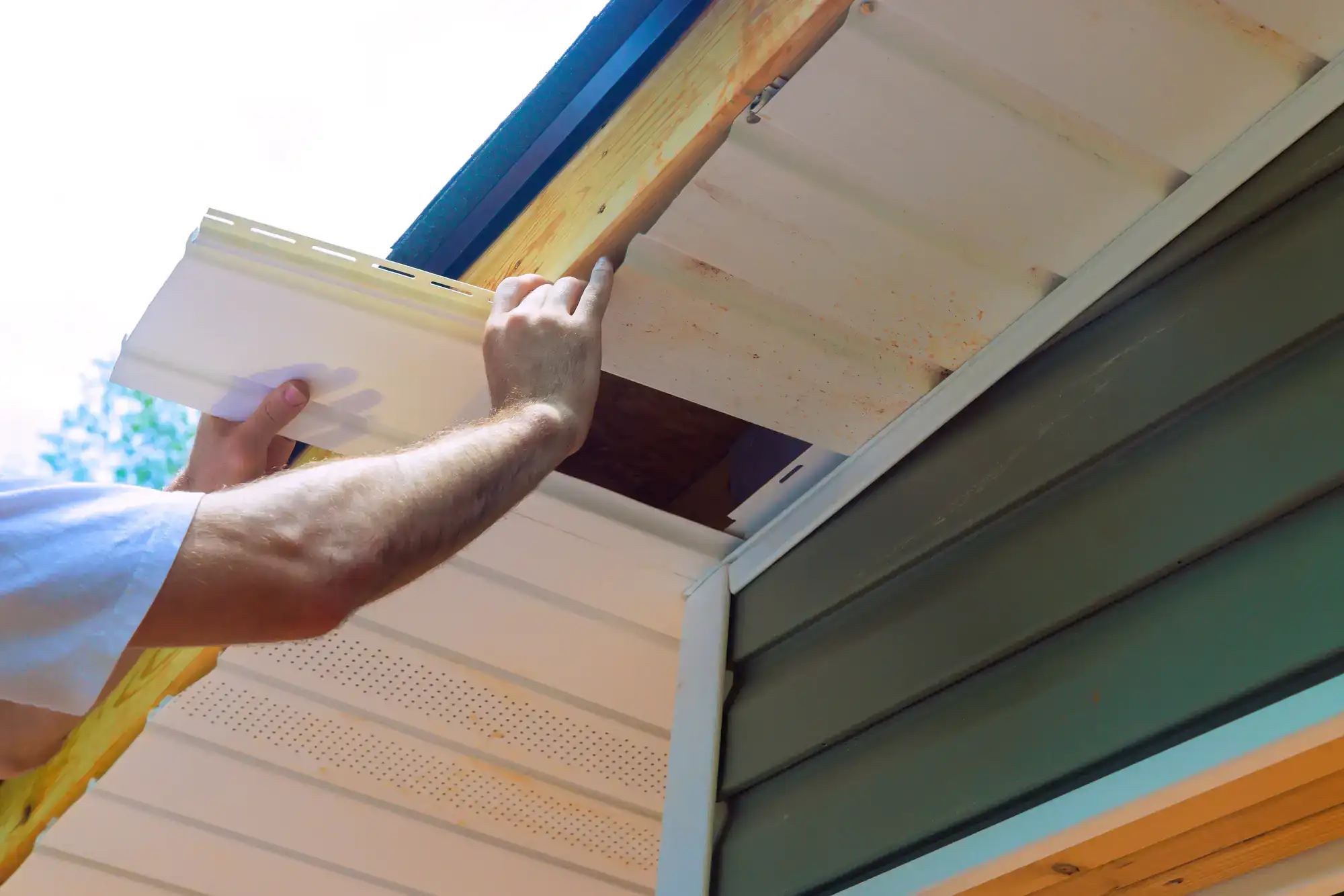
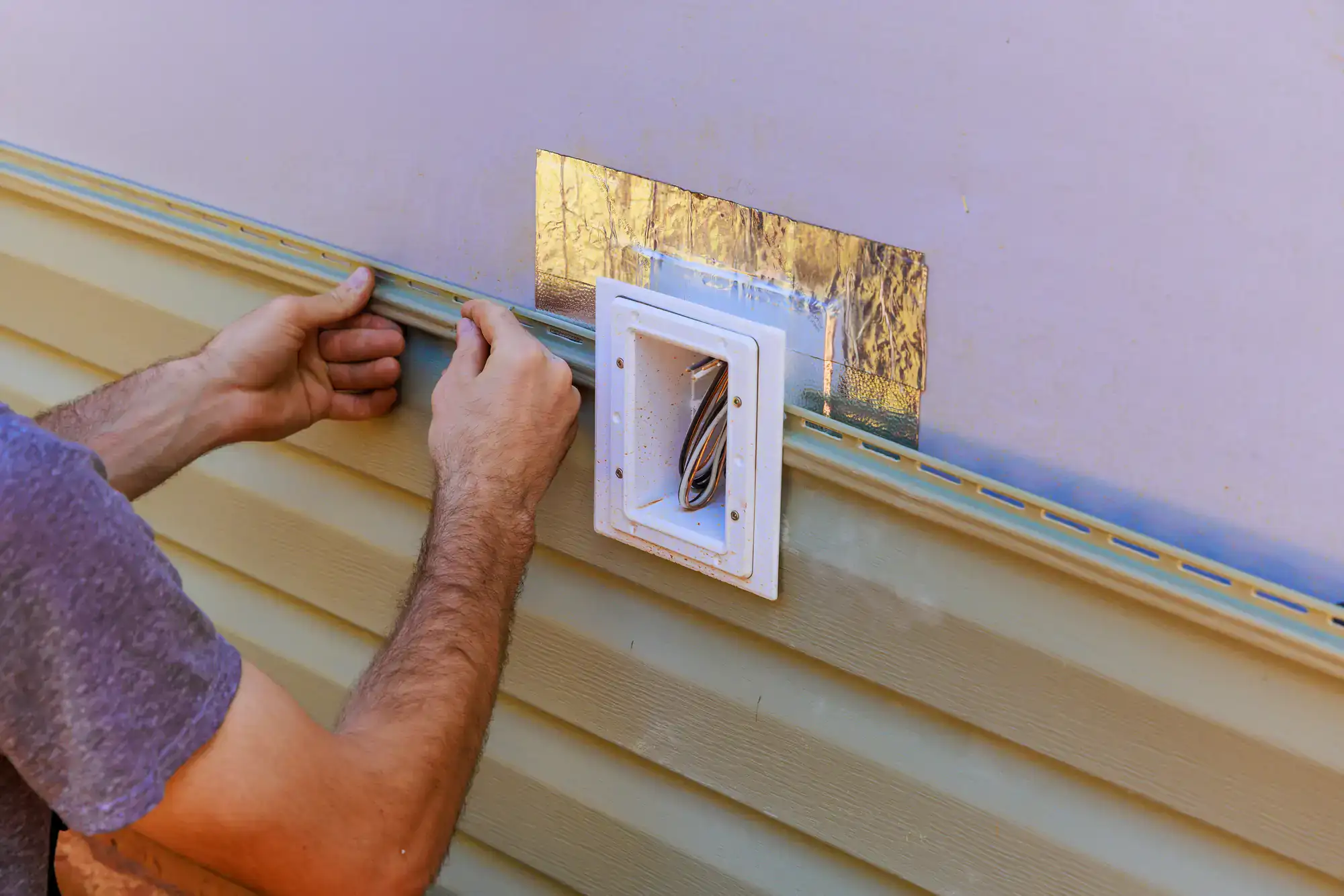
Next, we remove old siding carefully to avoid damaging your sheathing or trim. We inspect the substrate, make any necessary repairs, and install proper moisture barriers and insulation backing. This step is where most shortcuts happen with other contractors, but it’s also where long-term performance is won or lost.
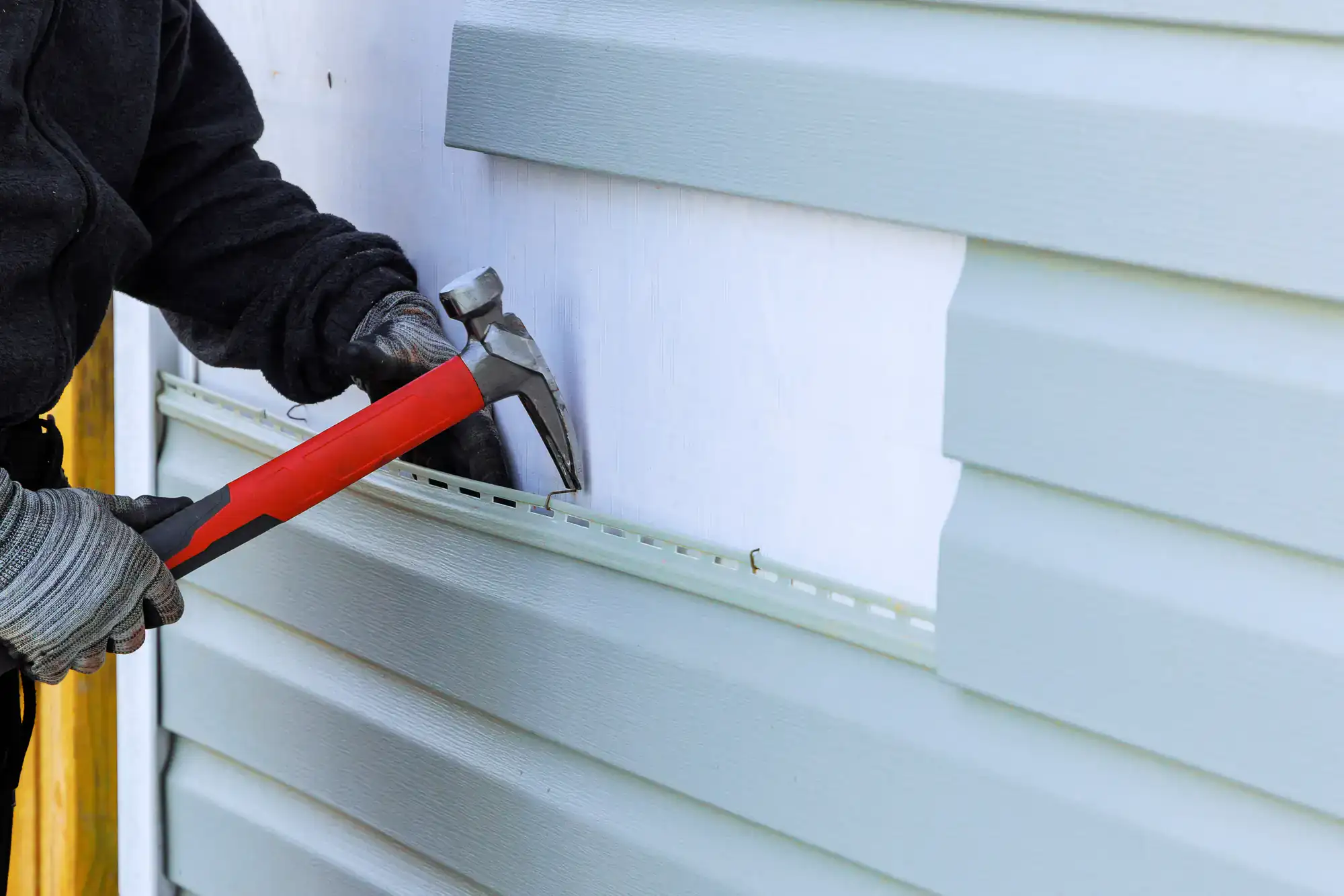
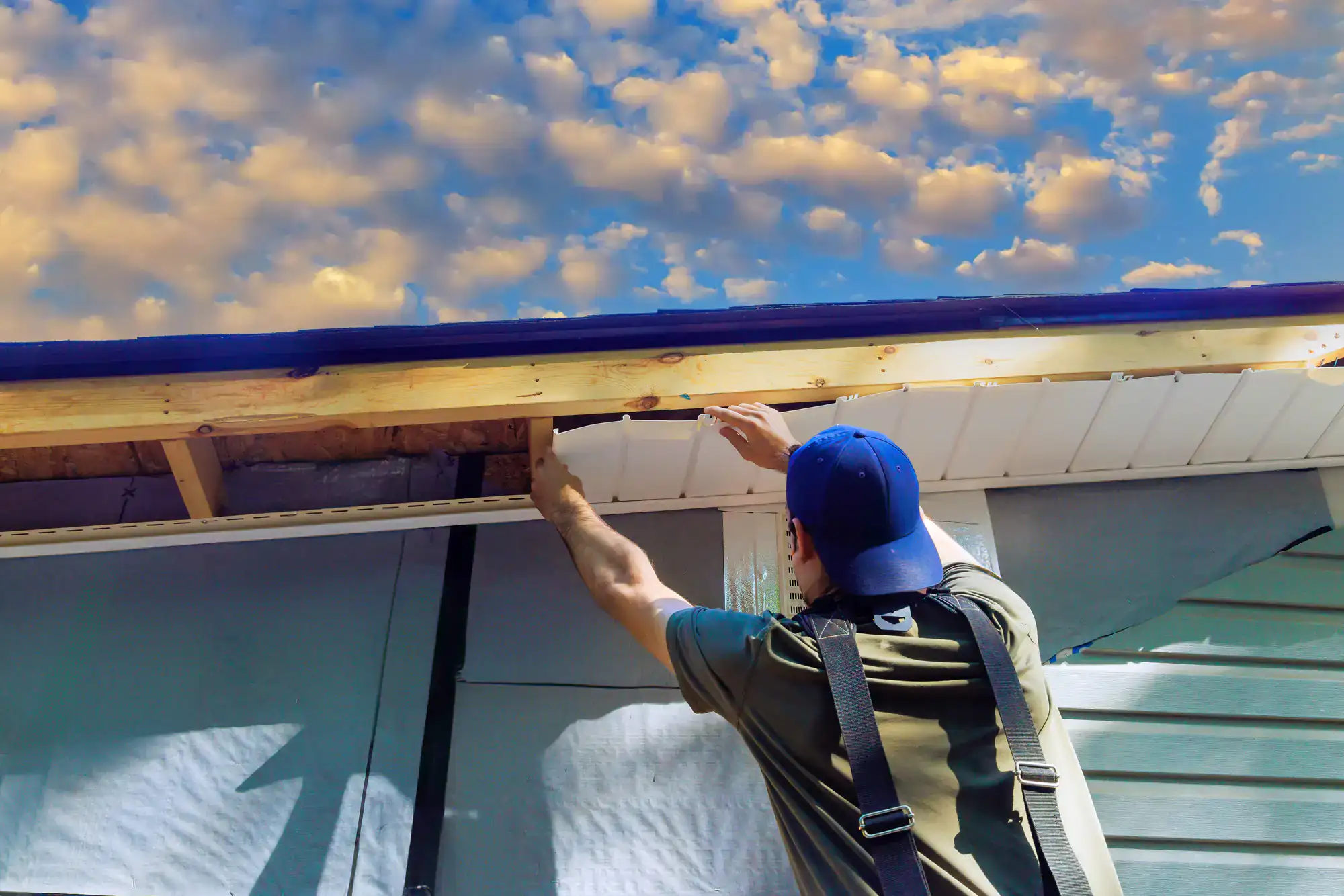
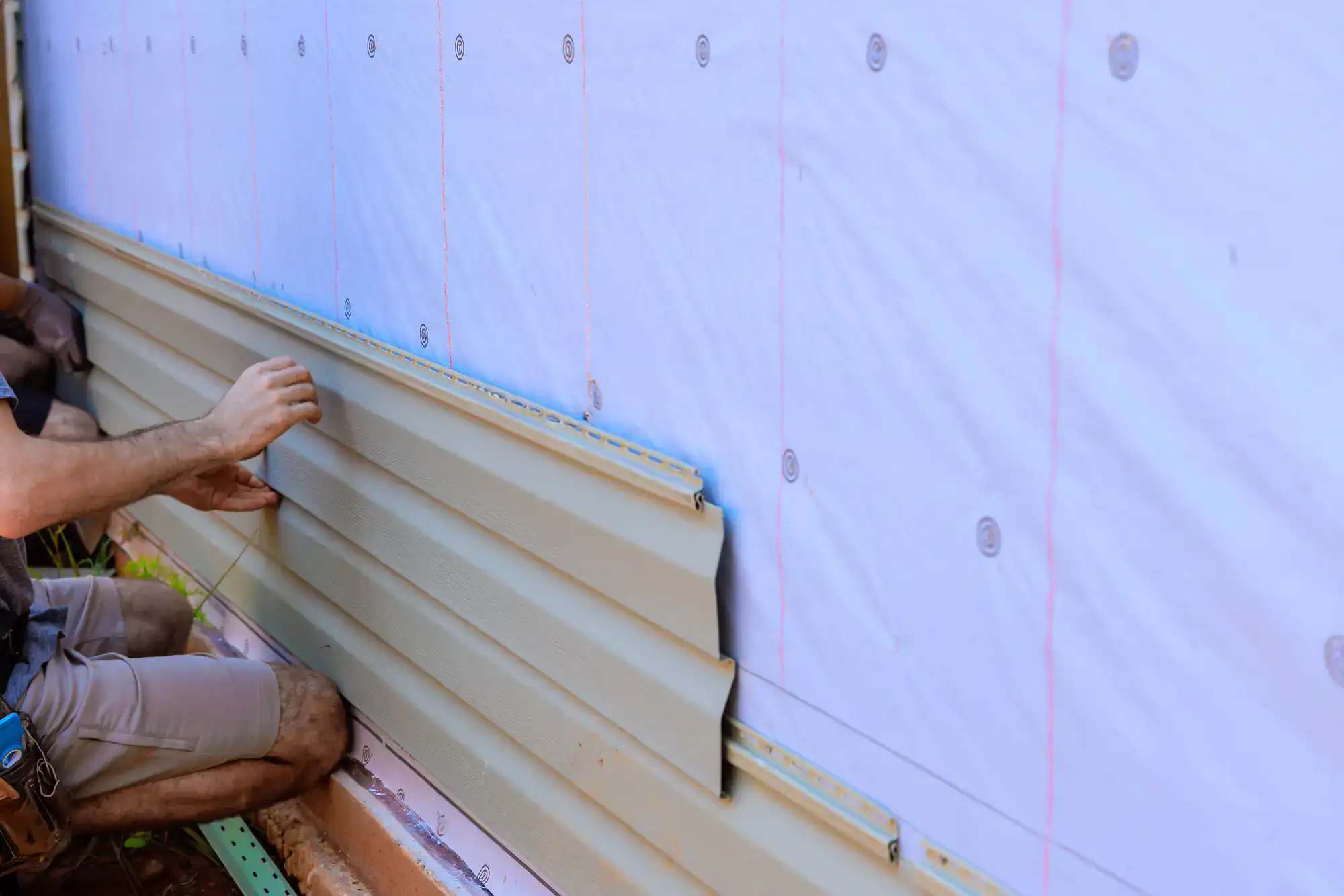
Then we install your new vinyl siding, starting from the bottom and working up, ensuring each panel locks securely and allows for proper expansion and contraction. We pay attention to corners, seams, and transitions where water typically finds its way in. Finally, we install trim, clean up completely, and walk you through the finished work so you know exactly what was done and how to maintain it.
Ready to get started?
You get premium-grade vinyl siding designed for coastal climates, with UV stabilizers that prevent fading and insulated backing that improves energy efficiency. We’re talking about materials that last 30-40 years when installed correctly, not builder-grade options that start failing in 15.
Your installation includes proper moisture barriers, secure fastening that accounts for wind loads common in Blue Point, and attention to ventilation so your walls can breathe. We also handle all trim work, corner posts, and J-channels to create a complete, weather-tight envelope.
In Blue Point, where homes face salt air from the harbor and temperature swings from 23°F in January to 81°F in July, your siding needs to expand and contract without buckling or pulling loose. We account for that in every installation. You also get detailed warranties on both materials and workmanship, so if something goes wrong, we come back and fix it at no charge.
Premium vinyl siding lasts 30-40 years in coastal conditions when installed properly, while mid-grade options typically last 25-35 years. The key factors are UV stabilizers in the material and correct installation that allows for expansion and contraction.
Blue Point’s salt air, humidity, and temperature swings are tough on exterior materials, but modern vinyl is engineered specifically for these conditions. The material doesn’t absorb moisture, won’t support mold growth, and holds color through decades of sun exposure. What shortens lifespan is usually poor installation—panels fastened too tight, inadequate moisture barriers, or improper ventilation.
If your current siding is 20+ years old and showing cracks, warping, or fading, you’re likely looking at replacement soon. Waiting too long means moisture gets behind the siding and causes structural damage that costs significantly more to repair.
Insulated vinyl siding can reduce your heating and cooling costs by 10-25% depending on your home’s current insulation levels and how much air leakage you’re dealing with. The foam backing adds an R-value of 2-4, which doesn’t sound like much but makes a real difference when combined with proper air sealing.
In Blue Point, where winter temps drop to the low 20s and summer humidity makes your AC work overtime, that thermal barrier matters. You’ll notice the biggest difference in rooms that used to feel drafty in winter or hot in summer despite running your HVAC. Your system won’t cycle on and off as frequently, which extends its lifespan and cuts energy waste.
The payback period varies, but most homeowners see the investment return through energy savings over 7-12 years, while also getting the benefit of improved comfort and property value. If your current siding has gaps, cracks, or no insulation backing, the energy savings will be on the higher end of that range.
Vinyl costs less upfront ($5-9 per square foot vs $7-14 for fiber cement), requires zero maintenance, and handles moisture better since it doesn’t absorb water. Fiber cement is more impact-resistant and holds paint longer, but it needs repainting every 10-15 years and can crack if moisture gets behind it and freezes.
For Blue Point’s coastal climate, vinyl has advantages. It won’t rot, doesn’t need painting, and sheds salt spray and humidity without degrading. Fiber cement is heavier and more durable against impacts, which matters if you’re in an area with lots of wind-driven debris, but it requires more maintenance and costs more to install.
Most homeowners here choose vinyl because the maintenance burden is nearly zero—just occasional washing with soap and water—and the material is proven in coastal conditions. If you want the look of wood grain without the upkeep, modern vinyl offers realistic textures that hold up better than any painted surface. The choice comes down to budget, aesthetic preference, and how much ongoing maintenance you’re willing to handle.
Most vinyl siding installations in Blue Point run between $9,000-25,000 depending on your home’s size, the material grade you choose, and how much prep work is needed. A typical single-family home averages around $15,000-18,000 for quality materials and proper installation.
That price includes removing old siding, repairing any substrate damage, installing moisture barriers and insulation, putting up new vinyl panels, and finishing all trim work. If we find rot or structural issues during removal, that adds to the cost, but you’ll know about it before we proceed. Cheaper quotes usually mean corners are being cut on prep work or material quality.
Premium insulated vinyl costs more upfront but delivers better energy savings and longer lifespan. Builder-grade vinyl might save you $3,000-5,000 initially, but it fades faster, offers less impact resistance, and typically needs replacement 10-15 years sooner. When you’re making a $15,000+ investment, spending a bit more for materials that last 30-40 years instead of 20-25 makes financial sense.
Yes, when it’s installed correctly with proper fastening and rated for high wind zones. Vinyl siding can handle wind speeds up to 110 mph or higher depending on the product and installation method. Suffolk County’s coastal storms and nor’easters bring sustained winds of 40-60 mph with gusts higher, which quality vinyl handles without issue.
The key is installation technique. Panels need to be fastened in the center of the nail slots to allow for expansion and contraction, but secure enough that wind can’t get underneath and lift them. We also pay close attention to corners, transitions, and areas around windows and doors where wind pressure is highest.
Insulated vinyl adds rigidity that helps resist wind damage and impact from debris. After Hurricane Sandy and the nor’easters we’ve seen since, properly installed vinyl siding consistently outperforms older materials. If your current siding shows lifting, loose panels, or damage around edges, that’s usually a sign it wasn’t installed with coastal wind loads in mind. Replacement now prevents bigger problems during the next major storm.
If damage is limited to a few panels from a specific impact or storm event, repair makes sense. But if you’re seeing widespread fading, cracks in multiple areas, warping, or moisture stains on interior walls, you’re likely past the point where repairs are cost-effective.
Other signs that point to replacement: your siding is 20+ years old, you’re noticing higher energy bills, you see mold or mildew growth behind panels, or previous repairs haven’t held up. Once moisture gets behind siding and reaches your sheathing or framing, repair costs escalate quickly because you’re dealing with structural damage, not just cosmetic issues.
In Blue Point’s climate, small problems accelerate fast. A crack that lets moisture in during a nor’easter leads to rot, which spreads to surrounding areas and creates bigger issues. We’ll give you an honest assessment of whether repair or replacement makes more sense for your situation and budget. Sometimes patching a few panels buys you another 3-5 years. Other times, you’re throwing money at a failing system that needs complete replacement anyway.
Other Services we provide in Blue Point