
Hear from Our Customers
You stop worrying about the next storm. Long Island weather throws everything at your home—coastal moisture, temperature swings, harsh winters. Quality vinyl siding sheds water instead of absorbing it, which means no rot, no mold creeping behind your walls, and no panic when the forecast looks bad.
Your energy bills drop. Homes in Farmingville with older siding leak heat in winter and cool air in summer. Insulated vinyl siding can cut heating and cooling costs by up to 20%, and that adds up fast over a few years.
You get your weekends back. No more scraping, painting, or patching every spring. Vinyl doesn’t need the constant attention that wood demands. A quick rinse once a year keeps it looking clean. That’s it.
Your home looks updated without the sticker shock of a full renovation. Fresh siding changes your curb appeal immediately, and if you’re thinking about selling down the road, you’re looking at recouping around 80% of what you spend.
We’ve been handling exterior projects across Farmingville and the surrounding Suffolk County area since 2023. We’re a family-run operation, and we’ve built our reputation on showing up when we say we will and finishing the job right the first time.
We’re not the biggest company out there, and that’s intentional. You’re not getting shuffled to a different crew every week or dealing with a call center when you have a question. You work directly with people who know Farmingville homes, understand what Long Island weather does to siding over time, and have done enough installations to spot problems before they become expensive fixes.
Our 4.9-star rating comes from homeowners who needed their siding replaced without the runaround. We keep projects on schedule, we don’t surprise you with hidden costs, and we make sure the job site is clean when we’re done.
We start with an on-site assessment at your Farmingville home. This isn’t a sales pitch—it’s a walkthrough where we measure, check your existing siding for hidden damage, and talk through what you’re dealing with. We’ll explain what needs to happen and give you a straightforward estimate with no pressure to sign anything on the spot.
Once you’re ready to move forward, we schedule the work around your timeline. Most vinyl siding installations take between three and seven days depending on your home’s size and layout. Single-story homes go faster; multi-story projects take a bit longer because of the prep work and safety requirements.
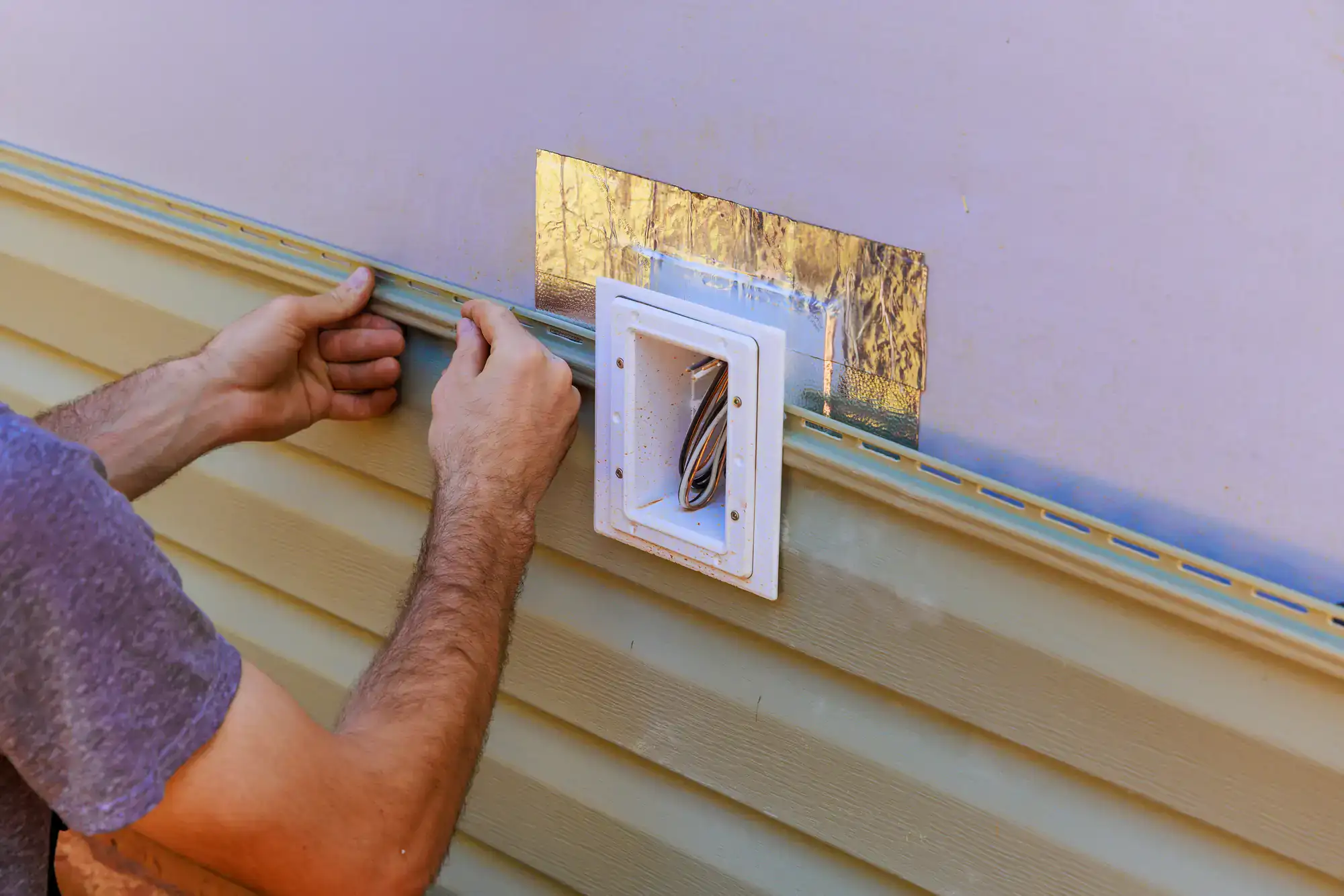
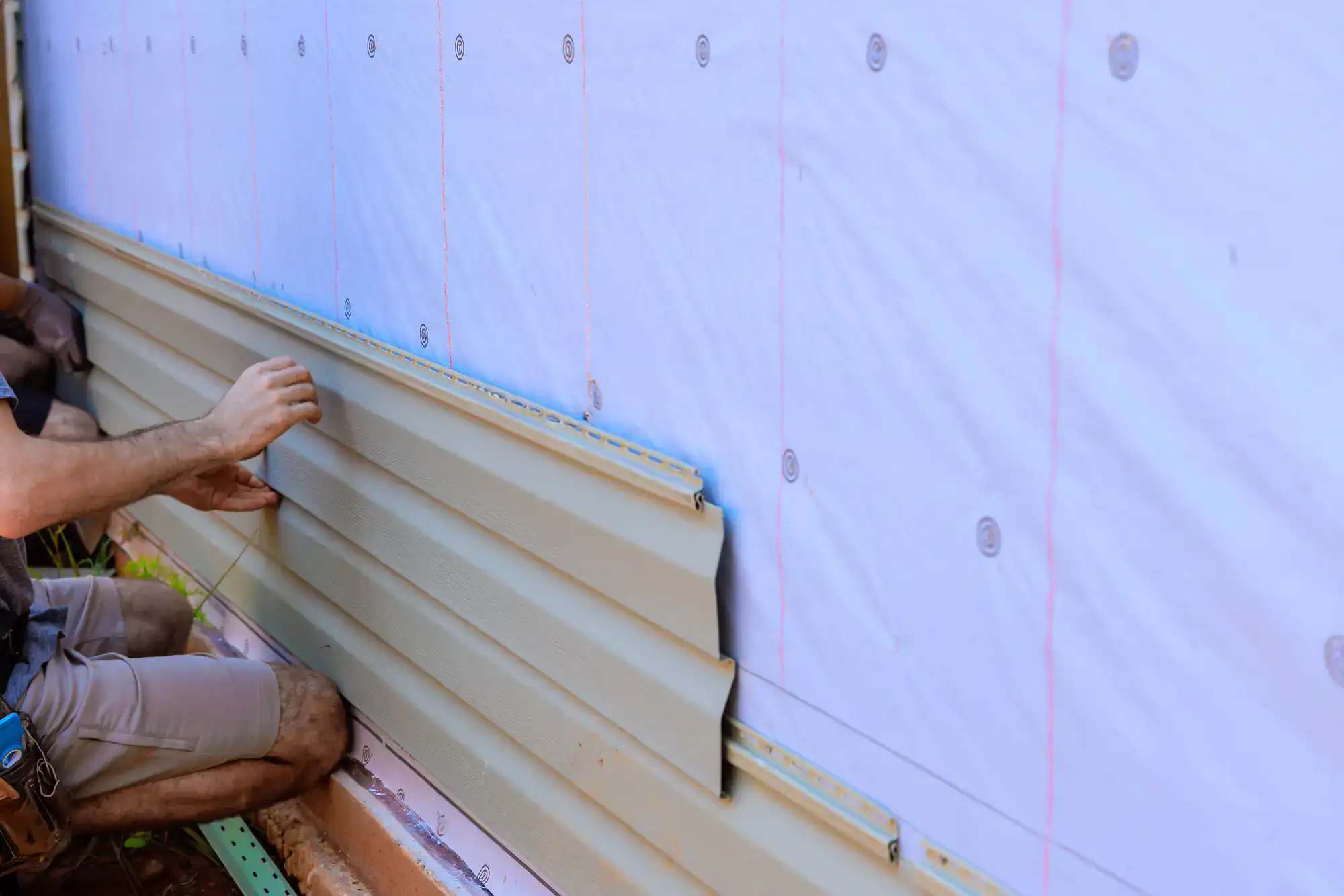
During installation, we remove your old siding carefully to avoid damaging the structure underneath. Then we install a weather-resistant barrier, add insulation if you’re upgrading to insulated vinyl, and secure the new siding with proper spacing for expansion and contraction. This matters in Farmingville because temperature shifts can cause poorly installed siding to buckle or warp.
We handle all the trim work, flashing around windows and doors, and final cleanup. You’re left with a finished exterior that’s sealed against moisture and ready to handle whatever weather comes next.
Ready to get started?
You’re getting more than just panels nailed to your house. Every vinyl siding installation in Farmingville includes removal of your old siding, inspection of the underlying structure for rot or damage, and repairs if we find issues that could compromise the new installation.
We install a weather-resistant barrier that keeps moisture from getting behind your siding. This is critical in Suffolk County where humidity and coastal air can cause problems if the installation isn’t done right. Then comes the insulated backing (if you’re going that route), followed by the vinyl panels themselves.
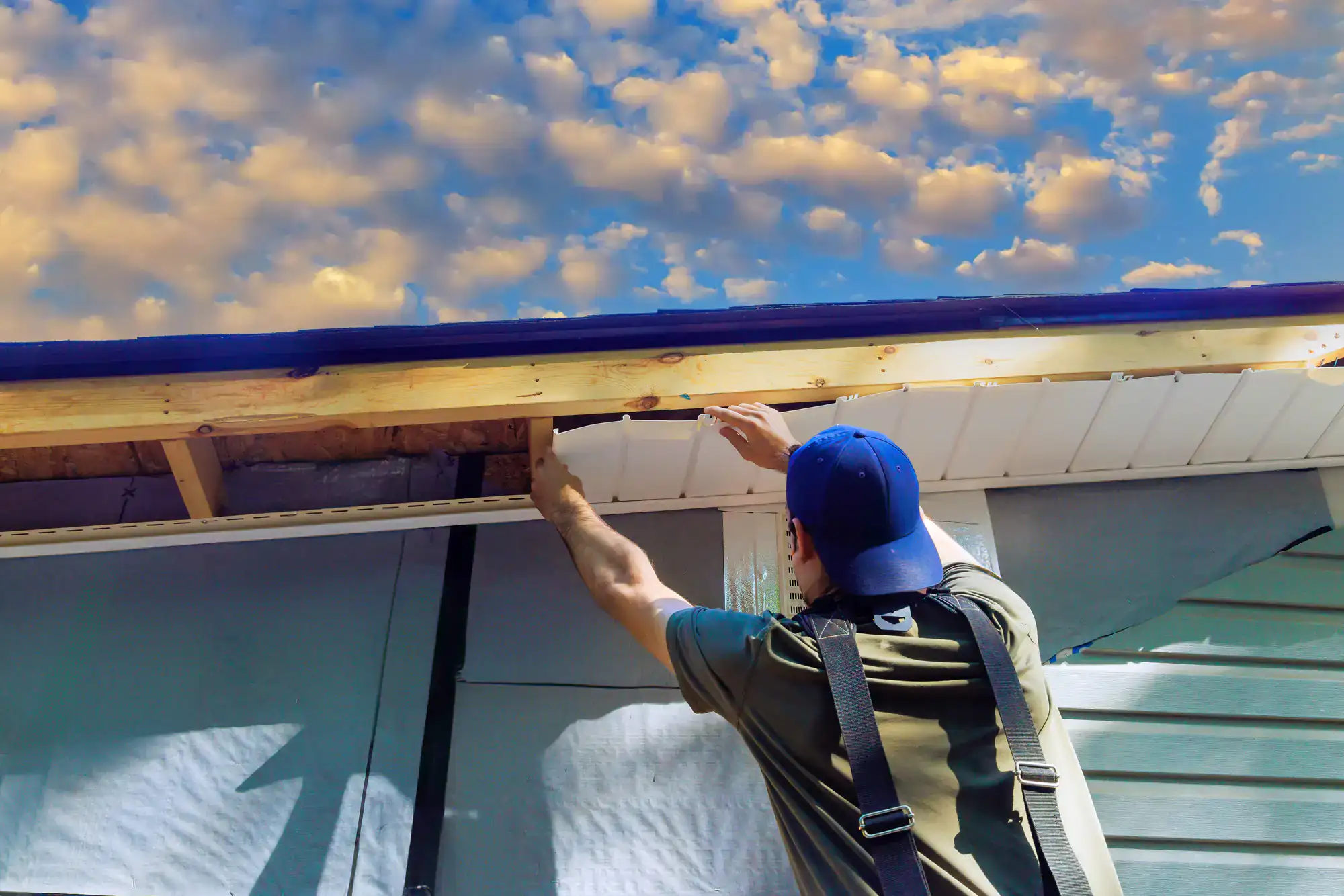
All trim work is included—corners, J-channels around windows and doors, soffit and fascia if needed. We’re not cutting corners to keep the price down. Proper flashing and sealing around penetrations is what prevents leaks five years down the road.
Farmingville homes built in the 70s, 80s, and 90s often have settling or minor structural shifts that show up during siding removal. We address those issues before installing new material so you’re not dealing with wavy siding or gaps that let drafts through. The goal is a finished product that looks clean, performs well, and lasts 30-plus years without major maintenance.
Standard vinyl siding lasts 20 to 40 years depending on the grade you choose and how well it’s installed. Premium vinyl pushes that to 30 to 40 years or more. The key factor isn’t just the material—it’s whether the installation accounts for Long Island’s weather patterns.
Farmingville gets temperature swings, coastal moisture, and occasional severe storms. Vinyl that’s installed too tight will buckle when it expands in summer heat. Vinyl that’s not properly flashed around windows will let water seep behind it, causing rot in the sheathing underneath. We space and secure every panel to allow for natural expansion and contraction, which is what keeps it looking straight and performing well for decades.
You’ll also want UV-resistant vinyl if you’re on the south or west side of your home where sun exposure is constant. Cheaper vinyl fades within 10 years. Quality vinyl holds its color because it’s manufactured with UV inhibitors mixed into the material, not just painted on the surface.
Most vinyl siding projects in Farmingville run between $12,000 and $23,000 for a typical single-family home. That includes materials, labor, removal of old siding, and trim work. Cost per square foot usually falls between $5 and $9 depending on the grade of vinyl you choose and the complexity of your home’s layout.
Homes with multiple stories, lots of corners, or detailed trim work cost more because they take longer and require more material. If we find rot or structural damage when we remove your old siding, that adds to the cost—but it’s better to fix it now than let it get worse under new siding.
Insulated vinyl costs more upfront but pays you back through energy savings. If your heating and cooling bills are high, the extra investment usually makes sense. We’ll walk through the numbers with you during the estimate so you can decide what fits your budget and your goals for the home.
Don’t go with the cheapest bid you get. Vinyl siding installation done wrong leads to moisture problems, warping, and callbacks. You want a crew that knows how to flash windows properly, install starter strips correctly, and leave you with a finished product that doesn’t need fixing in two years.
Almost none. That’s the main reason homeowners in Farmingville switch to vinyl. You’re looking at an annual cleaning with a garden hose and some mild detergent. If you’ve got mold or mildew in shaded areas, a soft brush and a vinegar solution takes care of it. No scraping, no painting, no sealing.
Vinyl doesn’t rot, so you’re not dealing with the constant repairs that wood siding demands. It doesn’t attract insects, which means no termite damage or carpenter ant problems. And because the color is baked into the material, it doesn’t chip or peel like paint does.
The only real maintenance issue you might run into is impact damage—a baseball, a ladder, a tree branch during a storm. Individual panels can be replaced without redoing the whole wall, which keeps repair costs low. But under normal conditions, vinyl siding just sits there and does its job for 30-plus years without asking for much attention.
Yes, if you go with insulated vinyl and your current siding is old or poorly installed. Insulated vinyl siding can reduce heating and cooling costs by up to 20%, which adds up to several hundred dollars a year for most Farmingville homes. Over 10 years, that’s real money.
The energy savings come from two things: the insulation backing that reduces thermal transfer, and the tight installation that eliminates drafts. Older homes in Farmingville often have gaps around windows, doors, and corners where air leaks through. New vinyl siding with proper flashing and sealing stops those leaks.
You’ll notice the difference most in winter when your furnace isn’t running constantly, and in summer when your AC isn’t fighting to keep up. The payback period is usually 7 to 10 years, which means the siding pays for itself through energy savings before you’d even need to think about replacing it.
If your current siding is relatively new and well-installed, the energy savings won’t be as dramatic. But if you’re in a home built before 2000 and the siding hasn’t been updated, you’re likely losing a lot of conditioned air through your exterior walls.
If more than 30% of your siding is damaged, faded, or warped, replacement makes more sense than patching. Here’s what to look for: cracks, holes, or loose panels that let moisture behind the siding. Fading or discoloration that makes your home look worn down. Warping or buckling, which usually means the original installation was done wrong or the material has reached the end of its life.
Check inside your home too. If you’re seeing water stains on interior walls, peeling paint near windows, or higher heating and cooling bills, your siding isn’t doing its job anymore. Mold or mildew growth on the exterior is another red flag—it means moisture is getting trapped somewhere it shouldn’t be.
One or two damaged panels? That’s a repair. But if you’re constantly fixing different sections, you’re throwing money at a bigger problem. Replacement stops the cycle and gives you a fresh start with material that’s designed to last 30-plus years without the ongoing maintenance headaches.
We’ll give you an honest assessment when we look at your Farmingville home. If repairs make sense, we’ll tell you. If replacement is the smarter move, we’ll explain why and show you what’s happening behind the siding that you can’t see from the curb.
Insulated vinyl has a foam backing bonded to the panel. Standard vinyl is just the panel with an air gap behind it. The foam backing does three things: it increases the R-value (insulation rating), it makes the siding more rigid so it resists denting and impact damage, and it reduces noise from outside.
For Farmingville homes, insulated vinyl makes sense if you’re dealing with high energy bills or if your home was built before insulation standards improved. The upfront cost is higher—usually 20% to 30% more than standard vinyl—but the energy savings and durability often justify the difference.
Standard vinyl works fine if your home already has good wall insulation and you’re mainly looking for weather protection and low maintenance. It’s lighter, easier to install, and costs less. You’re still getting a 30-year lifespan and virtually no maintenance requirements.
The decision comes down to your priorities and your budget. We’ll measure your current energy costs, look at your home’s insulation situation, and help you figure out which option gives you the best return on your investment.
Other Services we provide in Farmingville