
Hear from Our Customers
You stop worrying about the next storm. Vinyl siding engineered for coastal conditions means your exterior sheds water instead of absorbing it, resists impact from hail and debris, and maintains its color despite constant salt exposure.
You eliminate maintenance. No more scheduling contractors every few years for re-staining or repairs. A simple wash once a year is all it takes.
Your energy bills drop. Insulated vinyl profiles create a thermal barrier that keeps your home warmer in winter and cooler in summer. That’s real money back in your pocket every month, not just a nice-to-have feature.
Your home value increases. Vinyl siding installation in Huntington, NY delivers roughly 80% return on investment. You’re not just protecting your home—you’re making one of the smartest financial moves you can make as a homeowner.
We’re a family-run operation with decades of experience in Suffolk County exterior renovations. We’ve seen what coastal weather does to homes in Huntington, from Cold Spring Harbor to Huntington Bay, and we know exactly what holds up and what fails.
We’re not a crew that shows up, slaps on siding, and disappears. Every project gets direct family oversight because our name is on the work. We source materials specifically rated for Long Island’s salt air and temperature swings, and we maintain relationships with manufacturers so color matching is never an issue down the road.
You’re hiring people who live here, work here, and understand what Huntington homeowners actually need. That means honest timelines, transparent communication, and installations done right the first time.
We start with an inspection of your current siding and underlying structure. You need to know if there’s hidden water damage or rot before new siding goes up. We check for it, document it, and explain what needs addressing.
Next comes material selection. We walk you through options that fit Huntington’s climate—impact-resistant profiles, insulated backing, fade-resistant finishes. You’ll see samples, understand the differences, and make an informed choice based on your budget and goals.
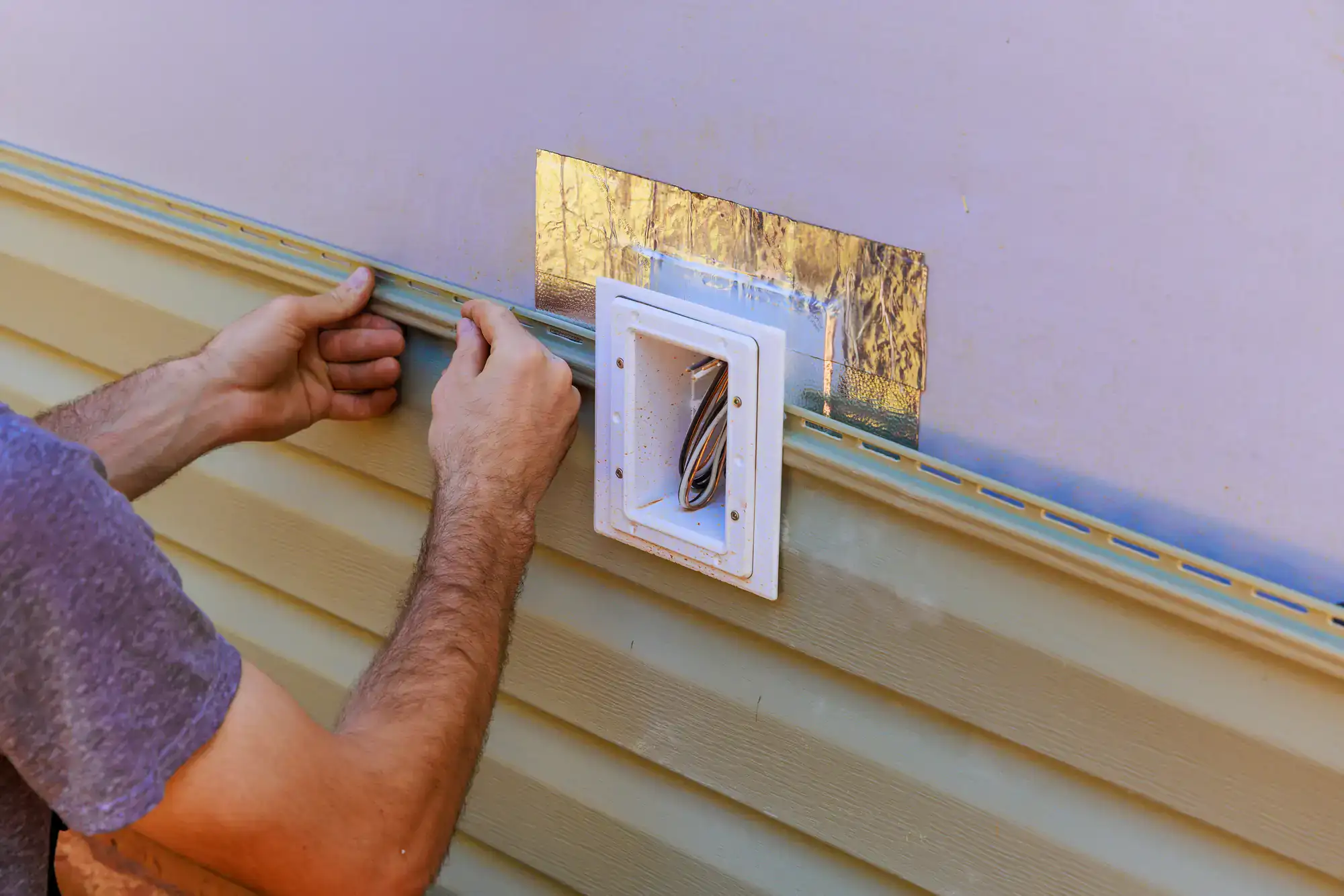
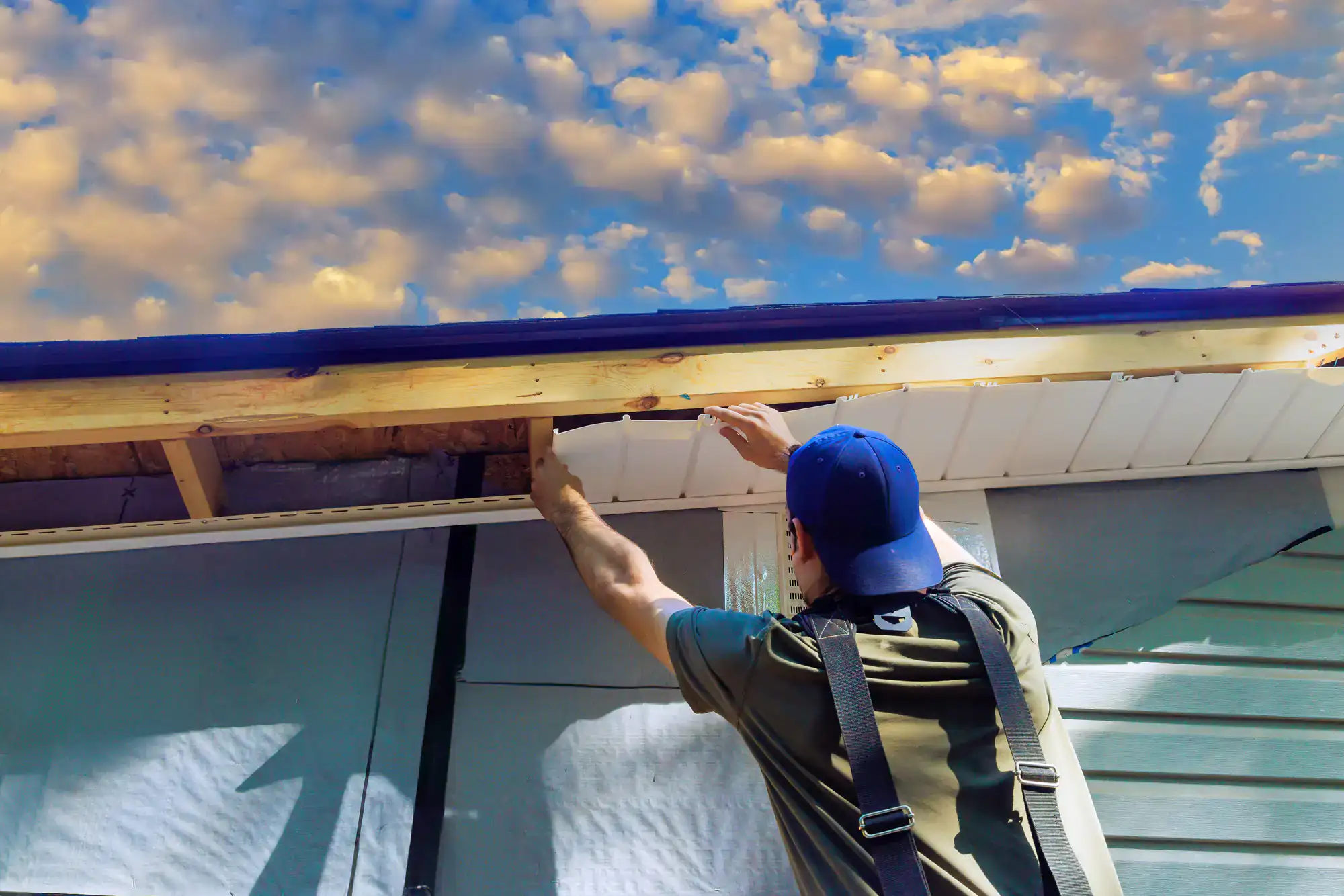
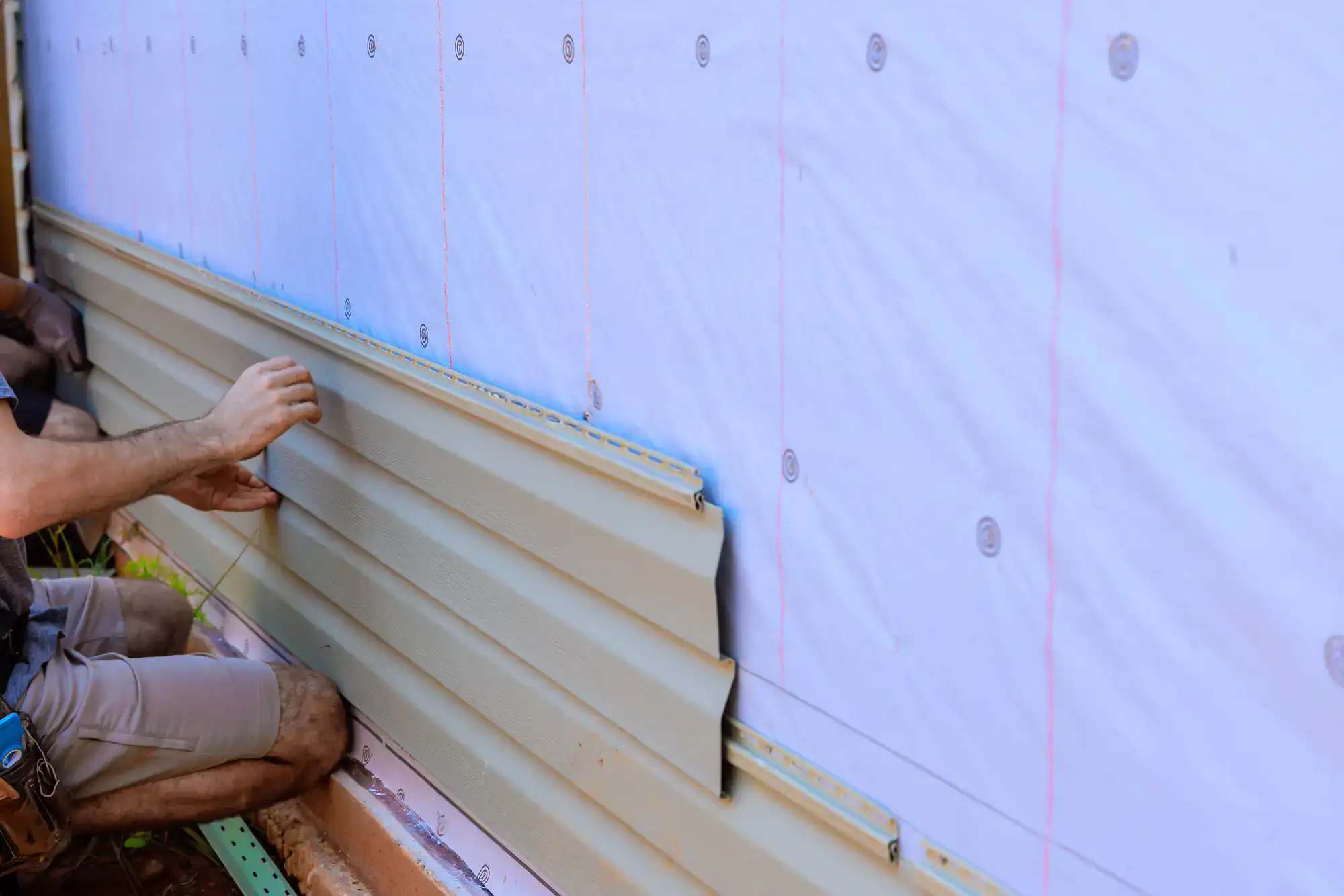
Installation begins with proper prep work. Old siding comes off carefully to avoid damaging your home’s structure. We install moisture barriers, ensure proper ventilation, and use coordinated trim pieces so everything fits together correctly. Corners, J-channels, soffit panels—it all gets installed to manufacturer specs.
Final inspection happens with you present. We walk the property together, answer any questions, and make sure you’re completely clear on maintenance (which is minimal) and what to expect long-term. You get documentation, warranty information, and a direct line if anything comes up.
Ready to get started?
You get materials designed for coastal exposure. That means UV-resistant finishes that won’t chalk or fade under constant sun and salt air. It means impact-rated panels that handle the hail and debris that come with summer storms and nor’easters.
Your installation includes a complete moisture protection system. We’re not just covering your walls—we’re creating a barrier that sheds water away from your home’s structure. Proper flashing, sealed seams, and ventilation gaps prevent the trapped moisture that leads to mold and rot.
Huntington homes deal with temperature extremes. Winter lows that crack inferior materials and summer heat that warps poorly installed panels. We account for expansion and contraction in every measurement, ensuring your siding moves naturally with the seasons without buckling or pulling away.
You also get options that fit your neighborhood’s aesthetic. Board and batten for contemporary looks in newer developments. Traditional lap siding for classic colonials. Cedar shake profiles for homes near the harbor. The goal is protection that enhances your home’s appearance, not generic coverage that screams “budget replacement.”
Properly installed vinyl siding lasts 30+ years in Huntington, but coastal conditions do accelerate wear compared to inland areas. Salt air makes vinyl slightly more brittle over time, which is why material selection matters so much upfront.
The difference between 20 years and 35 years often comes down to two things: UV protection in the finish and correct installation technique. Cheaper vinyl fades and cracks faster because it lacks stabilizers that resist sun damage. Poor installation creates stress points where panels pull away during temperature swings.
We use materials rated specifically for coastal exposure and install with proper expansion gaps. That combination gives you the full lifespan the manufacturer promises, not a shortened version because shortcuts were taken.
Most Huntington homes fall between $8,000 and $18,000 for complete vinyl siding installation, depending on square footage, material grade, and architectural complexity. A straightforward ranch costs less than a two-story colonial with multiple dormers and trim details.
That range accounts for quality materials designed for Long Island weather. You can find cheaper quotes, but they usually involve thinner panels, limited color options, or crews that rush the job. You’ll pay for those shortcuts later in repairs and early replacement.
The smarter question is cost per year of protection. At $12,000 for a typical home and 30 years of lifespan, you’re paying $400 annually for maintenance-free exterior protection. Compare that to wood siding that needs $3,000+ in staining every five years, and the math becomes pretty clear.
Zero maintenance is accurate, but it doesn’t mean zero attention. You should wash your siding once a year with a garden hose and mild soap solution. That removes salt residue, pollen, and dirt that can dull the finish over time.
You don’t need to paint, stain, seal, or treat vinyl siding. Ever. It won’t rot, so there’s no wood replacement. It doesn’t support mold growth, so you’re not scrubbing or treating biological growth. The color goes all the way through the material, so scratches don’t expose a different color underneath.
The only real maintenance item is checking caulk around windows and doors every few years. That’s standard for any siding material and takes maybe an hour. Beyond that annual wash and occasional caulk inspection, your siding just sits there doing its job.
Insulated vinyl siding can reduce heating and cooling costs by 10-20%, depending on your home’s current insulation levels. If you have an older Huntington home with minimal wall insulation, the impact is more noticeable than in a newer build with spray foam.
The insulated backing creates a thermal break that slows heat transfer through your walls. In winter, your furnace doesn’t work as hard to maintain temperature. In summer, your AC isn’t fighting constant heat infiltration. Those efficiency gains show up as lower monthly utility bills.
The exact savings depend on your home’s size, current insulation, and how you heat and cool. Most homeowners see the investment pay for itself over 8-12 years through energy savings alone, before you even factor in the maintenance costs you’re avoiding.
Ask about their material sources first. Contractors who use vinyl rated for coastal climates understand what Huntington homes need. If they’re pushing the cheapest option without discussing salt air resistance or UV protection, they’re not thinking long-term.
Check how they handle prep work and moisture barriers. The siding itself is only part of the system. Proper installation includes removing old material carefully, addressing any underlying damage, installing weather barriers, and ensuring correct ventilation. Contractors who rush this phase create problems you’ll discover years later.
Look for crews that provide direct oversight, not just subcontractor management. You want someone accountable on-site who can make decisions and solve problems as they arise. Family-run operations typically offer better accountability than large companies juggling dozens of projects simultaneously.
Traditional horizontal lap siding remains the most popular choice in Huntington because it fits the area’s colonial and cape-style architecture. It’s clean, classic, and holds up well in coastal conditions. Most manufacturers offer it in 4-inch to 7-inch exposure widths.
Board and batten is gaining ground in newer developments and contemporary renovations. The vertical lines create a modern look while still providing the durability and low maintenance vinyl offers. It works especially well on ranch-style homes and additions.
Cedar shake profiles suit homes near the water where you want that coastal cottage aesthetic without the maintenance nightmare of real wood shakes. Modern vinyl shake siding mimics the texture and shadow lines of cedar surprisingly well, and it won’t split, rot, or need replacement every 15 years like the real thing.
Other Services we provide in Huntington