
Hear from Our Customers
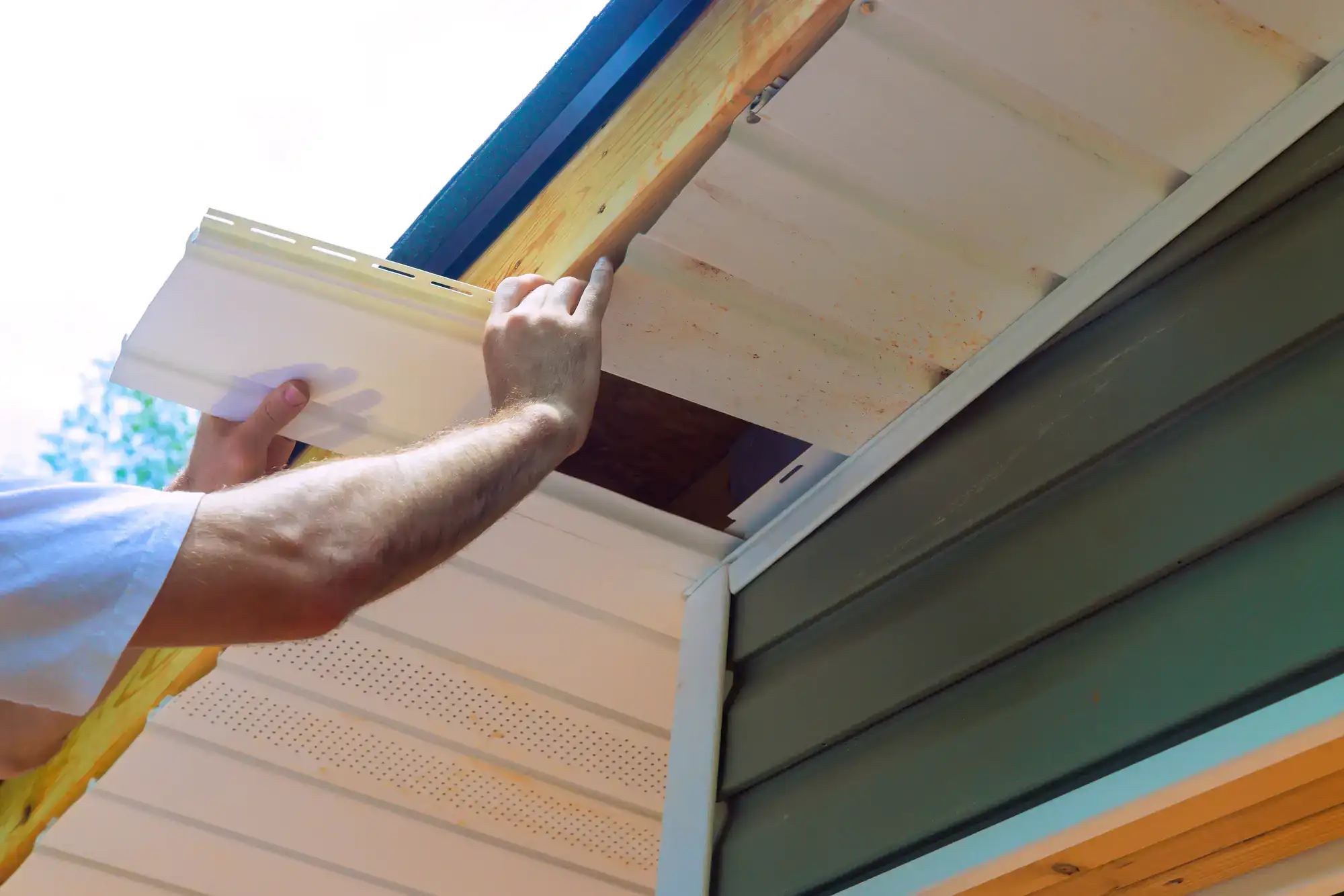
Your siding takes a beating from Suffolk County weather. Every winter freeze, every summer storm, every dose of salt air from the coast—it all adds up. And when your siding starts failing, you’re not just looking at curb appeal problems. You’re looking at water damage, mold growth, and energy costs that keep climbing because your home can’t hold temperature anymore.
Vinyl siding installation in Medford, NY fixes that. The right system creates a continuous barrier against moisture and temperature swings. Insulated options bump your wall’s R-value from under 1 to between 2 and 4, which means your HVAC system isn’t working overtime. That translates to 10-20% lower energy bills, year after year.
And here’s what matters just as much: you’re done with maintenance. No scraping. No repainting every three to five years. No watching your weekends disappear into upkeep. Vinyl siding handles wind speeds up to 110 mph, which means it’s built for the hurricanes and nor’easters that hit Long Island. Your home stays protected, your bills drop, and you get your time back.
SkyLuxe Construction isn’t new to Medford or Suffolk County. We’re a family-owned business with decades of construction experience, and we’ve built our reputation one satisfied homeowner at a time. That means we know what Long Island weather does to homes, and we know what actually works when you’re three miles from the coast.
We’ve seen what happens when vinyl siding gets installed by contractors who don’t understand coastal climate demands. We’ve repaired the damage from Superstorm Sandy and the August 2024 flooding that broke Hurricane Ida’s records. And we’ve learned that doing it right the first time—proper moisture barriers, correct fastening techniques, quality materials—saves you money and stress for decades.
You’re not getting a sales pitch from us. You’re getting straight answers from local contractors who’ve been doing this long enough to know what matters. We’re licensed, insured, and focused on making sure your home is ready for whatever Suffolk County throws at it next.
First, we assess your home’s current condition. That means checking for water damage, rot, or structural issues that need addressing before new siding goes up. If your sheathing or framing has problems, we catch them now—not after everything’s covered.
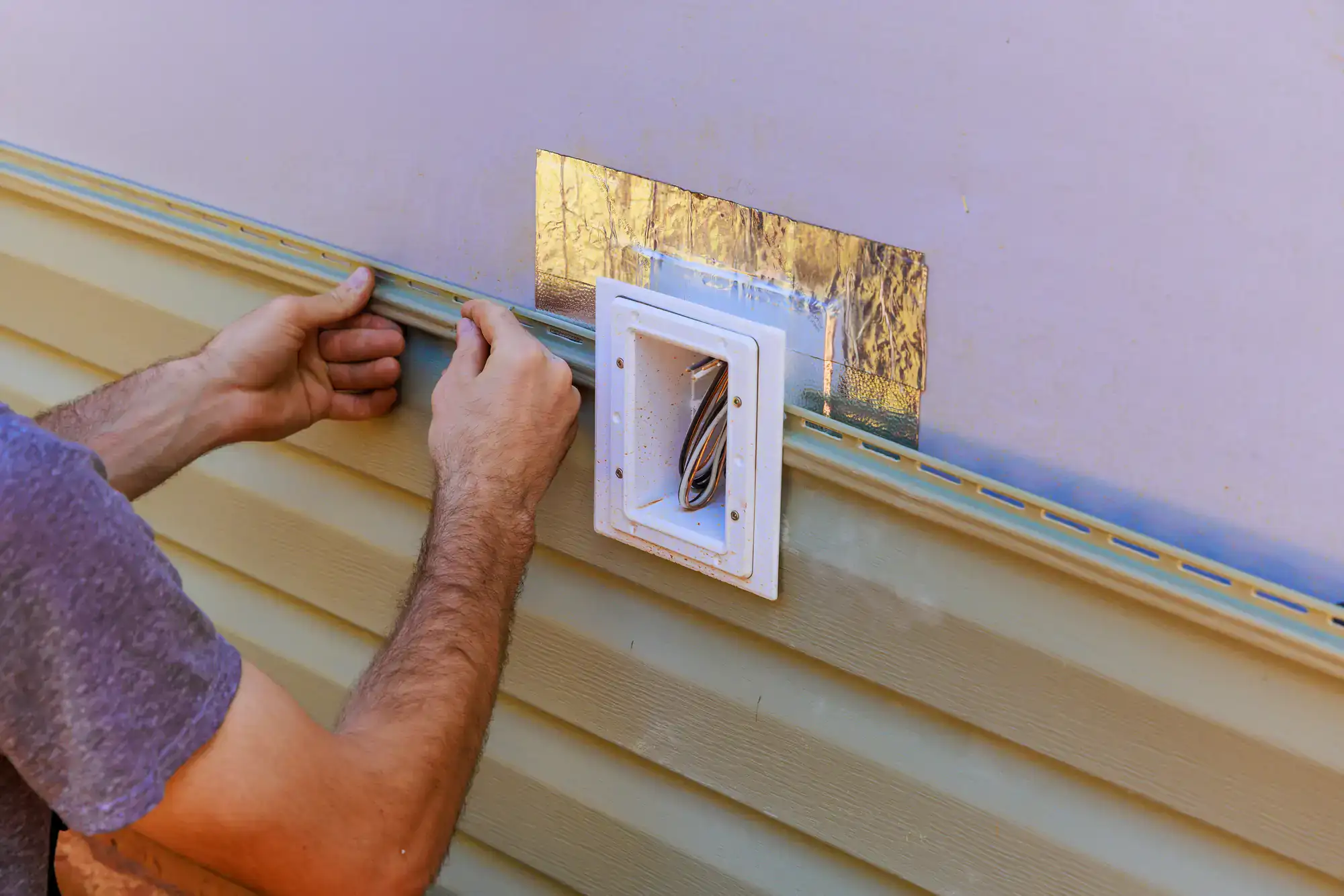
Next comes removal of your old siding and proper disposal. We’re not leaving debris in your yard for weeks. Once the old material is off, we install moisture barriers and insulation if you’re going with an insulated system. This step matters more than most homeowners realize because it’s what actually stops water infiltration and improves your home’s thermal performance.
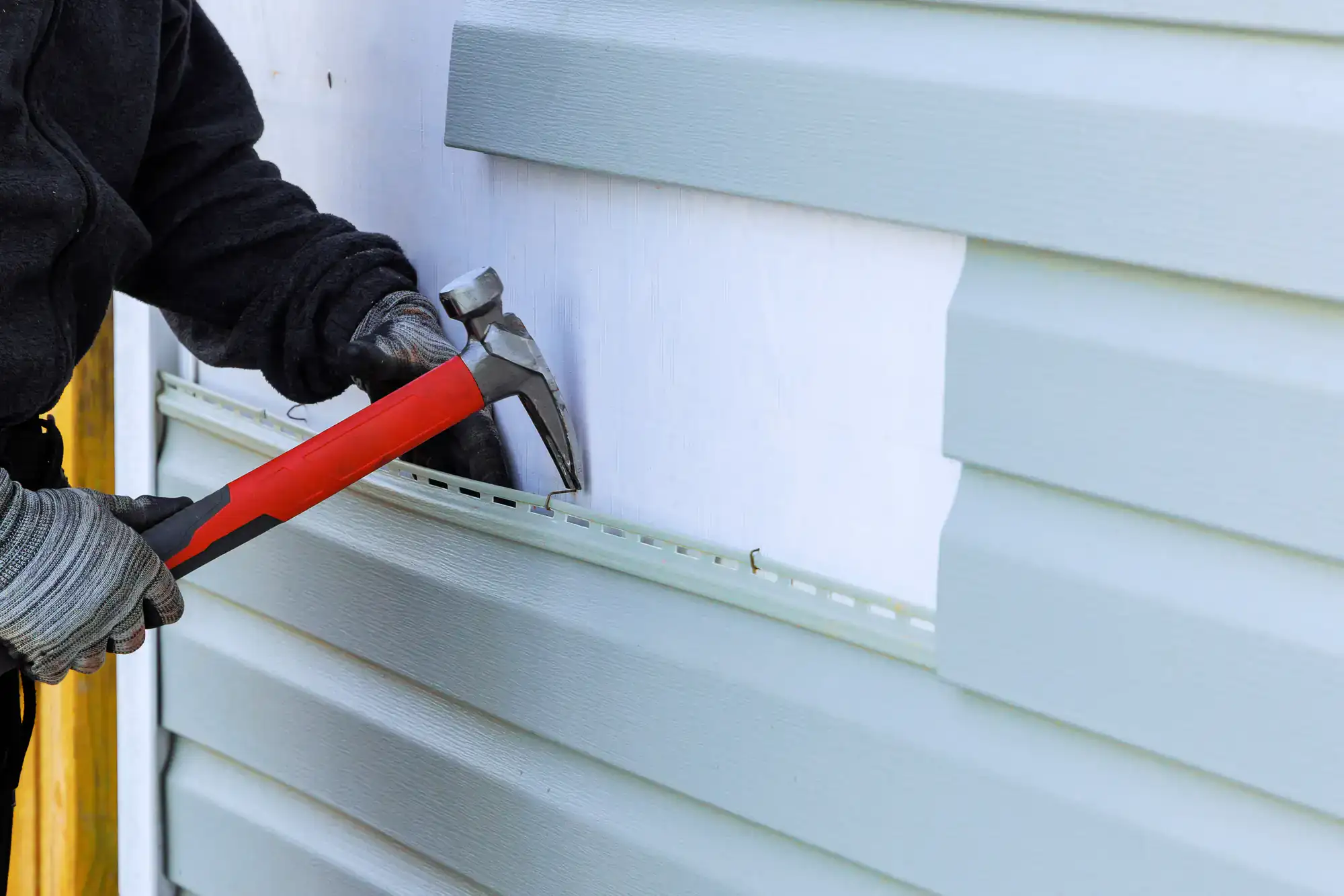
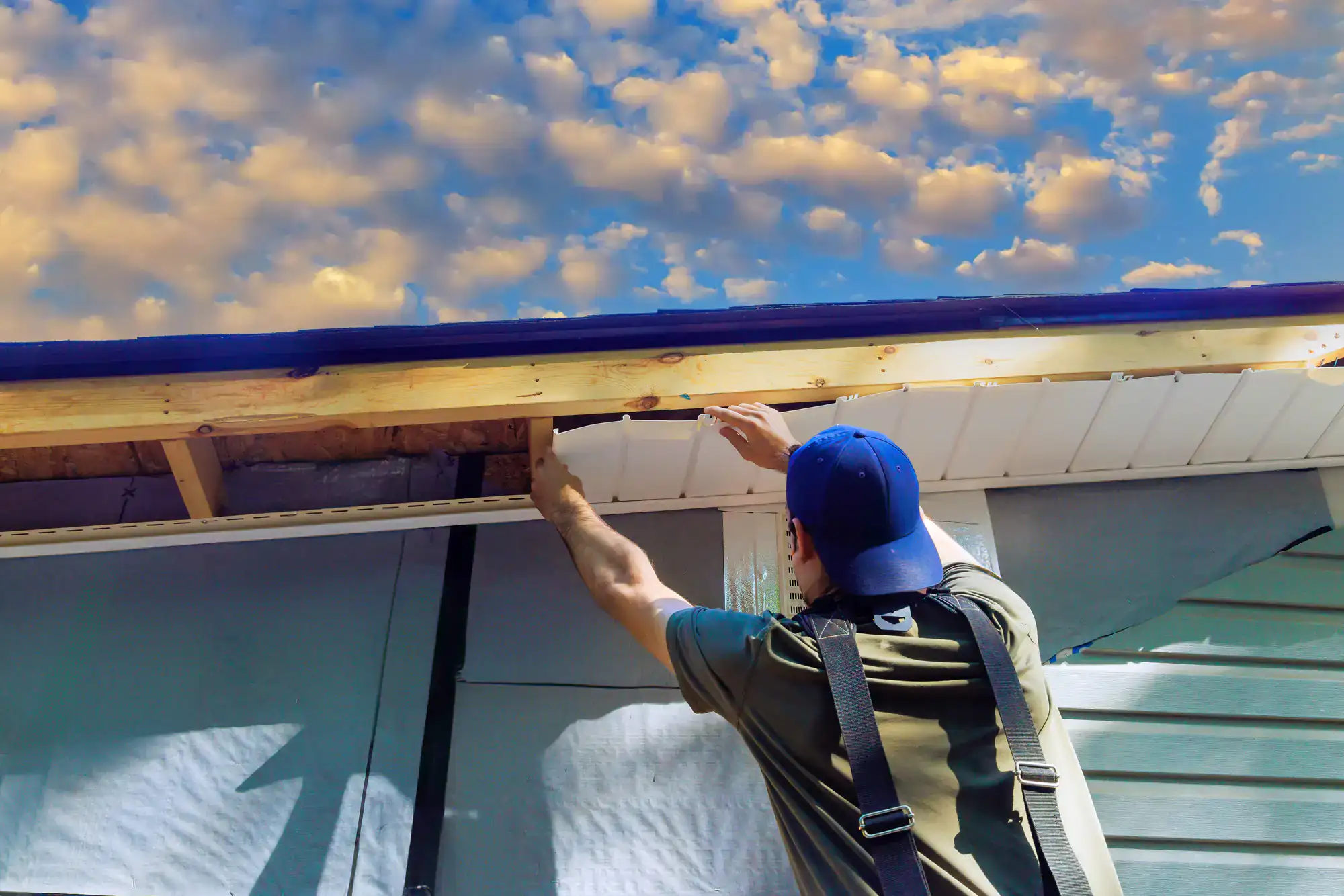
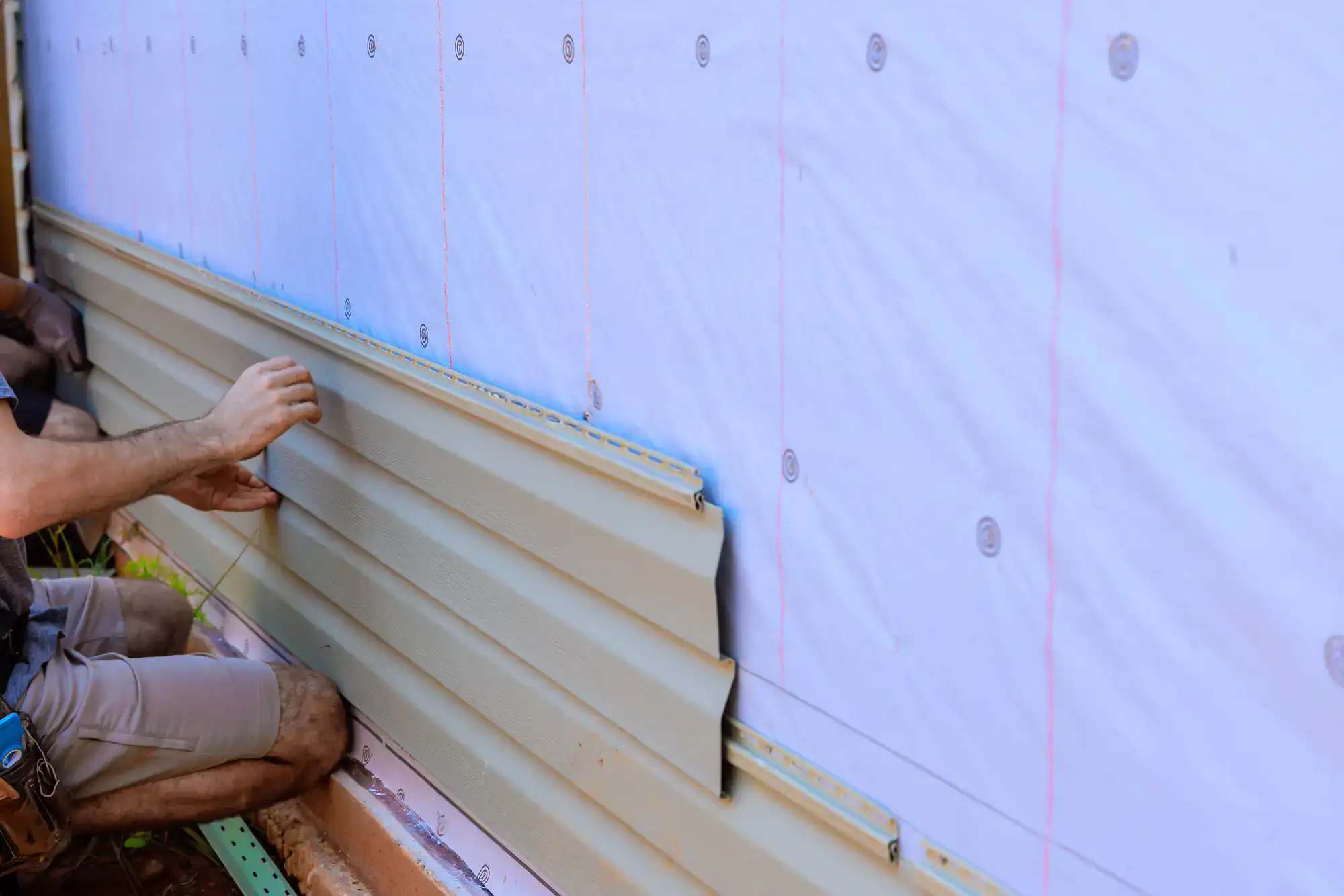
Then we install your new vinyl siding, starting from the bottom and working up. Proper fastening technique is critical here—too tight and the siding can’t expand and contract with temperature changes, which leads to buckling. Too loose and you’re asking for wind damage. We also handle all trim work, corners, and weatherproofing around windows and doors.
Final step is a thorough cleanup and walkthrough. You get care instructions, warranty information, and a clear understanding of what you’re covered for. The whole process typically takes one to two weeks depending on your home’s size, and we keep you updated throughout so there are no surprises.
Ready to get started?
Your vinyl siding installation in Medford, NY includes everything needed for a complete, long-lasting solution. That means quality materials engineered for coastal climates, proper moisture barriers that prevent water intrusion, and insulation options that actually improve your home’s energy efficiency. We’re not cutting corners on the parts you can’t see because those are the parts that determine whether your siding lasts 15 years or 40.
You also get experienced installation that accounts for Suffolk County’s specific challenges. Long Island homes deal with constant humidity, salt exposure that accelerates material breakdown, and temperature swings that expand and contract siding hundreds of times per year. We use fastening techniques and materials that handle those conditions without failing.
The service covers removal and disposal of your old siding, so you’re not dealing with debris. We handle all trim work, corner posts, and J-channels. We weatherproof around every window, door, and penetration point. And we make sure your new siding can handle the wind loads that come with living this close to the Atlantic.
Modern vinyl siding options have come a long way. Advanced UV protection means colors hold up through years of sun exposure without fading or chalking. Insulated systems create thermal barriers that keep your home comfortable while dropping energy costs. And the maintenance requirement is basically zero—no painting, no sealing, no constant upkeep eating into your weekends.
Most Medford homeowners pay between $12,000 and $25,000 for complete vinyl siding installation, which breaks down to about $5 to $10 per square foot. That range depends on your home’s size, the quality of materials you choose, and whether you’re going with standard or insulated vinyl siding.
Insulated options cost $1 to $4 more per square foot, but they increase your wall’s R-value significantly and can drop your energy bills by 10-20% annually. For a typical Long Island home spending $200-300 monthly on heating and cooling, that’s $20-60 back in your pocket every month. Over 20 years, the insulation upgrade often pays for itself just in energy savings, before you even factor in the increased comfort and home value.
The total cost also includes removal and disposal of your old siding, all necessary moisture barriers and house wrap, trim and corner work, and complete cleanup after installation. Get a detailed written estimate that breaks down materials, labor, timeline, and what’s covered under warranty. That way you know exactly what you’re paying for and there are no surprise charges halfway through the job.
Quality vinyl siding lasts 20 to 40 years in Suffolk County’s coastal conditions, assuming it’s installed correctly. The wide range comes down to material quality, installation technique, and how well the system handles moisture and temperature extremes. Cheap vinyl with poor installation might start failing in 15 years. Premium materials installed by experienced contractors who understand coastal climate demands can easily hit 40 years or more.
Long Island’s environment is tough on siding. You’re dealing with salt air that accelerates breakdown, humidity that promotes mold and moisture problems, freeze-thaw cycles that expand and contract materials hundreds of times per year, and severe weather events that test wind resistance. Vinyl siding handles these challenges better than wood, which rots, or fiber cement, which can crack and requires periodic maintenance.
The key is proper installation. Siding needs to be fastened correctly so it can expand and contract without buckling or pulling loose. Moisture barriers need to be installed properly so water can’t get behind the siding and cause rot. And trim work around windows and doors needs to be weatherproofed so you’re not creating entry points for water. When those details are handled right, your vinyl siding keeps protecting your home for decades without you touching it.
Yes, especially if you choose insulated vinyl siding. Standard vinyl siding has an R-value around 0.61, which provides minimal insulation. Insulated vinyl siding increases that to between 2.0 and 4.0 by adding a foam backing that creates a continuous thermal barrier across your walls. That difference translates to 10-20% lower heating and cooling costs for most Long Island homes.
Here’s why it matters in Medford specifically: Suffolk County gets 25-40 inches of snow annually, winter temperatures that regularly drop below freezing, and summer heat that pushes air conditioning systems hard. When your walls have better insulation, your HVAC system doesn’t have to work as hard to maintain comfortable indoor temperatures. That means lower energy consumption and smaller utility bills, month after month.
The payback period on insulated vinyl siding typically runs 7-12 years just from energy savings alone. After that, you’re pocketing the difference for the remaining life of the siding. You also get more consistent indoor temperatures, fewer drafts, and better protection against outside noise. And because vinyl siding requires zero maintenance compared to wood or fiber cement, you’re saving money on upkeep costs too. It’s a one-time investment that keeps delivering value for decades.
Look for warping, buckling, or loose panels, which mean your siding can no longer expand and contract properly with temperature changes. Check for cracks or holes that let moisture and pests inside your walls. And pay attention to any soft spots or rot underneath the siding, especially around windows, doors, and corners where water tends to collect.
Fading and discoloration are cosmetic issues that hurt curb appeal and property value, but they also indicate that your siding’s UV protection has broken down. Once that happens, the material becomes more brittle and vulnerable to cracking. If you’re seeing significant color loss or chalky residue when you touch the siding, replacement is worth considering.
Inside your home, watch for unexplained increases in heating or cooling costs, which suggest your siding is no longer providing an effective barrier. Look for water stains on interior walls or ceilings near exterior walls. Check for mold or mildew growth, especially in corners or along the foundation. And notice if certain rooms feel drafty or harder to keep comfortable than others. These are all signs that your siding system is failing and letting air and moisture through. The longer you wait, the more expensive the fix becomes because water damage spreads to sheathing, framing, and insulation behind the siding.
The difference comes down to experience with coastal climate installation, proper licensing and insurance, and whether they understand the details that determine if your siding lasts 15 years or 40. Any contractor can nail up vinyl siding. Not every contractor knows how to install it so it handles Long Island’s humidity, salt air, temperature swings, and severe weather without failing.
Proper installation means using the right fastening technique—loose enough that siding can expand and contract, tight enough that it doesn’t blow off in high winds. It means installing quality moisture barriers and house wrap so water can’t get behind the siding. It means weatherproofing around every window, door, and penetration point. And it means using materials rated for coastal conditions, not the cheapest option that’ll break down in five years.
Check that your contractor is licensed and insured for work in New York and meets Suffolk County’s specific requirements. Ask how long they’ve been installing vinyl siding in coastal areas and whether they’ve handled storm damage repairs. Get a detailed written estimate that breaks down materials, labor, timeline, and warranty coverage. And talk to previous customers in Medford or nearby towns to see if the work held up. The cheapest bid often costs you more in the long run when you’re dealing with failed installation, water damage, or siding that doesn’t last. You want a contractor who’s been doing this long enough to know what actually works in Suffolk County’s climate.
Quality vinyl siding installed correctly can withstand wind speeds up to 110 mph, which covers Category 3 hurricane conditions. That’s more than enough for most storms that hit Suffolk County. But the key phrase is “installed correctly”—improper fastening, cheap materials, or skipped moisture barriers turn your siding into a liability during severe weather instead of protection.
Long Island has been hit by 45 hurricanes since 1930. Superstorm Sandy in 2012 and the August 2024 flooding both caused massive damage to homes with poorly installed siding. When contractors cut corners, panels rip off during high winds, water gets behind the siding and causes rot, and homeowners end up with repair bills that dwarf what proper installation would have cost in the first place.
Storm-resistant vinyl siding installation means using impact-rated materials, proper fastening patterns that distribute wind loads, and complete weatherproofing around vulnerable areas like windows and doors. It means installing quality underlayment that stops water even if siding panels get damaged. And it means working with contractors who’ve repaired storm damage and know exactly where installations fail. Your siding is your home’s first line of defense against whatever weather comes next. Make sure it’s actually ready for the job.
Other Services we provide in Medford