
Hear from Our Customers
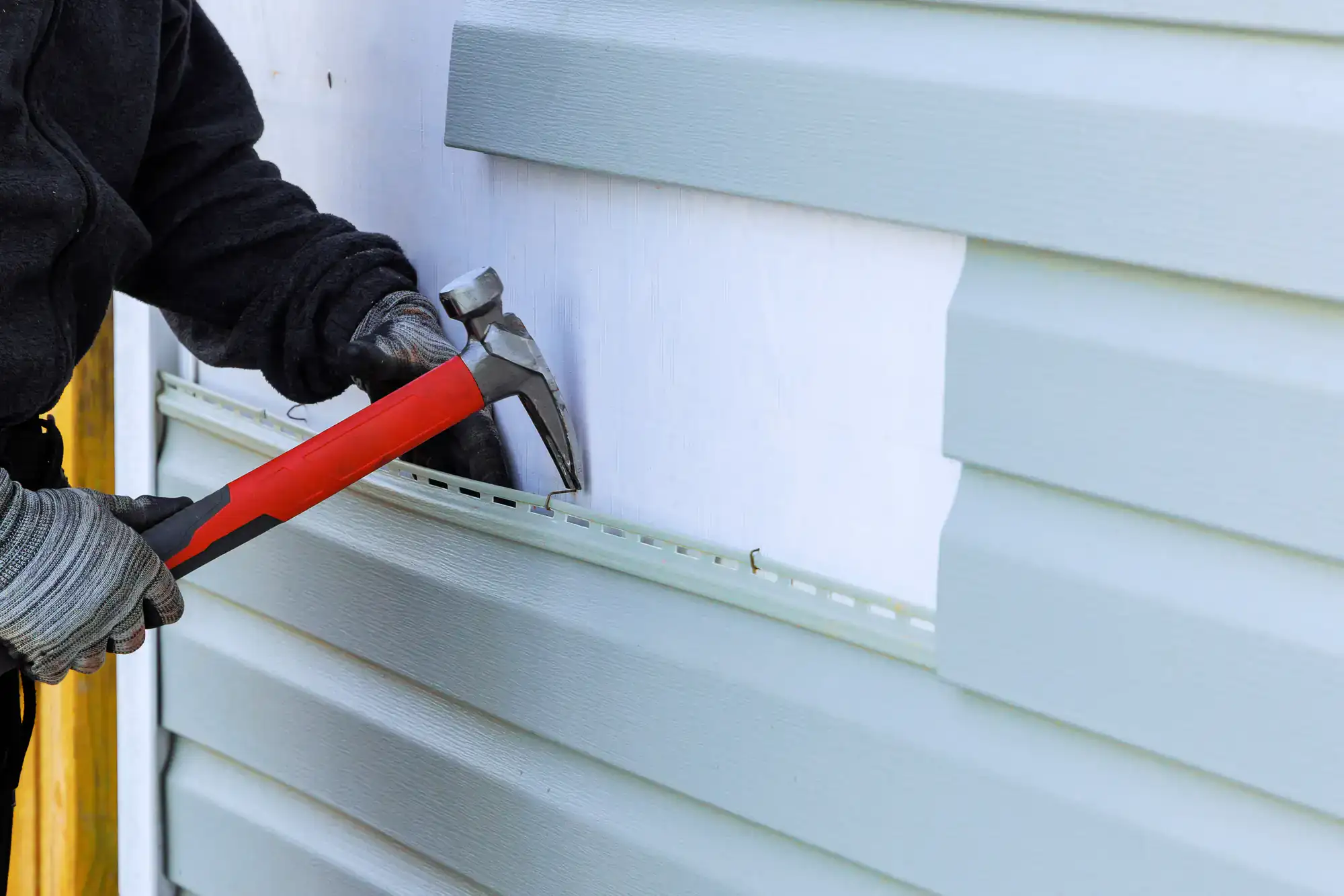
When we install your siding correctly, you stop worrying about the next storm. Panels stay locked in place during 110 mph winds because we fasten them with coastal conditions in mind, not standard methods that fail when sustained gusts hit.
Your energy bills drop. Insulated vinyl panels seal gaps that let conditioned air escape, and you’ll notice the difference in both summer cooling costs and winter heating bills. Most homeowners see the savings within the first year.
Water stays outside where it belongs. Properly installed siding sheds moisture instead of trapping it against your walls, which means you avoid the rot and mold problems that turn small repairs into major reconstruction projects. The material itself won’t support mildew growth, even in humid Long Island summers.
You’re done with maintenance. No painting, no scraping, no annual upkeep. Installation is your only expense, and with a 30-40 year lifespan in coastal weather, that’s decades of protection without ongoing costs eating into your budget.
We’ve worked on homes in Middle Island, NY and across Suffolk County for over 35 years. We’ve been through Hurricane Sandy, countless nor’easters, and summer storms that peel off poorly installed siding.
That experience matters when you’re choosing vinyl siding installation contractors in Middle Island, NY. We know which materials hold up to salt air and which ones fail within five years. We know how temperature swings affect panel expansion and why standard fastening methods don’t work on coastal homes.
Every project gets oversight from our family, not a rotating crew of subcontractors. Our licensed team handles your job from start to finish, and we’re still here years later if you need us. That’s how a family business operates when it plans to serve the same community for another 35 years.
We start with an inspection of your current siding and the substrate underneath. You need to know if there’s existing water damage or rot before new siding goes up, because covering problems doesn’t fix them. We’ll tell you exactly what we find and what needs addressing.
Next comes material selection. We stock vinyl products specifically chosen for Suffolk County conditions, with options that match your home’s style and your budget. You’ll see samples, understand the differences between products, and make an informed choice about what goes on your house.
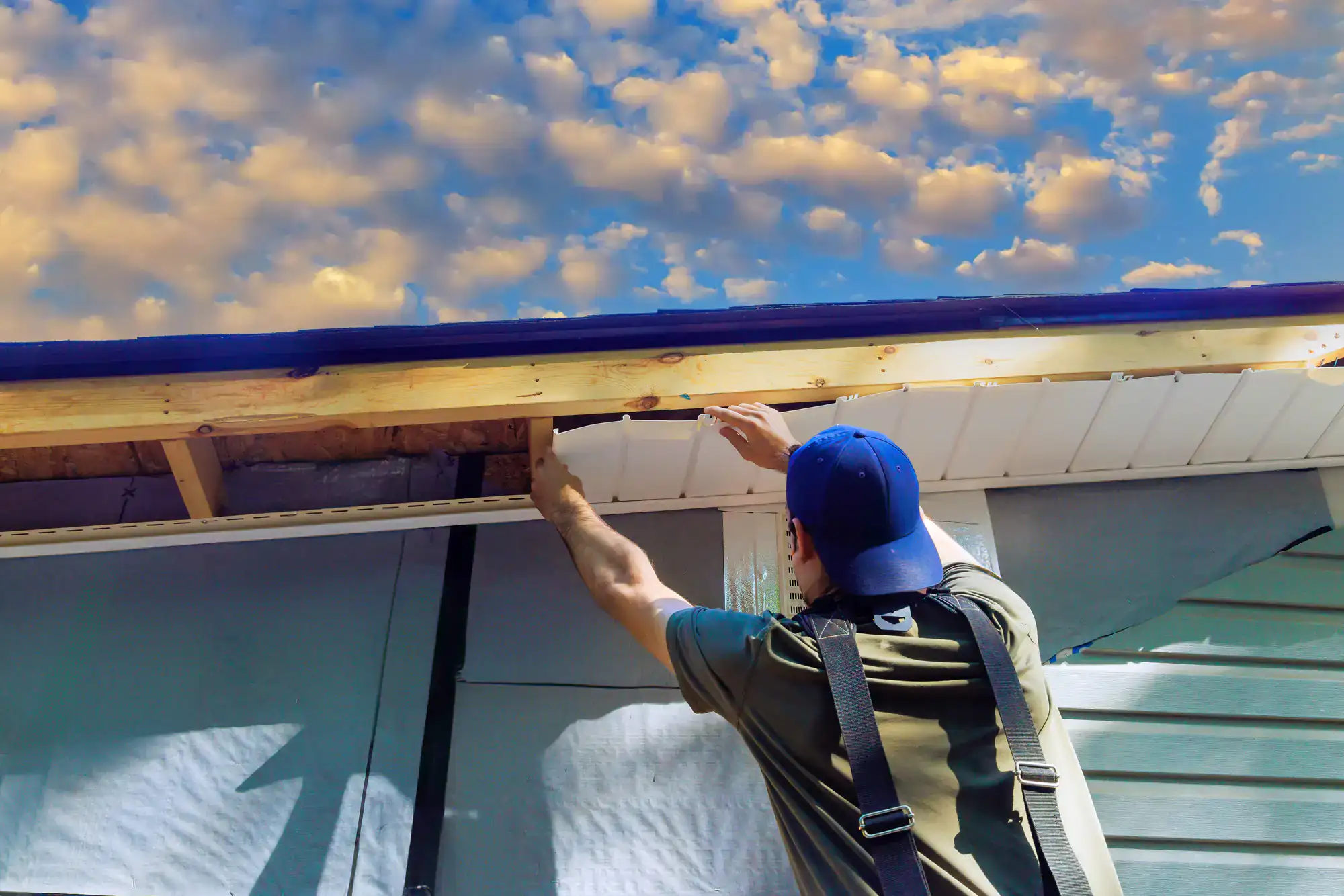
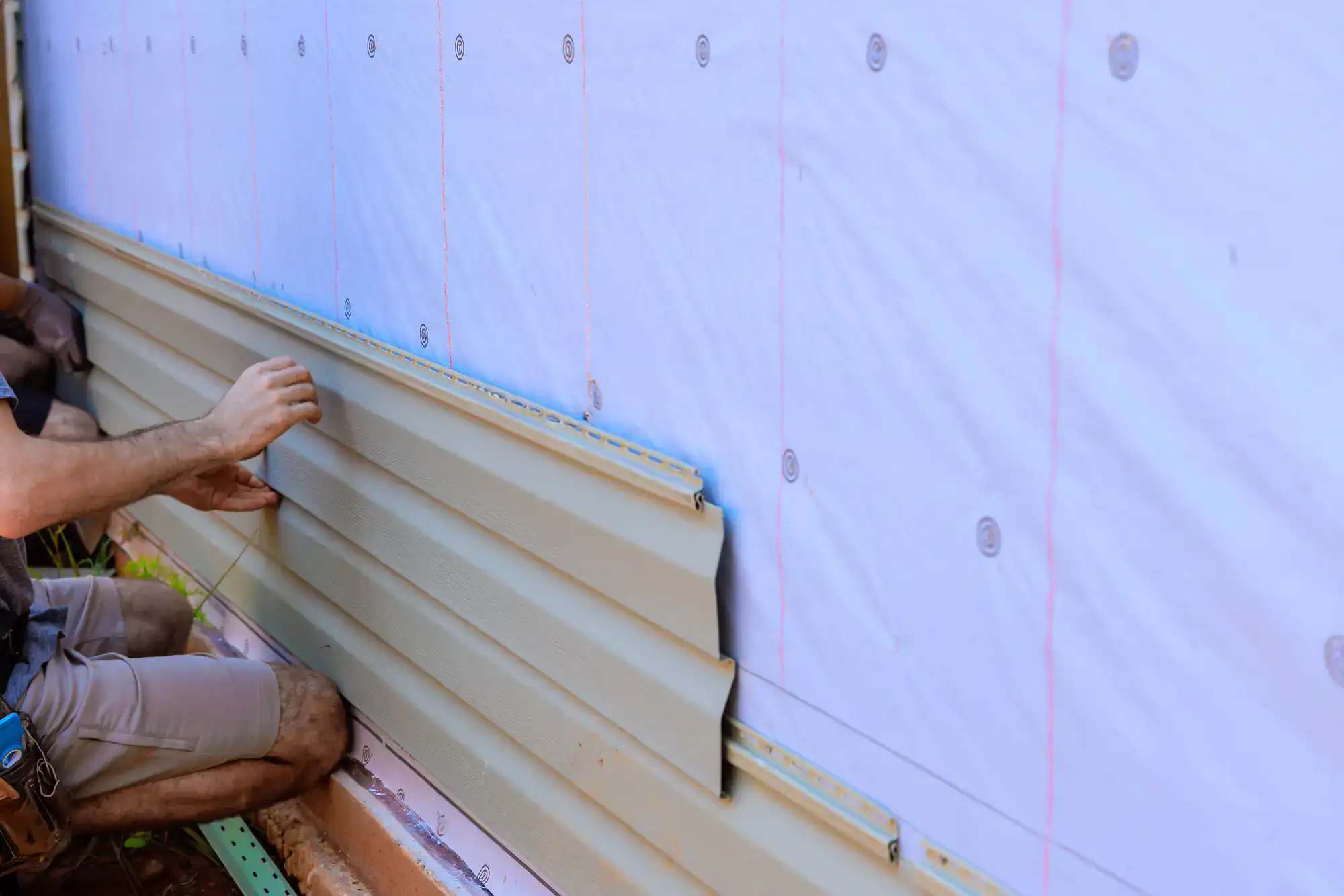
Installation typically takes 2-4 weeks depending on your home’s size and weather. We remove old siding, repair any substrate damage, install moisture barriers, and then fasten new panels with methods that account for wind loads and thermal movement. Panels need room to expand and contract without buckling, and fasteners can’t be over-driven or they’ll restrict that movement.
Final inspection covers every detail. We check that panels are properly locked, trim is sealed, and water will drain away from your walls. You get documentation of the work completed and warranty information for both materials and installation.
Ready to get started?
Complete removal of existing siding comes first. We don’t install over failing materials because trapped moisture will destroy your new investment from behind. Everything comes off so we can assess and repair the structure underneath.
Substrate repair happens before new siding goes up. If we find rot or water damage in your wall sheathing, it gets replaced. This is common in coastal homes where previous siding failed to keep moisture out, and it’s not optional if you want your new siding to last.
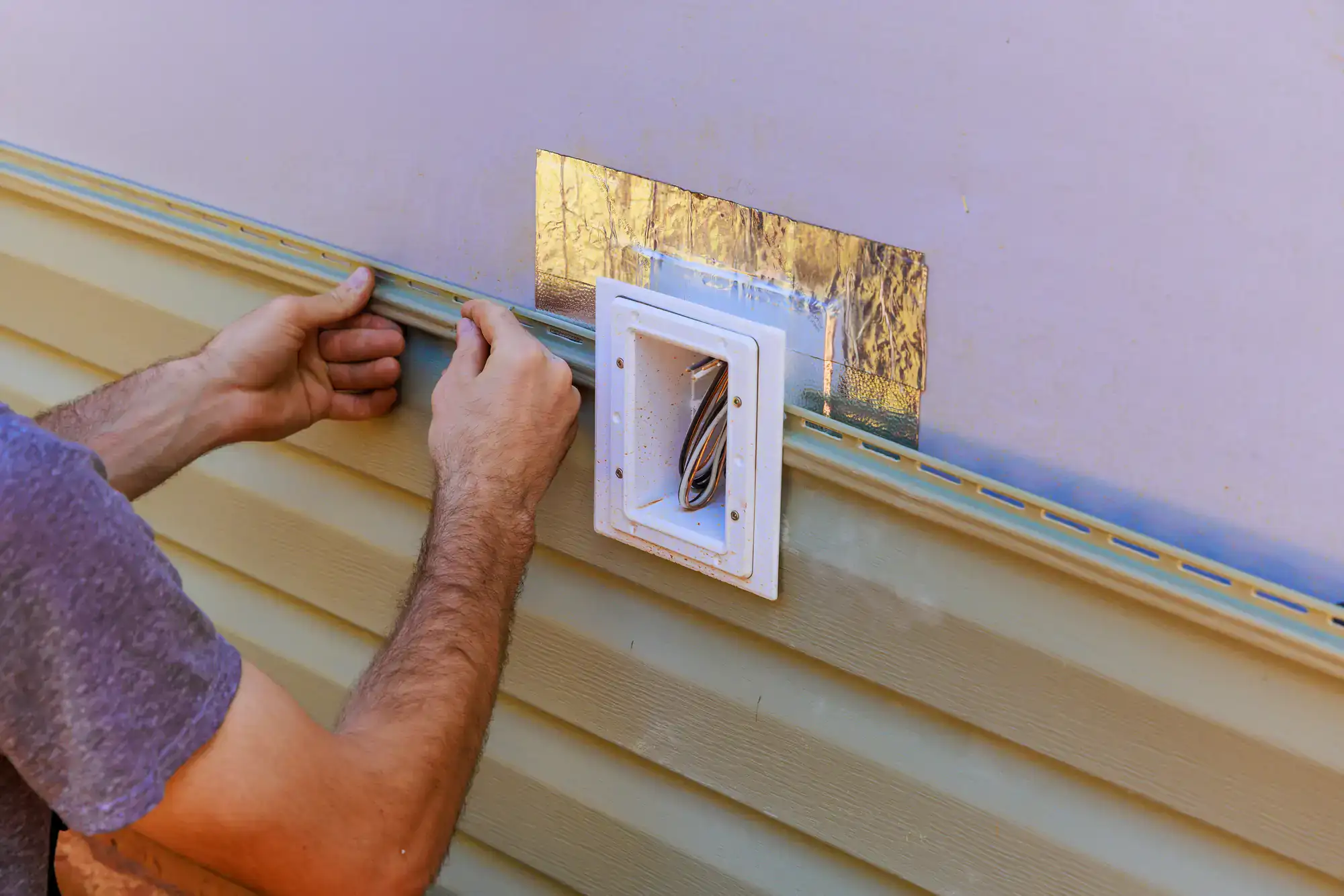
Moisture barriers and proper flashing protect your walls. We install weather-resistant barriers that let your walls breathe while keeping water out, and we flash every opening so water drains away from vulnerable areas. This is where we separate ourselves from other vinyl siding companies in Middle Island, NY, because this layer determines whether your walls stay dry.
Quality vinyl panels rated for coastal conditions go up next. We’re talking about products engineered to handle salt air, high winds, and temperature extremes. The material matters, but installation matters more. Panels get fastened in the center of slots, not tight against your house, so they can move with temperature changes without cracking or buckling.
Trim and finishing details complete the job. Every edge gets sealed, every corner gets properly fitted, and every transition point gets attention. Water finds the smallest gaps, so there aren’t any when we’re done.
You’re looking at 30-40 years with proper installation and the right materials. That’s not a guarantee for every vinyl product, though. Cheap vinyl fails faster in coastal conditions because salt air and temperature swings expose weak materials quickly.
The lifespan depends heavily on installation quality. Panels that are fastened too tight will crack when they try to expand in summer heat. Panels without proper moisture barriers behind them will trap water and cause substrate damage that forces early replacement. Wind-rated products installed with coastal fastening methods will outlast standard products with standard installation by a decade or more.
Middle Island’s location means your siding battles humidity, salt, freezing winters, and storm winds. Materials rated for these conditions cost more upfront but last significantly longer. Most homeowners who choose quality products and professional installation see their siding outlast their original timeline, while those who go with the cheapest option end up replacing sections within 10-15 years.
Most 3-bedroom homes in Suffolk County run $10,000-$22,000 for complete vinyl siding installation. That’s a wide range because your actual cost depends on your home’s size, the current condition of your substrate, and which vinyl products you choose.
Basic vinyl runs $5-$9 per square foot installed, while insulated vinyl with better wind ratings and energy performance costs $8-$12 per square foot. If we find rot or water damage when we remove your old siding, substrate repairs add to the total. This is common in coastal homes and it’s not optional if you want your new siding to last.
The investment makes sense when you look at ROI. Vinyl siding projects in this area typically return 74-80% of their cost at resale, with many homes seeing property value increases of $15,000-$30,000. You also stop paying for painting and maintenance, and energy savings from insulated vinyl often offset the premium cost within five years. Get a detailed quote that breaks down materials, labor, and any anticipated repairs so you know exactly what you’re paying for.
Soft spots when you press on siding panels usually mean water got behind them and rotted the substrate. You might also notice sections that look warped or buckled, which happens when moisture swells the wood sheathing underneath. Mold or mildew stains on interior walls near exterior walls are another red flag.
Water damage starts small and gets expensive fast. A few loose panels let wind-driven rain behind your siding, and once moisture reaches your wall sheathing, it starts rotting the structure. This is especially common around windows, doors, and anywhere flashing failed or was never installed correctly. Coastal homes in Middle Island, NY face more moisture exposure than inland properties, so water infiltration happens faster here.
The only way to know for certain is to remove sections of siding and inspect the substrate. This happens during installation anyway, but if you’re seeing warning signs now, don’t wait. Water damage spreads, and what might be a small repair today could require replacing entire wall sections next year. A proper inspection before installation tells you exactly what you’re dealing with and what it’ll cost to fix.
Quality vinyl siding installed correctly resists winds up to 110 mph, which covers most storms that hit Long Island. The key is “installed correctly” because that’s where most wind damage actually starts. Panels that aren’t properly locked together or fasteners that are over-driven create weak points where wind gets underneath and starts peeling sections away.
Wind damage typically begins with one or two loose panels. Once wind catches an edge, it generates lift that pulls more panels off in a chain reaction. This is why installation methods matter more than most homeowners realize. Coastal homes need fastening techniques that account for sustained winds and gusts, not just the standard approach that works fine inland.
Hurricane Sandy taught Suffolk County a lot about what holds up and what fails. Homes with properly installed, wind-rated vinyl siding came through with minimal damage. Homes with cheap materials or poor installation lost entire sections. If you’re in Middle Island, NY, you’re close enough to the coast that wind resistance should be a primary factor in both product selection and contractor choice. Ask us specifically about wind ratings and installation methods for coastal conditions.
Insulated vinyl siding measurably reduces energy costs by adding an R-value layer and sealing air gaps. You’ll notice the difference in rooms that used to feel drafty in winter or hot in summer. Most homeowners see lower heating and cooling bills within the first year, with savings continuing for decades.
The improvement comes from two factors. First, insulated vinyl adds thermal resistance that standard vinyl doesn’t provide. This helps maintain indoor temperatures and reduces the load on your HVAC system. Second, professional installation seals gaps and cracks where air was escaping, which is often a bigger problem than insulation alone. Older homes in Middle Island, NY typically have significant air leakage around siding, and proper installation fixes that.
The energy savings often offset the premium cost of insulated vinyl within 5-7 years. After that, you’re seeing pure savings on every utility bill. This matters more in coastal areas where temperature differentials between outside and inside are significant, and where your HVAC system runs more months of the year. If energy efficiency is a priority, insulated vinyl with professional installation delivers measurable results, not just marketing claims.
Most vinyl siding installation projects in Middle Island, NY take 2-4 weeks from start to finish, depending on your home’s size and weather conditions. Your house won’t be fully exposed during that time. We work in sections, removing old siding and installing new panels on one area before moving to the next, so your walls are never left open to the elements.
Weather delays happen, especially during spring and fall when storms are frequent. We don’t install in heavy rain or high winds because moisture needs to stay out of your walls and panels need proper conditions to fasten correctly. This might extend your timeline by a few days, but it’s better than rushing installation and creating problems that show up later.
Booking before the busiest season helps you avoid delays and protects your home sooner. Summer and early fall are peak times for exterior work in Suffolk County, and schedules fill up fast. If you’re seeing signs of siding failure now, waiting six months means more water damage and potentially more extensive substrate repairs. Get on the schedule early, and your home gets protection before the next round of coastal storms tests your old siding again.
Other Services we provide in Middle Island