
Hear from Our Customers
Your heating bill drops because insulated vinyl siding actually keeps conditioned air inside your home. Winter drafts disappear. Summer heat stays out. You’re looking at 15-20% better thermal performance compared to what’s on your house now.
Storm damage becomes less of a worry. Panels engineered for coastal wind loads don’t rip loose during nor’easters. Salt air doesn’t crack the surface or fade the color in three years like it does with cheaper materials.
You stop scheduling weekend painting projects. The color stays consistent for decades, not seasons. Rain washes off dirt and pollen without scrubbing. Your weekends are yours again, and your home still looks sharp.
We’ve been handling vinyl siding installation in Nesconset, NY and across Suffolk County for decades. We’re a family operation—the kind where skills and standards get passed down, not just a business name.
We’ve seen what works on Long Island homes and what fails after one bad winter. Coastal conditions are different. Salt air, temperature swings, and wind loads require installation methods that account for expansion, proper fastening depth, and moisture management behind the panels.
Nesconset homeowners deal with the same weather patterns we do—nor’easters, summer humidity, and freeze-thaw cycles that test every seam. We install vinyl siding the way it needs to be done here, not the way a manual suggests for the Midwest.
We start with an assessment of your current siding. We’re looking for water damage, structural issues, and whether your sheathing needs attention before new panels go up. If there’s rot or mold behind the old siding, you need to know before we cover it.
Next comes material selection. You’ll see actual samples—colors, textures, insulation options. We talk through what performs best in coastal climates and what fits your budget. Royal Building Products siding is what we typically recommend for Nesconset homes because it’s engineered for wind resistance and salt air exposure.
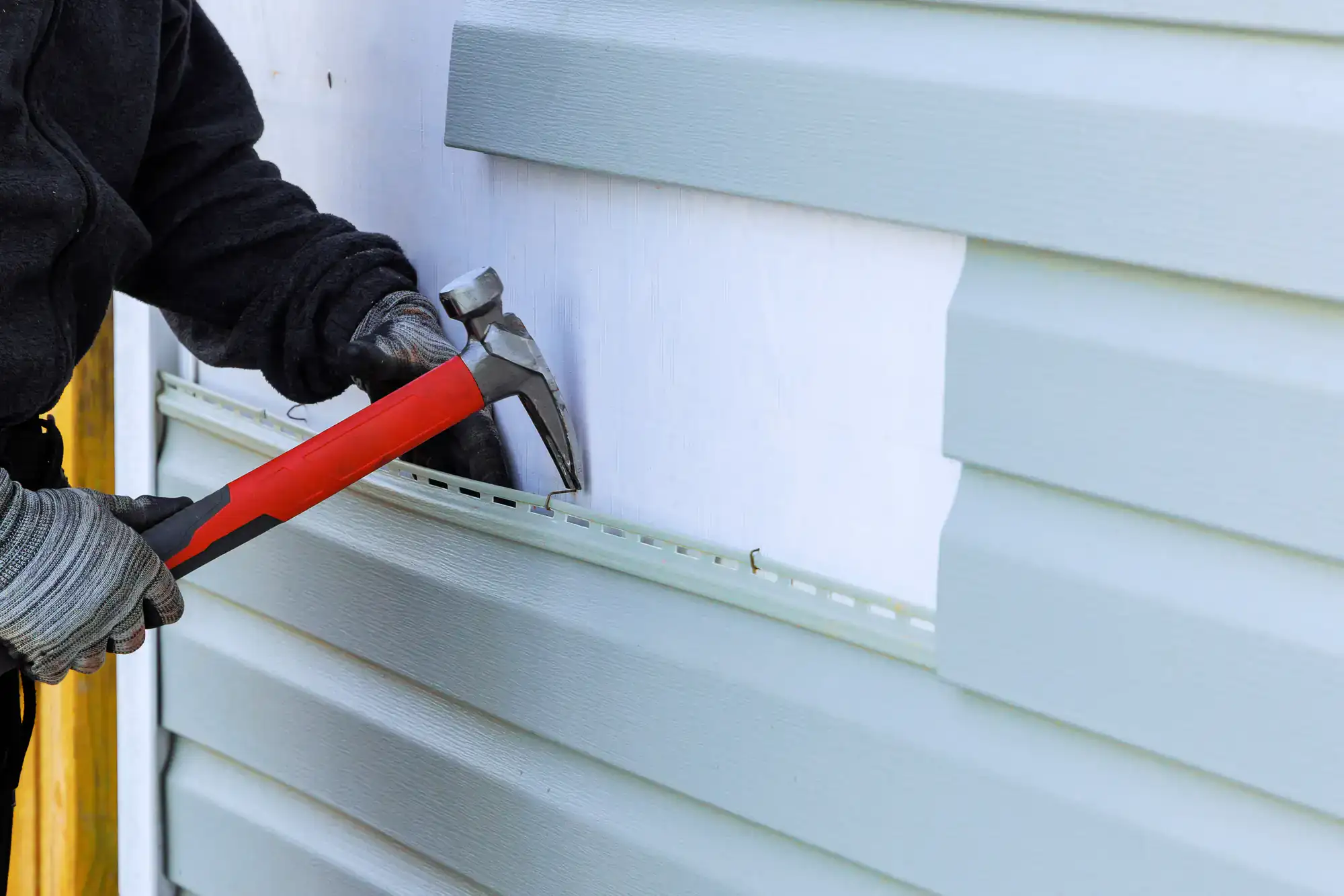
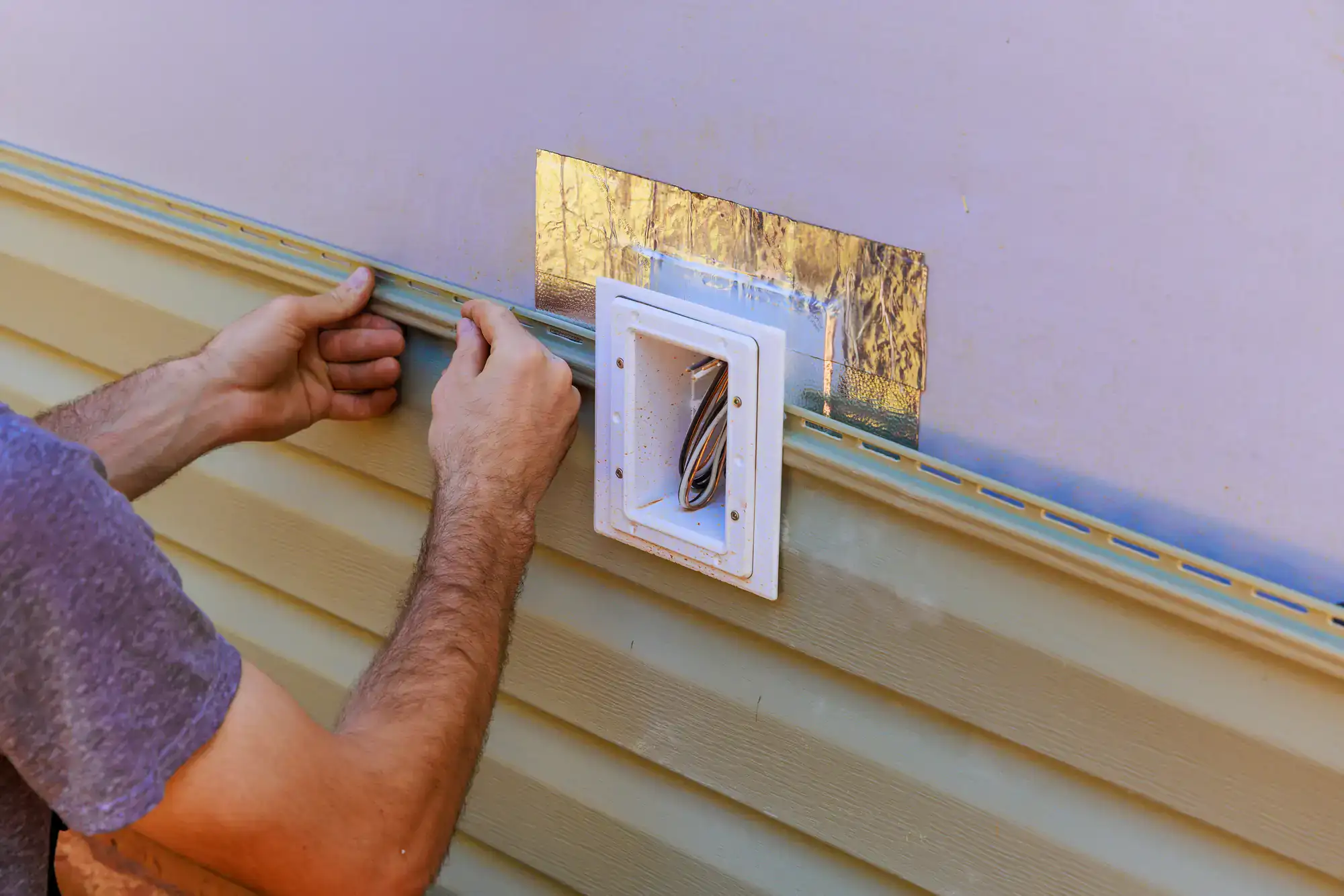
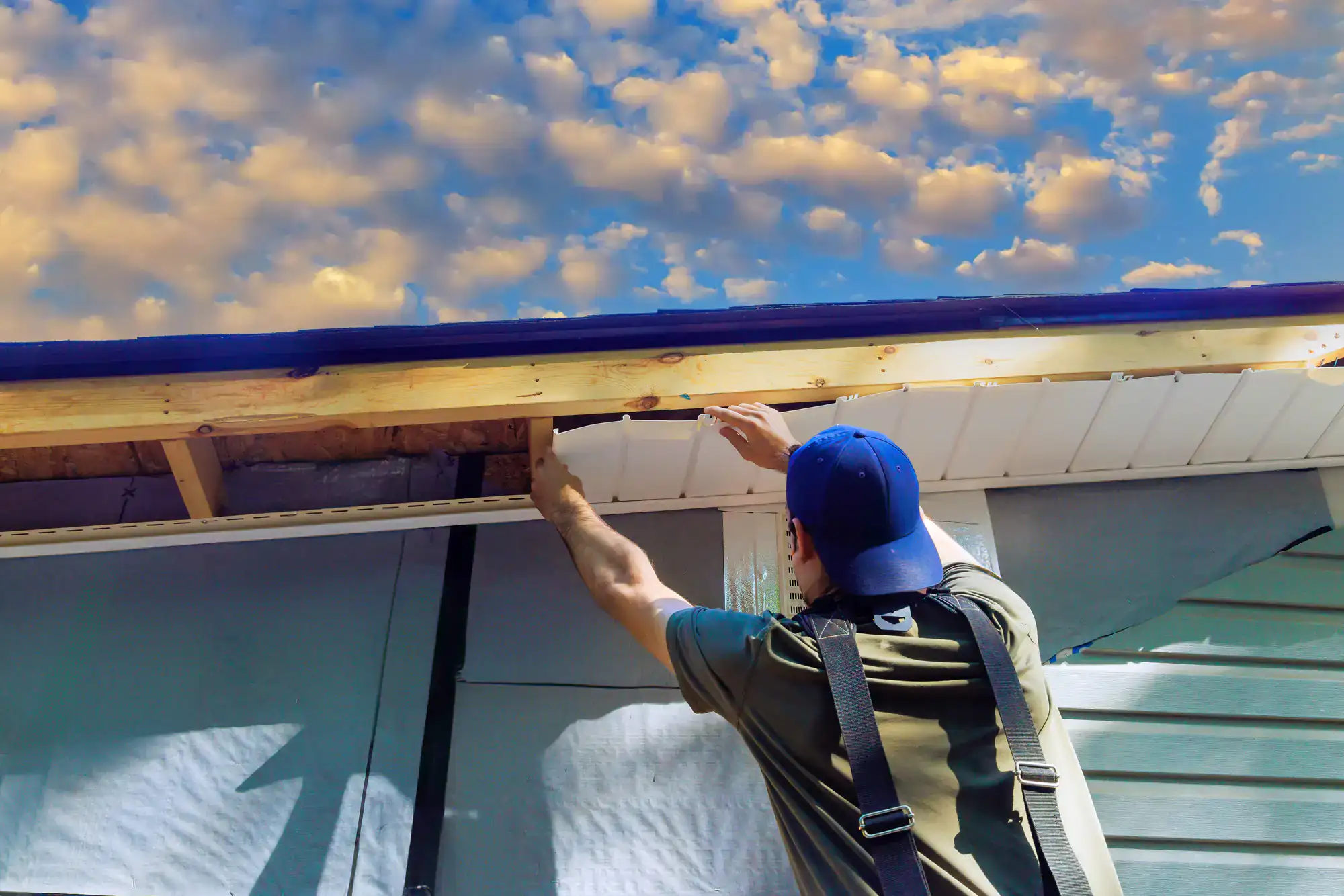
Installation takes several days depending on your home’s size. Old siding comes off carefully to avoid damaging the structure underneath. We inspect and repair sheathing as needed. New panels go up with proper overlap, correct fastener placement, and attention to expansion gaps that matter when temperatures swing 60 degrees between January and July.
Final walkthrough happens with you present. We show you how panels are secured, where flashing protects vulnerable areas, and what to expect for maintenance—which is minimal if the install is done right.
Ready to get started?
You get complete removal of existing siding and proper disposal. We don’t leave you with a dumpster in your driveway for three weeks. Sheathing inspection and repair is part of the process—if there’s damage underneath, it gets fixed before new siding goes on.
Insulated vinyl siding installation in Nesconset, NY makes sense for most homes. The foam backing adds R-value between 2.0 and 4.0, which translates to real energy savings. It also adds impact resistance when hail or wind-blown debris hits your exterior during storms.
Nesconset sits inland enough to avoid the worst salt exposure, but you’re still dealing with Long Island humidity and temperature extremes. We account for seasonal expansion and contraction during installation. Panels need room to move, or they’ll buckle in summer heat or crack in winter cold.
Color options now include deep blues, charcoal grays, and coastal-inspired tones that hold up better than they used to. Darker colors were problematic five years ago—they’d warp from heat absorption. Current materials handle it without issue.
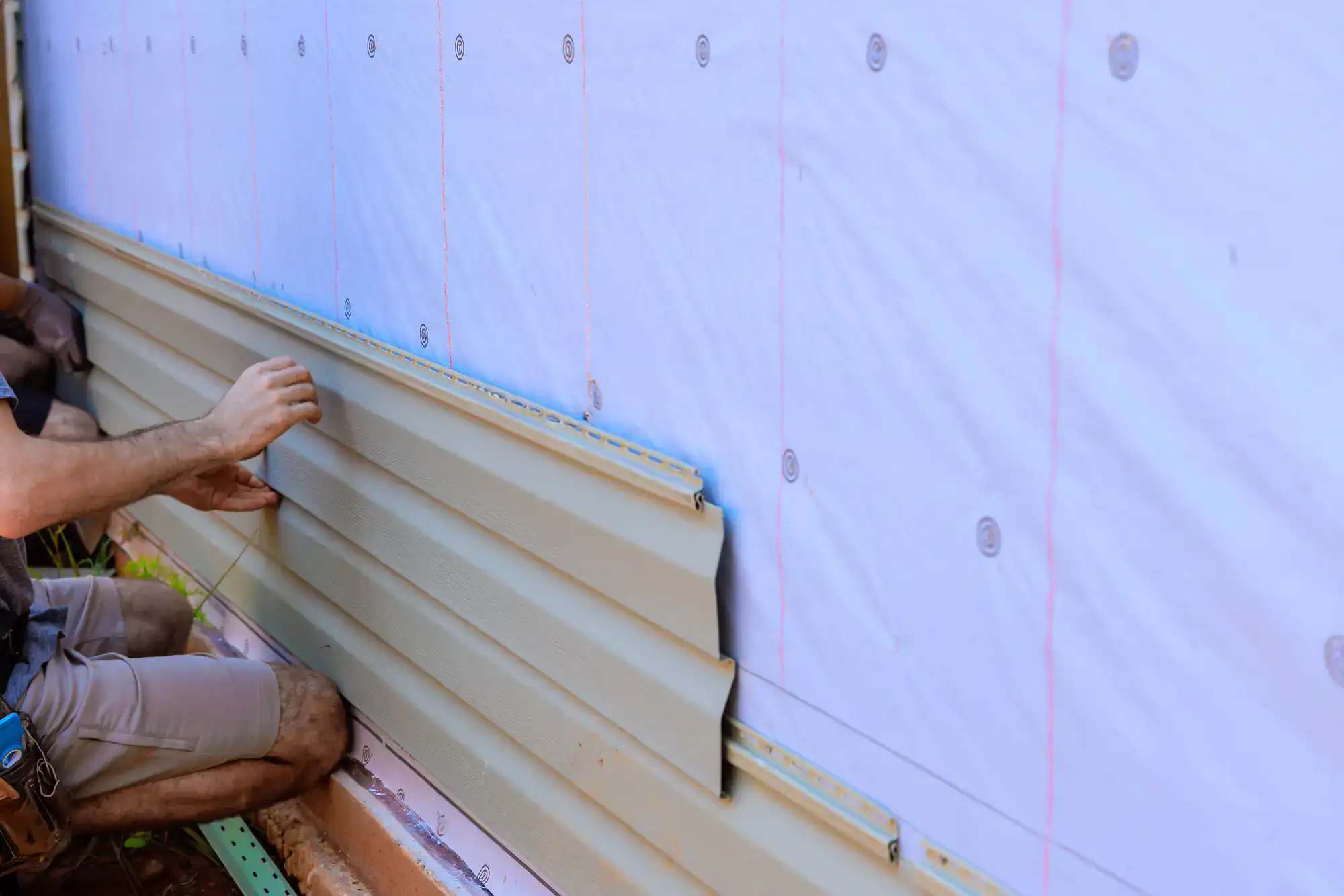
Quality vinyl siding lasts 25-40 years in Suffolk County when installed correctly. The range depends on material grade, installation quality, and exposure level. Homes with southern or eastern exposure face more UV and weather stress than northern sides.
Coastal areas see faster degradation from salt air. Nesconset is far enough inland that salt isn’t the primary concern—humidity and temperature swings matter more here. Cheaper vinyl becomes brittle after 15 years. Premium materials with UV inhibitors and impact-resistant formulations hold up significantly longer.
Installation quality affects lifespan as much as material choice. Panels fastened too tight can’t expand and contract properly. They’ll crack at the fastener points within a decade. Proper installation allows movement while maintaining weather protection. That’s the difference between siding that lasts 20 years versus 35.
Yes, but the savings depend on what you’re replacing. If your current siding has no insulation value and your home was built before 1980, you’ll notice a difference. Insulated vinyl siding adds R-2 to R-4 to your exterior walls. That’s not massive, but it’s enough to reduce heat transfer.
Most Nesconset homeowners report 10-15% reductions in heating and cooling costs after installation. Homes with older HVAC systems see bigger impacts because the system doesn’t work as hard to maintain temperature. Newer, efficient systems show smaller percentage changes but still measurable savings.
The payback period runs 7-12 years typically. Insulated siding costs 20-30% more than non-insulated, but energy savings accumulate over time. Factor in the added impact resistance and noise reduction, and the upgrade makes sense for most situations. If you’re replacing siding anyway, the incremental cost is worth it.
Individual panels can be replaced without redoing entire sections. That’s one advantage of vinyl—it’s a modular system. If wind rips off a panel or hail cracks it, we can remove the damaged piece and install a replacement. Color matching is usually exact if the siding is less than 10 years old.
Storm damage coverage depends on your homeowner’s insurance policy. Wind damage is typically covered. Hail damage coverage varies. We’ve worked with insurance adjusters throughout Suffolk County and can document damage properly for claims. Photos, measurements, and material specifications help your claim process move faster.
Prevention matters more than repair. Vinyl siding rated for 160 mph wind loads doesn’t fail in typical Long Island storms. Proper installation—correct fastener placement, adequate overlap, and secure trim—prevents most storm damage. The siding that fails during nor’easters is usually installed incorrectly or uses substandard materials.
Visible cracks, warping, or loose panels are obvious signs. Less obvious indicators include rising energy bills, interior water stains, or rooms that feel drafty near exterior walls. If you’re repainting every 3-4 years to keep the house looking decent, replacement makes more financial sense than continued maintenance.
Check for soft spots by pressing on the siding surface. If it feels spongy or you can push it inward, there’s likely water damage to the sheathing underneath. That’s a structural issue that gets worse the longer you wait. Mold or mildew stains that keep returning after cleaning suggest moisture is getting behind the siding.
Nesconset homes built in the 1970s and 1980s often have original siding that’s reached end of life. Material technology has improved significantly. What was considered quality 40 years ago doesn’t compare to current vinyl formulations for durability, insulation value, or weather resistance. If your siding is 25+ years old, replacement is worth evaluating even if it looks okay from the curb.
Thickness is the first indicator. Premium vinyl runs .044 to .046 inches thick. Budget options are .040 or thinner. That small difference affects impact resistance and how well panels hold their shape over decades. Thicker material doesn’t dent from hail or baseballs.
UV inhibitors and color retention technology separate quality products from basic ones. Cheap vinyl fades to a chalky, washed-out version of the original color within 5-7 years. Premium materials maintain color for 20+ years. You’ll see the difference driving through neighborhoods—homes with faded, discolored siding usually have builder-grade materials.
Wind rating matters on Long Island. Budget siding is tested to 110 mph. Premium products handle 160 mph winds. Nor’easters regularly produce 60-70 mph sustained winds with higher gusts. The difference between siding that stays attached and siding that ends up in your yard comes down to material engineering and installation quality. We use Royal Building Products because their performance specs match what Long Island weather actually delivers.
Vinyl siding can be installed year-round, but temperature affects how we handle the material. Vinyl becomes brittle below 40°F. Cutting cold panels can cause cracking. We store materials in heated areas before installation and make cuts indoors when possible during winter projects.
Fastener placement changes with temperature. Cold vinyl needs slightly looser fastening to allow for expansion when temperatures rise. If we install in January and fasten panels tight, they’ll buckle when July heat causes expansion. Experienced vinyl siding contractors in Nesconset, NY adjust installation technique based on current temperature and expected seasonal changes.
Winter installation actually has advantages. Scheduling is easier and timelines are shorter because we’re less busy. Your project gets more attention and faster completion. As long as temperatures stay above freezing during installation days, the work proceeds normally. We’ve installed vinyl siding in every month of the year across Suffolk County. The key is adjusting methods to account for material behavior at different temperatures.
Other Services we provide in Nesconset