
Hear from Our Customers
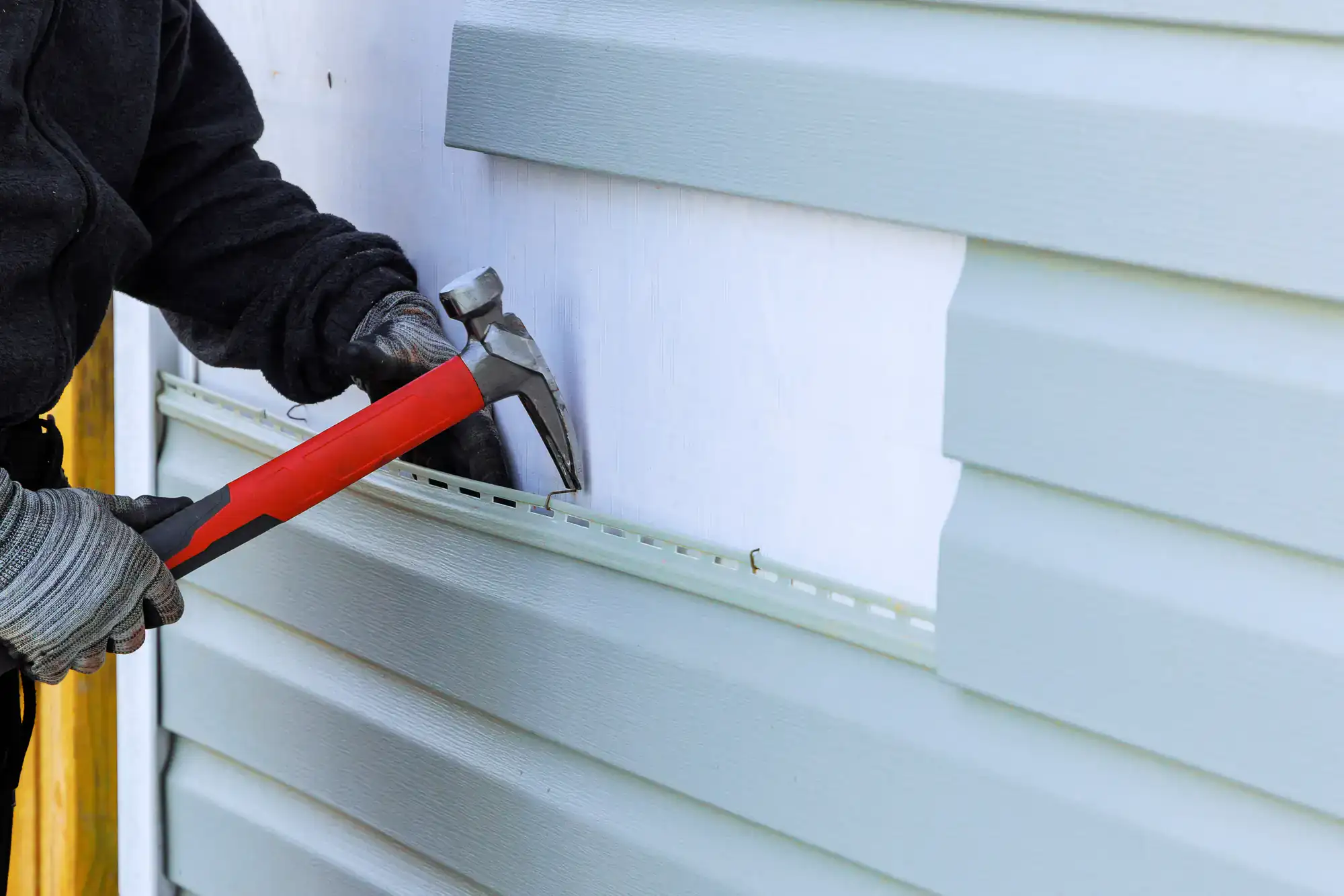
You’re done repainting every few years. Done worrying about cracked panels letting water seep into your walls. Done watching your heating bill climb because your old siding can’t keep the cold out.
Vinyl siding installation in North Amityville gives you insulation that actually works—raising your home’s R-value from 0.61 to over 2.0. That means your furnace runs less in winter and your AC doesn’t work overtime in summer. Most homeowners notice the difference on their first utility bill after installation.
The material itself requires zero upkeep. No scraping, no priming, no painting. It resists mold, won’t rot when moisture gets trapped, and holds its color even under constant exposure to UV rays and salt air from the coast. You get protection that lasts and curb appeal that doesn’t fade—without spending your weekends on maintenance.
We’ve been serving Suffolk County homeowners for over 35 years. We’re a family-owned business that’s completed more than 2,000 exterior projects across the area—from Smithtown to North Amityville and everywhere in between.
We know what coastal weather does to siding. We’ve seen how salt air accelerates cracking, how nor’easters rip poorly installed panels right off the house, and how temperature swings create gaps that let moisture in. That’s why we use materials specifically rated for Long Island’s climate and installation techniques that prevent those problems before they start.
Your neighbors near Bethel AME Church and along the streets around Fratellis Italian Gourmet Market have trusted us with their homes. We show up when we say we will, finish on schedule, and stand behind our work with real warranties.
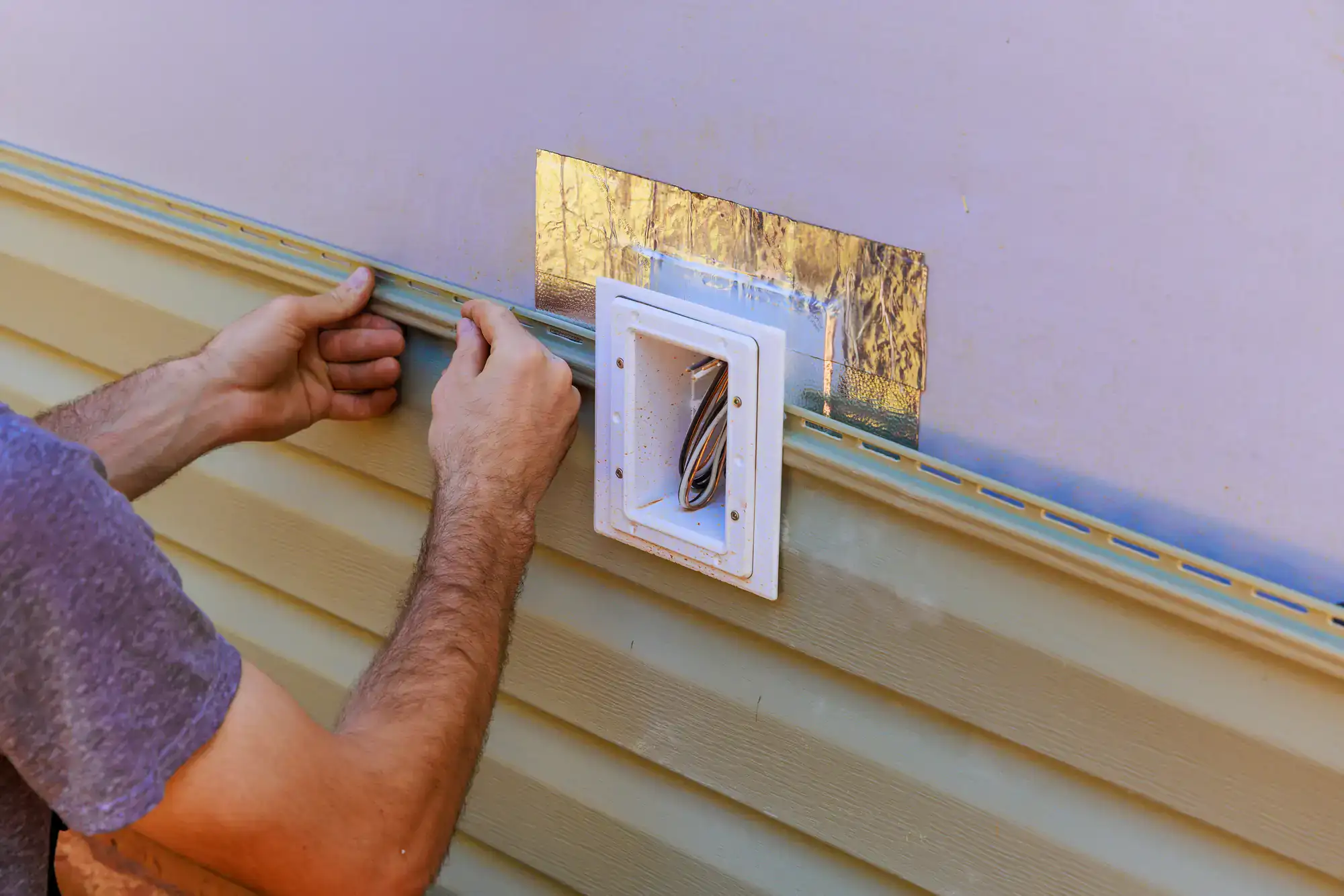
We start with a thorough inspection of your current siding and the structure underneath. You need to know if there’s hidden water damage, rotted sheathing, or insulation problems before new siding goes up. We document everything and give you a detailed estimate that breaks down materials, labor, and timeline.
Once you approve the plan, we order materials rated for coastal conditions—panels that resist salt air corrosion and hold up under high winds. Most vinyl siding installations in North Amityville take between one and three days depending on your home’s size and the scope of repairs needed underneath.
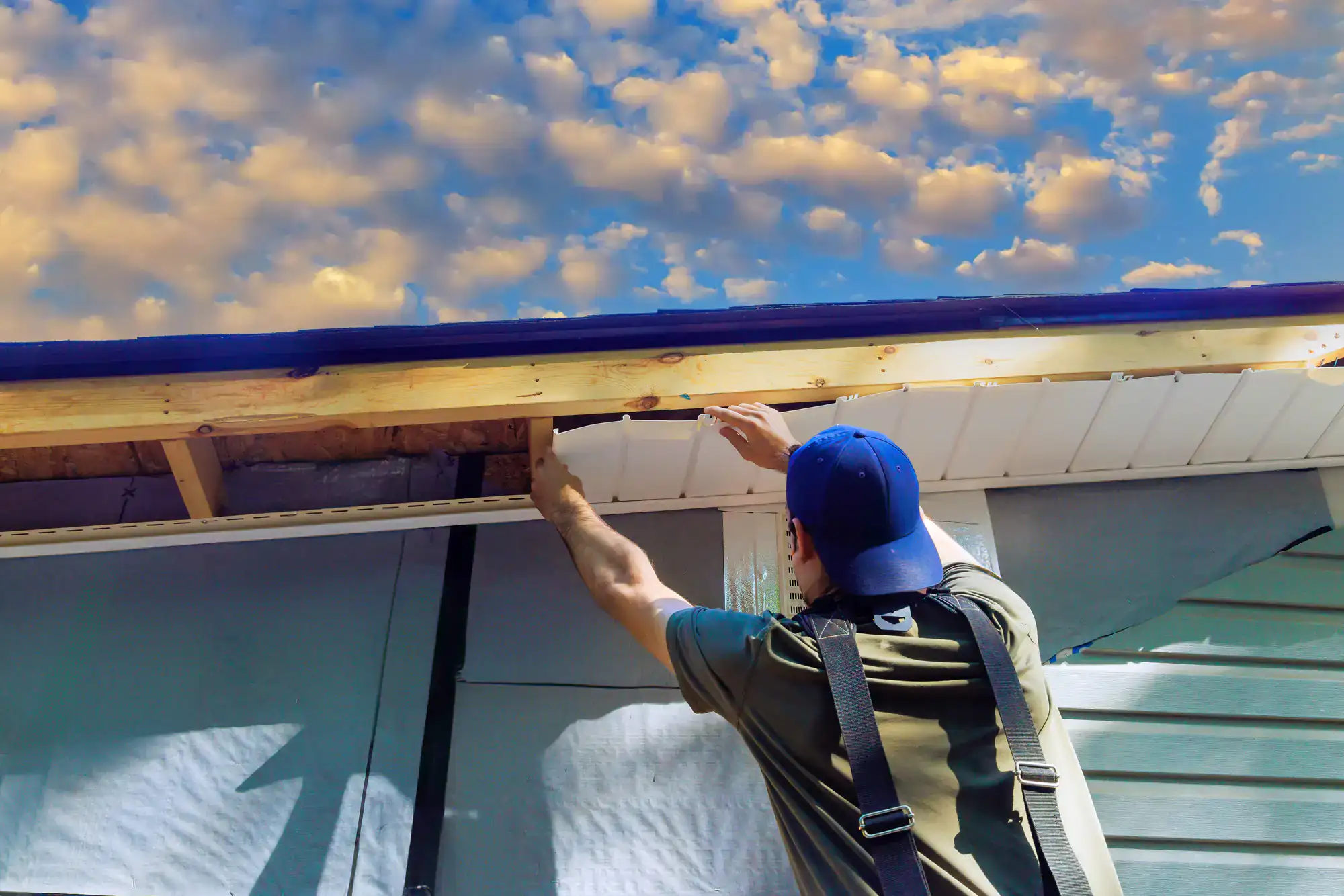
During installation, we remove old siding carefully to avoid damaging your home’s structure. We address any moisture barriers or insulation issues, then install new panels using techniques that allow for expansion and contraction. That prevents the buckling and gaps you see on rushed jobs. We clean up completely each day and do a final walkthrough with you to make sure everything meets your expectations.
Ready to get started?
Your vinyl siding installation includes a complete assessment of your home’s current condition, removal and disposal of old materials, and any necessary repairs to underlying structure or moisture barriers. We don’t just cover up problems—we fix them so your new siding performs the way it should.
You get premium vinyl materials designed for Suffolk County’s coastal environment. These aren’t the thin panels that crack after a few winters. We’re talking about impact-resistant siding that handles hail, wind-driven debris, and the constant assault of salt air without fading or warping. You’ll choose from hundreds of colors and textures that match your home’s style.
Installation includes proper insulation backing that boosts your home’s energy efficiency and reduces outside noise. We seal every seam, flash around windows and doors correctly, and make sure water drains away from your foundation instead of getting trapped behind panels. Most vinyl siding projects in North Amityville add between $15,000 and $30,000 to your home’s resale value while cutting your maintenance costs to basically nothing.
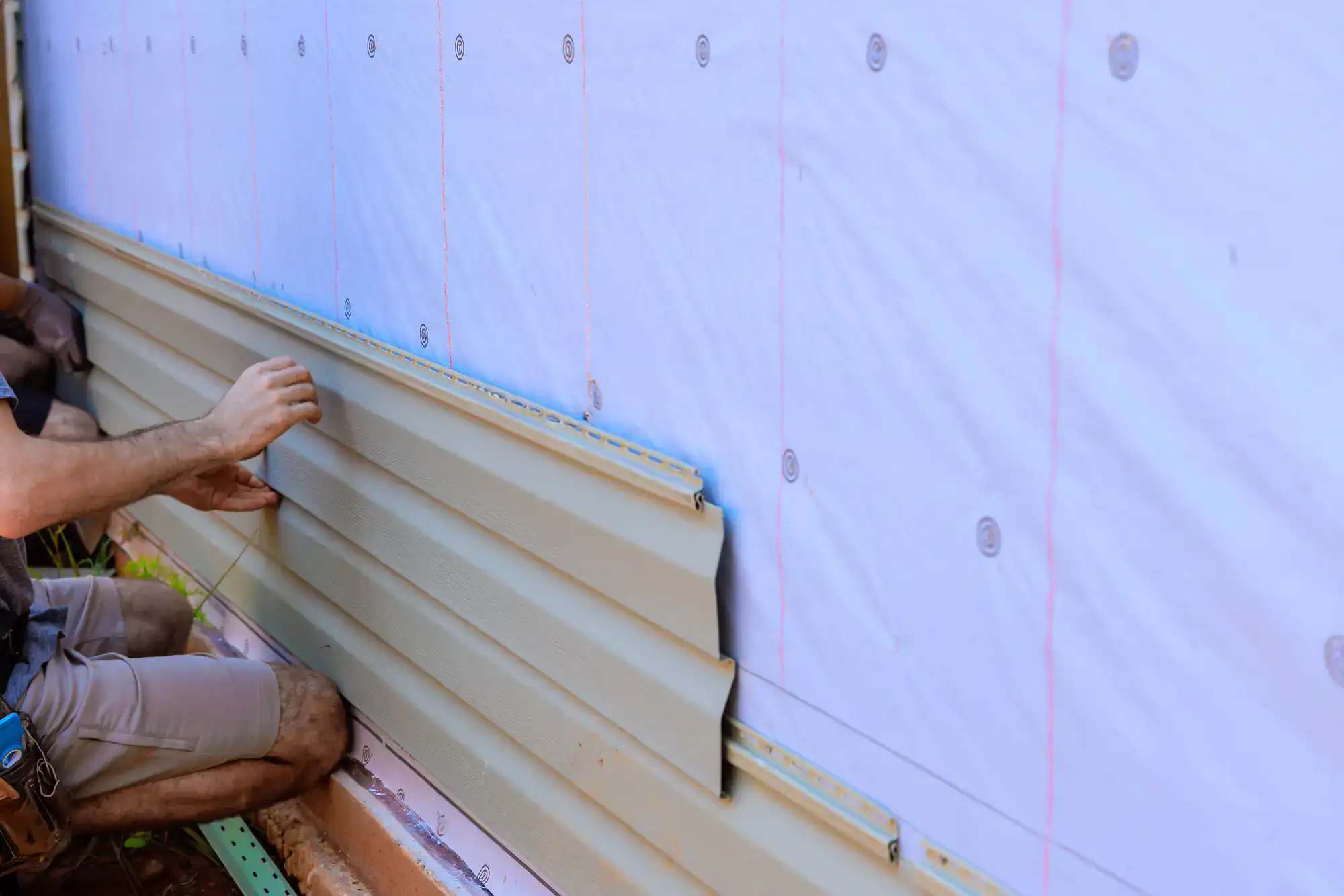
Most vinyl siding installation projects in North Amityville run between $8,000 and $15,000 for an average-sized home, though costs vary based on your home’s square footage, the condition of existing siding, and whether we need to repair underlying structure. That price includes removal of old materials, any necessary repairs to sheathing or moisture barriers, premium coastal-rated vinyl panels, insulation backing, and professional installation.
You’re looking at a 97% return on investment according to national remodeling data. The average vinyl siding job costs around $17,950 and returns $17,313 in resale value. For Long Island specifically, you can expect to add $15,000 to $30,000 to your home’s market value with a quality installation.
The real savings show up over time. You eliminate painting costs that run $3,000 to $5,000 every five to seven years. Your energy bills drop because insulated vinyl siding improves your home’s R-value significantly. And you avoid the expensive repairs that come from water damage when old, cracked siding lets moisture reach your walls.
Quality vinyl siding installed correctly lasts 30 to 40 years in North Amityville’s coastal climate, even with constant exposure to salt air and severe weather. The key is using materials specifically rated for coastal environments and installation techniques that account for temperature swings and wind loads.
Cheap vinyl or poor installation fails much faster. You’ll see cracking within five to ten years, fading that makes your home look worn out, and panels that buckle or pull away during storms. That’s usually because the material wasn’t rated for salt air exposure or the installer didn’t leave proper expansion gaps.
We use vinyl siding that resists UV damage, won’t corrode from salt air, and handles the freeze-thaw cycles Long Island throws at it. The panels are engineered to expand and contract without creating gaps where water can get in. When installed with proper moisture barriers and ventilation, you’re looking at decades of protection without the rot, mold, or structural damage you’d get from wood siding in the same conditions.
Yes, but only if it’s installed correctly with materials rated for high wind loads. Nor’easters regularly hit Suffolk County with sustained winds over 60 mph and gusts that go higher. Vinyl siding needs to be fastened properly and rated for those conditions, or you’ll lose panels during every major storm.
The problem with most storm damage isn’t the vinyl itself—it’s how it was installed. Panels need to be nailed in the center of the slot, not tight against the house, so they can move with temperature changes. They need proper overlap and interlocking to resist wind uplift. And the moisture barrier underneath needs to be sealed correctly so wind-driven rain doesn’t get into your walls.
We’ve replaced siding on hundreds of Suffolk County homes after storms. The ones that fail are almost always either cheap material or rushed installation. When you use impact-resistant vinyl rated for coastal wind zones and install it according to manufacturer specs for expansion, ventilation, and fastening, it stays put through nor’easters, tropical storms, and the occasional hurricane remnant that makes it up here.
You’ll see a noticeable drop in heating and cooling costs with insulated vinyl siding, especially if your current siding is old or damaged. Standard vinyl has an R-value around 0.61, which provides almost no insulation. Insulated vinyl siding raises that to between 2.0 and 3.0, creating a thermal barrier that keeps conditioned air inside your home.
The difference shows up most in winter when your furnace doesn’t have to run constantly to maintain temperature, and in summer when your AC isn’t fighting to overcome heat transfer through your walls. Most North Amityville homeowners report 10% to 20% reductions in energy costs after vinyl siding installation, with the biggest savings in older homes that had minimal wall insulation.
Beyond the insulation value, new siding eliminates the air leaks and gaps that let drafts in. Cracked or poorly fitted old siding creates pathways for cold air to reach your interior walls. When we install new vinyl with proper moisture barriers and sealed seams, we’re essentially tightening your home’s envelope. That means your HVAC system works less to maintain comfort, and you’re not literally heating or cooling the outdoors through gaps in your exterior.
You need full replacement if you’re seeing widespread cracking, significant fading across multiple walls, or evidence of water damage behind the siding. Minor issues like a few cracked panels from storm debris can be repaired, but if more than 30% of your siding shows damage, replacement makes more financial sense.
Look for these signs that repair won’t cut it: panels that are warped or buckled across large sections, visible mold or rot when you pull a panel away from the house, dramatically higher energy bills that suggest your insulation is compromised, or siding that’s more than 25 years old and showing its age. Water stains on interior walls near exterior ones are a red flag that moisture is getting through.
We’ll do a thorough inspection and tell you honestly whether you need replacement or if repairs will handle it. Sometimes a few damaged panels can be swapped out and you’re good for another decade. Other times, the underlying structure has water damage that needs to be addressed, and patching the siding just hides a bigger problem. We’d rather give you the straight answer now than have you call us back in two years with a more expensive issue.
Yes, we work directly with insurance companies and adjusters to document storm damage and support your claim. We provide detailed estimates that break down what was damaged, what needs to be replaced, and what the repair costs are. Most insurance adjusters in Suffolk County know our work and trust our assessments.
After a major storm, we’ll inspect your siding and photograph all damage—cracked panels, areas where wind lifted or removed siding, and any evidence that water got behind the material. We document pre-existing conditions separately so your claim focuses on storm-related damage. Then we write up a comprehensive estimate that matches the format insurance companies expect.
We’ve helped hundreds of North Amityville homeowners navigate the claims process over 35 years. We know what documentation adjusters need, how to demonstrate that damage requires replacement rather than repair, and how to make sure you’re not left covering costs that insurance should pay. We’ll meet with your adjuster, answer their questions, and provide any follow-up information they request. The goal is getting your claim approved and your home protected as quickly as possible.
Other Services we provide in North Amityville