
Hear from Our Customers
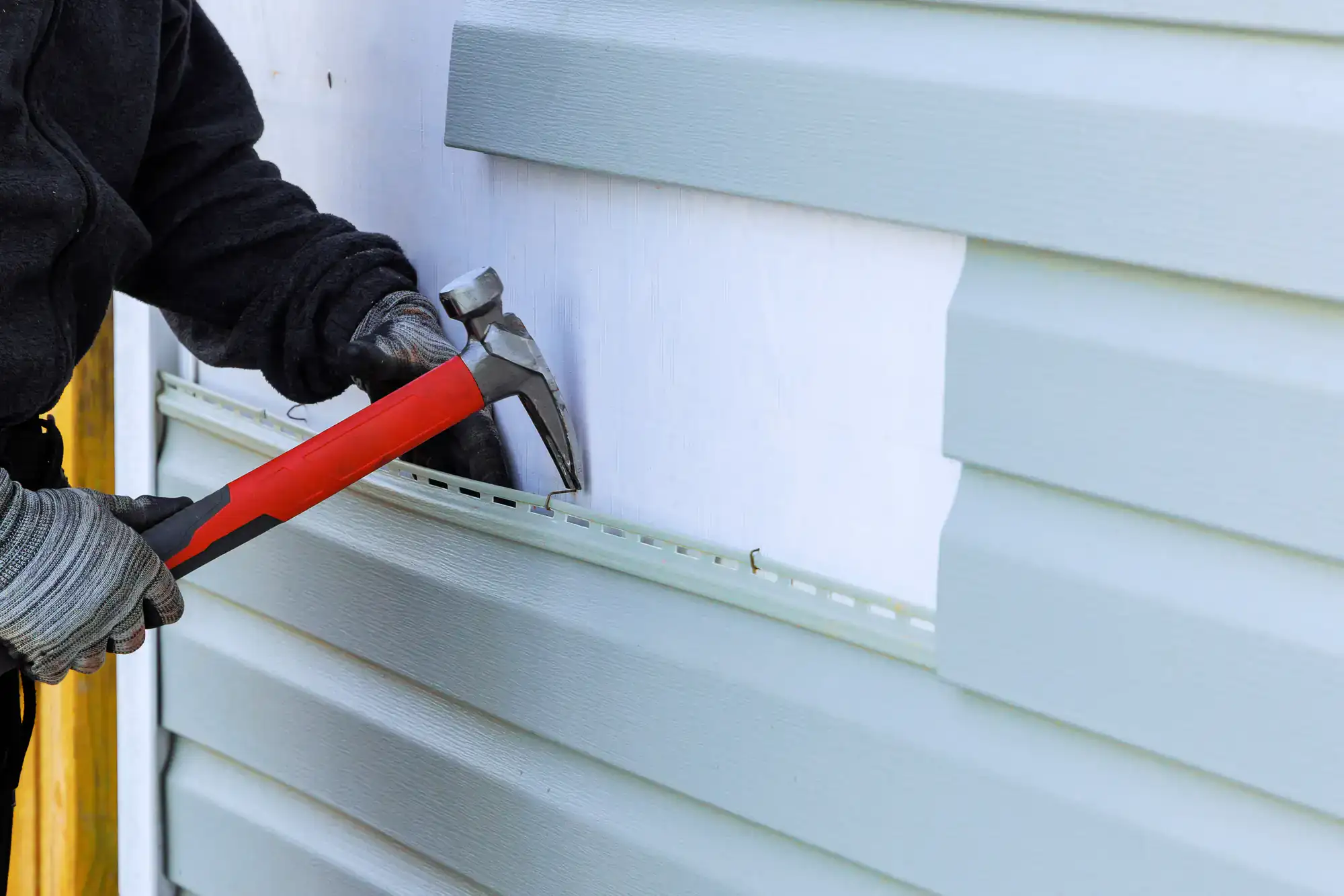
Coastal homes take a beating. Wind rips panels loose during storms. Salt air works its way into every crack and seam. Temperature swings cause vinyl to expand and contract until gaps form and moisture finds its way in.
The right vinyl siding installation stops that cycle. You get panels engineered to flex with temperature changes without warping. Proper installation means water runs off instead of sneaking behind your walls. Insulated options cut your heating and cooling costs while adding a layer of protection against the elements.
Your home looks sharp. Your energy bills drop. And you’re not repainting or replacing boards every few years because the materials and installation were built to handle what Shelter Island throws at them.
We’ve worked on Suffolk County homes for over 35 years. We’ve repaired damage from Hurricane Sandy, patched roofs after nor’easters, and replaced siding that wasn’t installed right the first time.
That experience matters in Shelter Island. With 100% of properties at severe risk of wind events and 22% facing flood risk over the next 30 years, your home needs more than standard installation. It needs contractors who understand how salt air accelerates wear, how coastal humidity creates moisture problems, and how to install siding that actually protects your investment.
We’re a family operation. That means you get personal oversight from start to finish, not a rotating crew of subcontractors who’ve never worked on coastal properties.
We start with an inspection of your current exterior. We’re looking for moisture damage, structural issues, and any problems that need addressing before new siding goes up. If your sheathing is compromised, we fix it. If there’s rot or mold, we handle it.
Next comes material selection. We walk you through options that work for coastal conditions—impact-resistant panels, insulated backing, colors that hold up to UV exposure. You’re not picking from a generic catalog. You’re choosing materials we’ve seen perform in Shelter Island’s climate.
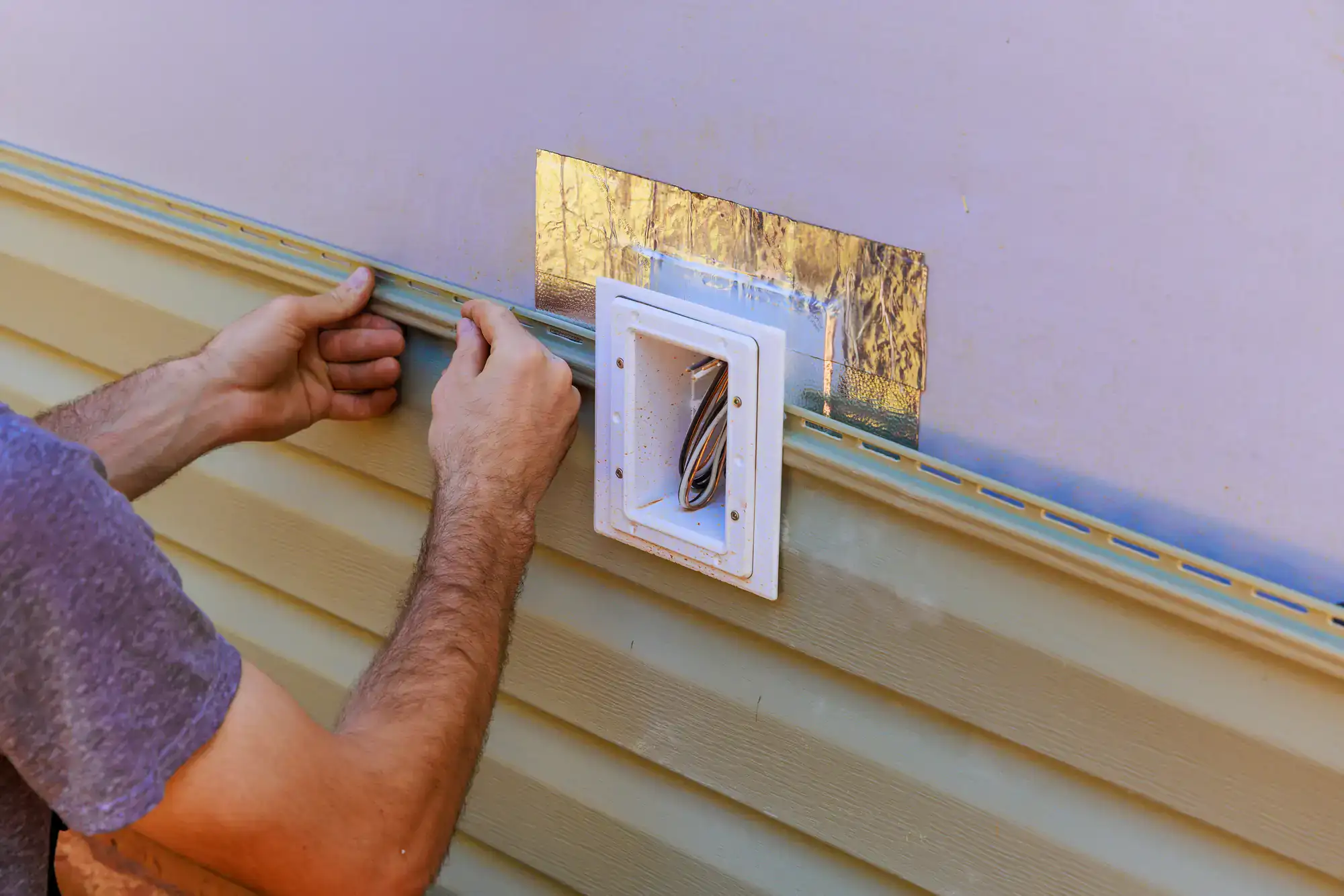
Installation happens with attention to the details most contractors skip. Proper flashing around windows and doors. Correct spacing to allow for expansion and contraction. Tight seams that keep moisture out. Our crew has installed siding on thousands of Suffolk County homes, and we know what separates installations that last from ones that fail in five years.
Final inspection covers everything. We check every panel, every seam, every transition point. You get a walkthrough of the work and a warranty that backs it up.
Ready to get started?
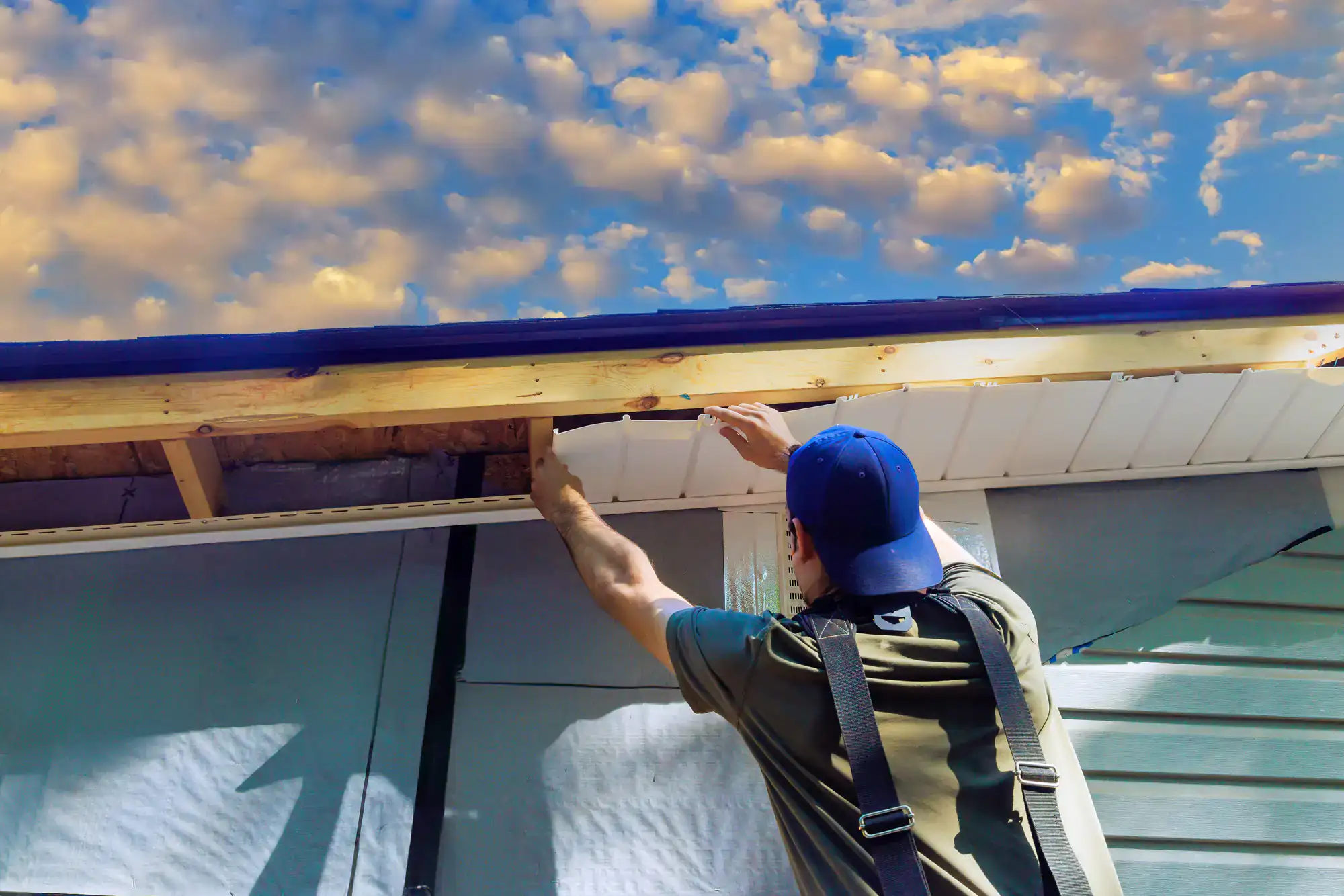
Your vinyl siding installation includes full removal of old siding and proper disposal. We inspect and repair sheathing and moisture barriers before any new material goes up. You get quality vinyl panels chosen specifically for coastal durability—not whatever’s cheapest that week.
Installation includes proper flashing, sealed seams, and correct fastening that allows for thermal movement. Insulated options add R-values between 2.0 and 3.0, compared to standard vinyl’s 0.61. That difference shows up in your energy bills, especially during Shelter Island’s temperature swings.
With median home values in Shelter Island exceeding $2.5 million, your exterior isn’t just about looks. It’s about protecting a significant investment from an environment where salt air, storms, and humidity are constants. Our installations address those specific challenges with materials and techniques proven to work in Suffolk County’s coastal conditions.
You also get transparent communication throughout the project. No surprises, no disappearing crews, no vague timelines. We’re here from consultation through final inspection, and we’re available after that if you need anything.
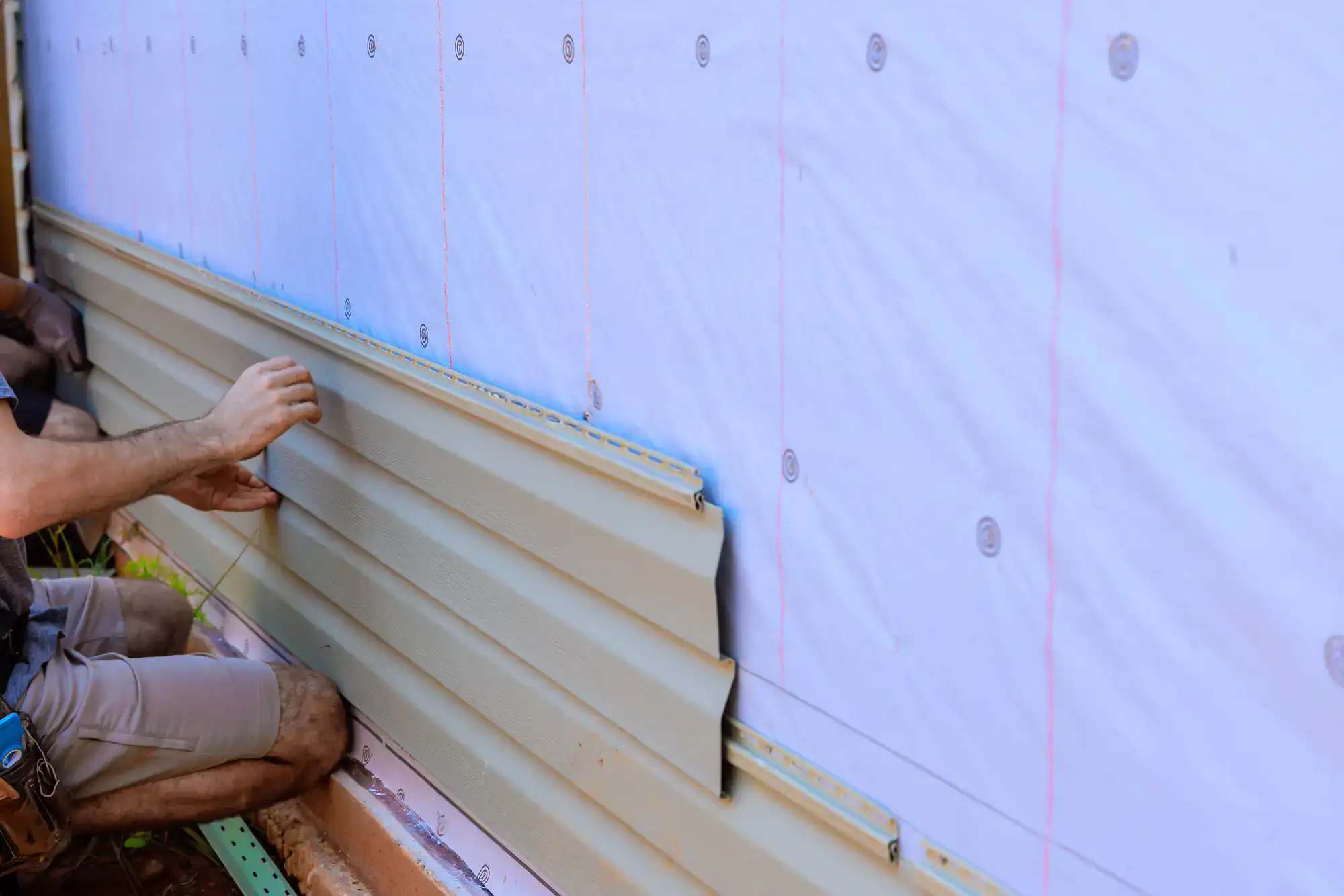
Properly installed vinyl siding lasts 30 to 40 years in coastal environments, but that lifespan depends entirely on installation quality and material selection. Shelter Island’s salt air, humidity, and storm exposure accelerate wear on substandard materials or poor installation.
The key is choosing vinyl rated for impact resistance and UV stability, then installing it with correct spacing for thermal expansion. Panels installed too tight will buckle during summer heat. Panels with gaps will let moisture infiltrate during storms. Coastal installations also require extra attention to flashing and sealing around openings where wind-driven rain finds its way in.
We’ve seen vinyl siding installed in the 1990s still performing well on Suffolk County homes, and we’ve torn off installations from five years ago that failed because corners were cut. The difference isn’t the material—it’s the installation and whether the contractor understood coastal conditions.
Insulated vinyl siding can reduce heating and cooling costs by up to 20%, which matters in Shelter Island where temperature swings run from winter lows in the teens to summer highs in the 80s. Standard vinyl provides an R-value around 0.61. Insulated options boost that to between 2.0 and 3.0.
That improved insulation means your HVAC system works less to maintain comfortable temperatures. You’ll notice the difference most during extreme weather—cold snaps in January and heat waves in July. The tight fit against your home’s sheathing also reduces air infiltration, which is where a lot of energy loss happens in older homes.
Given that Shelter Island homes were primarily built in the 1950s and 1970s, many lack modern insulation standards. Adding insulated vinyl siding upgrades your thermal envelope without the cost and disruption of tearing into walls. The energy savings compound over the 30-plus year lifespan of the siding.
Water stains on interior walls are the most obvious sign, but moisture problems often hide for months before you see interior damage. Check for peeling paint near windows and doors, musty odors in certain rooms, or soft spots when you press on interior walls.
Outside, look for warped or buckled panels, gaps between siding and trim, or discoloration that suggests water is getting behind the siding. Coastal homes in Shelter Island face extra moisture risk because salt air holds humidity and storms drive rain horizontally into every seam and gap.
If you’re seeing any of these signs, the problem is already established. Moisture behind siding leads to rot, mold, and structural damage that gets expensive fast. During our initial inspection, we check for these issues and assess what’s happening behind your current siding. Sometimes it’s a simple fix. Sometimes the sheathing needs repair before new siding goes up. Either way, you know what you’re dealing with before work starts.
Vinyl doesn’t rot, rust, or corrode—which matters when salt air is constantly working against your home’s exterior. Wood siding absorbs moisture and deteriorates faster in humid coastal climates. Metal siding corrodes from salt exposure. Fiber cement is durable but heavy and requires more maintenance.
Vinyl handles moisture without degrading. It flexes with temperature changes instead of cracking. Modern vinyl resists UV fading and impact damage from hail or windborne debris during storms. It doesn’t need painting, which saves you from the cycle of scraping and repainting every few years.
For Shelter Island specifically, where 100% of properties face severe wind risk and humidity is a constant, vinyl offers the best combination of durability, low maintenance, and cost-effectiveness. Quality vinyl siding installed correctly will outlast most other materials in coastal conditions while requiring nothing more than an annual rinse to maintain appearance.
Siding replacement typically recoups around 80% of the investment when you sell, but in Shelter Island’s market—where median sale prices hit $2.5 million—the impact goes beyond simple ROI calculations. Curb appeal matters significantly in an exclusive coastal community where buyers expect properties to be well-maintained.
New siding signals that the home has been cared for. It eliminates concerns about hidden moisture damage or deferred maintenance. In a market where 84% of housing units are owner-occupied and household incomes average nearly $159,000, buyers aren’t looking for bargains—they’re looking for properties that won’t require immediate work.
Fresh vinyl siding also improves energy efficiency, which is increasingly important to buyers. With proper installation and quality materials, you’re not just updating appearance—you’re extending the functional lifespan of your home’s exterior protection system. That value shows up in faster sales and stronger offers when you’re ready to move.
Start with local experience. Contractors who’ve worked in Suffolk County understand coastal challenges that contractors from inland areas don’t encounter. Ask how long they’ve operated locally and how many coastal installations they’ve completed.
Check whether they handle everything in-house or subcontract the work. You want consistency and accountability, not a rotating crew of subcontractors. Ask about their inspection process—do they check for moisture damage and structural issues before installation, or do they just cover up existing problems?
Material selection matters too. Contractors who stock quality materials rated for coastal conditions versus those who source the cheapest available panels will deliver very different results. Get specifics on warranties—both manufacturer warranties on materials and workmanship warranties from the contractor.
Finally, trust your gut during consultations. Contractors who ask questions about your home’s history, explain their process clearly, and provide transparent pricing are usually the ones who deliver quality work. Contractors who pressure you to sign immediately or can’t explain why they recommend certain materials over others are red flags.
Other Services we provide in Shelter Island