
Hear from Our Customers
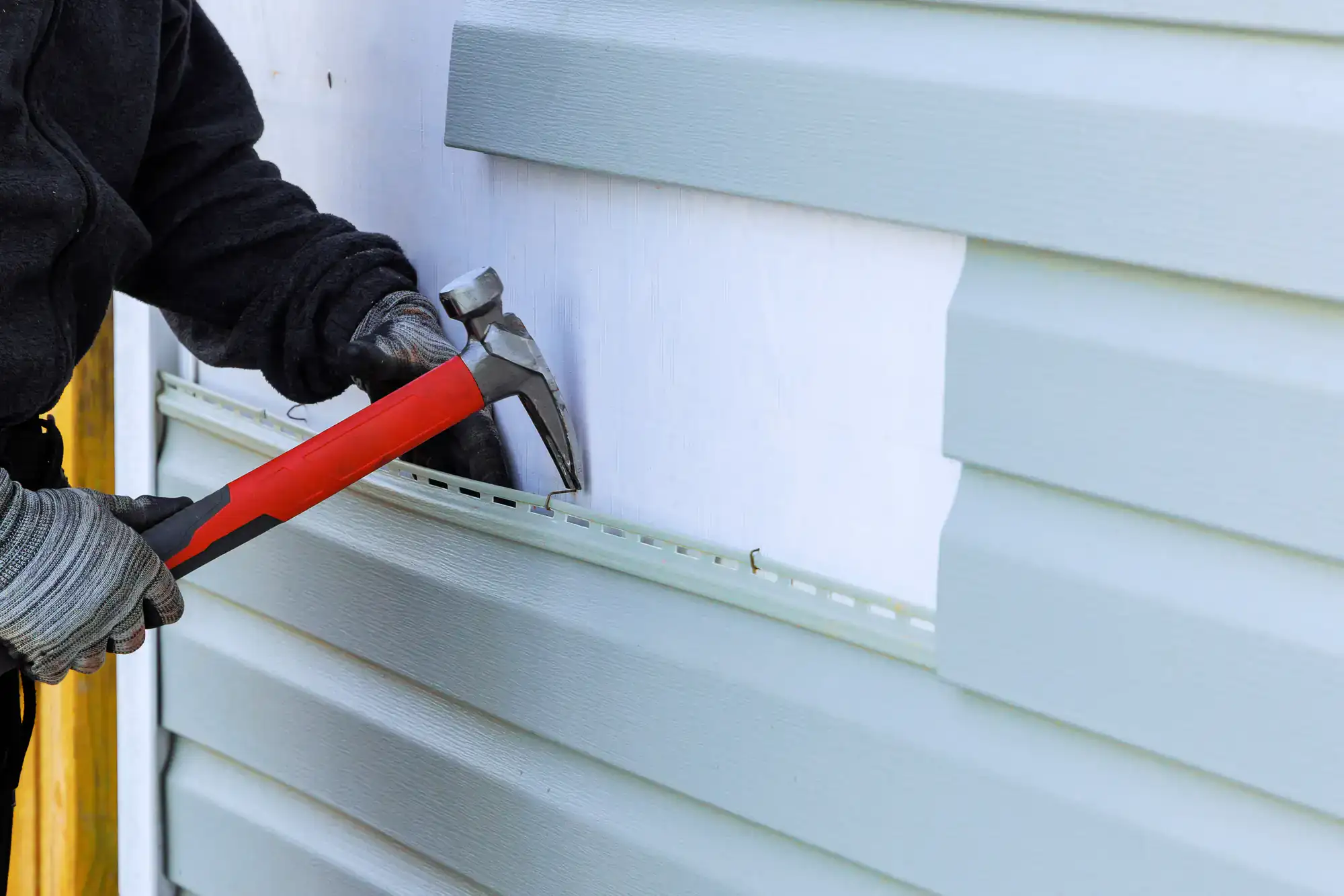
Water damage makes up over 27% of homeowner insurance claims on Long Island. Your siding is your first line of defense against that statistic becoming your reality.
Properly installed vinyl siding withstands winds up to 100mph and never needs painting. The latest generation uses capstock technology that resists fading from salt air and sun exposure—two things Springs homes deal with constantly.
You’re looking at 20 to 60 years of protection when it’s done right. That means fewer contractor calls, no scraping and repainting every few years, and actual resistance to the moisture that causes rot in traditional materials. Insulated options can cut your heating and cooling costs by up to 20%, which means the installation pays itself back over time through lower energy bills.
SkyLuxe Construction is a family operation based in Suffolk County. We’ve spent years working on homes in Springs and across the East End, so we understand what coastal weather does to exterior materials.
Springs sits in storm surge zones. Many properties require flood insurance. Your home needs more than standard installation—it needs someone who accounts for wind-driven rain, temperature swings, and the kind of moisture exposure that comes with being this close to the water.
We handle vinyl siding installation from assessment through final inspection. Every job gets direct oversight, and we use materials designed specifically for coastal climates. You’re not getting a crew that treats your home like it’s in the suburbs.
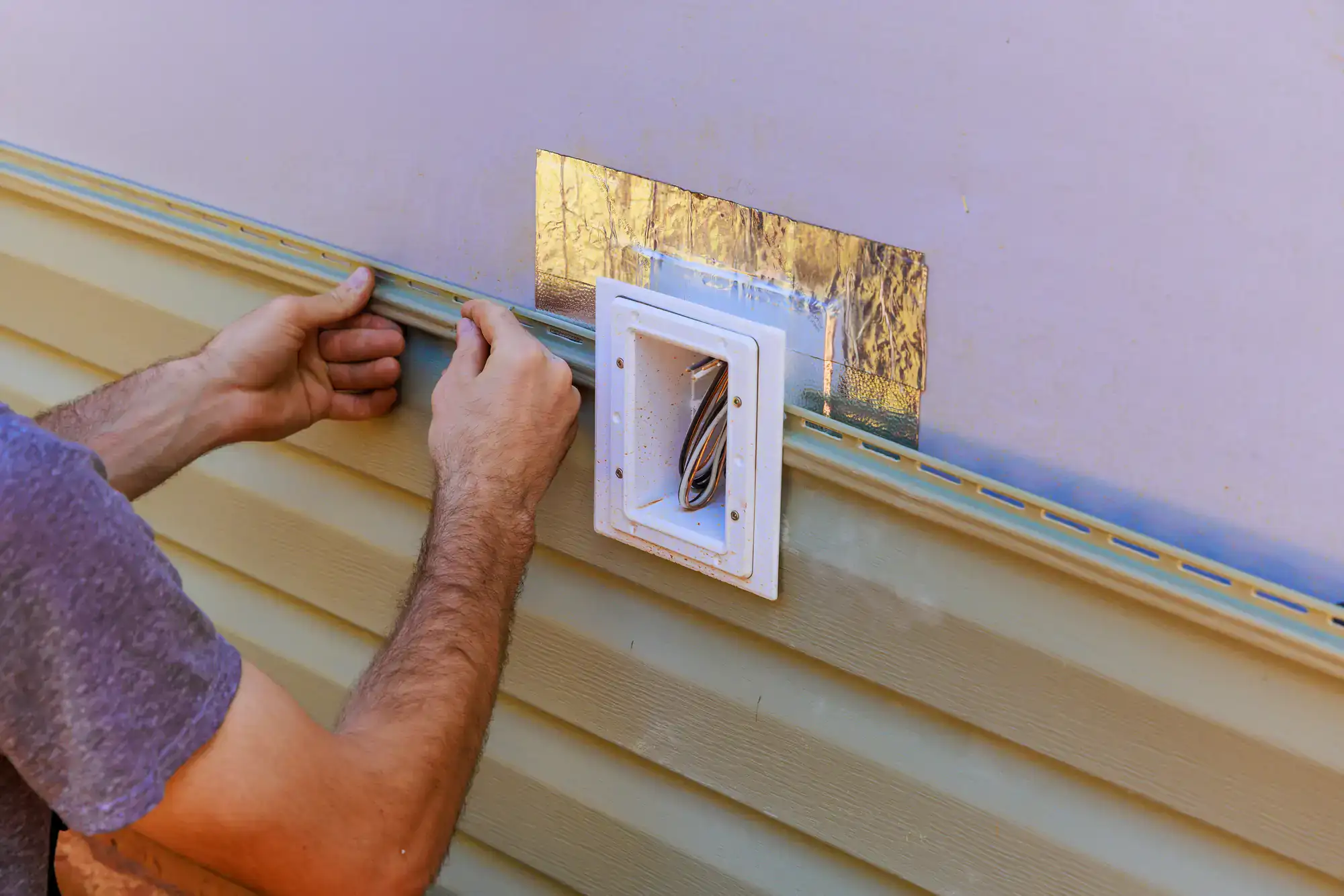
We start with an on-site assessment of your current siding and underlying structure. If there’s moisture damage, rot, or improper flashing, we identify it before new material goes up. Skipping this step is how other contractors end up trapping problems behind new siding.
Next, we remove old siding and inspect the sheathing and house wrap. If your home needs updated moisture barriers or insulation, this is when that work happens. Vinyl siding only performs as well as what’s behind it.
Installation follows manufacturer specs with attention to expansion gaps. Vinyl expands and contracts with temperature changes. If it’s nailed too tight, it warps in summer heat or cracks in winter cold. We account for that movement so your siding stays flat and functional through every season.
Final inspection covers seams, trim work, and flashing around windows and doors. These details determine whether water stays out or finds its way in during the next storm.
Ready to get started?
You’re getting materials rated for coastal exposure—not standard vinyl that fades or becomes brittle in salt air. We use products with UV-resistant coatings and impact protection that matters when branches come down during storms.
Insulated vinyl siding is an option worth considering if energy efficiency is a priority. It adds an R-value between 2 and 4, which improves thermal performance without adding bulk. The foam backer also acts as a shock absorber, so the siding holds up better against hail or debris.
Springs homes range from smaller Cape Cods to larger traditional colonials. Design versatility matters here. Today’s vinyl replicates wood grain and cedar shakes without the rot, warping, or insect damage that comes with actual wood. You get the look you want with none of the problems.
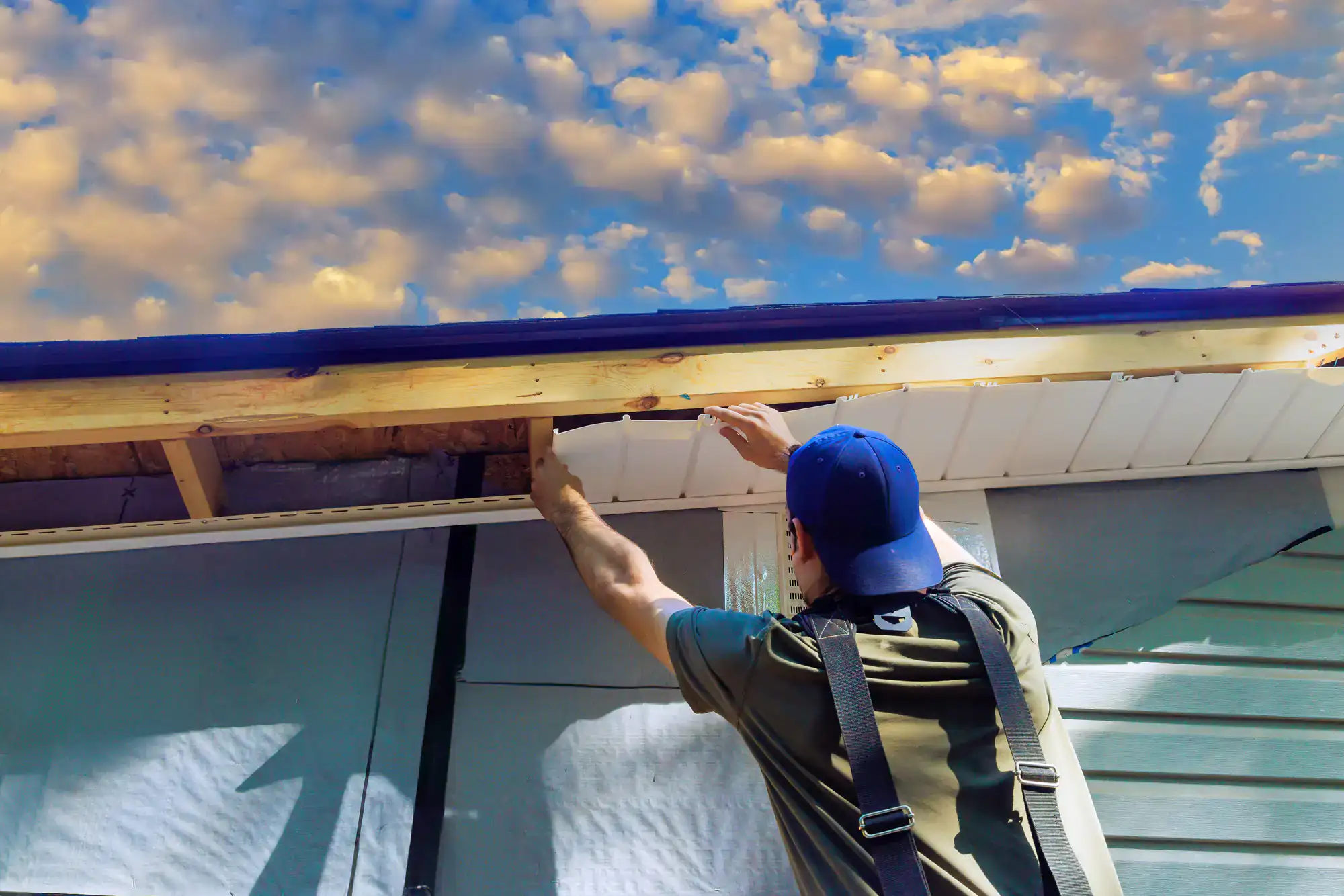
We also handle trim, soffit, and fascia as part of the installation. These aren’t afterthoughts—they’re critical to keeping water out and maintaining the clean lines that define your home’s curb appeal. In a market where property values start over $1 million, details matter.
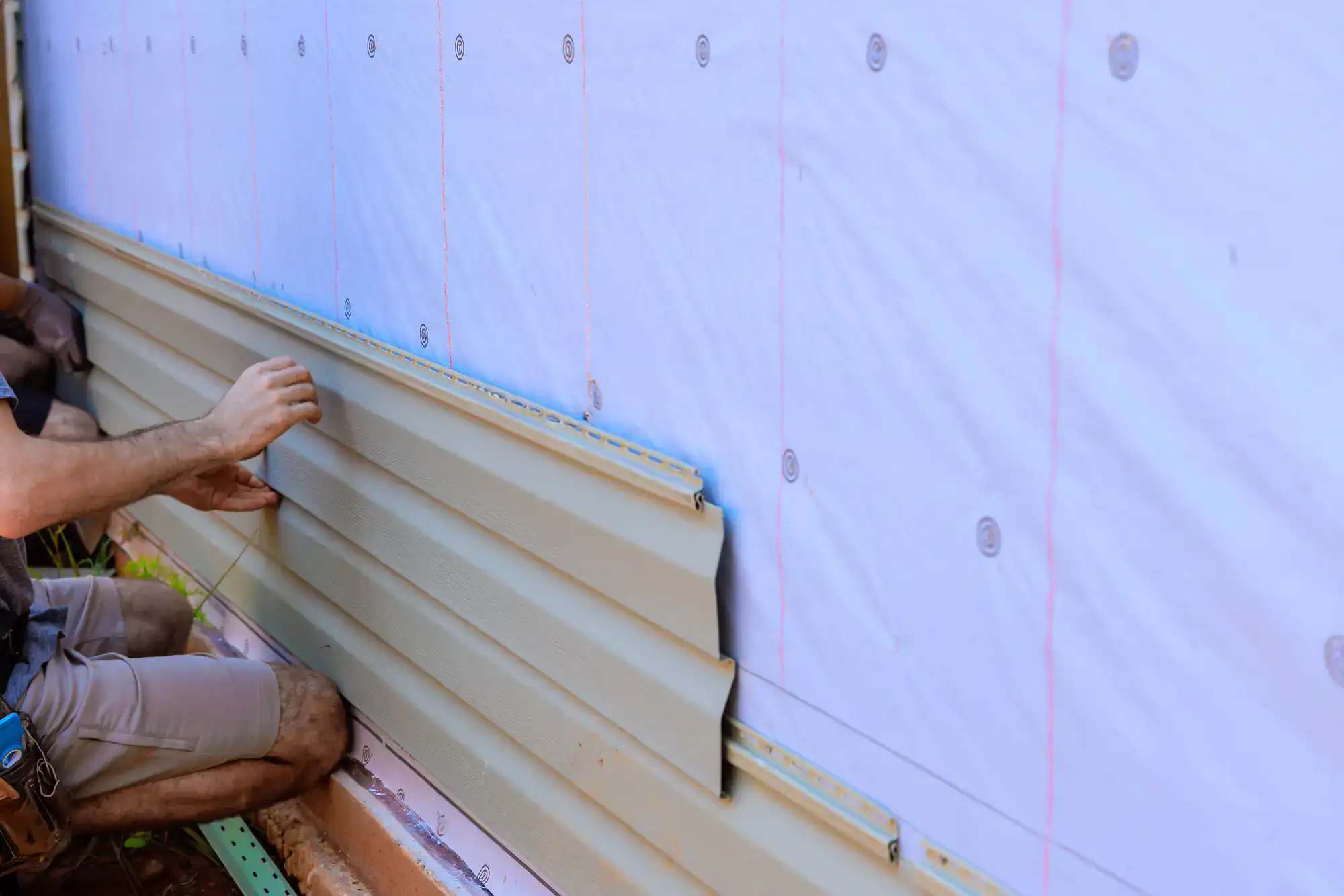
Most homeowners in New York pay between $8,114 and $21,116 for vinyl siding replacement on a typical three-bedroom home. That range includes removal of old siding and full installation of new material.
The variation comes down to a few factors: the size of your home, the type of vinyl you choose, and whether you’re adding insulation. Standard vinyl runs $3 to $7 per square foot installed. Insulated vinyl adds $1 to $4 more per square foot but delivers better energy performance and durability.
Springs properties often have architectural details—bay windows, complex rooflines, decorative trim—that require more labor and material. If your home has significant water damage or structural issues underneath the existing siding, that repair work happens before new siding goes up, which affects total cost. We provide a detailed estimate after assessing your specific situation so there’s no guessing.
Vinyl siding lasts 20 to 60 years when installed correctly and maintained consistently. Coastal environments are tougher on exterior materials, but modern vinyl is engineered to handle salt air, UV exposure, and moisture.
The key is proper installation. Heat and cold cause vinyl to expand and contract. If it’s installed too tightly, it has no room to move and will warp or crack. Correct nailing technique and expansion gaps prevent those problems.
Material quality also matters. Older vinyl products fade and become brittle over time. Newer options with capstock technology have a protective layer that resists color fading and degradation from sun and salt exposure. If you’re replacing siding on a Springs home, using coastal-rated materials extends lifespan significantly. Regular cleaning—just hosing off salt and dirt—keeps it looking good and prevents buildup that can cause premature wear.
Insulated vinyl siding can reduce heating and cooling costs by up to 20% compared to non-insulated options. The foam backer fills the hollow space behind the siding and adds an R-value between 2 and 4, which improves your home’s thermal envelope.
That improvement is noticeable in Springs, where temperature swings between summer heat and winter cold drive up energy use. Better insulation means your HVAC system doesn’t work as hard to maintain comfortable indoor temperatures.
Standard vinyl siding without insulation still performs better than damaged or deteriorating wood siding. If your current siding has gaps, cracks, or missing sections, you’re losing conditioned air. Even a basic vinyl replacement tightens up your home’s exterior and reduces drafts. The energy savings typically pay back the installation cost within 7 to 10 years, and you’re also getting the maintenance and durability benefits that come with vinyl.
Cheap vinyl is thinner, fades faster, and cracks more easily under impact or temperature stress. Quality vinyl uses thicker material with reinforced profiles and UV-resistant coatings that hold up in coastal climates.
Thickness matters. Budget vinyl is often .040 to .042 inches thick. Premium options run .044 to .046 inches or more. That small difference translates to better impact resistance and less warping over time.
Color retention is another major factor. Lower-grade vinyl uses through-body color, which fades as the material degrades from sun exposure. Higher-grade products use capstock technology—a protective layer on the surface that keeps colors vibrant and resists chalking or streaking from salt air. In Springs, where your home is constantly exposed to sun and ocean air, that protection extends the life and appearance of your siding significantly. You’re also getting better warranties with quality materials, which matters when you’re making a long-term investment.
Quality vinyl siding is rated to withstand winds up to 100mph when installed correctly. Springs faces nor’easters and occasional tropical systems, so wind resistance isn’t optional—it’s necessary.
The installation method determines how well siding performs in high winds. Each panel needs to be nailed properly with the correct spacing and positioning. If nails are driven too deep or placed incorrectly, panels can pull loose or blow off during storms.
Insulated vinyl adds another layer of protection. The foam backer increases rigidity and helps panels resist flexing and lifting in strong winds. Proper flashing and trim work around windows, doors, and corners also prevent wind-driven rain from getting behind the siding. We’ve worked on enough East End homes to know what fails during storms and what holds up. Your installation should account for worst-case weather, not average conditions.
Mistakes with vinyl siding are easy to make and expensive to fix. The most common problems come from improper nailing, inadequate expansion gaps, and skipping moisture barrier updates.
Ask whether your contractor follows manufacturer installation guidelines. Vinyl needs to move as temperatures change. If it’s nailed too tight or lacks proper expansion gaps, it will buckle in heat or crack in cold. A qualified installer knows this and accounts for it.
Check whether we inspect and address underlying issues before installing new siding. If there’s rot, water damage, or inadequate house wrap, new siding just covers up problems that will get worse over time. You should also ask about our experience with coastal installations specifically. Springs homes face different challenges than inland properties, and installation techniques need to reflect that. We provide detailed estimates, explain our process clearly, and have verifiable experience in your area.
Other Services we provide in Springs