Summary:
Understanding Suffolk County's Unique Roofing Challenges
Living on Long Island means your roof faces conditions that would destroy lesser materials in other parts of the country. We get hit with everything from Category 1 hurricanes to ice storms that can dump two feet of snow overnight. Add in the constant salt air exposure, and you’ve got a perfect storm for roofing material failure.
The numbers tell the story: standard asphalt shingles that might last 25 years in Pennsylvania start showing serious wear after just 15 years here. That’s not a coincidence—it’s the direct result of our unique coastal environment.
Temperature swings alone cause materials to expand and contract repeatedly, loosening nails and opening seams where water intrusion begins. Factor in humidity levels that create perfect conditions for algae growth, and you understand why choosing the right roofing material isn’t just about upfront cost—it’s about survival.
How Coastal Weather Destroys Standard Roofing Materials
Salt air doesn’t just make your car rust faster—it attacks roofing materials at the molecular level. The salt accelerates granule loss on asphalt shingles, which is your primary defense against UV rays. Once those granules start coming off, deterioration accelerates rapidly.
Wind creates another challenge most people underestimate. We’re not just talking about hurricane-force winds during major storms. The constant coastal breezes create wind uplift, where air gets under your shingles and gradually loosens the adhesive strips that hold them down. Basic 3-tab shingles are typically rated for winds up to 60 mph—but our coastal storms regularly produce sustained winds of 70-80 mph, with gusts reaching much higher.
Humidity presents its own set of problems. Long Island’s coastal humidity creates perfect conditions for algae growth, which shows up as those black streaks you see on older roofs. Beyond being unsightly, algae actually retains moisture against your shingles, accelerating deterioration from the inside out.
The combination of these factors means that basic roofing materials fail predictably and quickly in our environment. Cheap metal roofing uses materials that aren’t rated for coastal exposure—standard galvanized steel will rust through in just a few years when exposed to salt air. Basic shingles either don’t activate properly in cool, damp conditions, or they become too soft in summer heat and lose their grip.
This is why we focus on materials specifically engineered for coastal performance. The upfront investment is higher, but it’s the only choice that actually makes financial sense when you factor in longevity and performance.
Why Premium Materials Are Essential for Long Island Homes
You’ve probably seen contractors offering “great deals” on basic materials. Here’s the reality: those deals usually end up costing more in the long run because the materials simply can’t handle our environment.
The installation details matter even more with coastal exposure. Flashing that might work fine inland will fail here within a year if it’s not specifically designed for salt air exposure. Sealants that work in dry climates become brittle and crack in our temperature swings. Standard fasteners corrode and lose their holding power.
Consider this: a basic asphalt shingle roof might cost $8,000 upfront but need replacement in 12-15 years. A premium GAF system might cost $14,000 but last 25-30 years with proper maintenance. Factor in the cost of two roof replacements versus one, plus the hassle and potential interior damage from premature failure, and the premium option actually saves money.
The same logic applies to metal roofing. Cheap metal systems use materials that aren’t rated for coastal exposure and installation methods that don’t account for our specific challenges. Premium systems cost more upfront but deliver decades of trouble-free performance.
The key is working with contractors who understand these differences and specify materials based on performance requirements, not just initial cost. Materials that work great in Arizona or Ohio might fail spectacularly here within just a few years.
When you’re making a roofing investment, you’re not just buying materials—you’re buying peace of mind during the next big storm. Premium materials engineered for coastal performance are the only way to get that peace of mind in Suffolk County.
Comparing Your Best Roofing Material Options
When it comes to materials that can actually handle Suffolk County’s coastal conditions, you have three main options that consistently deliver long-term performance. Each has distinct advantages depending on your priorities, budget, and how long you plan to stay in your home.
GAF’s engineered shingle systems represent the evolution of asphalt shingle technology. These aren’t your basic 3-tab shingles—they’re architectural systems designed specifically for coastal performance with features like algae resistance and wind ratings up to 130 mph.
Metal roofing offers the ultimate in longevity and weather resistance. Modern systems can last 50-70 years and handle everything from hurricane-force winds to heavy snow loads. The upfront investment is higher, but the long-term value often makes it the most economical choice.
The key is understanding how each material performs in our specific environment and what that means for your long-term costs and peace of mind.
GAF Timberline Systems: Proven Performance for Coastal Homes
GAF’s Timberline HDZ shingles aren’t just an upgrade from basic shingles—they’re a completely different approach to coastal roofing. The LayerLock Technology creates a mechanical bond between shingle layers that significantly outperforms traditional adhesive-only attachment methods.
Here’s what that means for Suffolk County homeowners: the WindProven Limited Wind Warranty has no maximum wind speed limit when installed with the full GAF roofing system. Your shingles are covered even during the extreme wind conditions that regularly hit our area during nor’easters and tropical storms.
StainGuard Plus Technology provides a 25-year warranty against blue-green algae stains. This isn’t just marketing—algae growth is practically inevitable in our humid coastal environment with standard materials. The time-release algae-fighting system is specifically formulated for conditions like ours.
The StrikeZone nailing area provides a larger target for proper installation, reducing the risk of nail placement errors that can compromise wind resistance. Dura Grip sealant activates under heat to form a weatherproof seal that maintains its grip through our extreme temperature cycles.
Cost-wise, a GAF Timberline HDZ system typically runs $12,000-$16,000 for an average Suffolk County home. That’s roughly $5-$7 per square foot installed, including all the necessary components for the complete system warranty.
The color options are formulated specifically for coastal exposure, using granules that resist fading from salt air and UV exposure. Standard shingle colors often fade to gray within just a few years in our environment, but GAF’s coastal-rated colors maintain their appearance for decades.
Installation with the complete GAF system—including underlayment, starter strips, and ridge cap shingles—qualifies for their System Plus warranty, which covers both materials and workmanship. This comprehensive coverage provides peace of mind that you won’t get with piecemeal roofing solutions.
Metal Roofing: Maximum Durability for Coastal Conditions
Metal roofing represents the premium choice for Suffolk County homeowners who want maximum longevity and weather resistance. Modern metal systems can easily last 50-70 years, meaning you might never need to replace your roof again.
Aluminum panels are particularly well-suited for coastal applications because they’re naturally rust-resistant and lightweight. This matters for older Long Island homes that weren’t designed for heavy roofing materials. The reduced structural stress is a significant advantage over heavier alternatives.
Wind resistance is where metal roofing really excels. Properly installed metal systems can handle wind speeds up to 180 mph, far exceeding anything we typically see during coastal storms. The interlocking panel design creates a continuous barrier that wind simply can’t penetrate.
Energy efficiency provides another significant advantage. Metal roofing reflects solar heat rather than absorbing it, which can reduce your cooling costs by 10-25% during Long Island’s hot, humid summers. Many homeowners see their energy bills drop noticeably after installation.
The upfront investment is significantly higher—typically $18,000-$35,000 for an average Suffolk County home compared to $12,000-$16,000 for premium asphalt shingles. However, when you factor in the 50+ year lifespan and reduced maintenance costs, metal often provides better long-term value.
Maintenance requirements are minimal compared to other roofing materials. Metal doesn’t rot, crack, or develop algae growth. An occasional rinse with fresh water to remove salt buildup is typically all that’s needed to maintain peak performance.
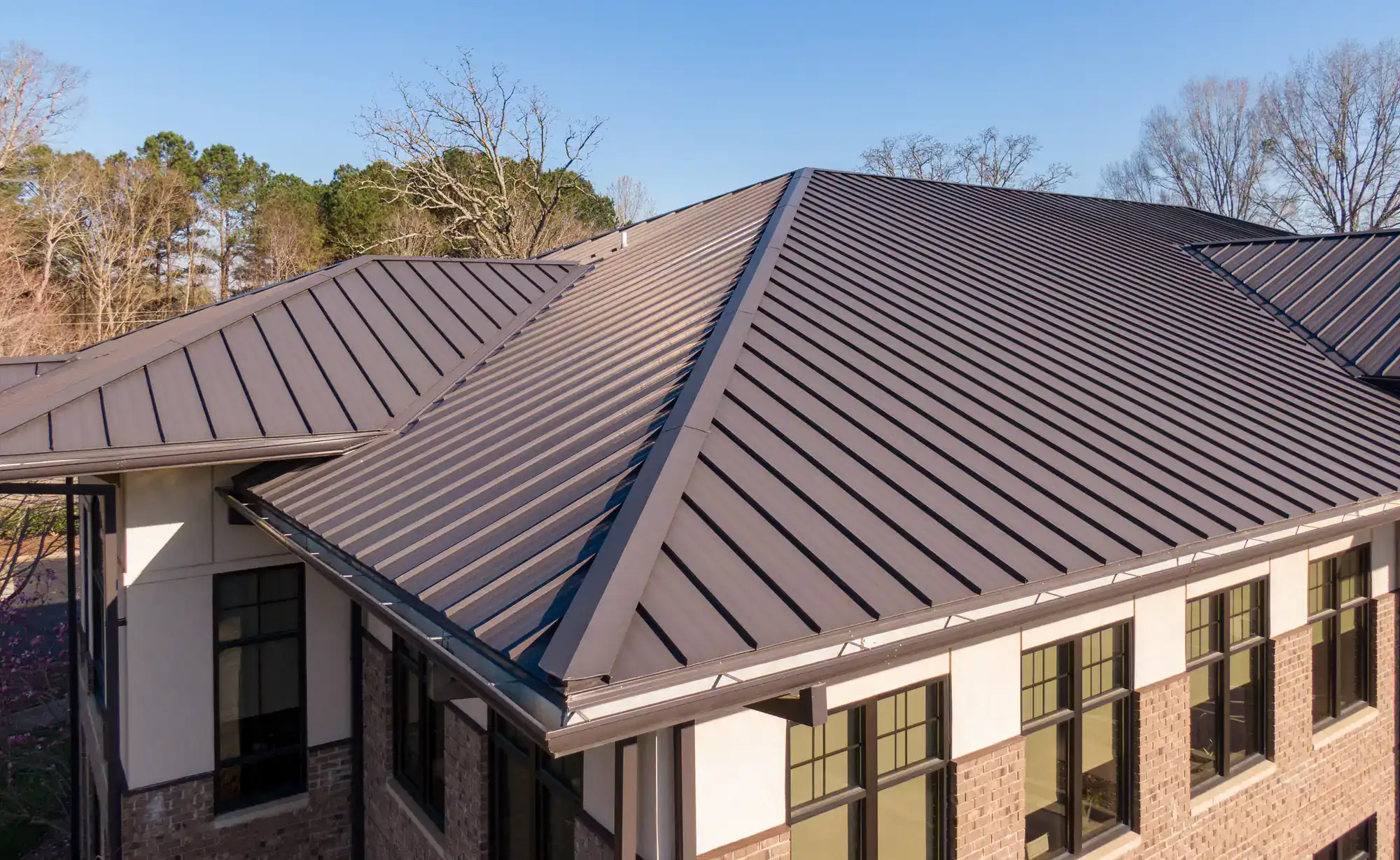
The variety of styles available today means you don’t sacrifice aesthetics for performance. Metal shingles can mimic traditional asphalt, slate, or cedar shakes, while standing seam systems offer a clean, modern look that complements contemporary architecture.
Installation requires specialized expertise, and not every contractor is qualified to install metal roofing properly. Improper installation can void warranties and compromise performance, making contractor selection even more critical with metal systems.
Choosing the Right Roofing Solution for Your Home
The best roofing material for your Suffolk County home depends on balancing your budget, performance requirements, and long-term plans. GAF Timberline systems offer proven coastal performance at a moderate price point, making them ideal for most homeowners who want reliable protection without the premium cost of metal.
Metal roofing makes sense if you’re planning to stay in your home long-term and want maximum durability and energy efficiency. The higher upfront investment pays off through decades of trouble-free performance and lower energy costs.
Whatever material you choose, working with a contractor who understands Suffolk County’s specific challenges is crucial. The best materials in the world won’t perform properly if they’re not installed correctly for our coastal environment. Proper installation techniques, appropriate fasteners, and coastal-rated sealants and flashing are just as important as the roofing material itself.
At SkyLuxe Construction, we have the local experience and technical expertise to help you choose the right roofing system for your specific needs and ensure it’s installed to handle everything Long Island weather can throw at it.