
Hear from Our Customers
You stop worrying about the next storm. That’s the real outcome here.
When siding is installed right with materials rated for coastal exposure, your home sheds water instead of absorbing it. You’re not repainting every few years because the finish is breaking down from UV exposure. You’re not patching sections after every heavy wind event because the fastening system was done correctly the first time.
Energy bills drop because there’s actual insulation behind the siding, not just decorative panels nailed to sheathing. Rooms feel more comfortable year-round. And if you ever decide to sell, buyers see a well-maintained exterior that doesn’t need immediate attention. That’s worth something in a market where the median home sells for $2.5 million.
Proper residential siding installation in Shelter Island, NY means choosing materials that resist salt corrosion, standing up to wind-driven rain, and looking clean without constant maintenance. Fiber cement handles this better than most options. Vinyl works if it’s thick enough and installed with room to expand. Either way, the installation matters as much as the material.
SkyLuxe Construction is a family operation. We’ve handled exterior renovations across Suffolk County long enough to know what works on the North Fork and what doesn’t.
Every project gets personal oversight. We’re not a franchise sending different crews depending on who’s available. You’ll work with people who’ve seen how coastal weather affects homes in Shelter Island specifically, where flooding risk is real and salt air is constant.
We do roofing, siding, chimneys, and gutters. That means we understand how all these systems work together. When we install siding, we’re thinking about how it ties into your roof edge, how water drains, and whether your existing structure needs attention before new panels go up. That’s the difference between a siding crew and exterior renovation contractors who actually know buildings.
First, we come out and look at what you have. We’re checking the condition of your existing siding, looking for moisture damage in the sheathing underneath, and measuring everything. If there’s rot or structural issues, we’ll tell you before we talk about new siding.
Next, we walk through material options. Fiber cement is the most durable choice for coastal homes, but it costs more upfront. Quality vinyl is a solid middle option if it’s installed with proper underlayment and fastening. We’ll explain what each material actually does in Shelter Island’s climate and what the maintenance looks like long-term.
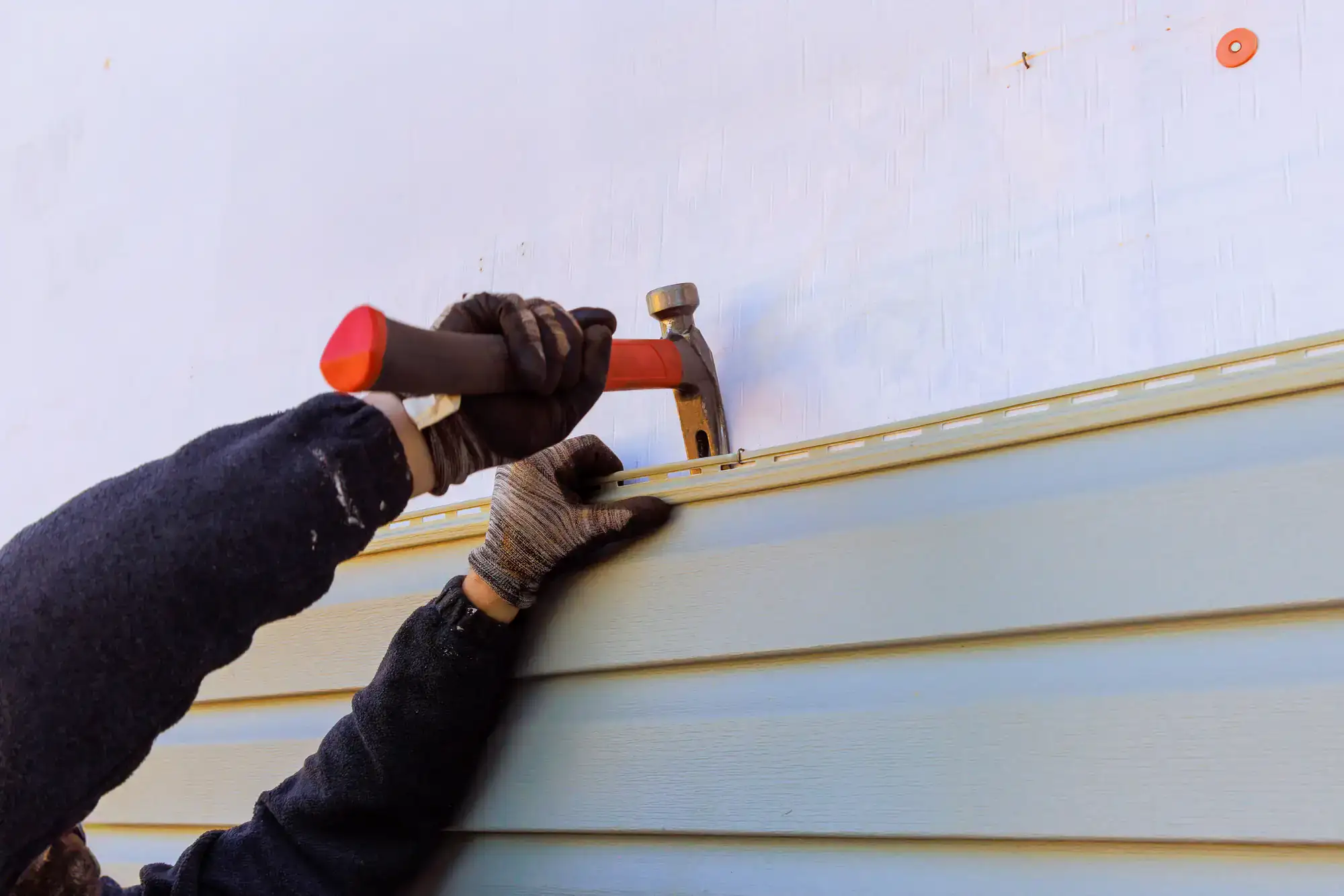
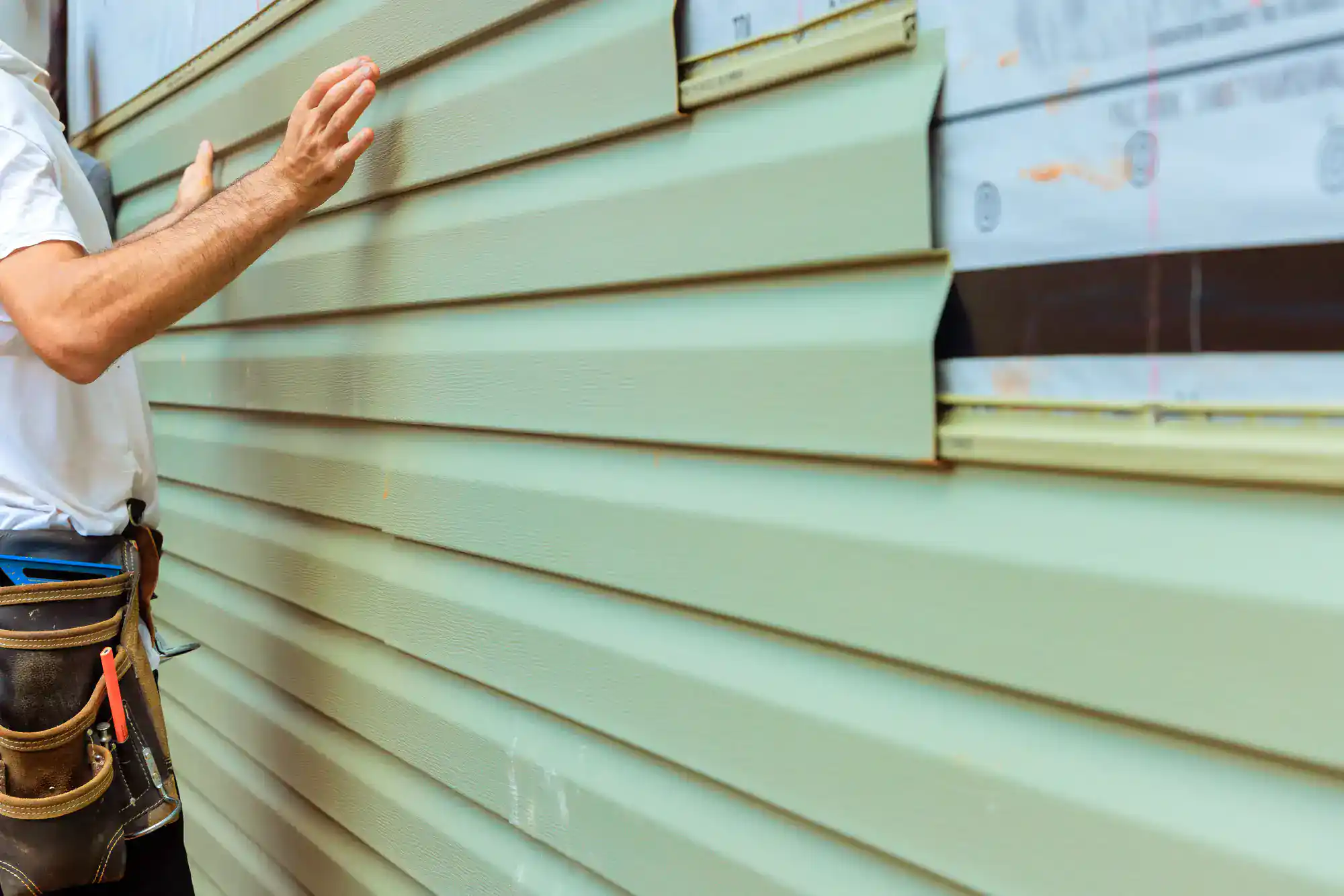
Once you pick materials, we schedule the work and order everything. Installation starts with removing old siding and inspecting the structure. We add moisture barriers and insulation where needed. Then new siding goes up, working from bottom to top, with each piece properly fastened and flashed to keep water out.
The job usually takes one to three weeks depending on your home’s size and any repairs needed underneath. We clean up daily and do a final walkthrough with you when it’s done. You’ll know how to maintain it and what to watch for over time.
Ready to get started?
You’re getting materials rated for coastal exposure. That means resistance to salt air corrosion, UV breakdown, and moisture penetration. In Shelter Island, where 22% of properties face flood risk over the next 30 years, this isn’t optional.
We install proper moisture barriers behind every panel. This is critical on Long Island’s North Fork where wind-driven rain is common. Without a good barrier, water gets behind your siding and into your walls. That leads to mold, rot, and expensive repairs that cost $5,000 to $10,000 to fix properly.
Insulated siding options are available if energy efficiency matters to you. Given that poor insulation wastes 15-20% of heating and cooling costs, and the average Long Island home spends $4,500 yearly on energy, that’s $900 slipping through your walls every year. Insulated siding cuts that loss significantly.
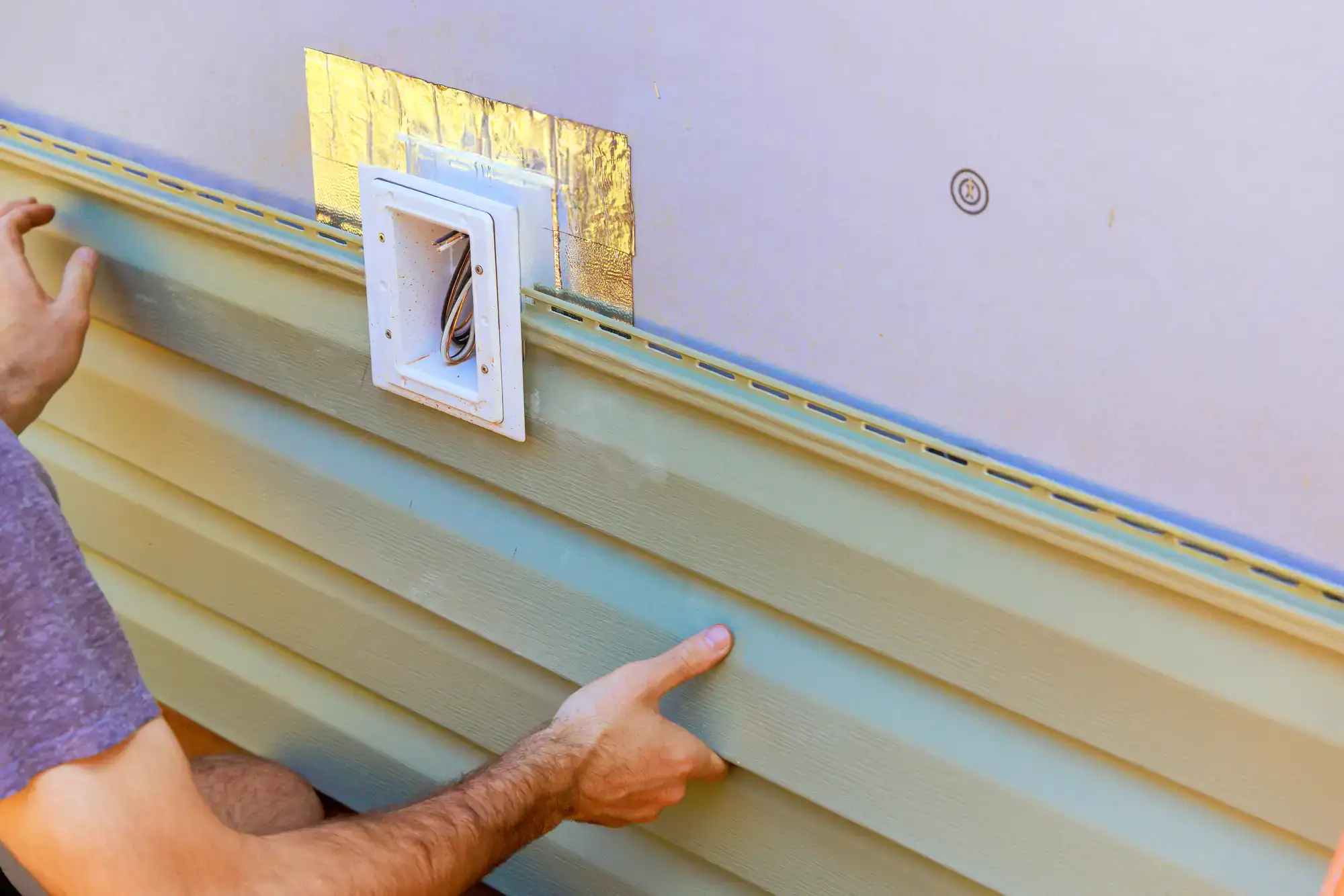
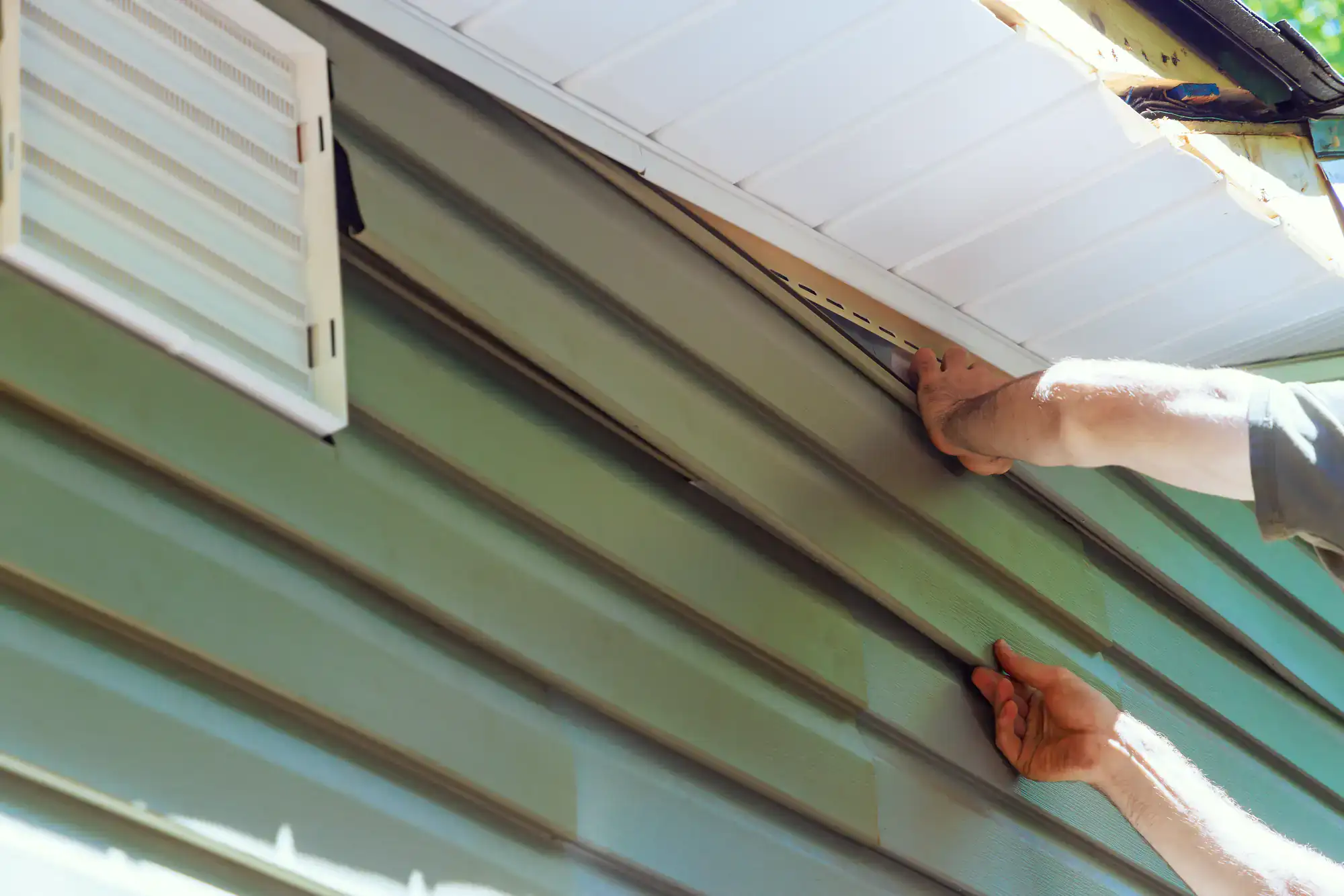
You’ll also get proper flashing around windows, doors, and roof connections. This is where most water intrusion happens on coastal homes. We take extra time here because it’s the difference between siding that lasts 30 years and siding that fails in 10.
Color options depend on your material choice, but we’ll show you what holds up best in direct sun exposure. Some colors fade faster than others. We’d rather you know that upfront than be disappointed three years in.
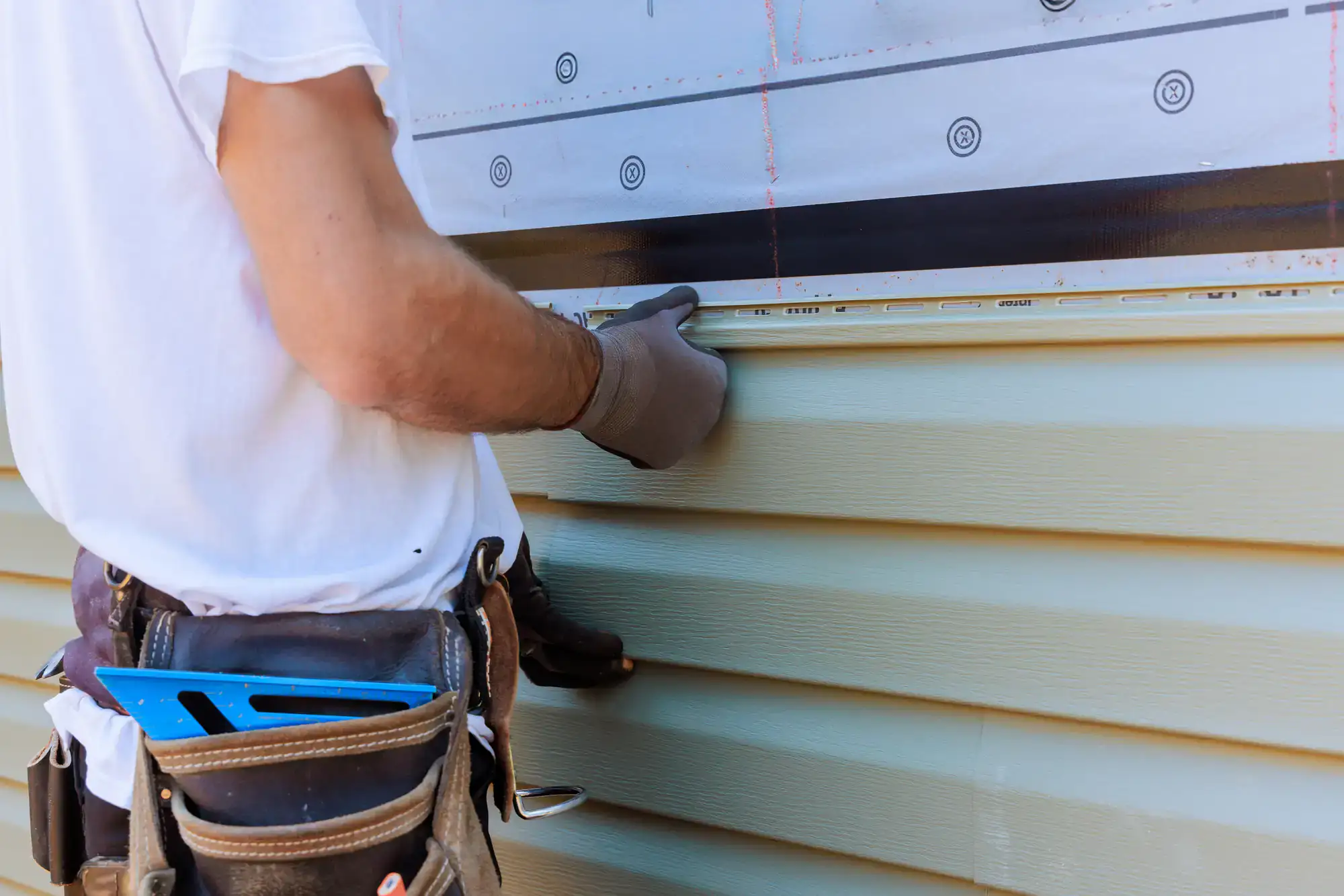
Fiber cement is the top choice for Shelter Island homes. It resists salt air corrosion, doesn’t rot when exposed to moisture, and holds up against nor’easters without warping or cracking. It’s heavier than vinyl, which actually helps in high winds.
Quality vinyl siding works too if you want a lower upfront cost. But it needs to be thick enough to handle temperature swings without becoming brittle. Cheap vinyl gets brittle in cold weather and can crack when something hits it. On Shelter Island, where winter temperatures drop and summer sun is intense, you need vinyl that’s rated for coastal climates.
Wood siding looks great but requires constant maintenance in coastal areas. Salt air accelerates rot and you’re repainting every few years. Most homeowners here don’t want that level of upkeep, especially if this is a second home. Fiber cement gives you the look of wood without the maintenance headaches.
Most homes take one to three weeks. A smaller cottage might be done in a week. A larger property with multiple stories and complex architecture could take closer to a month.
The timeline depends on what we find when we remove your old siding. If the sheathing underneath is solid, we move faster. If there’s water damage or rot that needs repair, that adds time. We won’t cover up problems just to finish faster. That always costs more to fix later.
Weather affects the schedule too. We can’t install siding in heavy rain or when temperatures drop too low for adhesives to cure properly. On Shelter Island, fall and spring are ideal. Summer works but it’s busy season. Winter is possible during mild stretches, but we’re more cautious about conditions.
We’ll give you a realistic timeline upfront and update you if anything changes. Most delays come from hidden damage or material delivery issues, not the actual installation work.
Yes, if you add insulation during the installation. Siding alone is just a weather barrier. Insulated siding or adding rigid foam insulation behind your new siding is what actually reduces energy loss.
Poor insulation wastes 15-20% of your heating and cooling costs. On Long Island, where average energy bills run about $4,500 per year, that’s close to $900 lost annually. Insulated siding cuts that waste significantly. You’ll notice rooms feel more consistent in temperature and your HVAC system doesn’t run as hard.
This matters more if you’re here year-round or use the home in winter and summer. If you only visit in summer, the energy savings are less noticeable. But even seasonal homes benefit from better temperature regulation, especially during spring and fall when you might not run heat or AC but still want comfortable indoor temps.
The upfront cost for insulated siding is higher, but you’re making it back over time through lower energy bills. And if you ever sell, buyers recognize the value of energy-efficient upgrades in a market where property values average over $1 million.
If you’re patching the same areas after every storm, replacement makes more sense than ongoing repairs. Siding that’s constantly failing is telling you the system is done.
Look for widespread fading, chalky residue, or paint that won’t hold. That’s UV breakdown. On Shelter Island’s exposed North Shore, sun damage is relentless. Once the surface layer fails, no amount of repainting fixes the underlying problem. You’re just delaying the inevitable.
Check for moisture issues too. Green or black streaks mean mold or mildew, which indicates water is getting behind your siding. Soft spots, warping, or visible rot are even bigger red flags. Moisture problems don’t get better on their own. They spread into your walls and cost thousands more to fix if you wait.
If damage is isolated to one section, maybe from a fallen branch or specific impact, repair might work. But if multiple areas show wear, or if your siding is over 20 years old and showing any of these signs, replacement is the smarter move. We’ll look at your specific situation and tell you honestly what makes sense.
Less than you’d think if it’s installed correctly with the right materials. Fiber cement and quality vinyl both need occasional cleaning to remove salt residue and dirt. A garden hose and soft brush work fine. Do this once or twice a year.
Check your caulking around windows and doors every few years. Caulk breaks down over time, especially with temperature swings and UV exposure. Recaulking is cheap and prevents water intrusion. This takes an hour or two and saves you from major moisture problems later.
Inspect your siding after major storms. Look for loose panels, cracks, or areas where water might be getting in. Catching small issues early prevents them from becoming expensive repairs. Most storm damage on properly installed siding is minimal, but it’s worth a visual check.
Fiber cement might need repainting eventually, usually after 15-20 years depending on color and sun exposure. Vinyl doesn’t need painting but can fade over time. Neither requires the constant maintenance that wood siding demands. That’s the whole point of choosing modern materials for a coastal location.
If your siding looks worn or damaged, yes. In a market where homes sell for $2.5 million on average, buyers expect exteriors to be in good condition. Damaged or outdated siding signals deferred maintenance, which makes buyers nervous and gives them negotiating leverage.
New siding gives immediate curb appeal. It makes your home look cared for, which matters when buyers are comparing properties. Quality siding also removes a major concern from inspection reports. Buyers won’t ask for credits or repairs related to exterior condition if the siding is obviously new and properly installed.
The return on investment is strong for siding replacement. You typically recoup 70-80% of the cost in added home value, sometimes more in high-end markets like Shelter Island. And it helps your home sell faster because it’s move-in ready.
If your siding is relatively new and in good shape, focus your money elsewhere. But if it’s showing age, fading badly, or has visible damage, replacing it before listing makes financial sense. Talk to a local real estate agent about what buyers in Shelter Island expect. They’ll tell you if your siding is hurting your marketability.
Other Services we provide in Shelter Island