
Hear from Our Customers
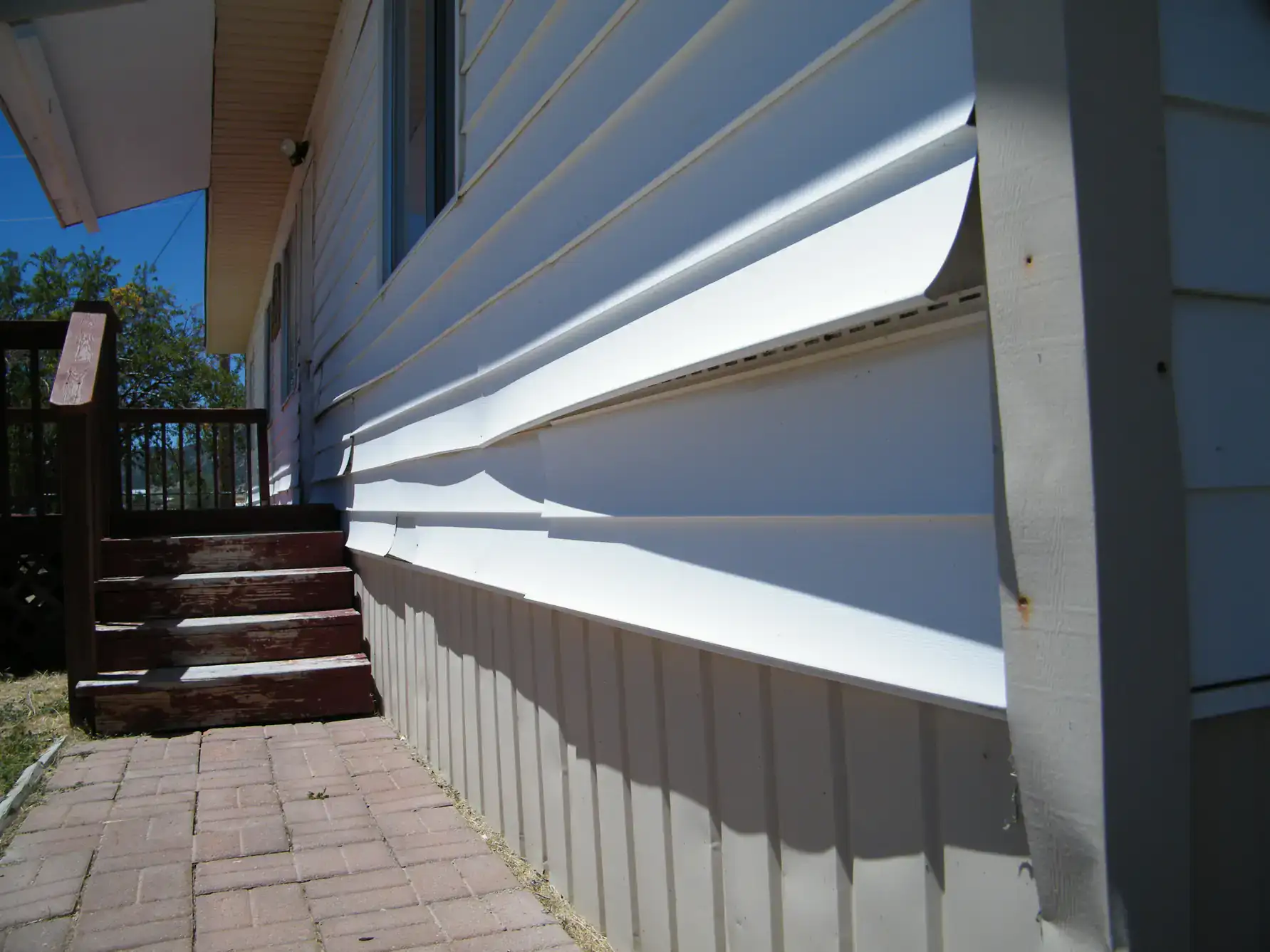
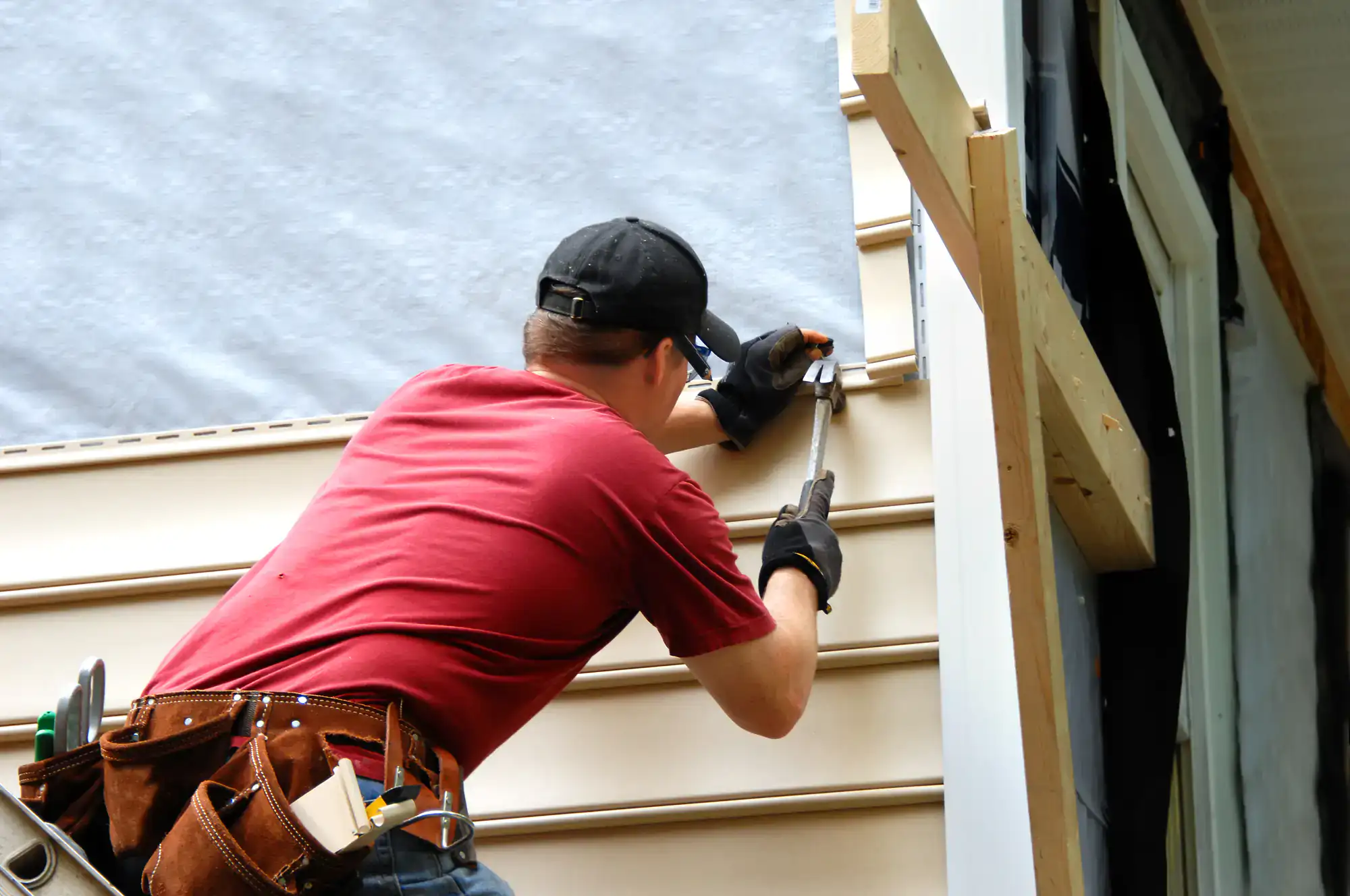
That loose panel stops rattling in the wind. Water stops sneaking behind your walls where it destroys sheathing and insulation. Your heating bill drops because air isn’t leaking through gaps anymore.
You stop worrying every time a storm rolls through Farmingville. The repair blends in so well that you forget which panel we replaced. And when the next nor’easter hits with 50-mph gusts and sideways rain, your siding holds.
Most siding problems start small—a cracked corner, a loose trim piece, a woodpecker hole in your cedar. Then water finds its way in. What could’ve been a quick vinyl siding repair in Farmingville, NY turns into rotted wall sheathing, mold remediation, and a bill that makes you sick. We catch it early, fix it completely, and seal it against the salt air and storms that hit Suffolk County harder than almost anywhere else.
We’ve handled thousands of siding repairs across Suffolk County. We’re the local crew that shows up when we say we will, gives you a straight answer about what’s wrong, and fixes it so it lasts.
Farmingville homes face unique challenges. You’re close enough to the coast that salt air accelerates wear on aluminum siding and vinyl. Summer storms bring hail that cracks panels. Winter freeze-thaw cycles split wood shingles and warp trim. We’ve seen every type of damaged siding repair this area throws at homes, and we know exactly how to address it.
You’re not getting a crew that learned about siding repair from YouTube. You’re getting licensed contractors who’ve spent years working specifically with Long Island’s weather patterns, building codes, and the materials that hold up here.
You call or message us about your siding problem. We schedule a time that works for you—usually within a day or two, same day if it’s storm damage that’s actively leaking.
We inspect the obvious damage and then check the areas you can’t easily see. That means pulling back loose sections to check the wall sheathing underneath, inspecting around windows and doors where water loves to sneak in, and looking at your flashing and trim. Most homeowners only see the surface problem. We find what’s actually causing it.
You get a clear explanation of what’s wrong, what needs to happen to fix it permanently, and what it costs. No surprises, no upselling you on work you don’t need. If you’ve got a small fix hole in vinyl siding in Farmingville, we tell you that. If you’ve got rot that’s spread and needs more attention, we tell you that too.
Once you approve the work, we handle everything—materials that match your existing siding, proper installation that meets Suffolk County codes, and cleanup when we’re done. Most repairs finish in a few hours. Bigger jobs might take a day. Either way, you know the timeline before we start.
Ready to get started?
We handle every type of siding repair service in Farmingville, NY. Vinyl siding repair for cracked or broken panels. Wood siding restoration when rot or weather damage hits your cedar or clapboard. Fiber cement fixes for cracks and chips. Aluminum siding repair for dents and corrosion from salt air.
Storm damage gets priority response. When a nor’easter rips panels off or hail punches holes through your siding, waiting even a few days lets water start destroying what’s underneath. We move fast, document everything for your insurance claim, and get your home sealed up before more damage happens.
Siding rot repair goes deeper than just replacing the visible board. We cut out compromised material, treat the area, replace any damaged sheathing or insulation, and install new siding with proper ventilation so the problem doesn’t come back. Farmingville’s humidity and coastal moisture mean rot spreads faster here than in drier climates—you need someone who understands that.
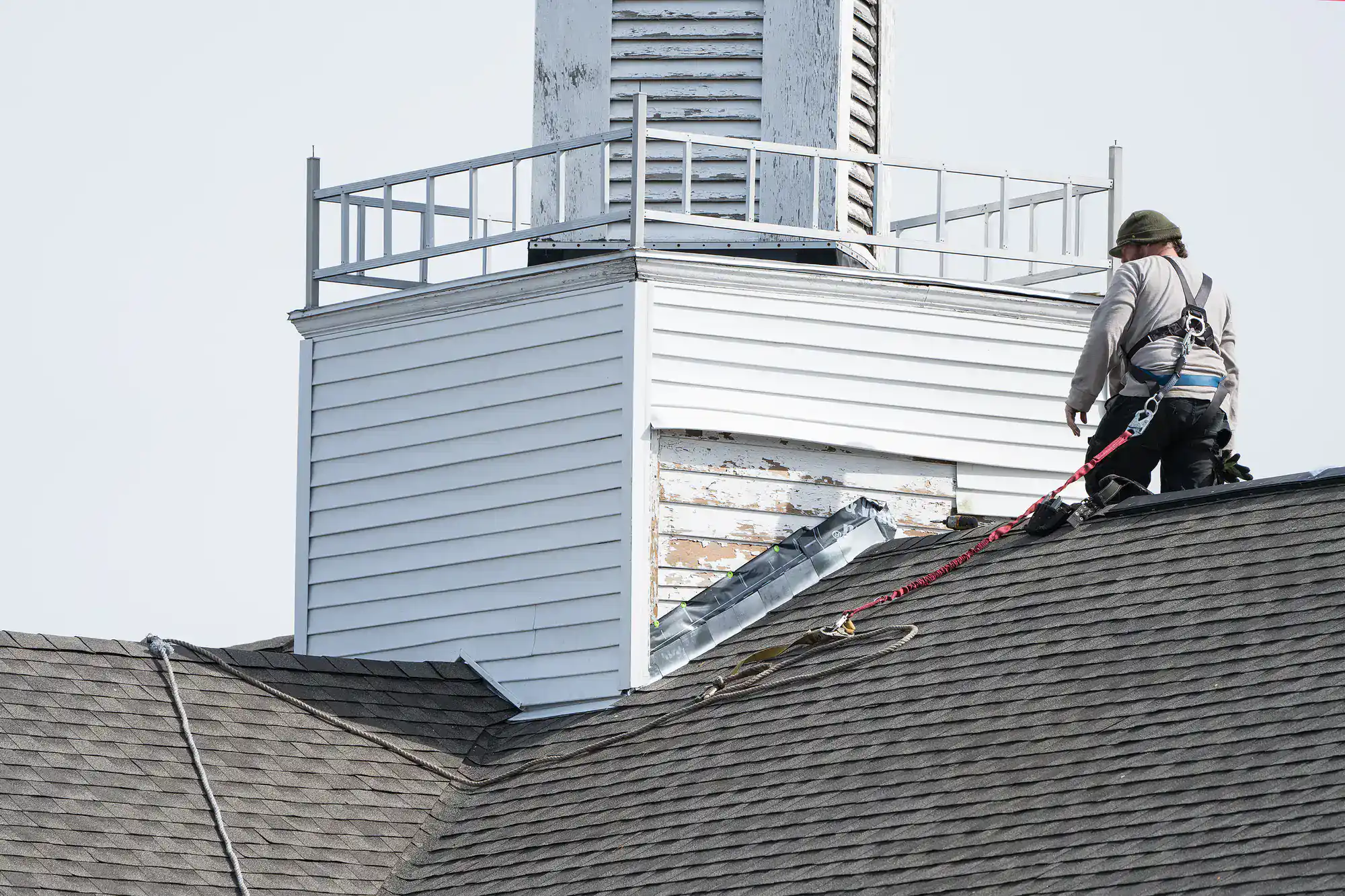
We also handle the detail work that most contractors skip. Siding and flashing repair around chimneys and roof lines. Vinyl siding trim repair where corners have pulled away. Patching holes in vinyl siding from old fixtures or pest damage. The small stuff that lets water in and causes big problems later.
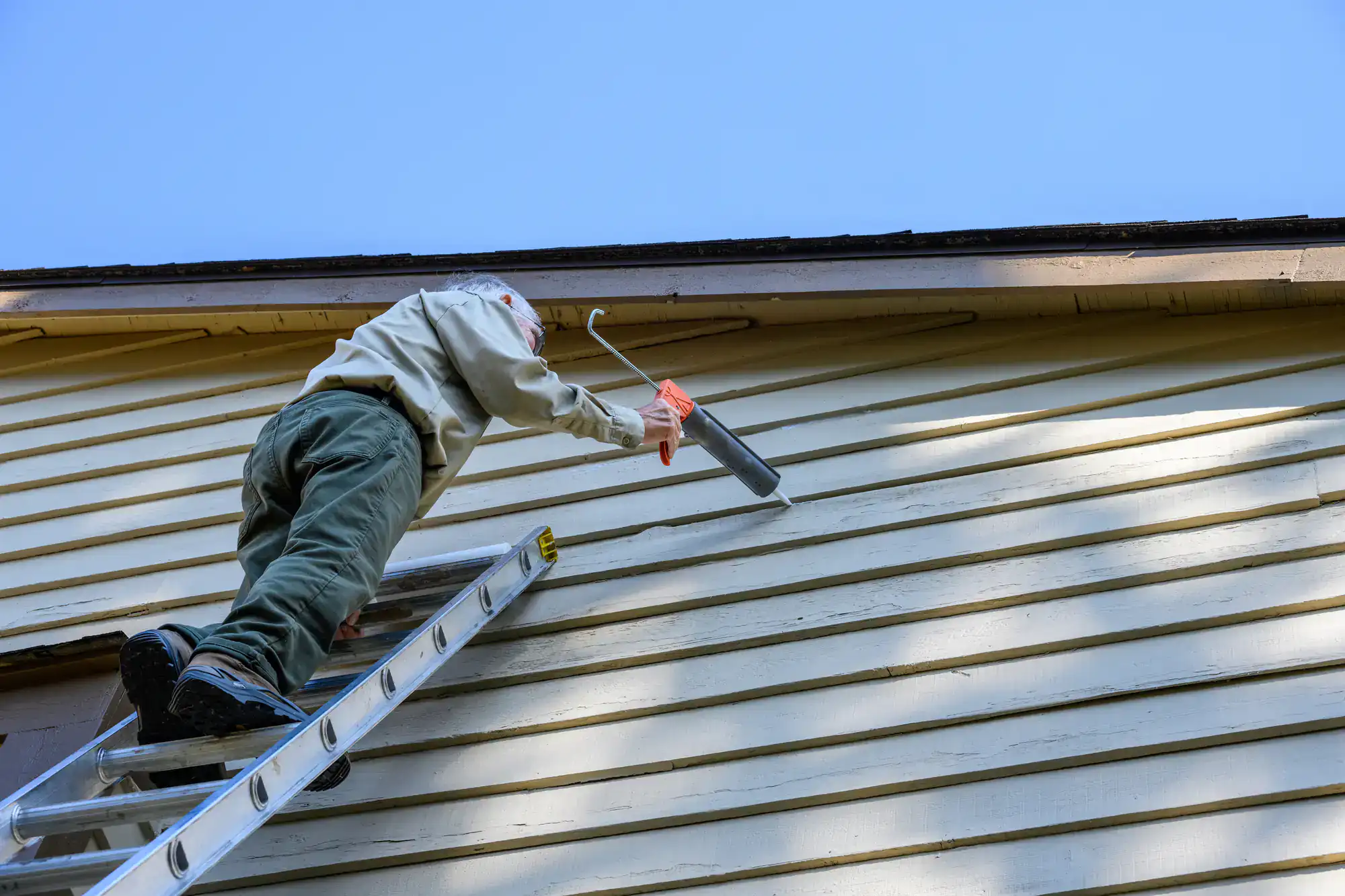
Most homeowners in Farmingville pay between $300 and $1,500 for siding repair, depending on the damage extent and material type. A simple fix—like replacing a few cracked vinyl panels on ground level—might run $300 to $500. More involved work, like repairing storm damage across multiple walls or addressing siding rot repair that’s spread to sheathing, can reach $1,500 or more.
Material matters too. Vinyl siding repair in Farmingville typically costs less than wood or fiber cement because the panels are easier to source and install. Cedar siding repair, especially if we’re matching old-growth wood or dealing with woodpecker damage, takes more time and specialized materials.
We give you an exact price after inspecting the damage. No ranges, no “it depends”—just a clear number based on what your home actually needs. And if your damage came from a storm, we’ll document everything properly so you can file an insurance claim. Most policies cover sudden damage like hail or wind, which can significantly reduce your out-of-pocket cost.
Yes. We source materials to match your current siding so the repair blends in completely. Whether you’ve got vinyl, aluminum, wood, or fiber cement, we find the right profile, texture, and color.
Vinyl comes in dozens of colors and styles, but manufacturers do discontinue lines. If your exact match isn’t available anymore, we bring samples of the closest alternatives so you can see them against your existing siding in natural light. Sometimes a slightly different shade actually blends better than you’d expect, especially after a few months of weathering.
Wood matching takes more work but we handle it regularly. If you’ve got cedar shingles or clapboard, we source the same species and grade, then match the stain or paint. For older homes with original wood siding, we sometimes need to custom-mill pieces to match the profile. It takes longer but the result is a repair you can’t spot from the curb.
Aluminum and fiber cement are usually easier to match since those materials have more consistent product lines. We keep relationships with suppliers across Long Island specifically so we can track down materials for older homes in Farmingville and throughout Suffolk County.
Most siding repairs in Farmingville finish in three to six hours. Simple jobs—replacing a few damaged panels, fixing loose siding, or patching small holes—often take just a couple hours. More complex work, like addressing rot that’s spread to multiple boards or repairing storm damage across several walls, might take a full day.
The timeline depends on what we find during inspection. Surface damage is quick. But if water’s been getting behind your siding for months, we might discover rotted sheathing or compromised insulation that needs attention before we can install new siding. We always tell you what we find and how it affects the timeline before we proceed.
Weather plays a role too. We can’t install certain materials in rain or extreme cold because adhesives won’t cure properly and some materials won’t seal correctly. If conditions aren’t right, we’ll reschedule rather than do work that won’t last. Farmingville gets its share of weather delays between November and March, so booking your repair during a clear forecast helps avoid frustration.
For emergency repairs after storm damage, we prioritize getting your home sealed and protected quickly—usually the same day you call. Then we schedule the final cosmetic work once materials arrive and weather cooperates.
Yes, if it’s done right. That’s the difference between a repair that lasts five years and one that fails in the next big storm. We use marine-grade sealants, proper flashing techniques, and installation methods designed specifically for coastal conditions.
Salt air is brutal on siding. It accelerates corrosion on aluminum, breaks down vinyl’s UV inhibitors faster, and penetrates wood grain to cause rot from the inside out. Standard repairs that work fine in Pennsylvania or upstate New York fail here within a few seasons. We account for that with materials rated for coastal exposure and installation techniques that prevent salt and moisture infiltration.
Wind is the other factor. Farmingville sits far enough inland that you don’t get direct hurricane force winds often, but nor’easters still bring sustained 40 to 50 mph gusts. Siding needs to be fastened correctly—not too tight (which causes buckling) and not too loose (which lets wind get underneath and rip panels off). We follow manufacturer specs exactly and add extra fasteners in high-wind areas like corners and roof lines.
Every repair includes proper sealing around edges, correct overlap on panels, and attention to the areas where most water intrusion happens—around windows, doors, and anywhere two different materials meet. That’s what makes the difference between a repair that protects your home and one that just looks okay for a while.
Yes. We document storm damage thoroughly so you have what you need to file a successful claim. That means photos of all damage from multiple angles, detailed notes on what’s compromised, and a written estimate that breaks down materials and labor clearly.
Insurance companies want proof that damage came from a specific storm event, not from wear and tear over time. We know how to present that evidence. We note things like impact marks from hail, wind damage patterns, and the condition of surrounding materials. If your siding failed because of deferred maintenance, insurance won’t cover it. But if a storm caused sudden damage, you’re usually covered.
We work directly with adjusters when needed. If they want to inspect the damage before we make repairs, we coordinate that. If they dispute the scope of work, we explain why certain repairs are necessary to properly protect your home. Most adjusters we deal with in Suffolk County are reasonable—they just need clear documentation.
One important thing: don’t wait weeks to call us after storm damage. Insurance companies can deny claims if you don’t mitigate further damage promptly. If a storm rips your siding off and you let water pour into your walls for three weeks before calling anyone, they’ll argue you made the damage worse through neglect. Call us quickly, we’ll get your home protected, and then we’ll handle the paperwork together.
Storm damage tops the list. Nor’easters bring the combination of sustained high winds and driving rain that finds every weak point in your siding. Hail from summer thunderstorms cracks vinyl and dents aluminum. Even regular thunderstorms cause problems when wind gets under a loose panel and rips off an entire section.
Water damage from failed flashing or clogged gutters runs a close second. When water can’t drain properly off your roof, it runs down your siding instead. Over time, that constant moisture causes wood rot, degrades vinyl, and corrodes aluminum. Most homeowners don’t realize they have a problem until they see visible damage, but by then water’s usually been infiltrating for months.
Salt air accelerates everything. You’re not right on the ocean in Farmingville, but you’re close enough that salt particles in the air constantly attack your siding. Aluminum develops corrosion. Vinyl becomes brittle and cracks more easily. Wood absorbs salt moisture and rots faster. It’s why siding lasts longer in other parts of New York than it does here.
Pest damage hits wood siding especially hard. Woodpeckers drill holes looking for insects. Carpenter bees bore into trim boards. Once pests create an entry point, water follows. What starts as a small hole becomes a major cedar siding repair project if you don’t address it quickly. We see this constantly in older Farmingville homes with original wood siding.
Other Services we provide in Farmingville