Hear from Our Customers

You’re not just getting a new roof. You’re getting natural cedar that insulates better, looks better, and lasts longer than most alternatives.
Cedar roofing gives your Aquebogue home that timeless Long Island aesthetic while delivering serious performance. The natural oils in Western red cedar resist insects and decay. The wood’s cellular structure provides superior insulation, keeping your home cooler in summer and warmer in winter – important when you’re dealing with humid Suffolk County summers.
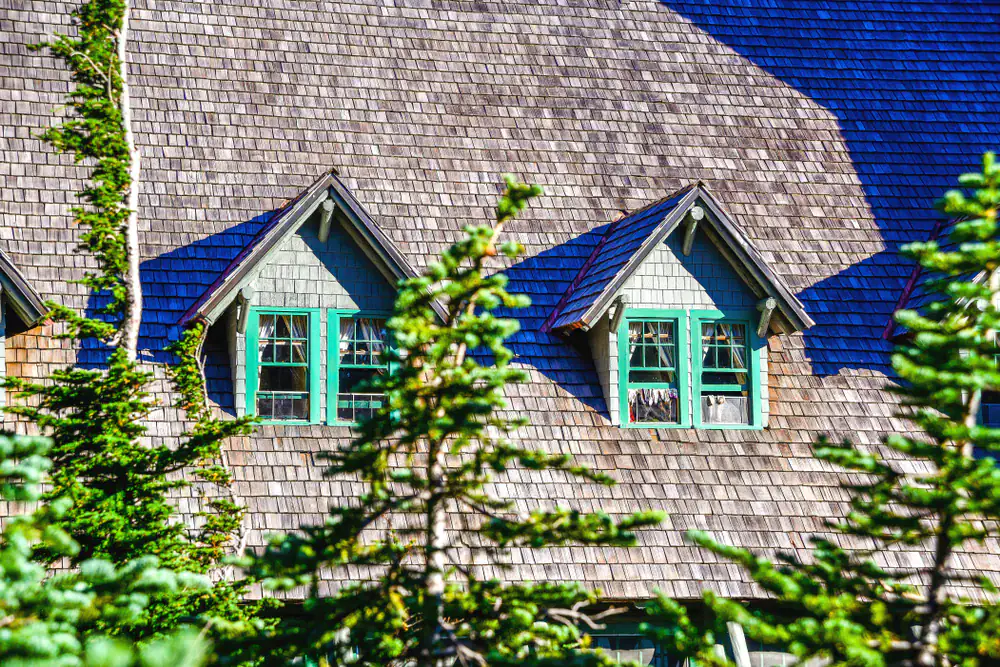
When we install your cedar roof, you’re investing in materials that age gracefully. That weathered gray patina isn’t damage – it’s cedar doing what cedar does best. Protecting your home while looking better every year, especially in coastal environments like Aquebogue where salt air can be tough on roofing materials.
SkyLuxe Construction focuses exclusively on exterior home improvements across Suffolk County. We understand Long Island weather, local building codes, and what works in coastal environments like Aquebogue where salt air and seasonal storms test every roofing material.
We’ve been installing cedar roofs in this area long enough to know the difference between contractors who talk a good game and those who deliver. You’ll see our work throughout Suffolk County – from traditional hand-split cedar shake installations to modern fire-treated cedar shingle systems that meet today’s safety requirements.
When you call us, you’re working with contractors who live and work in your community. We’re licensed in Suffolk County, we understand local permit requirements, and we show up when we say we will. No subcontractors from out of state learning your local codes on your dime.

First, we inspect your existing roof structure and discuss your cedar options. Hand-split cedar shakes for authentic rustic appeal, tapersawn cedar shakes for more uniform appearance, or cedar shingles for a cleaner aesthetic. Each has different looks and performance characteristics, and we’ll explain what works best for your Aquebogue home and budget.
Next comes material selection and permitting. We handle the Suffolk County permits and source quality Western red cedar or fire-treated cedar shingles if required. No surprises, no delays because we forgot paperwork or didn’t understand local requirements.
Installation starts with proper underlayment and flashing – the components you don’t see but make or break a cedar roof. Then we install your cedar roofing materials using techniques that account for Long Island’s weather patterns. Wind off the Sound, salt air, and seasonal temperature swings all factor into how we fasten and seal your new cedar roof. Your installation follows manufacturer specifications and local building codes, ensuring both performance and warranty coverage.

Ready to get started?
Your cedar roof installation includes premium Western red cedar materials, proper underlayment, and all necessary flashing. We work with hand-split cedar shakes for that authentic rustic look, tapersawn cedar shakes for more uniform appearance, or traditional cedar shingles for a cleaner aesthetic.
In Aquebogue’s coastal environment, we often recommend fire-treated cedar shingles. These give you cedar’s natural beauty with enhanced fire resistance – important for insurance rates and safety. The fire treatment doesn’t change cedar’s insulation properties or natural aging process, but it does give you a Class A fire rating that some insurance companies reward with discounts.
We also handle synthetic cedar shake options when homeowners want the cedar look with different maintenance requirements. These aren’t real cedar, but quality synthetics are designed to mimic cedar’s appearance while offering different performance characteristics. We’ll walk you through the real differences – cost, maintenance, longevity, and appearance over time – so you can make an informed choice for your specific situation and priorities.

A properly installed cedar roof typically lasts 30-50 years in Suffolk County’s coastal environment. The key is quality installation and choosing the right cedar grade for your location.
Western red cedar naturally resists moisture and insects, but Long Island’s salt air and seasonal weather require proper installation techniques. We use corrosion-resistant fasteners and ensure adequate ventilation to prevent moisture buildup. Regular maintenance like clearing debris and treating any moss growth can extend your cedar roof’s lifespan even further.
The natural aging process actually helps cedar perform better over time. That gray weathered look isn’t deterioration – it’s cedar’s natural protective layer developing. Many Aquebogue homeowners specifically choose cedar because they want that weathered appearance that comes naturally over 2-3 years.
Cedar shakes are split from logs, creating irregular, rustic surfaces with natural texture variations. Cedar shingles are sawn, producing uniform thickness and smoother surfaces.
Hand-split cedar shakes typically cost more and provide a more dramatic, traditional appearance. They’re thicker (usually 3/4 to 1.25 inches) and create deeper shadow lines that many homeowners love. Tapersawn cedar shakes offer a middle ground – machine-cut but with more texture than shingles. Cedar shingles are thinner (typically 3/8 to 5/8 inches) and lay flatter, creating a more refined look.
All three perform well in Aquebogue’s climate, but shakes shed water slightly better due to their irregular surface. Shingles are easier to maintain and replace individually if needed. Your choice usually comes down to the aesthetic you want, your budget, and how much texture you prefer.
Fire-treated cedar isn’t required by Suffolk County building codes for most residential applications, but many homeowners choose it for insurance benefits and peace of mind.
Fire-treated cedar shingles receive pressure treatment with fire-retardant chemicals. This gives them a Class A fire rating – the same as asphalt shingles. Some insurance companies offer discounts for Class A roofing materials, which can offset the additional cost over time.
The treatment doesn’t change cedar’s natural appearance or aging characteristics. Your roof will still weather to that classic gray patina that looks so good on Long Island homes. The main difference is enhanced fire resistance, which matters if you’re concerned about wildfire risk or want the insurance benefits.
Cedar roofs need periodic cleaning and inspection, but they’re not high-maintenance if installed properly. Plan on professional cleaning every 3-5 years and annual inspections.
The main maintenance involves removing debris like leaves and branches that can trap moisture. We also recommend treating any moss or algae growth, especially on north-facing sections that get less direct sunlight. This isn’t daily upkeep – it’s seasonal maintenance that takes a few hours twice a year.
Some homeowners apply cedar treatments or stains to maintain color, but this isn’t necessary for performance. Natural cedar weathers to gray and performs perfectly fine without treatments. The choice to treat or stain is purely aesthetic – many Aquebogue homeowners prefer the natural weathered look anyway.
Sometimes, but we usually recommend complete removal for cedar roof installations. Cedar’s performance depends on proper ventilation and structural support that overlay installations can compromise.
Cedar is lighter than asphalt, so structural load isn’t the main concern. The issue is creating proper ventilation and ensuring the roof deck is in good condition. Overlaying can trap moisture and create uneven surfaces that affect cedar installation quality.
We’ll inspect your existing roof and deck condition during our estimate. If your current roof has only one layer of shingles and the deck is solid, overlay might be possible. But for the best long-term performance – especially in Aquebogue’s coastal environment – we typically recommend starting with a clean deck.
Natural cedar typically costs 20-40% more than synthetic cedar alternatives, but the performance characteristics are different enough that cost shouldn’t be your only consideration.
Synthetic cedar shakes offer consistent appearance and often come with longer warranties. They don’t require the same maintenance as natural cedar and won’t develop that weathered gray patina. Some synthetics are designed to maintain their original color indefinitely.
Natural cedar provides superior insulation, natural pest resistance, and that authentic aging process many homeowners want. The higher upfront cost often balances out over time through energy savings and longevity. We’ll show you samples of both materials so you can see and feel the difference before making your choice.
Other Services we provide in Aquebogue
Ready to improve your home with SkyLuxe Construction? Give us a call or fill out a FREE online quote form – take your first step towards a beautifully transformed home.

Specializing in roofing, siding, chimney, and gutter services, SkyLuxe Construction is committed to delivering top-tier home transformations in Suffolk County, NY.
Company