Hear from Our Customers

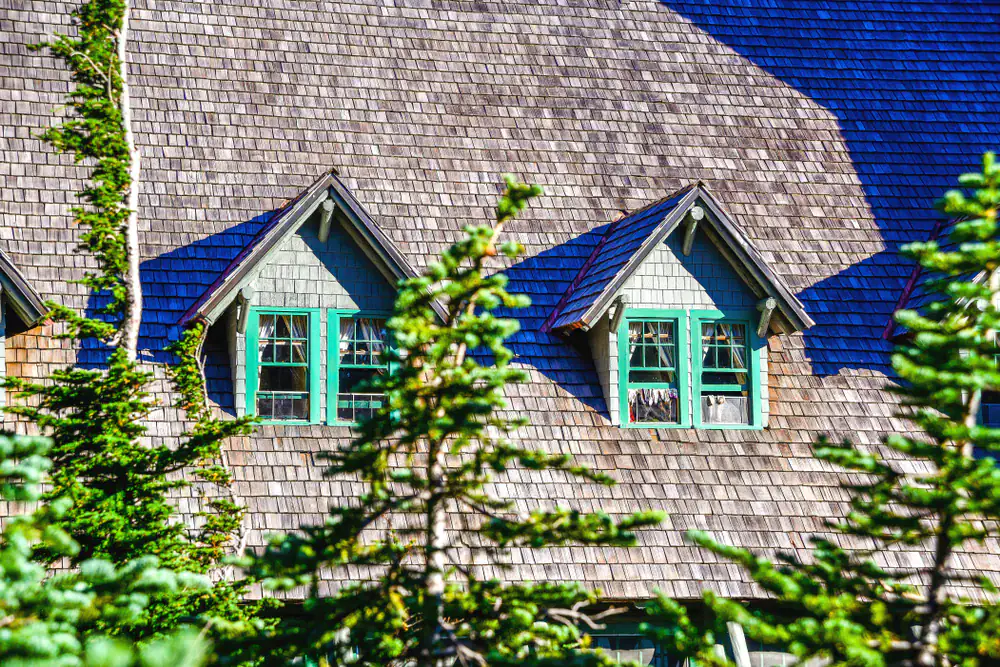
You’re looking at a roof that will still be protecting your home decades from now. Cedar roofing isn’t just about curb appeal—though the natural beauty is undeniable. It’s about choosing a material that actually gets better with age, developing that coveted silver-gray patina while maintaining structural integrity.
The energy savings start immediately. Cedar’s natural insulation properties can keep your attic up to 28 degrees cooler during those brutal East Hampton summers, which translates to real money saved on cooling costs. During winter, that same insulation helps retain warmth, creating year-round efficiency that asphalt simply can’t match.
But here’s what really matters for East Hampton homeowners: cedar roofing is built for coastal conditions. Western Red Cedar’s natural oils and tannins resist salt air corrosion, while its dimensional stability prevents the warping and cracking that destroy other materials in our climate. You’re not just getting a roof—you’re getting peace of mind during every nor’easter.
We specialize in residential exterior improvements throughout Suffolk County, with deep understanding of East Hampton’s unique coastal challenges. As a full-service exterior contractor, we handle everything from initial consultation through final cleanup, ensuring your cedar roof integrates perfectly with your home’s overall protection system.
Our focus on residential work in Suffolk County means we understand the specific demands East Hampton properties face. Salt air exposure, temperature fluctuations, and severe weather patterns all require specialized knowledge and materials. This isn’t theoretical—it’s practical expertise gained from years of successful installations in your neighborhood.
Our commitment to quality extends beyond materials to service. Transparent communication, detailed written estimates, and workmanship guarantees ensure you know exactly what you’re getting before any work begins. No surprises, no corners cut, no rushing to the next job.

The process begins with a thorough assessment of your existing roof structure and your specific needs. Not every cedar installation is the same—factors like roof pitch, exposure, and your aesthetic preferences all influence material selection and installation techniques. You’ll receive a detailed explanation of options, from Western Red Cedar to Eastern White Cedar, along with honest guidance about what works best for your situation.
Installation starts with proper preparation. Old roofing materials are removed down to the deck, which is inspected and repaired as needed. Premium underlayment and flashing systems are installed using techniques specifically designed for coastal conditions. The cedar shingles or shakes are then installed with precise spacing and fastening to ensure optimal performance.
Quality control happens throughout the process. Each course is checked for proper alignment and weather exposure. Flashing details around chimneys, vents, and roof penetrations receive special attention since these areas are most vulnerable to leaks. The final inspection includes testing all critical areas and a complete cleanup, leaving you with a roof that’s ready to protect your home for decades.

Ready to get started?
Your cedar roof installation includes everything needed for long-term performance in East Hampton’s challenging environment. Premium Western Red Cedar shingles or shakes, selected for straight grain and minimal defects, form the foundation of your roof system. These aren’t builder-grade materials—they’re #1 grade cedar chosen specifically for coastal applications.
The flashing system uses corrosion-resistant materials designed to handle salt air exposure. Step flashing, head flashing, and proper drainage systems work together to create multiple barriers against water infiltration. This multi-layer approach is essential for coastal installations where wind-driven rain can find any weakness.
Installation includes proper ventilation systems to prevent moisture buildup, which is particularly important in humid coastal environments. Ridge vents, soffit ventilation, and proper airflow channels ensure your cedar roof can breathe, preventing the moisture problems that can shorten roof life. Fire-treated cedar options are available for homeowners seeking additional safety measures, providing the natural beauty of cedar with enhanced fire resistance that meets modern building codes.

A properly installed cedar roof in East Hampton typically lasts 30 to 50 years, with some installations exceeding that timeframe when maintained correctly. The key factors are material grade and installation quality. #1 grade Western Red Cedar, which we use exclusively, contains the natural oils and tight grain structure that resist salt air corrosion and moisture penetration.
East Hampton’s coastal conditions actually favor cedar in some ways. The natural oils in cedar that repel insects and resist decay are particularly effective in humid environments. However, proper installation is crucial—inadequate flashing or poor ventilation can significantly reduce lifespan. That’s why we use coastal-grade flashing systems and ensure proper airflow throughout the roof structure.
Regular maintenance extends life considerably. This includes periodic inspections, clearing debris, and occasional treatments to maintain the wood’s protective properties. With proper care, many cedar roofs in coastal areas continue performing well beyond their expected lifespan, making them an excellent long-term investment.
Cedar shingles are machine-cut with uniform thickness and smooth surfaces, creating a clean, refined appearance that works well with traditional and contemporary home styles. They lay flat and tight, providing excellent weather protection with a more formal aesthetic. Shingles are typically less expensive and easier to install than shakes.
Cedar shakes are hand-split or resawn, creating irregular surfaces with natural texture and rustic appeal. They’re thicker than shingles and provide slightly better insulation due to their increased mass. Shakes offer superior wind resistance—they’re rated for winds exceeding 130 MPH—making them particularly suitable for coastal areas like East Hampton.
Both options perform excellently in coastal conditions, but the choice often comes down to aesthetic preference and budget. Shakes cost approximately 20-30% more than shingles but offer that distinctive rustic appearance many homeowners prefer. We’ll help you evaluate both options based on your home’s architecture, your personal preferences, and your long-term maintenance plans.
Cedar roof installation in East Hampton typically ranges from $18,000 to $35,000 for an average-sized home, depending on roof size, complexity, and material grade. This includes complete tear-off of existing roofing, premium underlayment, proper flashing systems, and #1 grade cedar materials. Costs vary based on roof pitch, architectural complexity, and any structural repairs needed.
The investment reflects the premium nature of cedar roofing and the specialized installation requirements for coastal environments. Cheaper installations often fail prematurely due to inadequate flashing or lower-grade materials, leading to expensive repairs and premature replacement. Our installations use only premium materials and proven techniques specifically designed for East Hampton’s challenging conditions.
Consider the long-term value: cedar roofs last 30-50 years compared to 15-25 years for asphalt, provide superior energy efficiency, and significantly increase home value. When you calculate the cost per year over the roof’s lifespan, cedar often proves more economical than cheaper alternatives, especially when you factor in energy savings and reduced maintenance needs.
Yes, cedar roofing typically increases home value in East Hampton, often adding 10-15% to your property’s worth while providing immediate curb appeal enhancement. Cedar’s natural beauty and premium status appeal strongly to buyers in upscale markets like East Hampton, where quality materials and craftsmanship are highly valued.
The value increase comes from multiple factors: cedar’s longevity means buyers won’t face roof replacement costs for decades, the energy efficiency provides ongoing savings, and the aesthetic appeal distinguishes your property from homes with standard roofing materials. In East Hampton’s competitive real estate market, unique features like cedar roofing can make properties stand out and sell faster.
Insurance companies often provide discounts for cedar roofing due to its durability and wind resistance, providing ongoing savings. Additionally, cedar’s environmental sustainability appeals to increasingly eco-conscious buyers. When you combine immediate visual impact, long-term performance, and environmental benefits, cedar roofing represents one of the best home improvement investments you can make in the East Hampton market.
Cedar roofs in coastal areas like East Hampton require minimal but important maintenance to ensure optimal performance and longevity. The primary maintenance involves annual inspections to check for debris accumulation, damaged shingles, and proper drainage. Salt air can accelerate wear on flashing and gutters, so these components need periodic attention.
Cleaning is important but must be done correctly. Gentle washing to remove salt deposits and organic growth helps maintain the wood’s natural protective properties. Harsh pressure washing or chemical treatments can damage cedar’s surface and reduce its lifespan. We recommend professional cleaning every 3-5 years using appropriate techniques and materials.
Optional treatments can extend life further. Fire-retardant treatments may need renewal every 5-7 years depending on exposure. Preservative treatments can help maintain the wood’s natural oils, though many homeowners prefer the natural weathering process that creates cedar’s distinctive silver-gray patina. We provide detailed maintenance guidelines with every installation and offer ongoing maintenance services to protect your investment.
Cedar roofs are exceptionally well-suited for East Hampton’s severe weather, including nor’easters, high winds, and heavy precipitation. Western Red Cedar’s natural flexibility and strength allow it to withstand wind speeds exceeding 130 MPH without damage, making it superior to many other roofing materials in storm conditions.
The key is proper installation with appropriate flashing and fastening systems. Cedar shakes and shingles are individually secured and can flex with wind forces rather than fighting them, reducing the likelihood of blow-offs during severe storms. The natural oils in cedar also resist moisture penetration, preventing the freeze-thaw damage that affects other materials during winter storms.
Salt air, which corrodes many roofing materials, actually has minimal impact on properly installed cedar. The wood’s natural preservatives resist salt corrosion, while proper ventilation prevents moisture accumulation that could lead to decay. Our installations use corrosion-resistant fasteners and flashing materials specifically chosen for coastal environments, ensuring your cedar roof provides reliable protection through decades of East Hampton weather extremes.
Other Services we provide in East Hampton
Ready to improve your home with SkyLuxe Construction? Give us a call or fill out a FREE online quote form – take your first step towards a beautifully transformed home.

Specializing in roofing, siding, chimney, and gutter services, SkyLuxe Construction is committed to delivering top-tier home transformations in Suffolk County, NY.
Company