Hear from Our Customers

You’re not just getting a roof—you’re investing in decades of protection. Cedar roofing delivers what Hampton Bays homeowners actually need: a roof that handles salt air without corroding, weathers nor’easters without failing, and keeps your home comfortable year-round.
Your energy bills drop because cedar provides twice the insulation of standard asphalt shingles. Your home value increases with natural beauty that ages gracefully instead of looking worn after a few seasons. Most importantly, you sleep better knowing your roof was built to last 40-50 years, not 15-20 like cheaper alternatives.
This isn’t about cutting corners or finding the cheapest option. It’s about making one smart investment that protects your family and your property for decades to come.
SkyLuxe Construction isn’t some corporate franchise or fly-by-night operation. We’re a Suffolk County family business that’s been protecting homes like yours for decades. We live here, raise families here, and stake our reputation on every cedar roof we install.
We understand what Hampton Bays weather does to roofing materials. We’ve repaired storm damage from every major weather event that’s hit the East End. We know how salt air eats through cheap materials and why proper installation matters more here than anywhere else.
When you work with us, you’re working with people who understand coastal roofing challenges because we’ve been solving them longer than most of our competitors have been in business. Licensed, insured, and committed to keeping your home protected long after we’ve cleaned up and left.

First, we assess your current roof and discuss your goals. No high-pressure sales tactics—just honest evaluation of what your Hampton Bays home needs. We explain material options, from hand-split cedar shakes to precision-cut shingles, and help you choose what makes sense for your budget and style.
Next comes preparation. We protect your property, remove old materials properly, and ensure the roof deck is solid. This foundation work matters more than most homeowners realize—it’s what separates roofs that last from roofs that fail early.
Installation follows proven techniques developed specifically for coastal conditions. Every cedar shingle gets hand-nailed for maximum wind resistance. Flashing details get extra attention because we know what salt air does to standard materials. We use marine-grade fasteners and sealants that actually hold up in this environment.
Final inspection covers everything twice. We clean up completely, walk through the finished work with you, and provide maintenance guidance that helps your cedar roof deliver its full lifespan.

Ready to get started?
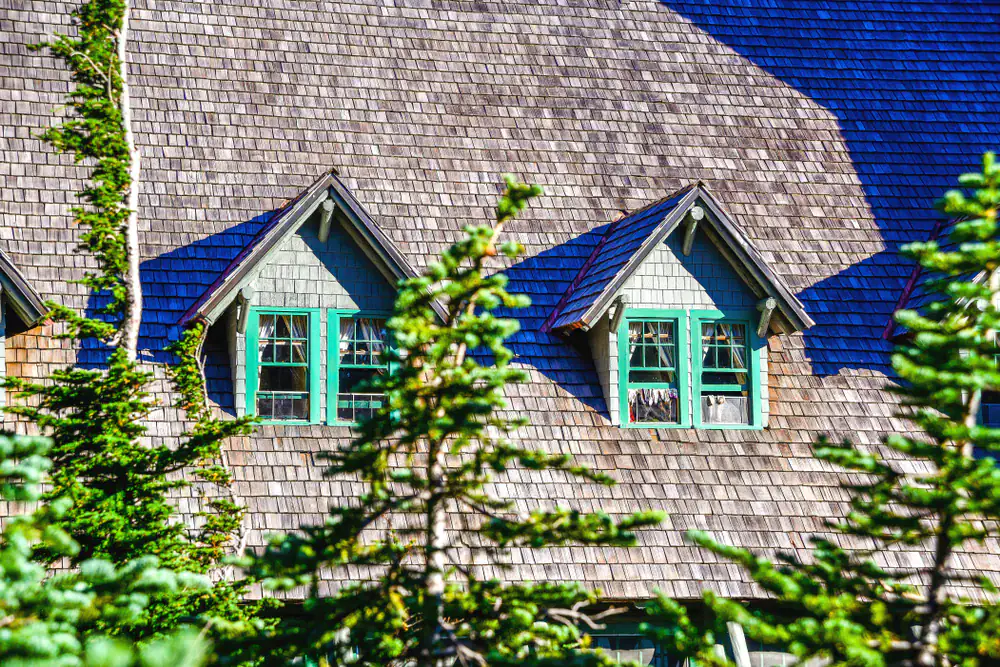
We use Western Red Cedar because it’s proven to handle Hampton Bays’ coastal environment. This isn’t generic cedar—it’s specifically selected for straight grain, natural oils, and resistance to rot and insects. Available in multiple grades, from premium #1 Blue Label to cost-effective #2 Red Label options.
Fire-treated cedar shingles meet insurance requirements while maintaining natural beauty. Synthetic cedar alternatives provide the look of wood with enhanced durability for homeowners prioritizing low maintenance. Tapersawn and hand-split options create different aesthetic effects, from clean modern lines to rustic traditional charm.
Hampton Bays homes face unique challenges. Salt air accelerates normal deterioration, while hurricane-force winds test every installation detail. We stock marine-grade flashing, stainless steel fasteners, and specialized underlayments designed for coastal applications. These details cost more upfront but prevent the expensive failures we see from contractors who don’t understand local conditions.
Every material choice gets explained clearly. You understand exactly what you’re getting, why it matters for your specific location, and how it contributes to long-term performance.

A properly installed cedar roof in Hampton Bays typically lasts 30-40 years, with premium installations reaching 50+ years. The key is using materials and techniques designed for coastal conditions. Salt air does accelerate some deterioration, but Western Red Cedar’s natural oils provide excellent resistance when properly maintained.
We see the biggest difference in lifespan between roofs installed by contractors who understand coastal challenges versus those who don’t. Proper flashing details, marine-grade fasteners, and adequate ventilation make the difference between a roof that lasts decades and one that needs major repairs within 10-15 years.
Regular maintenance extends lifespan significantly. Annual inspections, prompt repair of minor damage, and keeping gutters clean prevent small issues from becoming expensive problems.
Cedar roofing costs $12-18 per square foot installed in Hampton Bays, compared to $4-8 for asphalt shingles. That’s 2-3 times higher upfront, but the math changes when you consider lifespan and energy savings. Cedar lasts 30-50 years versus 15-25 for asphalt, meaning you’ll replace asphalt roofing twice in the time one cedar roof serves your home.
Energy savings add up over time. Cedar provides twice the insulation value of asphalt, reducing heating and cooling costs year-round. In Hampton Bays’ climate, this typically saves $200-400 annually on energy bills.
Insurance costs vary. Some carriers charge more for cedar due to fire concerns, while others offer discounts for impact-resistant materials. Fire-treated cedar options address insurance requirements while maintaining natural benefits.
Cedar roofs need more attention than asphalt but less than most homeowners expect. Annual inspections catch small issues before they become expensive problems. We recommend professional inspection after major storms, since coastal winds can lift shingles or damage flashing.
Moss and algae growth happens faster in Hampton Bays’ humid environment. Gentle cleaning every 2-3 years maintains appearance and prevents organic buildup that can trap moisture. Never use pressure washers—they damage cedar fibers and create leak paths.
Gutter maintenance becomes critical with cedar roofing. Leaves and debris that sit in gutters create moisture problems that affect roof edges. Keep gutters clean and ensure proper drainage away from the foundation.
Properly installed cedar roofing excels in storm conditions when installation follows coastal best practices. Cedar shingles achieve Class 4 impact resistance, the highest rating available. Hand-nailing provides superior wind resistance compared to nail-gun installation used with other materials.
The key is understanding local wind patterns and installation details that matter in coastal environments. We use stainless steel fasteners that won’t corrode in salt air, marine-grade flashing that handles thermal expansion, and proven techniques for securing shingles against uplift forces.
Storm damage typically occurs at vulnerable points—roof edges, valleys, and flashing details around chimneys or skylights. Our installations pay extra attention to these areas because we’ve repaired storm damage from every major weather event that’s hit the East End.
Western Red Cedar performs best in Hampton Bays’ coastal environment due to natural oils that resist moisture and insects. We typically recommend #1 Grade (Blue Label) for maximum longevity, though #2 Grade (Red Label) offers good performance at lower cost for budget-conscious projects.
Shingle versus shake choice depends on your style preferences and maintenance tolerance. Cedar shingles provide clean, uniform appearance with easier maintenance. Hand-split shakes create rustic texture but require more attention to prevent moisture infiltration between irregular edges.
Fire-treated options address insurance requirements while maintaining cedar’s natural benefits. Synthetic cedar alternatives eliminate maintenance concerns while providing similar appearance, though they lack cedar’s natural insulation properties and authentic aging characteristics.
Look for contractors with specific cedar roofing experience in coastal environments. Many roofers install asphalt well but lack knowledge of cedar’s unique requirements. Ask to see recent cedar projects and references from Hampton Bays or similar coastal locations.
Verify licensing and insurance coverage adequate for your project value. Check Better Business Bureau ratings and online reviews, paying attention to how contractors handle problems when they arise. Avoid contractors who provide quotes significantly below others—quality cedar installation requires time and skill.
Get detailed written estimates that specify material grades, installation techniques, and warranty coverage. The lowest bid often means corners will be cut on materials or installation details that matter for long-term performance in coastal conditions.
Other Services we provide in Hampton Bays
Ready to improve your home with SkyLuxe Construction? Give us a call or fill out a FREE online quote form – take your first step towards a beautifully transformed home.

Specializing in roofing, siding, chimney, and gutter services, SkyLuxe Construction is committed to delivering top-tier home transformations in Suffolk County, NY.
Company