Hear from Our Customers

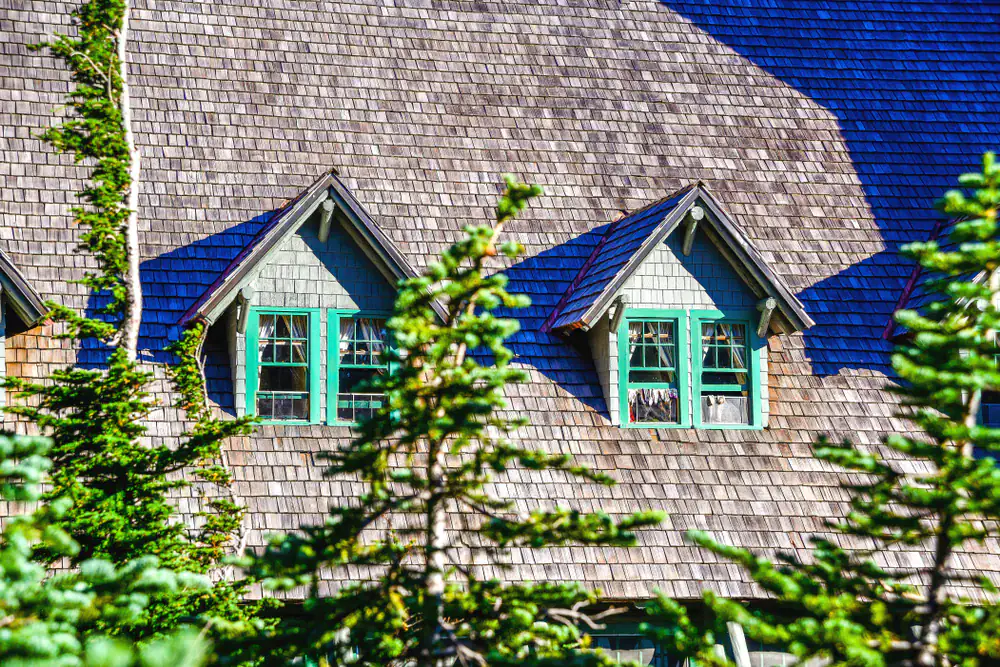
You’re not just getting a roof – you’re investing in a system that handles everything Long Island weather throws at it. Cedar roofing naturally resists wind, rain, and temperature swings while maintaining that classic East End look your neighbors notice.
The energy savings start immediately. Cedar’s natural insulation properties keep your heating and cooling costs down year-round, making your monthly bills lighter while your home stays comfortable.
When storm season hits, you’ll have peace of mind knowing your cedar roof was built to last at least 10 years longer than standard roofing materials, with natural resistance to the kind of coastal weather that damages lesser roofs.
We focus exclusively on exterior home improvement throughout Suffolk County, with deep experience in Wainscott’s unique coastal conditions. We understand what works here and what doesn’t.
Our team knows the difference between a roof that looks good for a few years and one that protects your investment for decades. That’s why we use only premium-grade Western Red Cedar and proven installation methods that account for coastal wind patterns and moisture levels.
We’re fully licensed and insured for Suffolk County work, with local references you can actually visit. When you’re ready to move forward, you’ll work with contractors who show up when promised and finish what we start.

First, we inspect your existing roof structure and discuss your specific needs – whether you’re dealing with storm damage, aging materials, or planning new construction. You’ll get a detailed assessment of what needs to happen and why.
Next comes material selection. We’ll walk through your options for cedar shakes versus shingles, fire-treated options, and the specific grades that work best for coastal properties. Everything gets explained in plain terms so you can make informed decisions.
Installation follows proven methods for coastal conditions. We start with proper underlayment and work systematically to ensure each cedar piece is positioned for maximum weather resistance. The job isn’t done until we’ve cleaned up completely and walked through the finished work with you.

Ready to get started?
We work with Western Red Cedar sourced specifically for coastal applications – not the lower grades that some contractors use to cut costs. You’re getting hand-split cedar shakes, tapersawn options, and fire-treated shingles depending on your property’s specific needs.
Wainscott’s location means your roof faces salt air, high winds, and temperature swings that inland properties don’t deal with. Our material selection accounts for these factors, using cedar grades that handle moisture cycling without warping or splitting.
Installation includes proper ventilation systems designed for coastal humidity levels, plus underlayment that creates multiple barriers against wind-driven rain. These details matter when storm season arrives, and they’re why some cedar roofs last 30+ years while others need major work within a decade.

A properly installed cedar roof using premium Western Red Cedar typically lasts 25-30 years in coastal Suffolk County, often longer with regular maintenance. The key factors are material grade and installation quality.
Lower-grade cedar or poor installation can reduce lifespan to 15-20 years, especially with salt air exposure. We use only premium-grade cedar that’s been specifically selected for coastal applications, not the construction-grade material that some contractors use to reduce costs.
Regular maintenance extends life significantly. This includes annual inspections, prompt replacement of damaged shakes, and periodic cleaning to prevent moss or debris buildup that can trap moisture against the wood.
Cedar shakes are hand-split or sawn, creating a rustic, irregular texture that’s thicker and more durable. Cedar shingles are machine-cut to uniform dimensions, offering a cleaner, more refined appearance.
Shakes typically last longer and handle wind better due to their thickness, making them popular for coastal properties. They also shed water more effectively because of their irregular surface. However, they cost more and require more skilled installation.
Shingles install faster and cost less, while still providing excellent weather protection. They’re often preferred for homes where a more formal appearance is desired. Both options work well in Wainscott’s climate when properly installed with appropriate underlayment.
Cedar roofs in coastal areas need annual inspections and prompt attention to minor issues before they become major problems. Salt air and humidity create unique challenges that inland properties don’t face.
Key maintenance includes removing debris that can trap moisture, replacing damaged or loose shakes immediately, and ensuring gutters drain properly to prevent water backup. We also recommend periodic cleaning to remove salt deposits and organic growth.
The good news is that cedar naturally resists insects and rot, so maintenance is mostly preventive. Most issues we see result from deferred maintenance rather than material failure. A well-maintained cedar roof in coastal conditions often outlasts other roofing materials that require less attention.
Fire-treated cedar shingles aren’t required by code in most Wainscott areas, but they’re worth considering depending on your property’s specific situation and insurance requirements. Some insurance companies offer discounts for fire-treated materials.
The treatment process pressure-impregnates cedar with fire-retardant chemicals, significantly reducing ignition risk. This is particularly valuable for properties with dense landscaping, nearby structures, or areas where wildfire risk exists.
Fire-treated cedar costs more upfront and requires specific installation techniques to maintain the treatment’s effectiveness. We’ll evaluate your property’s risk factors and insurance considerations to help you decide whether the additional cost provides meaningful value for your situation.
Properly installed cedar roofing performs exceptionally well in coastal storms when premium materials and correct installation methods are used. Cedar’s natural flexibility helps it bend rather than break under high winds.
The key is installation technique. Cedar shakes and shingles must be properly fastened with corrosion-resistant nails, adequate overlap, and appropriate underlayment systems. Shortcuts in any of these areas create failure points during storms.
We’ve seen cedar roofs survive major hurricanes with minimal damage while nearby properties with other roofing materials suffered significant losses. The natural interlocking pattern of cedar shakes, combined with their individual flexibility, creates a roof system that moves with wind forces rather than fighting them.
Cedar roofing costs vary significantly based on material grade, roof complexity, and current market conditions. Premium Western Red Cedar with proper coastal installation typically runs higher than standard roofing materials, but the longevity often makes it cost-effective over time.
Factors affecting cost include roof size and pitch, accessibility, removal of existing materials, and specific cedar grade selected. Hand-split shakes cost more than machine-cut shingles, and fire-treated options add to the base price.
We provide detailed written estimates that break down material and labor costs so you can make informed decisions. Most clients find that while cedar costs more initially, the combination of longevity, energy savings, and property value increase makes it a smart long-term investment for coastal properties.
Other Services we provide in Wainscott
Ready to improve your home with SkyLuxe Construction? Give us a call or fill out a FREE online quote form – take your first step towards a beautifully transformed home.

Specializing in roofing, siding, chimney, and gutter services, SkyLuxe Construction is committed to delivering top-tier home transformations in Suffolk County, NY.
Company