
Hear from Our Customers

You stop wondering if the next storm is going to be the one that finally does it. You stop seeing granules in your gutters or water stains creeping across your ceiling. You stop paying emergency rates for tarps and temporary fixes every time the wind picks up.
A proper roof installation in Village of the Branch means your home is ready for what Suffolk County weather actually throws at it—sustained 50+ mph winds, driving rain that tests every seal, and temperature swings from 23°F in January to 81°F in July. The materials are rated for coastal environments where salt air corrodes metal components and constant moisture accelerates wear. The installation follows a complete tear-off process that removes everything down to the deck, so structural issues get caught and fixed before new materials go on.
Your energy bills drop when the roof starts reflecting heat instead of absorbing it. Your home value increases by $12,000-$14,000 on average, because buyers in this area know what a quality roof means. And you get warranty protection that covers both materials and workmanship, not just one or the other.
We’re a family-owned business that’s been installing roofs throughout Suffolk County long enough to know that every neighborhood has different needs. Village of the Branch homes face specific challenges—you’re in one of the most desirable areas in the county, with property values that demand installation done right the first time.
We’re not the cheapest option, and that’s intentional. When you’re protecting a home worth over $650,000 in a coastal environment, cutting corners on materials or rushing through installation costs you more in the long run. We’re licensed, insured, and we handle permit requirements so you don’t have to chase down paperwork or wonder if the work meets Suffolk County building codes.
Our reputation here was built one roof at a time, with homeowners who needed contractors that actually show up, finish the job, and stand behind the work years later when it matters.

Every roof installation starts with a thorough inspection and structural assessment. We’re looking at what’s underneath—damaged decking, inadequate ventilation, flashing that’s been compromised by years of coastal weather. You get a detailed breakdown of what needs to happen and why, with material options that make sense for Suffolk County conditions.
Once we start, the full tear-off removes all old materials down to the deck. This isn’t optional—it’s the only way to see what you’re actually working with and ensure a solid foundation. Any structural repairs happen next, followed by proper underlayment that creates a complete weather barrier system. Then new materials go on, installed to manufacturer specs and local building requirements.
We handle permits, coordinate inspections, and manage the timeline so you’re not left wondering what’s happening or when it’ll be done. The job site stays clean throughout the process, and you get a final walkthrough that covers your warranty and what to expect moving forward. If you need emergency repairs while waiting for a full installation, we offer 24/7 response for Suffolk County homeowners.

Ready to get started?
A complete roof installation in Village of the Branch covers everything from tear-off through final inspection. You’re getting materials specifically rated for coastal environments—architectural shingles with better wind resistance than basic options, metal roofing systems like standing seam that handle salt air and high winds, or EPDM and rubber roofing for flat applications that need reliable waterproofing.
Installation includes proper ventilation systems that prevent moisture buildup and extend material lifespan, flashing around chimneys and skylights that’s sealed correctly for driving rain, and underlayment that creates a secondary barrier when shingles get compromised. Ridge cap installation, drip edge, and all the components that most homeowners never see but that determine whether your roof lasts 15 years or 25.
In Suffolk County, where most asphalt shingle roofs last 15-20 years instead of the 25-30 you’d see in milder climates, material selection matters. We’re installing roofs that account for what Long Island weather actually does—nor’easters, summer storms, brutal temperature swings, and salt air that accelerates deterioration on every component. The difference between a roof that looks good for a few years and one that protects your investment for decades comes down to installation quality and material choices that match local conditions.
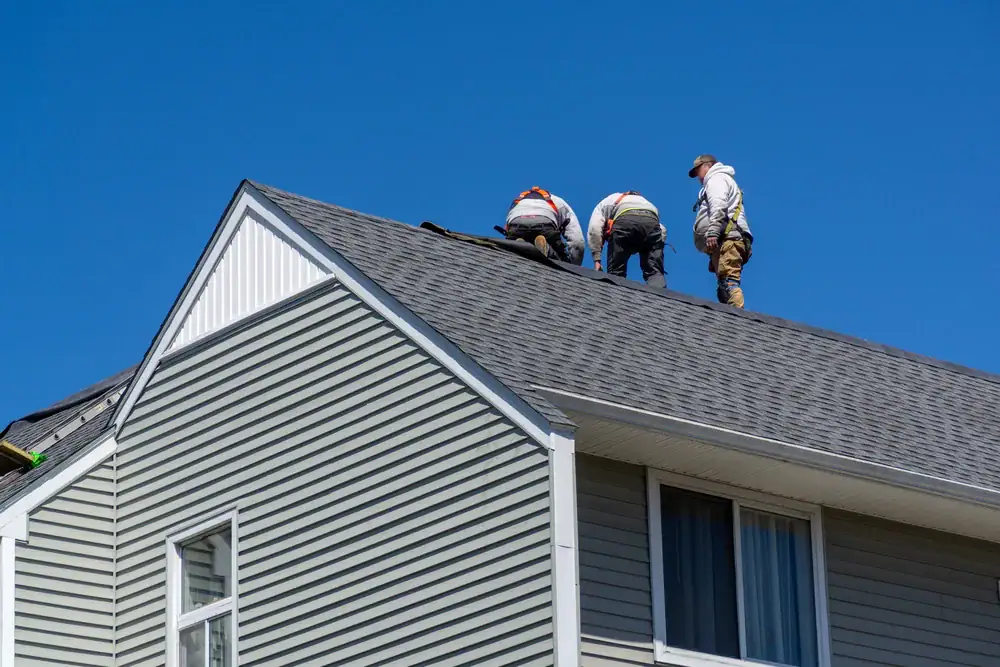
Most residential roof installations in Village of the Branch take 2-4 days from tear-off to completion, depending on roof size, complexity, and weather conditions. A straightforward asphalt shingle replacement on a 2,000 square foot home typically wraps up in 2-3 days. Metal roof installation or projects with multiple levels, chimneys, or skylights can extend to 4-5 days.
Weather delays are real in Suffolk County—we’re not installing materials in driving rain or high winds because that compromises the work. If a storm rolls through mid-project, we secure everything with tarps and temporary protection, then resume when conditions allow. You’ll get a realistic timeline upfront based on your specific roof and current weather forecasts.
The best roofers in this area book months ahead for planned replacements, especially during peak season from late spring through early fall. Emergency installations after storm damage happen faster, but you’re paying premium rates for immediate response. Planning ahead when you see warning signs—missing shingles, granules in gutters, water stains—saves you from paying emergency pricing when your roof fails during the next nor’easter.
Architectural asphalt shingles rated for high wind speeds and impact resistance are the most common choice in Village of the Branch because they balance cost, durability, and performance in coastal conditions. Look for shingles rated for 110+ mph winds and Class 4 impact resistance—these handle nor’easters and summer storms better than basic three-tab options that might work fine in milder climates.
Metal roofing systems, particularly standing seam installations, perform exceptionally well in salt air environments. Metal doesn’t absorb moisture, resists wind uplift better than shingles, and typically lasts 40-50 years in Suffolk County versus the 15-20 you get from standard asphalt. The upfront cost is higher, but you’re looking at potentially the last roof you’ll ever install on this home.
For flat or low-slope applications, EPDM rubber roofing and TPO membranes handle Long Island weather well when installed correctly. Cedar shake looks beautiful but requires more maintenance in coastal environments and typically lasts 20-25 years here. Slate is nearly indestructible and can last 75-100 years, but the weight requires structural support and the cost is significantly higher than other options. The right material depends on your budget, how long you plan to stay in the home, and what your roof structure can support.
Roof installation costs in Village of the Branch typically range from $8,000 to $25,000+ depending on roof size, material choice, and complexity. A standard asphalt shingle replacement on a 1,500-2,000 square foot home runs $10,000-$15,000. Metal roof installation costs $15,000-$30,000 for the same size home because of material costs and specialized installation requirements.
These numbers include complete tear-off, structural repairs if needed, proper underlayment, new materials, and installation that meets Suffolk County building codes. Emergency repairs or temporary fixes cost $500-$2,000 depending on damage extent, but that’s money you’re spending before the actual replacement happens. The August 2024 flooding event in Suffolk County showed how quickly weather damage adds up—homes that needed emergency tarping paid hundreds per day while waiting for permanent repairs.
You’re protecting a home worth $650,000+ in one of Suffolk County’s most desirable areas. Roof replacement typically returns 60-70% of the investment when you sell, making it one of the more financially sound home improvements you can make. A $15,000 roof installation adds $9,000-$10,500 to your home value, plus you get the energy savings and peace of mind that come with knowing your roof won’t fail during the next major storm. Financing options exist if you need to spread the cost, but the cheapest quote isn’t always the best value when installation quality determines whether your roof lasts 15 years or 25.
Yes, roof replacement in Village of the Branch requires building permits through Suffolk County, and we handle this process for you. Permits ensure the work meets local building codes, which exist specifically because of the weather challenges homes face here—high winds, heavy snow loads, and coastal storm conditions that test every component.
The permit process involves submitting plans that show materials, installation methods, and structural details. An inspector reviews the work at key stages to verify everything meets code requirements. This protects you as the homeowner—if something goes wrong years later, permitted work provides documentation that installation was done correctly and passed inspection.
Some contractors skip permits to save time or avoid inspection requirements, but this creates problems when you sell the home or file insurance claims after storm damage. Unpermitted work can void warranties, complicate insurance coverage, and require expensive corrections before you can close on a sale. We factor permit costs and timelines into our quotes upfront, handle all the paperwork, and coordinate inspections so you’re not chasing down approvals or wondering if the work meets Suffolk County standards.
Comprehensive roof installation warranties should cover both materials and workmanship, not just one or the other. Material warranties come from manufacturers and typically range from 25-50 years depending on what you install—architectural shingles usually carry 30-year warranties, while metal roofing often includes 40-50 year coverage. These warranties cover manufacturing defects but not installation errors.
Workmanship warranties come from your contractor and cover installation quality—flashing that wasn’t sealed correctly, underlayment that wasn’t installed properly, ventilation issues that cause premature failure. We offer workmanship warranties that cover labor and repairs if installation problems emerge. This matters because most roof failures in Suffolk County stem from installation errors, not material defects.
Read the fine print on both warranties. Some exclude wind damage or require regular maintenance inspections to stay valid. Others pro-rate coverage so you’re paying a percentage of replacement costs after the first few years. The best warranty is one you’ll never need because the installation was done right the first time, but when coastal weather tests every seal and shingle, having comprehensive coverage that actually pays out when problems arise makes the difference between a $500 repair and a $15,000 replacement you’re covering out of pocket.
Late spring through early fall offers the most predictable weather windows for roof installation in Suffolk County, with May through October being peak season when we’re busiest. Summer months provide longer days and more stable weather, but you’re competing with everyone else who’s planning the same work—expect longer wait times and book at least 2-3 months ahead.
Fall installation works well if you can get on the schedule before November. Materials seal better in moderate temperatures, and you’re getting the roof done before winter weather arrives. Early spring is possible but unpredictable—March and April can bring late-season storms that delay projects. Winter installation happens but isn’t ideal because cold temperatures affect how shingles seal and adhesives perform.
That said, the best time to replace your roof is before you’re forced into emergency mode. If you’re seeing warning signs—missing shingles, granules collecting in gutters, water stains on ceilings, or a roof that’s approaching 15-20 years old in this coastal climate—schedule the work during off-peak months when we have more availability and you’re not paying emergency rates. Roofs typically fail during the worst weather when you need protection most, and emergency tarping while waiting for permanent repairs costs hundreds per day. Planning ahead when you have time to research contractors, compare quotes, and schedule during favorable weather saves you money and stress compared to scrambling after the next nor’easter tears off half your shingles.
Other Services we provide in Village Of The Branch