
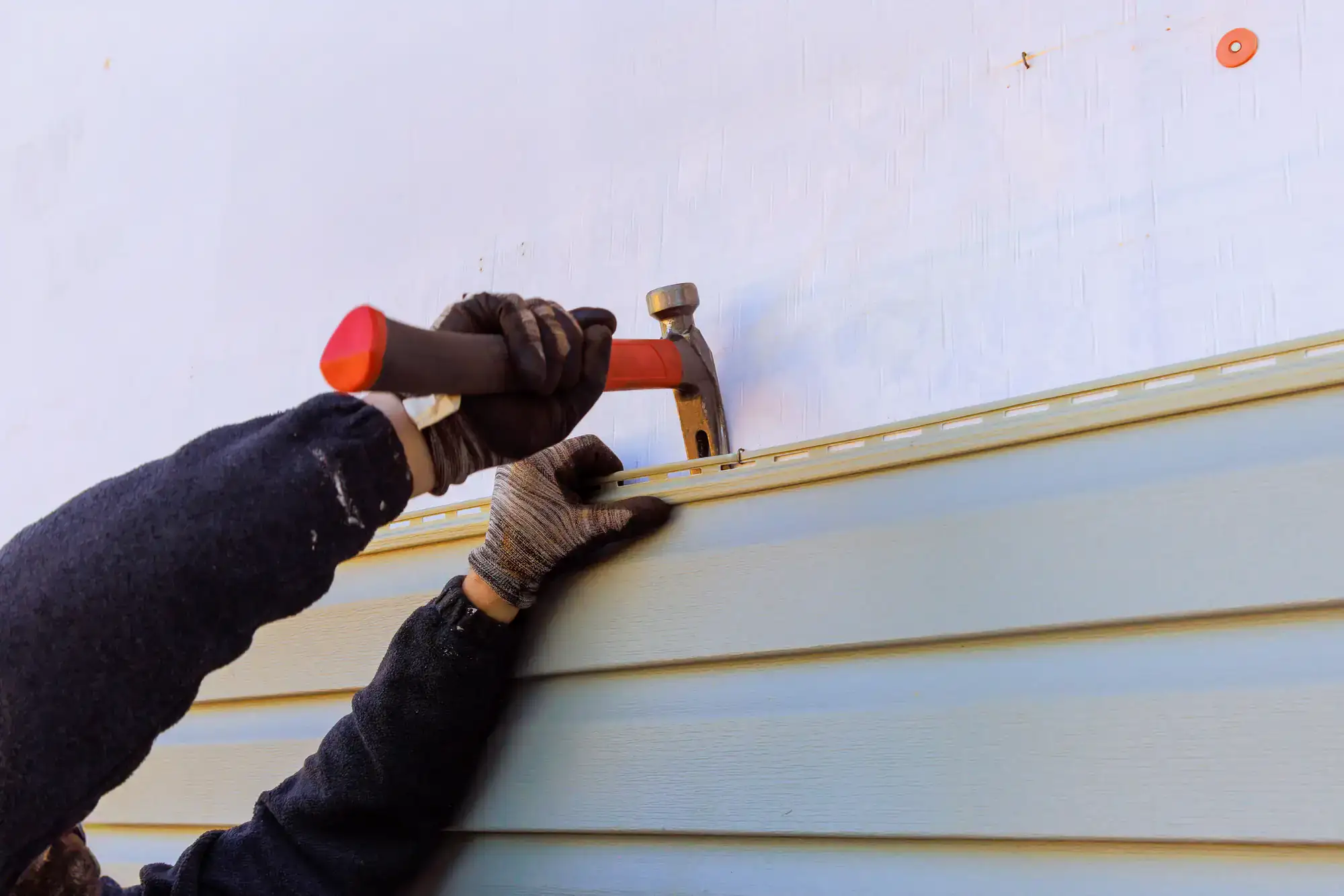
Hear from Our Customers
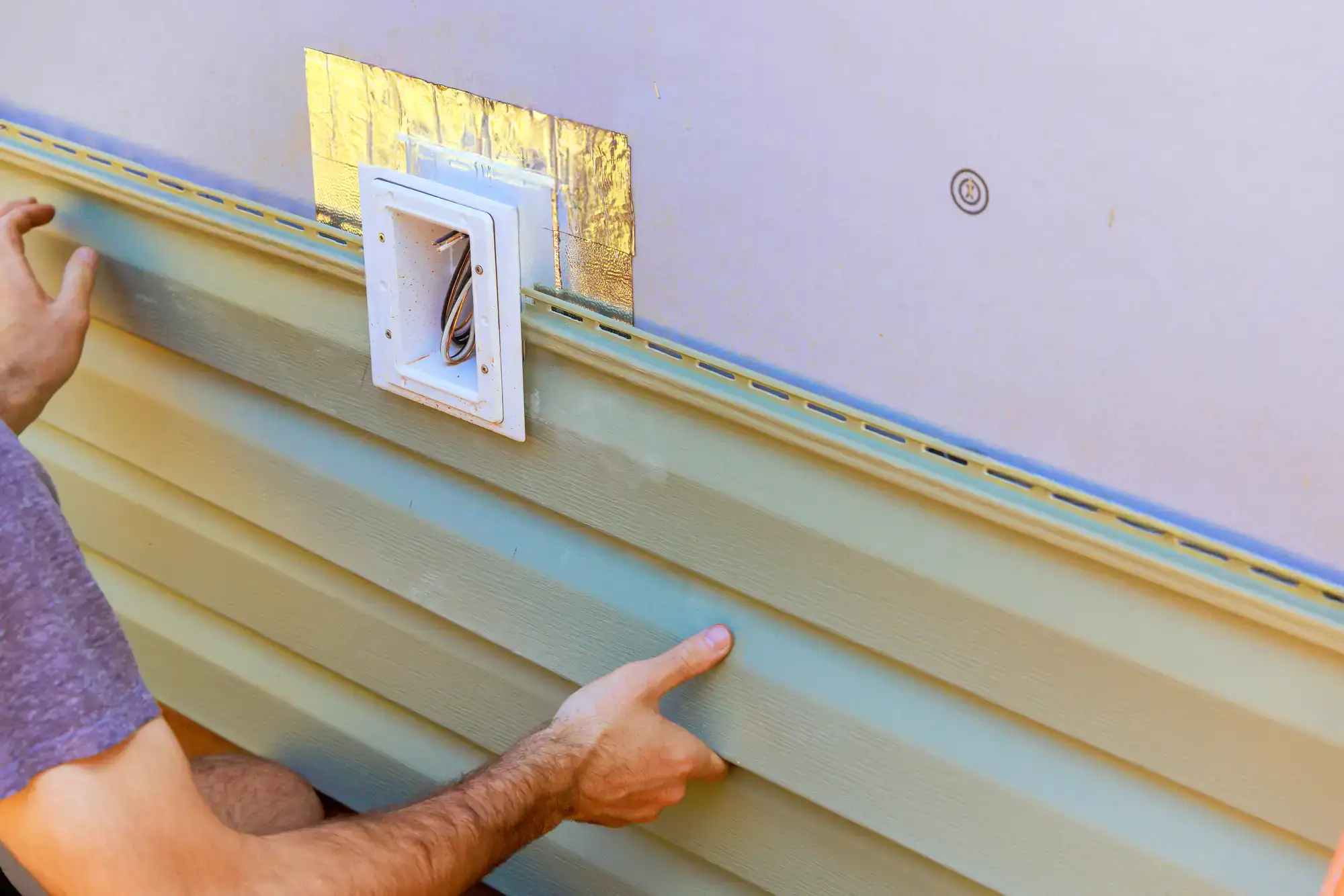
You’re tired of watching your siding crack, fade, and fail every few years. Salt air doesn’t care what the manufacturer promised. Neither do nor’easters.
Proper siding installation in Bridgehampton, NY means using materials and techniques designed for this exact environment. Marine-grade fasteners that won’t rust. Moisture barriers that actually work. Clearances that account for humidity swings and wind-driven rain.
Your home value sits north of two million dollars. The last thing you need is siding that looks tired in five years or lets moisture creep behind the panels. You need exterior siding contractors who understand what coastal exposure does to materials and know how to install accordingly.
When the work is done right, you stop dealing with constant maintenance calls. Your energy bills drop because air isn’t leaking through gaps. Your home looks the way it should in this neighborhood. And you’re not replacing everything again in seven years because someone cut corners on installation.
SkyLuxe Construction Inc is a family-owned company that’s been handling residential siding installation in Bridgehampton, NY and throughout Suffolk County for years. We’re not a national franchise learning about coastal conditions on your dime.
We know what happens when you use standard fasteners in salt air. We’ve seen what improper flashing does during a nor’easter. We understand Suffolk County permitting and what inspectors look for.
You work directly with people who make decisions and care about the outcome. We’re licensed, insured, and focused on exterior work in coastal environments. This isn’t our first project near the water, and we’re not experimenting with your property.
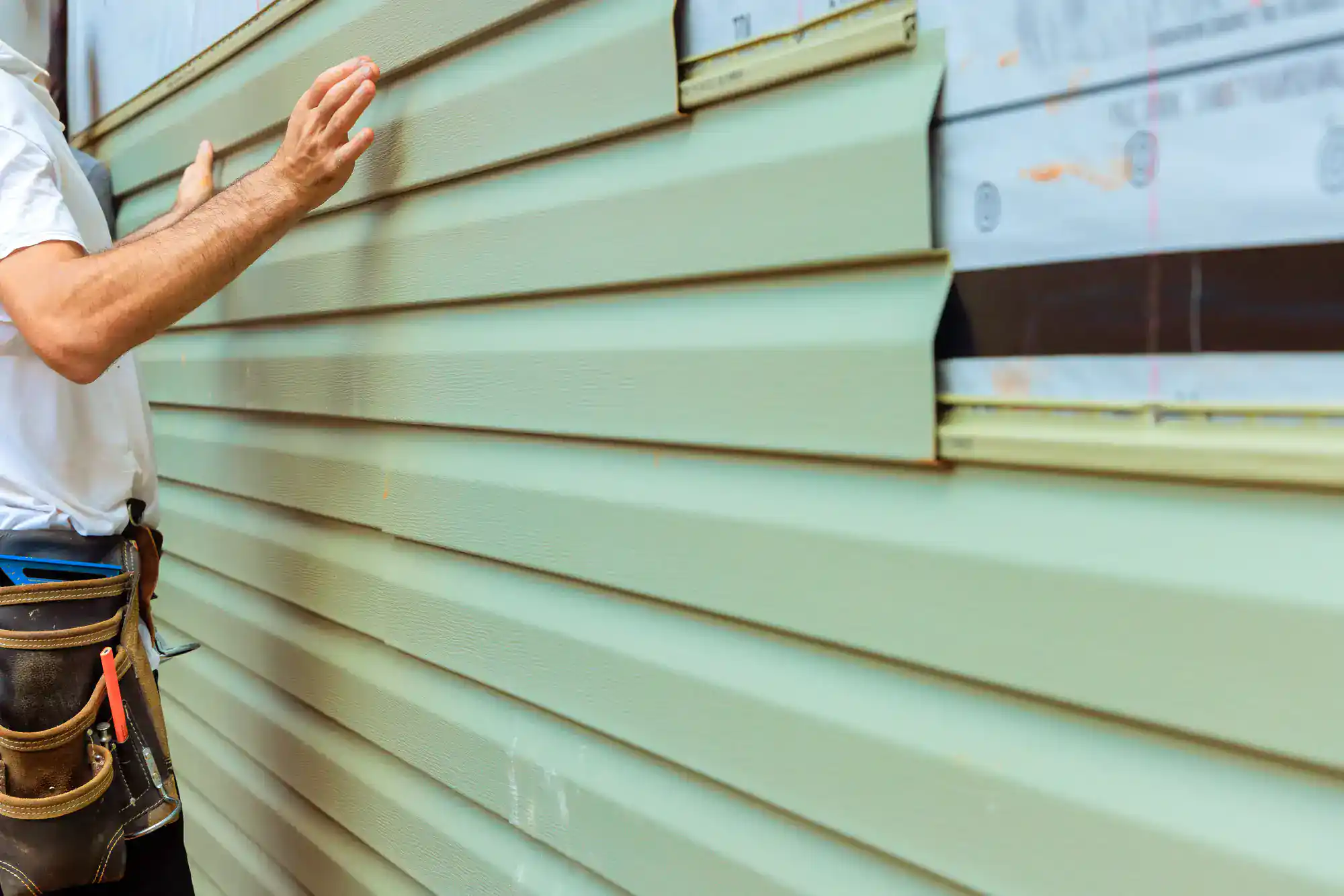
We start with an assessment of your current siding and what’s happening underneath. Most failures start with moisture that got past the original installation. We need to see what we’re working with before recommending materials.
Once you approve the scope, we handle all permit applications with Suffolk County. You don’t chase paperwork or wait on approvals. We know exactly what’s required and how to move things through efficiently.
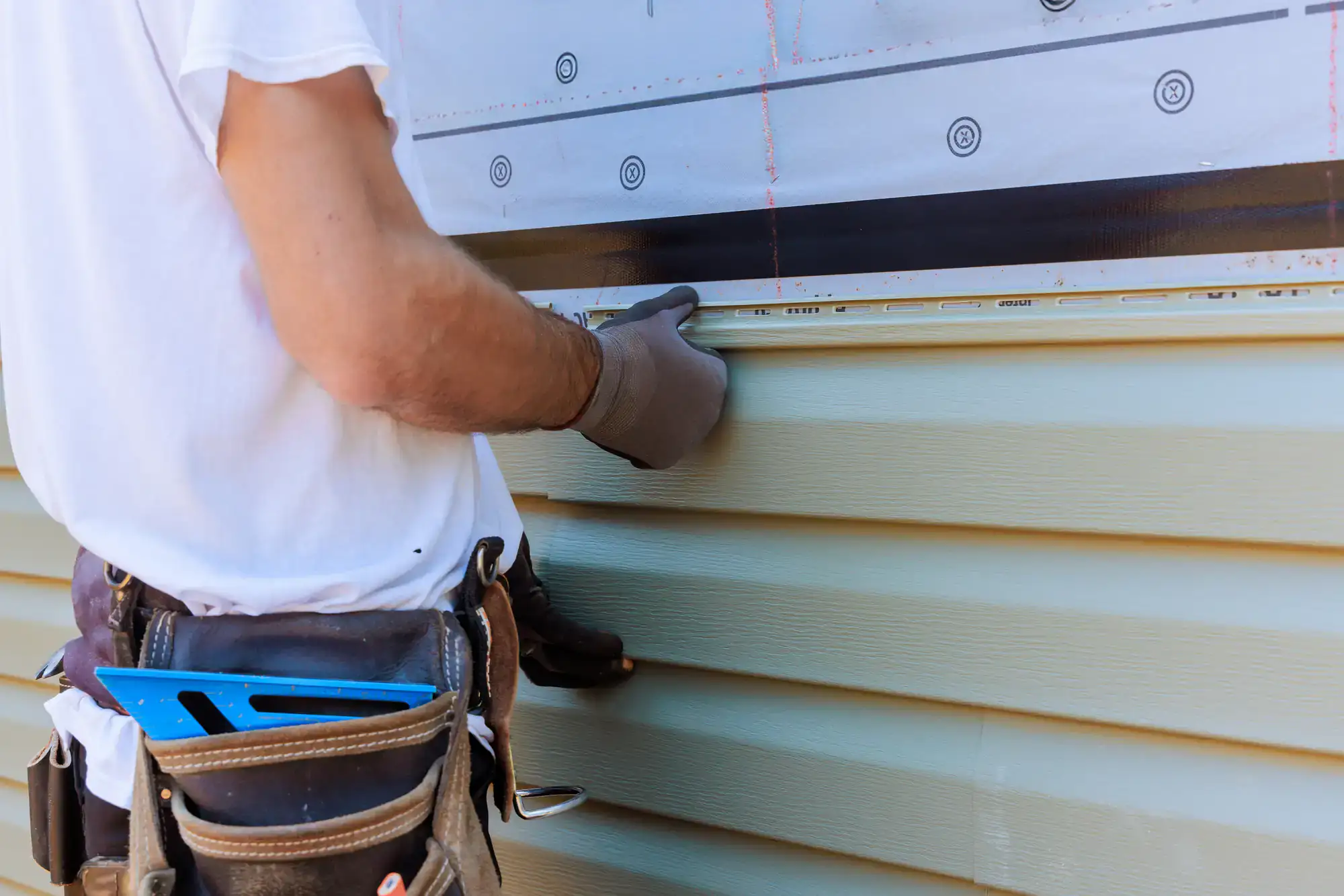
Installation begins with proper prep work. Old siding comes off carefully to avoid damaging sheathing. We inspect for any moisture damage or structural issues that need addressing before new material goes up. Then we install moisture barriers, flashing, and the siding itself using marine-grade fasteners and coastal-specific techniques.
Every panel gets checked for proper clearance and secure attachment. We’re not rushing to the next job. Final inspection happens with the county, and we walk you through maintenance recommendations based on your specific material choice.
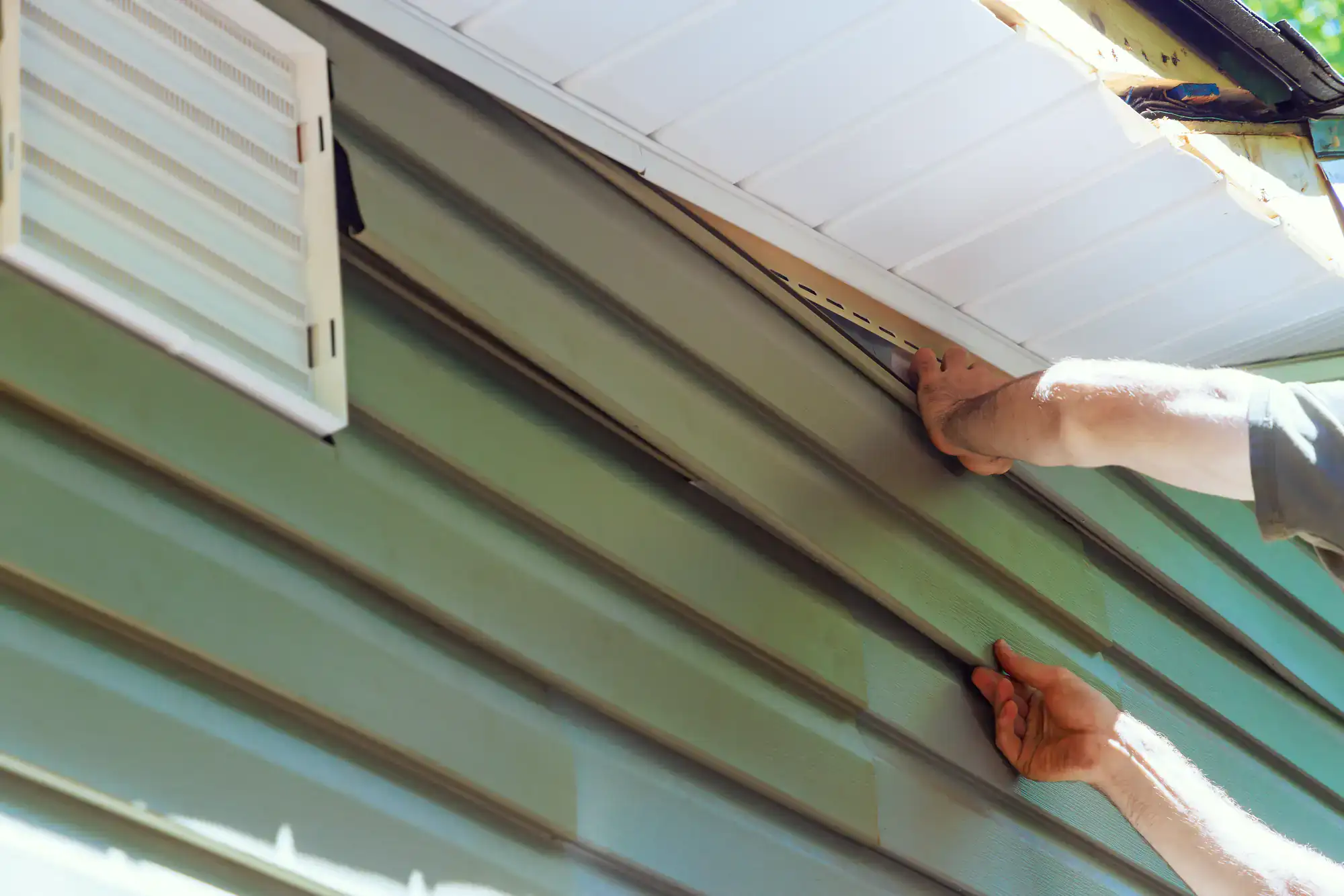
Ready to get started?
You’re getting materials selected specifically for Bridgehampton’s coastal environment. Fiber cement performs well here because it handles salt air and wind-driven rain without the maintenance headaches of wood. Cedar is an option if you want the authentic Hamptons aesthetic, but it requires commitment to maintenance. Vinyl works in some applications but not all, especially on waterfront properties.
Installation includes proper moisture barriers, not just house wrap stapled up quickly. We use ice and water shield in vulnerable areas and ensure every seam is sealed correctly. Flashing goes around windows, doors, and any penetrations to keep water out.
Fasteners are stainless steel or hot-dipped galvanized. Standard fasteners rust out in salt air within a few years, leaving streaks and compromising the installation. We’ve seen it too many times to cut that corner.
You also get proper clearances from grade, rooflines, and trim. Siding needs room to expand and contract with temperature and humidity swings. Too tight and it buckles. Too loose and you get water intrusion. We handle Suffolk County inspections and provide documentation of both manufacturer and workmanship warranties.
It depends entirely on material choice and installation quality. Fiber cement siding properly installed with marine-grade fasteners typically gives you 50 to 75 years of performance in coastal areas. Cedar can last 30 to 40 years if you stay on top of maintenance, but most homeowners underestimate what that maintenance actually involves.
Vinyl has a shorter lifespan near the water. Salt air and UV exposure cause brittleness and fading faster than inland installations. You’re looking at 15 to 25 years in the best cases, often less on direct waterfront properties.
The bigger factor is installation. We’ve seen fiber cement fail in under 10 years because contractors used standard fasteners that rusted out or didn’t install proper moisture barriers. The material was fine. The installation killed it. Coastal conditions expose every shortcut immediately.
Salt air changes everything. It corrodes standard fasteners, penetrates porous materials, and accelerates aging of anything not designed for marine environments. Humidity levels swing dramatically between summer and winter, causing expansion and contraction that inland areas don’t experience as severely.
Wind-driven rain is another factor. A nor’easter doesn’t just blow rain at your house. It drives it horizontally into every gap and seam with enough force to find weaknesses in the installation. Proper flashing and moisture barriers aren’t optional here.
You also have flood risk to consider. Nineteen percent of Bridgehampton properties face severe flooding risk over the next 30 years. That affects material choices at lower elevations and requires specific installation techniques to handle water exposure. Suffolk County has requirements for coastal installations that don’t apply inland, and inspectors know what to look for.
Fiber cement typically runs $8 to $12 per square foot installed in this area. Cedar siding costs more, usually $8 to $17 per square foot depending on grade and profile. Vinyl is cheaper upfront at $3 to $7 per square foot, but factor in shorter lifespan and more frequent replacement.
Those numbers include proper installation with marine-grade fasteners, moisture barriers, flashing, and Suffolk County permits. If someone quotes significantly lower, ask what they’re cutting. Usually it’s fastener quality, moisture protection, or experience with coastal installations.
Most Bridgehampton homes need $25,000 to $60,000 for complete siding replacement depending on size and material choice. Waterfront properties often run higher because of additional prep work and stricter installation requirements. Industry data shows you’ll recoup 70 to 80 percent of that cost at resale, with cedar and fiber cement returning the most in this market.
Yes, if your current siding has air leaks. Older installations develop gaps, cracks, and warping that let conditioned air escape. Your HVAC system runs constantly trying to maintain temperature, and you’re paying for air that’s leaking outside.
Properly installed siding with quality moisture barriers typically reduces energy expenses by 15 to 20 percent annually. That’s not a sales pitch. That’s what happens when you eliminate air infiltration and add a proper thermal barrier to your exterior walls.
The bigger benefit is comfort. Rooms that were always drafty stop being drafty. Temperature stays more consistent throughout the house. You’re not constantly adjusting the thermostat or dealing with cold spots near exterior walls. In homes the size of most Bridgehampton properties, that difference is noticeable immediately and adds up significantly over time.
Absolutely. Standard galvanized fasteners rust out in salt air within a few years. You’ll see rust streaks running down your siding, and the fasteners lose holding power as corrosion eats through them. Eventually panels come loose, especially during high winds.
Stainless steel or hot-dipped galvanized fasteners are non-negotiable for coastal installations. They cost more upfront, but they don’t corrode in salt air. We’ve pulled off siding where contractors used standard fasteners, and the damage is obvious. Rust everywhere, loose panels, and moisture intrusion behind the siding because fasteners failed.
This isn’t an area to save money. The fasteners represent a small percentage of total project cost, but they determine whether your installation lasts decades or needs repairs in five years. Any exterior siding contractor working in Bridgehampton should know this without you having to ask.
Look for visible cracks, warping, or loose panels. Those are obvious signs. Less obvious is fading that’s significantly worse on sun-exposed sides or soft spots when you press on the siding. Both indicate the material is breaking down.
Check inside for water stains on walls or ceilings near exterior walls. That usually means moisture is getting past the siding. Also watch your energy bills. If they’ve crept up without explanation, air leaks through failing siding are a common cause.
Most siding in coastal areas needs replacement every 20 to 30 years depending on material and maintenance. If yours is approaching that age and showing any of these signs, you’re better off replacing it before you have structural damage from moisture intrusion. Water damage behind siding costs significantly more to fix than proactive replacement.
Other Services we provide in Bridgehampton