
Hear from Our Customers
When vinyl siding is installed correctly, you stop worrying about storm damage every time the forecast turns bad. The material flexes with wind instead of cracking, and it doesn’t rot when moisture gets trapped behind it.
You’re looking at 30-40 years of performance with zero repainting, zero staining, and zero wood rot. That’s not marketing talk—that’s what happens when the material is designed for coastal conditions and installed by people who know how it behaves in Long Island weather.
Insulated vinyl siding also cuts down on energy waste. Homes in Bridgehampton deal with temperature swings from the low 30s in winter to the mid-70s in summer, plus constant humidity. Poor insulation means your HVAC system works overtime. Proper siding installation tightens that up and keeps your utility bills from climbing every season.
SkyLuxe Construction is a family-run operation that’s been handling exterior renovations across Suffolk County for years. We’re not a national franchise that parachutes in for a job and disappears. We’re local, licensed, insured, and we know exactly what Bridgehampton homes are up against.
Coastal siding isn’t the same as inland work. Salt air corrodes fasteners if you use the wrong ones. Wind-driven rain finds every gap if the installation isn’t tight. We’ve seen what happens when corners get cut, and we’ve fixed plenty of those jobs.
Every project gets personal oversight because our name is attached to it. You’re not handed off to a subcontractor who’s never worked in this climate. You get a team that understands how vinyl siding performs in Bridgehampton’s conditions and installs it accordingly.
We start with an on-site assessment of your current siding and the structure underneath. That means checking for moisture damage, rot, or structural issues that need addressing before new siding goes up. Skipping this step is how problems get buried under new material.
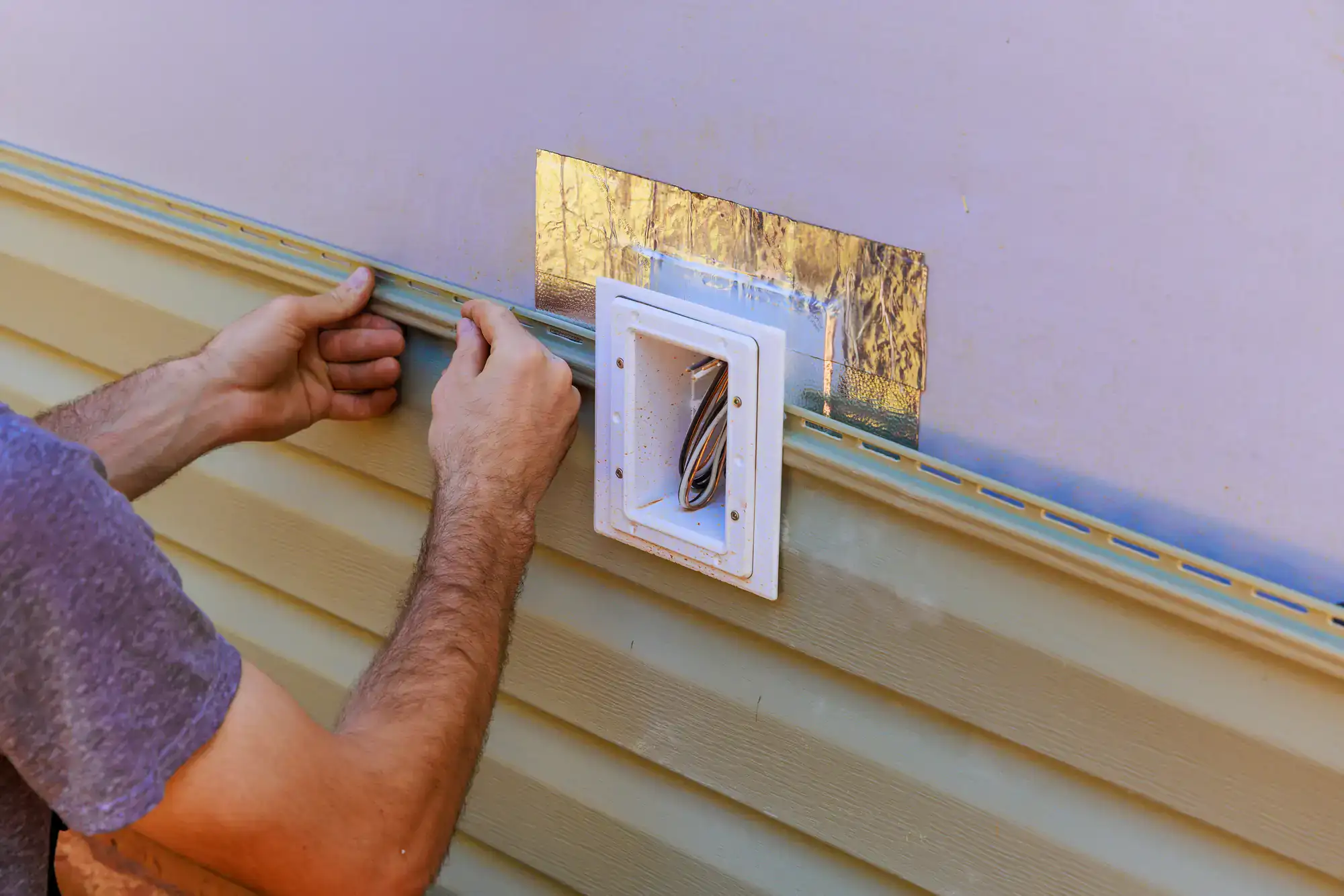
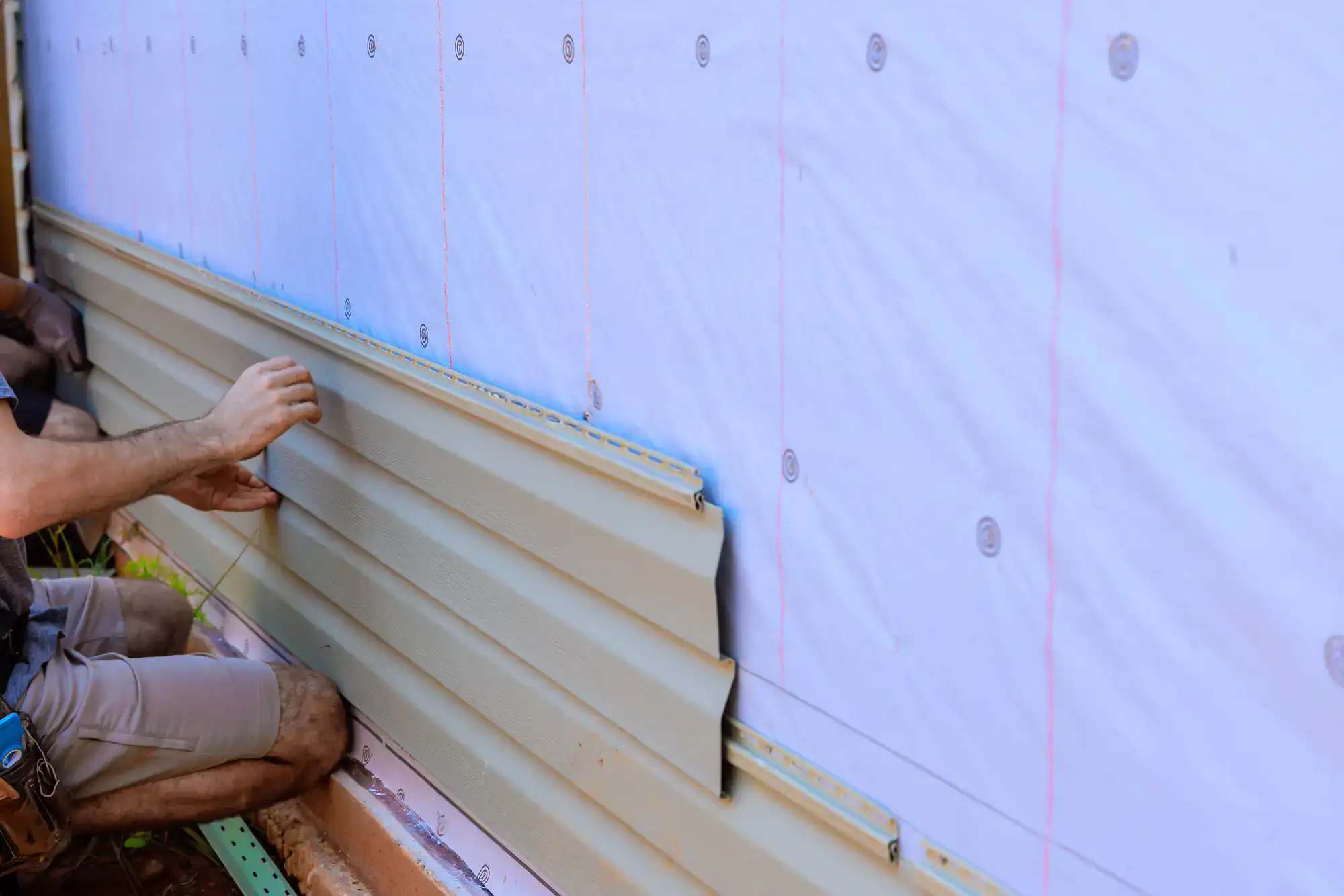
Next, we remove the old siding and inspect the sheathing and framing. If there’s damage, we fix it. Then we install a weather-resistant barrier and ensure proper flashing around windows, doors, and trim. This is where most water intrusion problems start, so we don’t rush it.
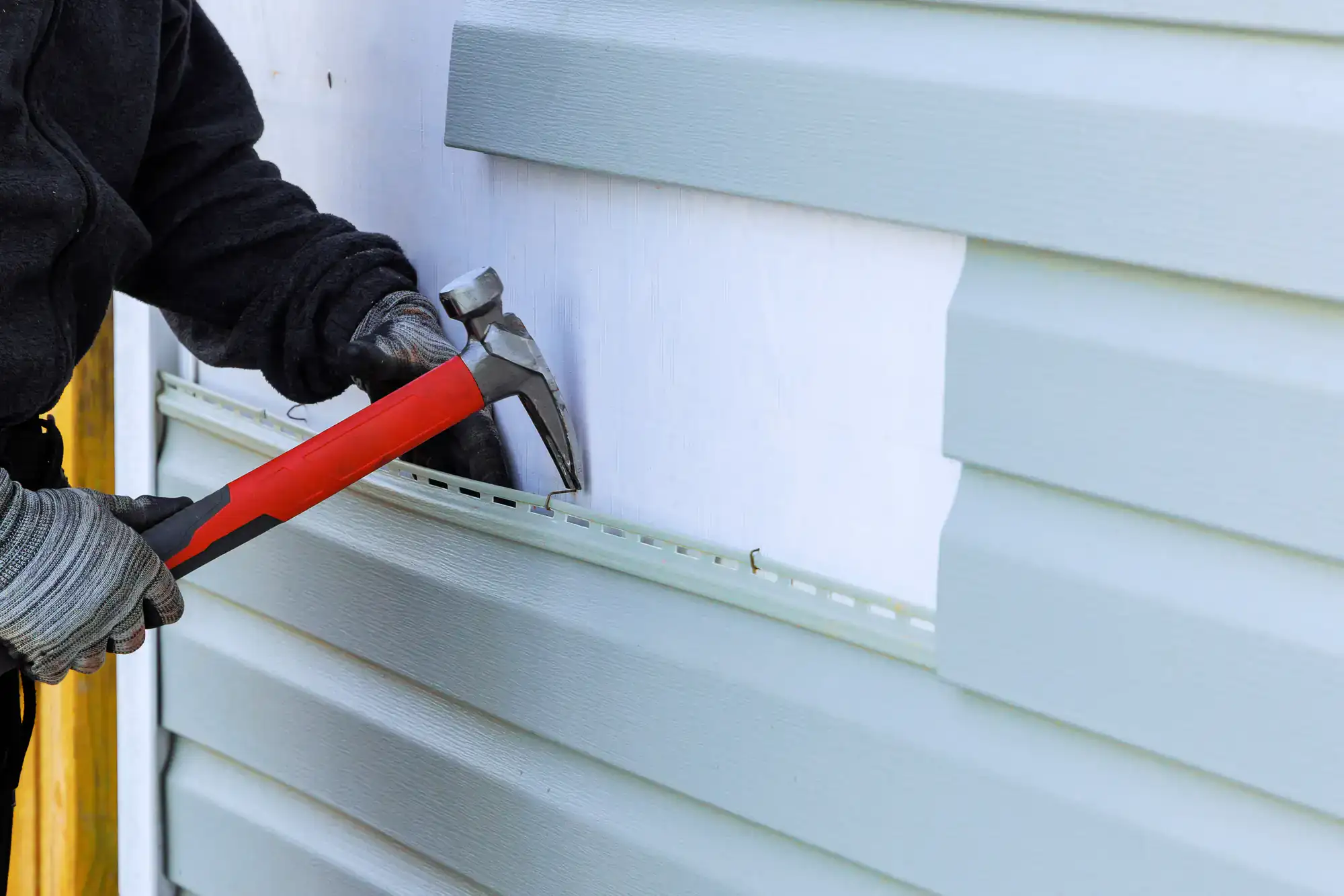
The vinyl siding goes up with corrosion-resistant fasteners, proper spacing for expansion and contraction, and correct overlap at seams. Every panel needs room to move with temperature changes—coastal homes see bigger swings than inland properties. Lock it down too tight and it buckles. Leave it too loose and wind gets behind it.
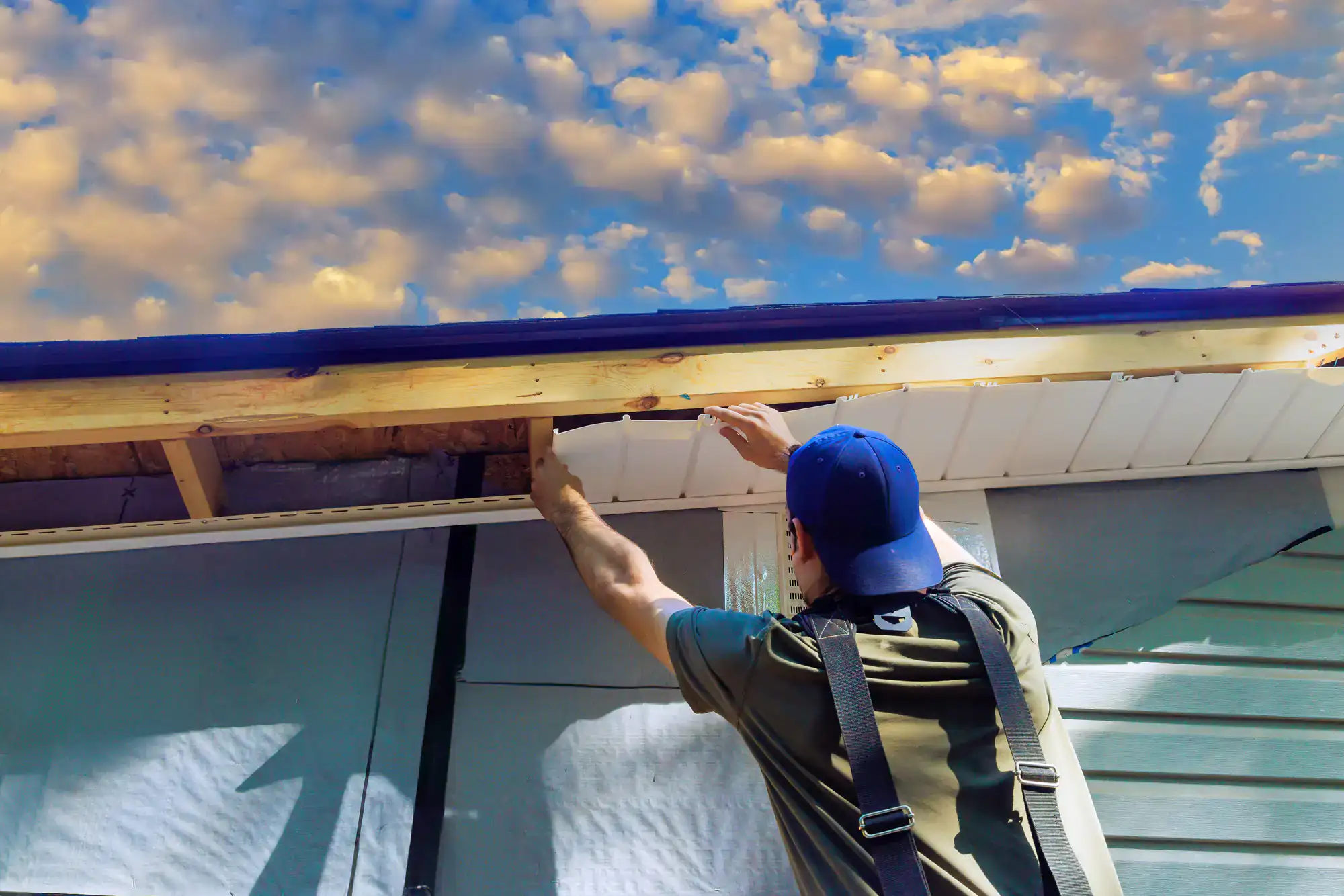
Final step is trim work, caulking, and a full walkthrough to make sure everything is sealed, aligned, and ready for whatever weather comes next.
Ready to get started?
You’re getting vinyl siding installation in Bridgehampton that’s spec’d for coastal exposure. That means UV-resistant colorants that don’t fade in direct sun, impact-resistant profiles that handle debris during storms, and a material that won’t corrode in salt air.
Bridgehampton sits in a flood risk zone—19% of properties face flooding risk over the next 30 years. Every home here also deals with severe wind events, and hurricane gusts can hit 145 mph or higher. Your siding needs to be installed with that reality in mind, not just nailed up and called done.
We’re also talking about energy efficiency. Insulated vinyl siding adds R-value to your exterior walls, which reduces thermal bridging and keeps conditioned air inside. In Suffolk County’s climate, that translates to lower heating bills in winter and less strain on your AC in summer. The ROI on vinyl siding replacement typically hits 74-80%, and many Long Island homes see resale value increases of $15,000-$30,000 after installation.
You’re also getting a material that requires no maintenance. No scraping, no painting, no staining every few years like you’d deal with on cedar or wood siding. Vinyl performs for decades without that ongoing cost and hassle.
Vinyl siding lasts 30 to 40 years when it’s installed correctly and built for coastal conditions. The material itself is resistant to salt air, moisture, and UV exposure, which are the main factors that degrade exterior materials in Bridgehampton.
The key is proper installation. If the siding is fastened too tightly, it can’t expand and contract with temperature changes, which leads to buckling and cracking. If it’s installed without proper flashing and weather barriers, moisture gets behind it and damages the sheathing. Both of those mistakes shorten the lifespan significantly.
Quality vinyl siding also includes UV inhibitors and advanced colorants that prevent fading. Cheaper products lose color within 10-15 years, especially on south-facing walls that get direct sun. The siding we install is designed to hold its appearance for the full lifespan of the material, even in Long Island’s coastal sun exposure.
Vinyl siding installation in Bridgehampton typically runs $10,000 to $24,000+ for a standard three-bedroom home, depending on the size of the house, the condition of the existing structure, and the specific product you choose. That breaks down to roughly $5 to $9 per square foot, making vinyl the most cost-effective siding option that still delivers long-term performance.
If we find structural damage during the tear-off—rotted sheathing, compromised framing, or water damage—that adds to the cost because it has to be fixed before new siding goes up. Skipping those repairs just buries the problem and leads to bigger issues down the road.
Insulated vinyl siding costs more upfront but improves energy efficiency and adds R-value to your walls. For homes in Bridgehampton that deal with temperature swings and high humidity, that upgrade often pays for itself in lower utility bills over time. The ROI on vinyl siding replacement is around 80%, which is one of the highest returns you’ll see on exterior home improvements.
Yes, but only if it’s installed correctly and rated for high-wind conditions. Vinyl siding is designed to flex with wind pressure rather than crack or shatter like rigid materials. That flexibility is an advantage during nor’easters and hurricanes, which Bridgehampton sees regularly.
The installation matters more than the material itself. Fasteners need to be corrosion-resistant and spaced correctly. Each panel has to be locked into place without being over-tightened, so it can move with wind gusts instead of pulling away from the wall. Flashing around windows, doors, and corners has to be sealed properly, or wind-driven rain gets behind the siding and causes water damage.
Bridgehampton faces severe wind events with gusts up to 145 mph, and that number is projected to increase to 166 mph over the next 30 years. Vinyl siding that’s installed to manufacturer specs and local building codes can handle those conditions. Siding that’s rushed or installed by crews without coastal experience won’t hold up the same way.
Yes, especially insulated vinyl siding. Standard vinyl siding provides some thermal resistance, but insulated vinyl adds a foam backing that increases the R-value of your exterior walls. That reduces heat loss in winter and keeps cool air inside during summer, which lowers your energy bills year-round.
Long Island’s climate includes cold winters with temps in the low 30s and humid summers in the mid-70s. Homes with old or poorly insulated siding lose a lot of conditioned air through the walls, which forces your HVAC system to work harder. Insulated vinyl siding tightens up those thermal leaks and makes your home more comfortable without cranking the thermostat.
The energy savings add up over time. Most homeowners in Suffolk County see noticeable reductions in heating and cooling costs after vinyl siding installation, especially if the previous siding was damaged, cracked, or poorly insulated. That ongoing savings is part of why vinyl siding has such a strong ROI compared to other exterior upgrades.
Vinyl siding is one of the best materials for coastal environments because it doesn’t corrode, rot, or absorb moisture. Salt air destroys metal fasteners and eats through paint on wood siding, but vinyl is chemically inert. It doesn’t react to salt, and it doesn’t provide a surface for mold or mildew to take hold.
That said, the installation still has to be done right. If moisture gets trapped behind the siding because of poor flashing or missing weather barriers, it damages the sheathing and framing—not the vinyl itself. That’s why proper installation includes a weather-resistant barrier, correctly installed flashing, and ventilation that allows any moisture to escape.
Bridgehampton’s coastal location means your home is constantly exposed to salt air, humidity, and temperature swings. Vinyl siding handles all of that without the maintenance burden you’d get with wood, cedar, or fiber cement. You’re not repainting every few years or dealing with rot and corrosion. The material just performs.
Vinyl siding requires almost no maintenance. You’re not repainting, restaining, or sealing it like you would with wood or cedar siding. The color is baked into the material, so it doesn’t chip or peel. Most homeowners just rinse it down once or twice a year to remove dirt, pollen, and salt buildup.
If you want to deep clean it, a garden hose and a soft brush with mild detergent will handle it. Avoid pressure washing at high settings—it can force water behind the siding or damage the surface. Low-pressure rinsing is fine and usually all you need.
The only real maintenance is checking for damage after major storms. High winds can dislodge panels if debris hits them, and it’s worth doing a visual inspection after hurricanes or nor’easters. If a panel gets damaged, it can be replaced individually without tearing off the entire wall. That’s one of the advantages of vinyl—repairs are straightforward and inexpensive compared to other siding materials.
Other Services we provide in Bridgehampton