
Hear from Our Customers
You’re looking at your siding and wondering if it’s time. Maybe you’ve noticed water stains inside, or your energy bills keep climbing. Maybe the last storm left you nervous about what’s hiding under those panels.
Here’s what happens when you get this right. Your heating and cooling costs drop because modern insulated siding actually works—thermal backing keeps heat where it belongs. You stop worrying every time the forecast shows wind or rain because your exterior is sealed properly, installed by people who’ve seen what Suffolk County weather does when corners get cut.
And if you’re thinking about selling? Siding ranks in the top three home upgrades for return on investment in this market. Buyers here know what coastal weather demands. They’re looking for homes that won’t nickel-and-dime them the moment they move in.
SkyLuxe Construction isn’t new to Middle Island. We’ve been installing and repairing siding across Suffolk County for over 35 years—more than 2,000 exterior projects that have held up through Hurricane Sandy, countless nor’easters, and everything between.
We’re a family business, which means you’re not getting random subcontractors. You’re getting people who’ve spent decades learning what works in this specific climate. We stock materials chosen for Long Island conditions—wind-resistant, moisture-sealed, built to handle the salt air that eats through cheaper installations in five years instead of twenty.
You’re not our marketing opportunity. You’re our neighbor. And we’ll still be here when you need us in ten years.
First, we come out and look at what you’re dealing with. Not a sales pitch—an actual assessment. We check for hidden moisture damage, look at how your current siding is failing, and talk through what makes sense for your home and budget.
Once you’re ready to move forward, we handle the permits and prep work. Old siding comes off carefully because we’re checking the sheathing underneath—that’s where water damage hides. If we find rot or structural issues, you’ll know before we go further. No surprises halfway through.
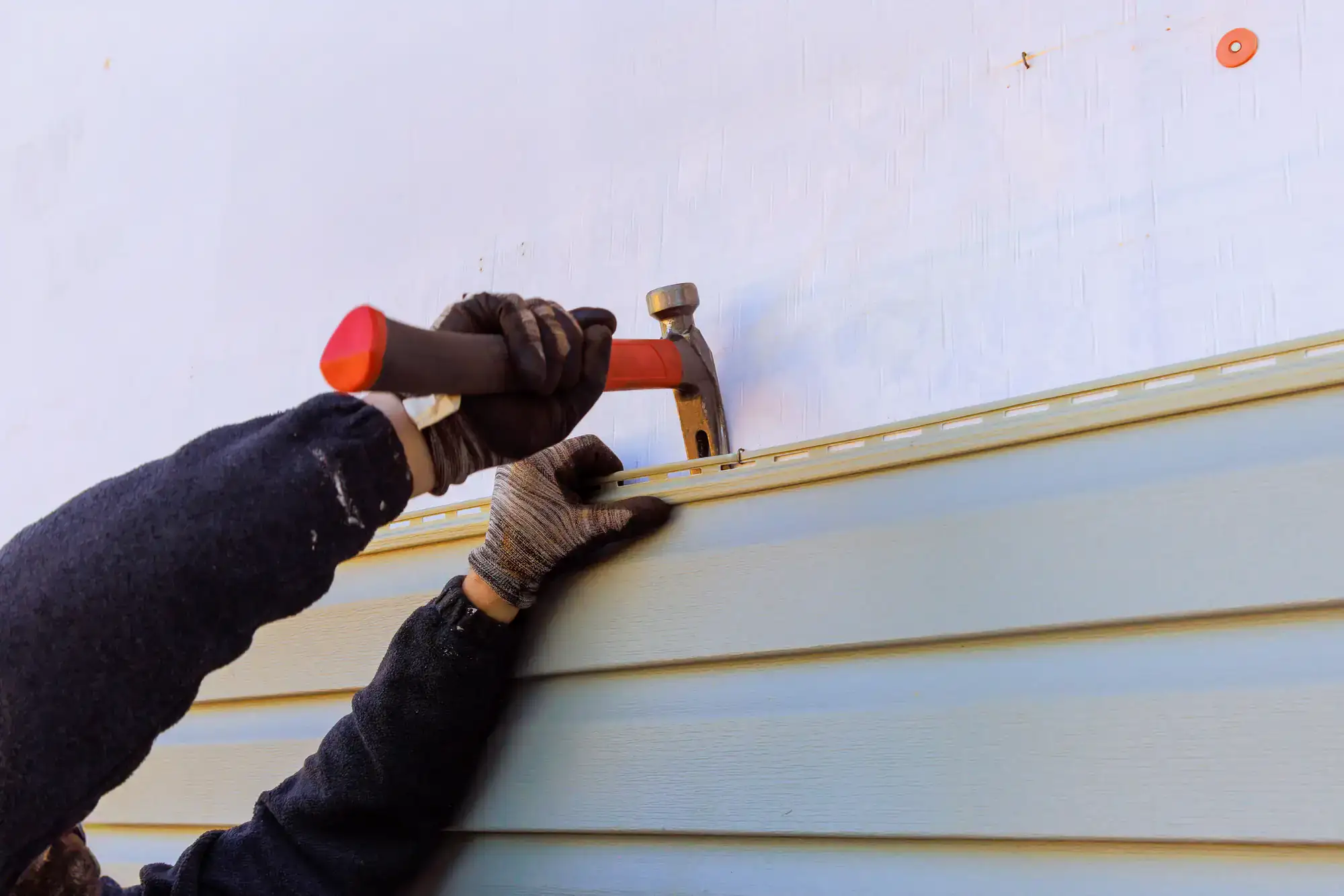
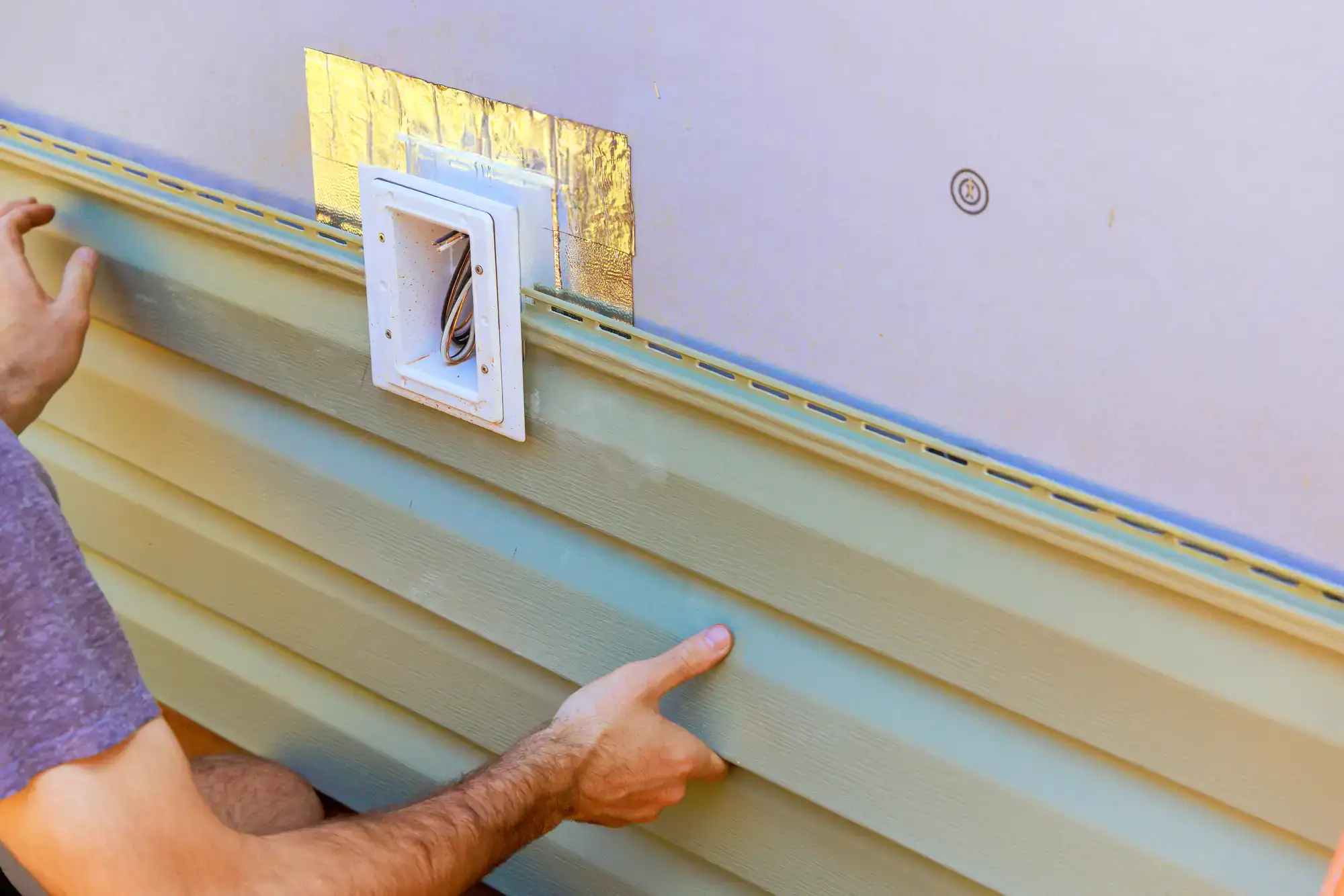
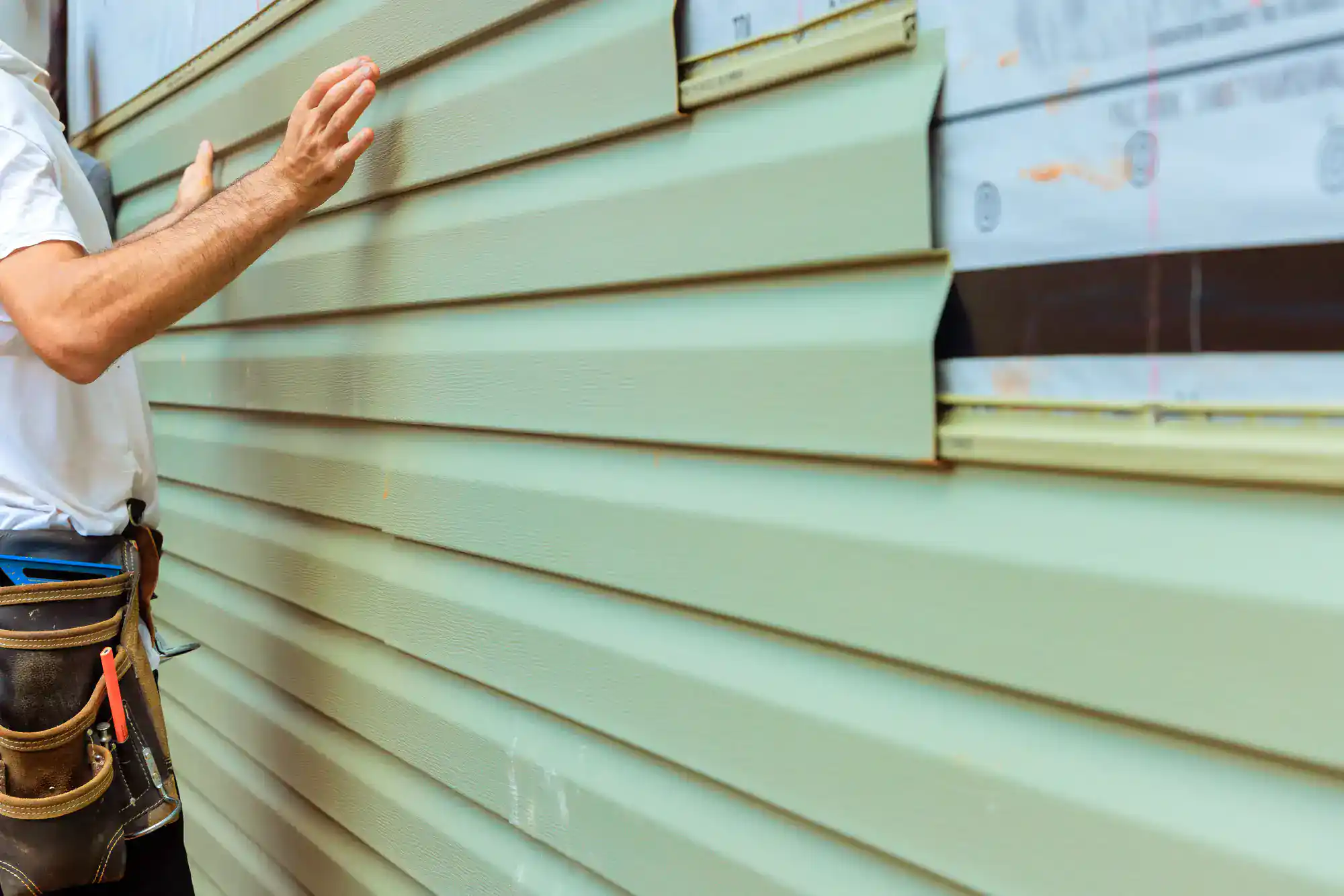
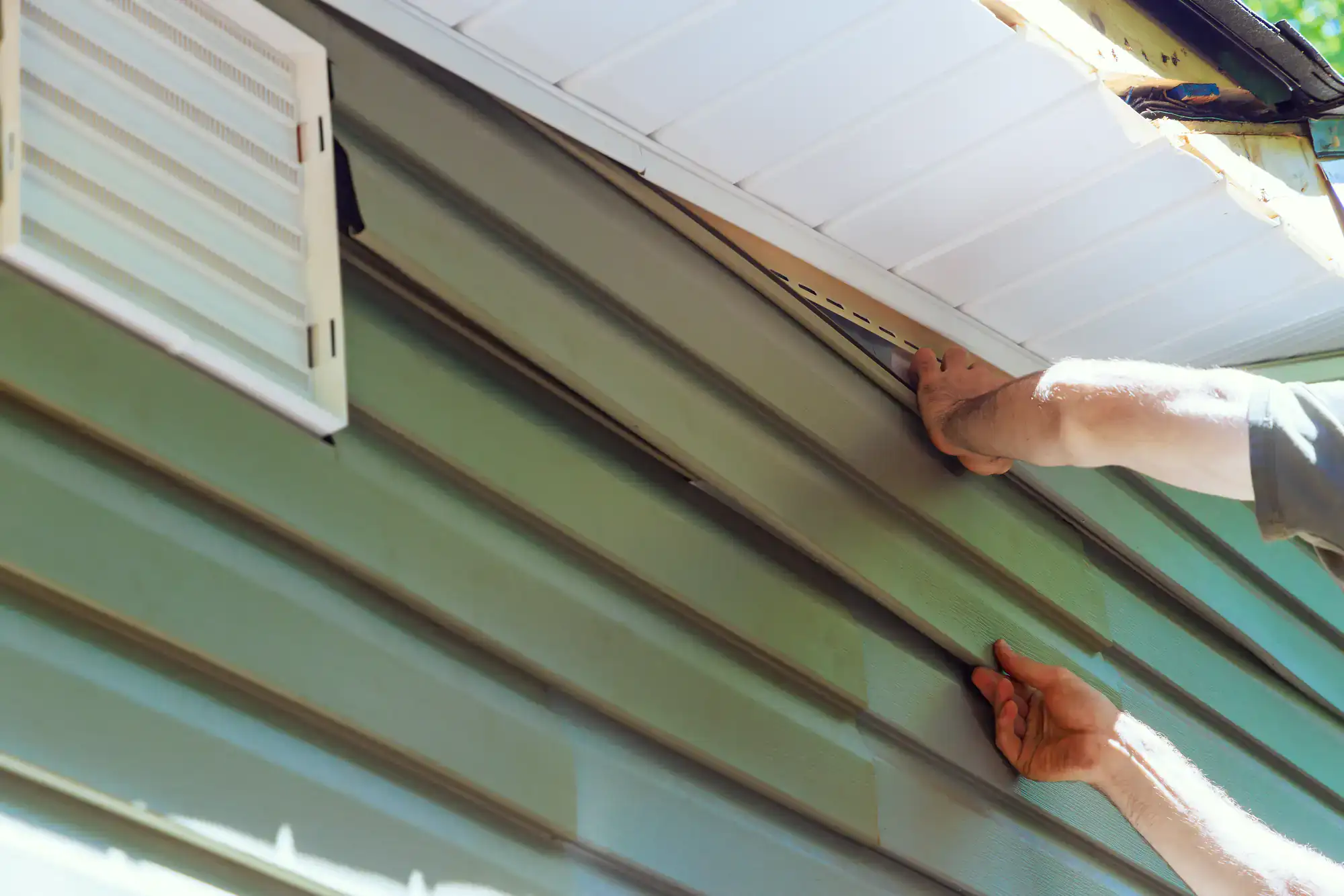
Installation happens in sections. We’re sealing every seam, overlapping correctly, leaving proper expansion gaps so your siding can move with temperature changes without buckling. The details matter here—one poorly installed panel can let water behind the whole system.
Cleanup is part of the job. We’re not leaving you with a dumpster in your driveway for three weeks. When we’re done, your property looks like we were never there—except for the new siding that actually works.
Ready to get started?
You’re getting materials that match Middle Island’s climate reality. Vinyl siding with thicker panels and realistic texture that won’t crack in cold snaps. Fiber cement options if you want maximum durability against fire, insects, and moisture—the kind of protection that makes insurance companies happy.
We’re installing with proper moisture barriers and ventilation. That’s what keeps your walls dry and your insulation working. It’s also what prevents the mold issues that show up three years later when someone cut corners you couldn’t see.
Color options matter here too. Coastal living trends are running toward soft grays, ocean blues, and warm whites—colors that complement the Long Island aesthetic without looking dated in five years. If you want bolder contrast, charcoal and deep navy are holding value well in the current market.
And you’re getting a warranty that means something. If our work fails, we come back and fix it. No charge. That’s in writing. Plus manufacturer coverage on material defects, because we only install products we’d use on our own homes.
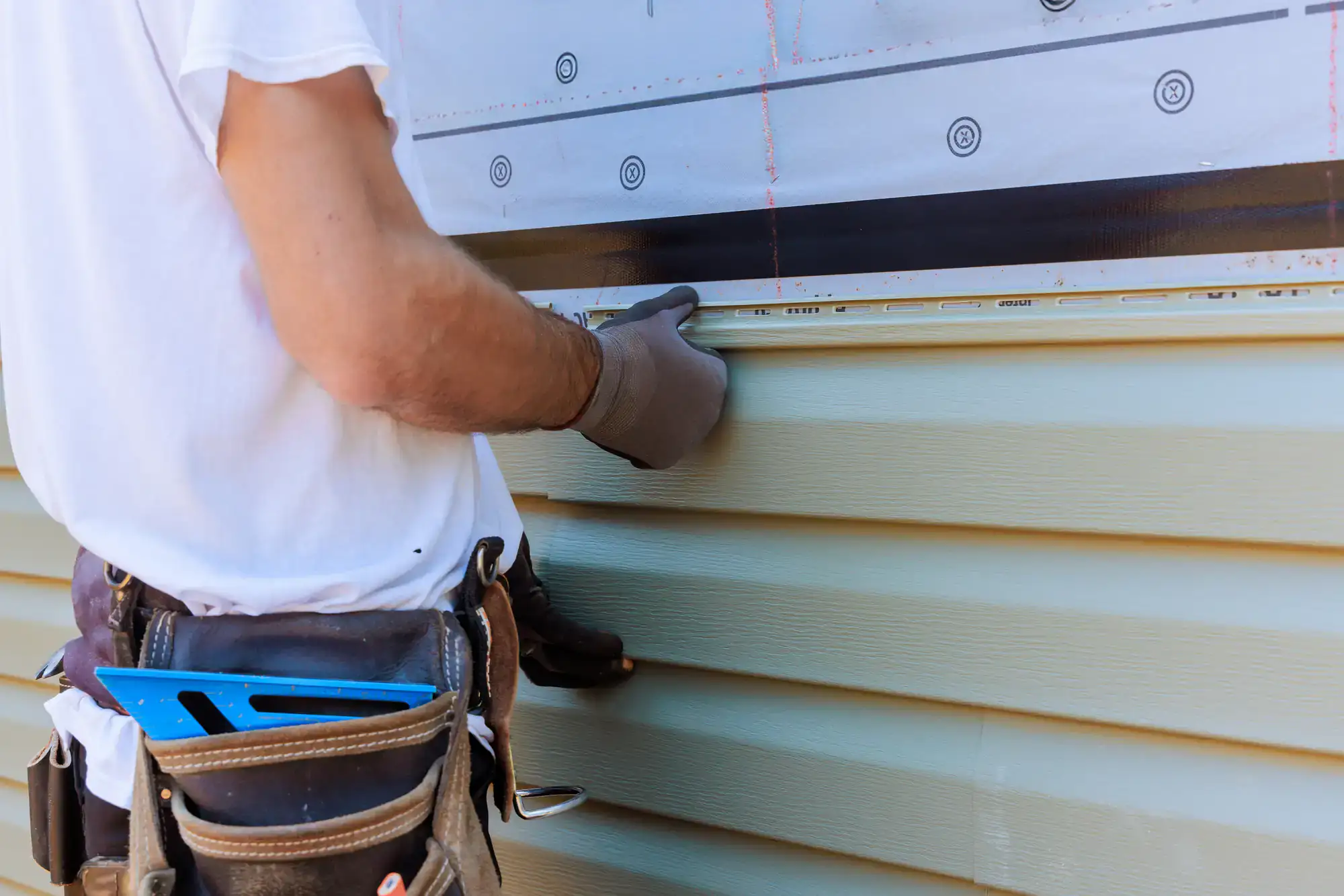
Most residential siding installations in Middle Island take between one and two weeks, depending on your home’s size and complexity. A straightforward ranch might be done in five to seven days. A two-story colonial with multiple angles and trim details could push closer to two weeks.
Weather plays a role here—we’re not installing in heavy rain or high winds because moisture and proper sealing don’t mix. Suffolk County weather can be unpredictable, so we build a little buffer into the timeline rather than rushing through conditions that compromise the installation.
You’ll have access to your home the entire time. We work outside, and we’re not blocking your doors or making your house unlivable. Most homeowners keep their normal routine going while we’re working.
Fiber cement and high-grade vinyl both perform well in Middle Island’s coastal climate, but they solve different problems. Fiber cement is the most durable option—it resists moisture, won’t rot, handles fire better than any other material, and insects can’t damage it. It’s heavier and costs more upfront, but it’s the longest-lasting choice for Suffolk County conditions.
Modern vinyl siding has come a long way. Thicker panels with proper backing resist wind damage and temperature swings much better than the thin vinyl from twenty years ago. It’s lower maintenance, costs less, and if installed correctly with quality materials, it’ll give you twenty-plus years of protection.
What matters most is the installation quality. We’ve seen expensive fiber cement fail because it wasn’t sealed properly, and we’ve seen vinyl installations from the 90s still holding strong because someone did it right the first time. The material matters, but the installation matters more.
Yes, but the amount depends on what you’re replacing and what you’re installing. If your current siding has gaps, missing insulation, or moisture infiltration, you’re losing conditioned air every single day. New siding with insulated backing and proper sealing typically cuts heating and cooling costs by 15-25% for most Middle Island homes.
Insulated vinyl siding includes foam backing that adds an R-value of 2 to 4, which doesn’t sound like much but makes a noticeable difference on your energy bills over a year. Fiber cement with proper house wrap and insulation underneath performs even better.
The bigger savings come from air sealing. When we install new siding correctly, we’re eliminating the drafts and moisture pathways that force your HVAC system to work overtime. That’s where you see the real difference—not just in your utility bills, but in how comfortable your home feels during summer heat and winter cold snaps.
If the damage covers more than 30-40% of your home’s exterior, replacement usually makes more financial sense than patching. You’re paying for labor and setup either way, and trying to match old, weathered siding with new materials rarely looks right—the color difference is obvious even when you use the “same” product.
Look for these signs that point toward full replacement: multiple areas with cracks or holes, visible warping or buckling, water stains on interior walls, peeling paint inside your home, or significantly higher energy bills. These indicate your siding system is failing, not just damaged in one spot.
Repairs work when you’ve got isolated damage from a specific event—a storm broke a few panels, or a tree branch punctured one section. If the rest of your siding is in good shape and relatively new, targeted repairs can buy you more years. But if your siding is over 20 years old and showing multiple problem areas, you’re better off replacing it now rather than paying for repairs that won’t solve the underlying deterioration.
Siding replacement typically returns 75-85% of its cost when you sell your home in the Middle Island market, making it one of the top three exterior upgrades for ROI on Long Island. That’s higher than most interior renovations because buyers here understand what coastal weather demands from a home’s exterior.
The return jumps higher if your current siding is visibly damaged or outdated. Homes with fresh, well-maintained siding sell faster and command better prices because buyers aren’t immediately calculating repair costs before they’ve even made an offer.
Beyond resale value, you’re getting immediate returns through lower energy bills, reduced maintenance costs, and elimination of ongoing repair expenses. If you’re planning to stay in your home for five-plus years, the energy savings alone can offset a significant portion of the installation cost. And you’re living in a more comfortable, better-protected home the entire time—that’s value that doesn’t show up on a spreadsheet but matters every day.
Yes, most siding replacement projects in Middle Island require a building permit from the Town of Brookhaven. The permit ensures the work meets local building codes, which exist specifically to protect your home from the weather conditions we deal with in Suffolk County.
We handle the permit process as part of our service. It’s not complicated, but it does require specific documentation about materials, installation methods, and contractor licensing. The town wants to verify that whoever’s doing the work knows what they’re doing and is using materials rated for Long Island’s coastal climate.
Some homeowners worry that permits mean delays or extra costs. In reality, permitted work protects you. It means inspections happen to verify the installation is done correctly. It creates a paper trail that helps with insurance claims and home sales. And it ensures you’re not dealing with code violations down the road when you try to sell or refinance. We build permit time into our project timeline, so it doesn’t slow down your installation—it’s just part of doing the job right.
Other Services we provide in Middle Island