
Hear from Our Customers
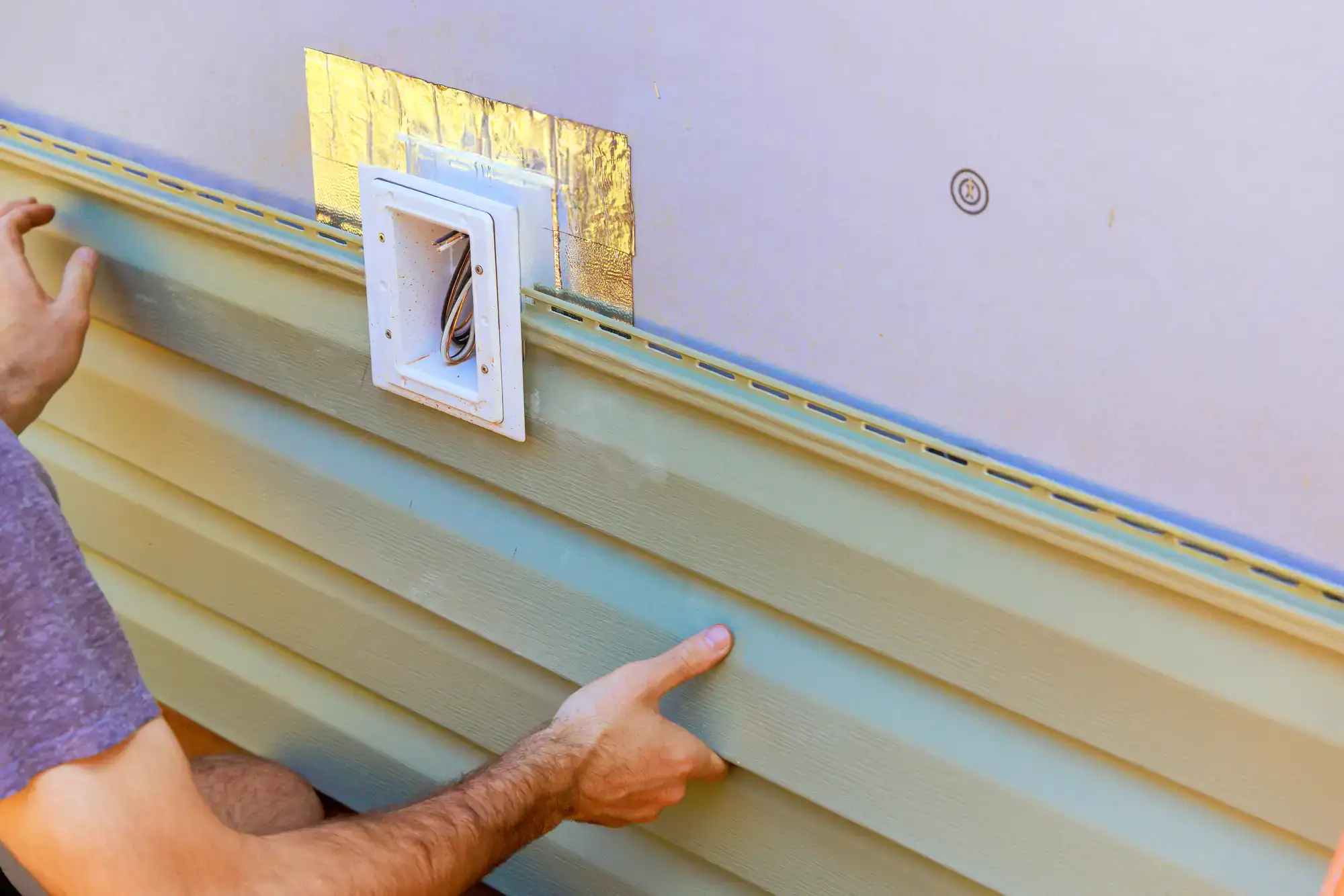
You’re heating and cooling the outdoors. Old or poorly installed siding lets conditioned air escape while moisture sneaks in, driving up your utility bills and quietly damaging what’s behind your walls.
New siding installation in Water Mill, NY cuts that energy loss. Insulated siding systems can improve your home’s R-value from 0.61 to 3.0, which translates to noticeably lower bills. You’ll feel the difference in comfort, too—fewer drafts, more consistent temperatures, and less strain on your HVAC system.
Beyond energy savings, you’re protecting your investment. Water Mill homes sit in one of Suffolk County’s most expensive real estate markets. Proper exterior siding keeps moisture out, prevents rot, and maintains the curb appeal that buyers in this area expect. Homes with new siding sell 15% faster and can recoup up to 80% of the project cost at resale.
SkyLuxe Construction Inc is a family-run company with over 35 years serving Suffolk County homeowners. We’ve completed more than 2,000 exterior projects across Long Island, so we know exactly what coastal homes in Water Mill need.
We’re not a crew that shows up, slaps on siding, and disappears. Every job gets family oversight, not random subcontractors. We use materials rated for coastal conditions and install them the right way—the kind of work that holds up when the next big storm rolls through.
Water Mill’s climate is tough on exteriors. Salt air accelerates wear. Freeze-thaw cycles crack weak materials. We’ve seen what fails here, and we don’t use it.
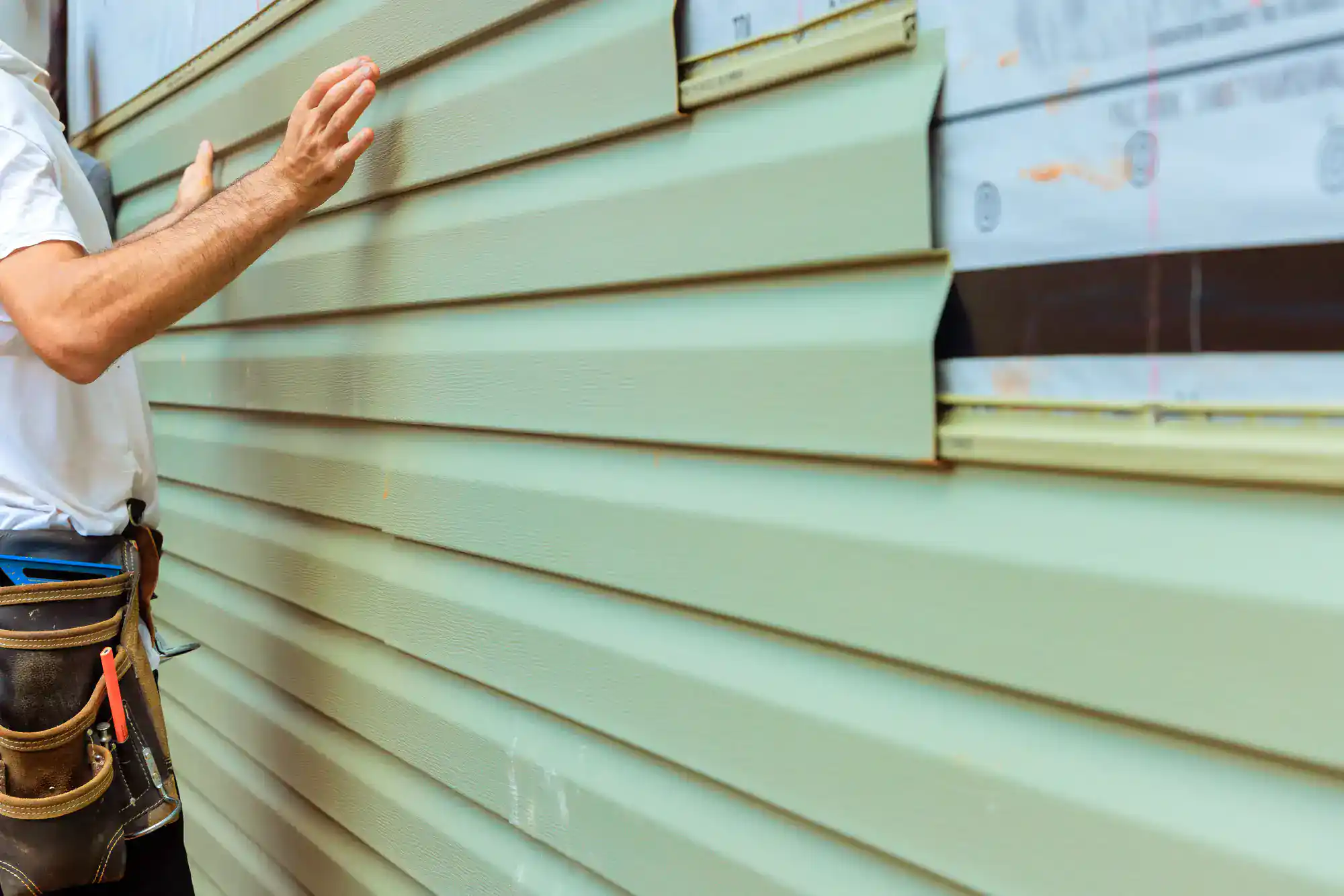
We start with a free inspection at your Water Mill property. We’re looking at the current condition of your siding, checking for hidden moisture damage, and identifying any structural issues that need addressing before new material goes up.
Once we know what we’re working with, you get a detailed estimate. No surprises, no upselling. We walk you through material options—vinyl, fiber cement, insulated—and explain what makes sense for your home’s exposure to wind, salt, and moisture.
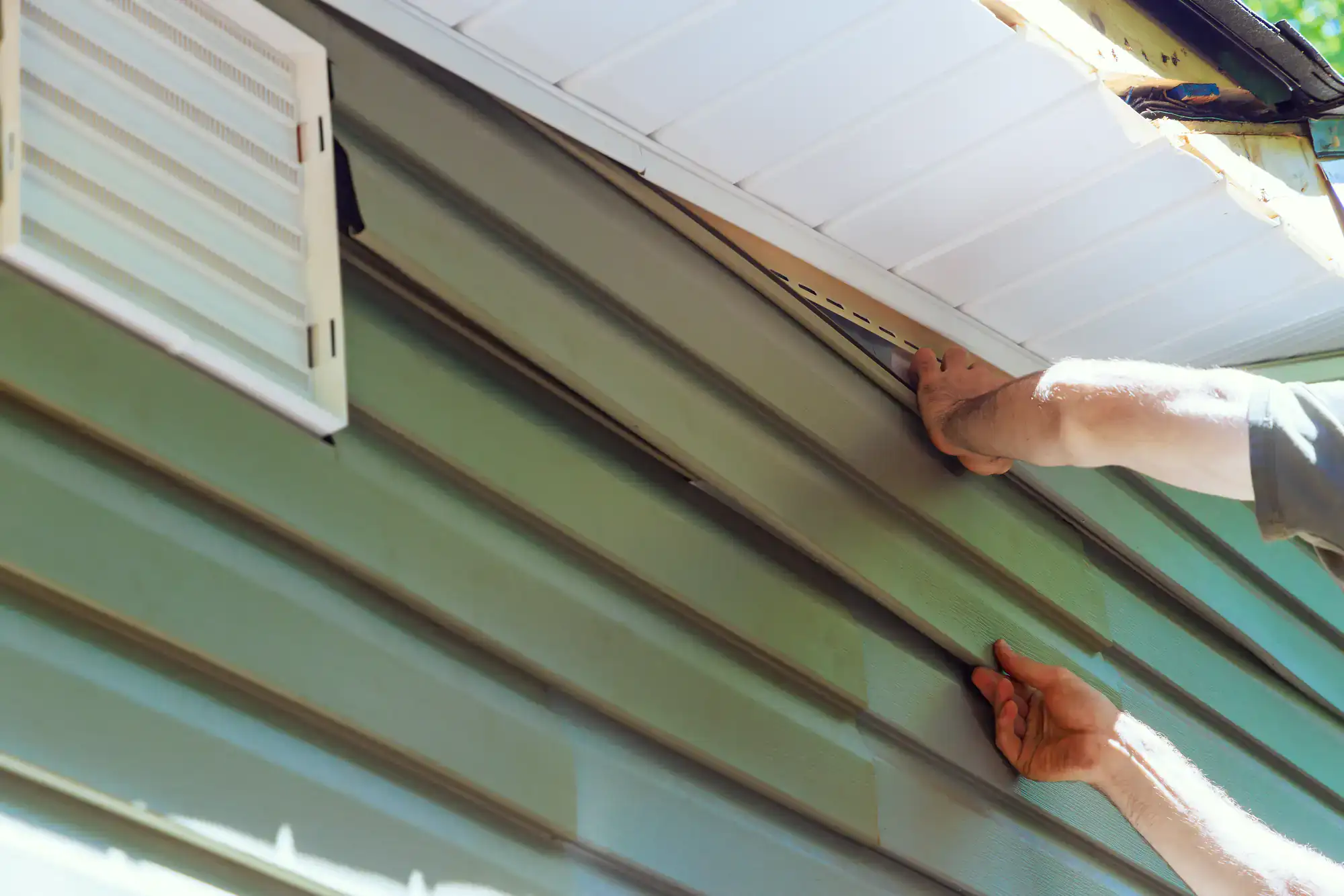
Installation timing matters in coastal areas. We plan around weather windows and work efficiently to minimize disruption. Our crew removes old siding, addresses any underlying damage, installs proper moisture barriers, and then puts up your new exterior. Every seam, every corner, every flashing detail gets done right because that’s where water finds its way in.
After installation, you get warranty coverage on both our workmanship and the materials. If something goes wrong, we fix it at no charge. You’re not dealing with a manufacturer’s runaround or a contractor who’s moved on to the next job.
Ready to get started?
Not all siding performs the same near the coast. Water Mill sits close enough to the water that salt air, high humidity, and wind-driven rain are constant factors. You need materials engineered for these conditions.
Fiber cement siding handles moisture without warping or rotting. It’s impact-resistant, fire-resistant, and holds paint longer than wood. Insulated vinyl offers energy efficiency with a foam backing that improves R-values while adding structural strength. Standard vinyl works too, but you want thicker gauges and proper installation to handle wind loads.
We also see homeowners choosing mixed materials—combining vertical and horizontal siding for visual interest, or pairing different textures to match Water Mill’s architectural styles. Dark colors are trending in 2025, but they require UV-resistant formulations to prevent fading in Long Island’s sun exposure.
Whatever you choose, installation quality matters more than the material itself. Poor flashing around windows and doors, missed moisture barriers, or improper fastening will cause problems no matter how good the siding is. That’s where experience with Suffolk County homes makes the difference.
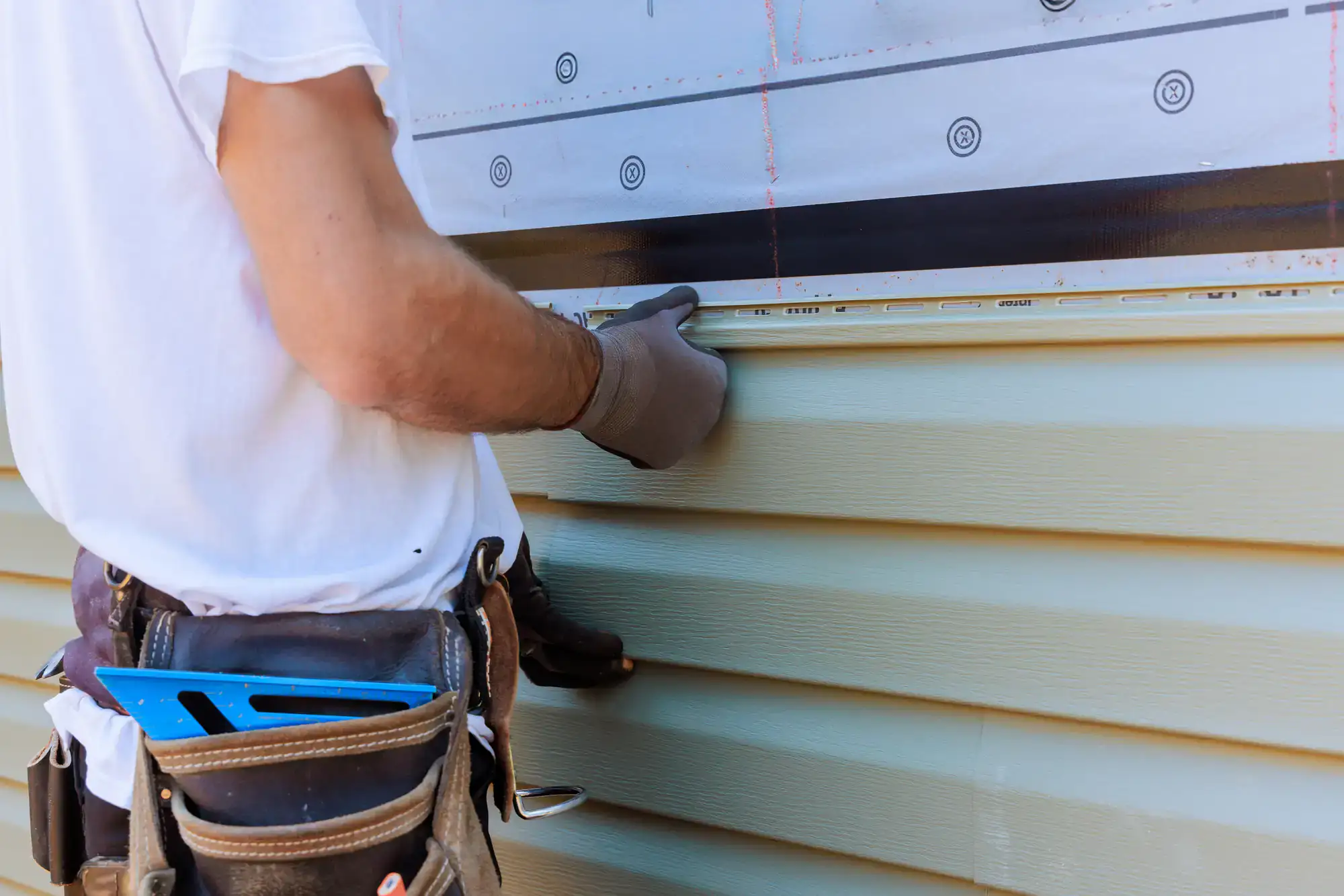
Most residential siding installation projects in Water Mill take one to three weeks, depending on your home’s size and the scope of work. A straightforward replacement on a 2,000-square-foot home typically wraps up in 7-10 days if weather cooperates.
Larger homes or projects that involve repairing underlying damage take longer. If we find rot or structural issues during removal, we address those before new siding goes up. Rushing past problems just means they’ll come back worse.
Weather delays happen, especially during fall and winter when nor’easters roll through. We don’t install siding in heavy rain or high winds because moisture gets trapped and fasteners don’t set properly. We’d rather pause the job than compromise the installation.
Fiber cement and insulated vinyl are the top performers for Water Mill’s coastal environment. Fiber cement resists salt air corrosion, doesn’t absorb moisture, and stands up to impact from wind-blown debris. It’s heavier and costs more upfront, but it lasts 30-50 years with minimal maintenance.
Insulated vinyl offers solid performance at a lower price point. The foam backing adds energy efficiency and structural rigidity, which helps in high winds. Modern vinyl formulations include UV inhibitors and impact resistance that older versions lacked.
Wood siding looks great but requires more maintenance near the coast. Salt air and moisture accelerate rot and paint failure. If you want the wood look without the upkeep, fiber cement can replicate wood grain textures convincingly. We walk you through the trade-offs based on your budget, maintenance preference, and how long you plan to stay in the home.
Yes, if your current siding is old or poorly insulated. Insulated siding can reduce heating and cooling costs by 10-20% annually by preventing air leakage and improving your home’s thermal envelope.
The biggest gains come from eliminating drafts and moisture infiltration. Old siding develops gaps where conditioned air escapes. Moisture that gets behind siding reduces the effectiveness of your wall insulation. New exterior siding with proper moisture barriers and insulated backing stops both problems.
You’ll notice the difference most during temperature extremes—hot summer days and cold winter nights. Your HVAC system won’t cycle as often, and rooms will maintain more consistent temperatures. The payback period varies, but most Water Mill homeowners see meaningful utility bill reductions within the first year, especially in larger homes with significant exterior wall surface area.
If damage is isolated to one section—maybe storm damage or a localized moisture problem—repair makes sense. But if you’re seeing issues in multiple areas, or if your siding is over 20 years old, replacement is usually the smarter move.
Warning signs that point toward replacement include widespread cracking or warping, paint that won’t stay on, visible mold or mildew, or higher energy bills without explanation. If you’re finding soft spots or rot when you press on the siding, moisture has been getting behind it for a while.
During our free inspection, we check the condition across your entire exterior. We’re looking at the siding itself, but also at what’s happening underneath. Sometimes the siding looks okay from the street, but the moisture barrier or sheathing behind it is compromised. Patching visible damage without addressing underlying issues just delays the inevitable and usually costs more in the long run.
We can install siding in winter, but there are limitations. Most siding materials become brittle below 40°F, which makes them prone to cracking during cutting and fastening. We avoid installation during freezing temperatures or when snow and ice are present.
Late fall and early spring are actually ideal times for exterior work in Water Mill. You’re ahead of the summer storm season, and contractors are less booked than during peak season. We can often schedule projects faster and complete them before weather becomes a concern.
If you need emergency siding repair during winter—say, storm damage that’s letting water into your walls—we can do temporary weatherproofing and then complete the full installation when temperatures rise. We’re not going to rush a job in bad conditions just to get it done. The installation quality matters more than the calendar date.
You get two warranties: one on our installation workmanship and one on the siding materials themselves. Our workmanship warranty covers installation defects, and if something goes wrong because of how we installed it, we fix it at no charge.
Material warranties vary by manufacturer and product line. Vinyl siding typically carries 20-year to lifetime warranties against defects, fading, and cracking. Fiber cement warranties usually run 30-50 years. These cover manufacturing defects, not damage from impacts or improper maintenance.
The key is making sure both warranties stay valid. Some material warranties require professional installation by certified contractors. Others have specific maintenance requirements. We walk you through what’s covered, what’s not, and what you need to do to keep the warranties active. We also handle warranty claims if issues come up—you’re not navigating manufacturer bureaucracy on your own.
Other Services we provide in Water Mill