
Hear from Our Customers
You’re not just covering your walls. You’re stopping water from rotting your sheathing during the next big storm. You’re preventing wind from catching loose panels and tearing half your siding off in one night. You’re eliminating the constant maintenance cycle that comes with materials that can’t handle what Water Mill throws at them.
Properly installed vinyl siding means your home stands up to sustained winds without rippling or buckling. It means salt air doesn’t eat away at your exterior year after year. It means you’re not repainting every few seasons or replacing rotted boards because moisture found its way behind inadequate protection.
The difference shows up during the first major storm after installation. While your neighbors are calling for emergency repairs, your siding stays put. That’s what happens when installation accounts for coastal expansion rates, uses proper flashing systems, and doesn’t cut corners on moisture barriers.
SkyLuxe Construction is a family-owned company that’s built its reputation on exterior work that holds up in Suffolk County’s challenging climate. We’re licensed, insured, and we understand exactly what your property faces sitting this close to the coast.
When you’re dealing with homes in Water Mill—where the median property value exceeds $5.8 million—you can’t afford installation that fails during the next hurricane season. We’ve seen what happens when contractors from outside the area don’t account for salt-laden air or sustained wind exposure. We’ve repaired those failures enough times to know how to prevent them.
Our team handles everything from initial assessment through final inspection, and we’re available for same-day emergency response when storm damage can’t wait. You’re working with people who live in this area and understand what these homes need.
We start with a property assessment that looks at your current siding condition, identifies any underlying moisture damage, and determines what your walls need before new siding goes up. If there’s rot or compromised sheathing, you’ll know about it before we cover it up.
Next comes material selection. We’ll walk you through options that actually work in coastal conditions—discussing CertainTeed products, insulated versus non-insulated backing, and color choices that hold up to UV exposure. You’ll understand what you’re getting and why it matters for your specific location.
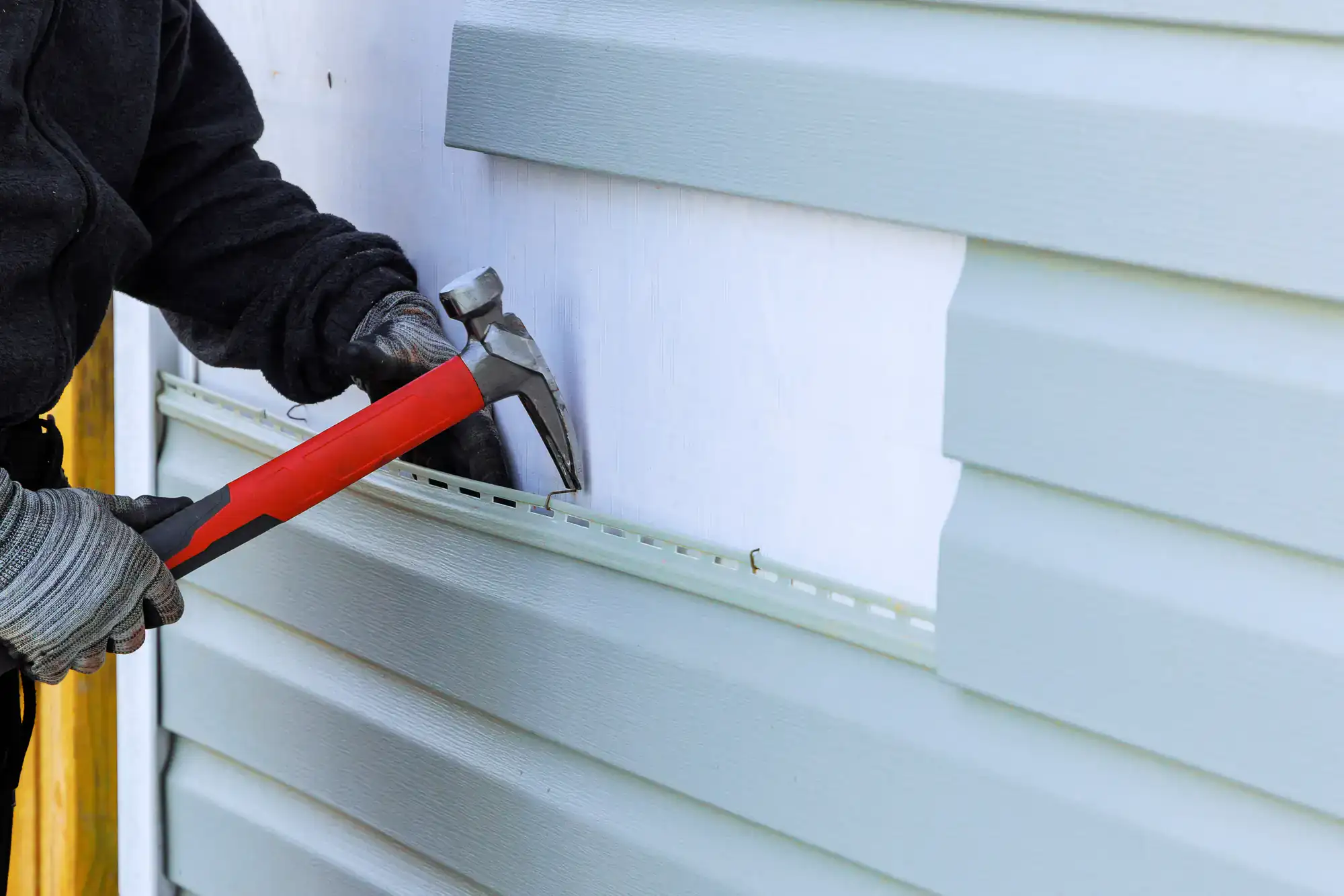
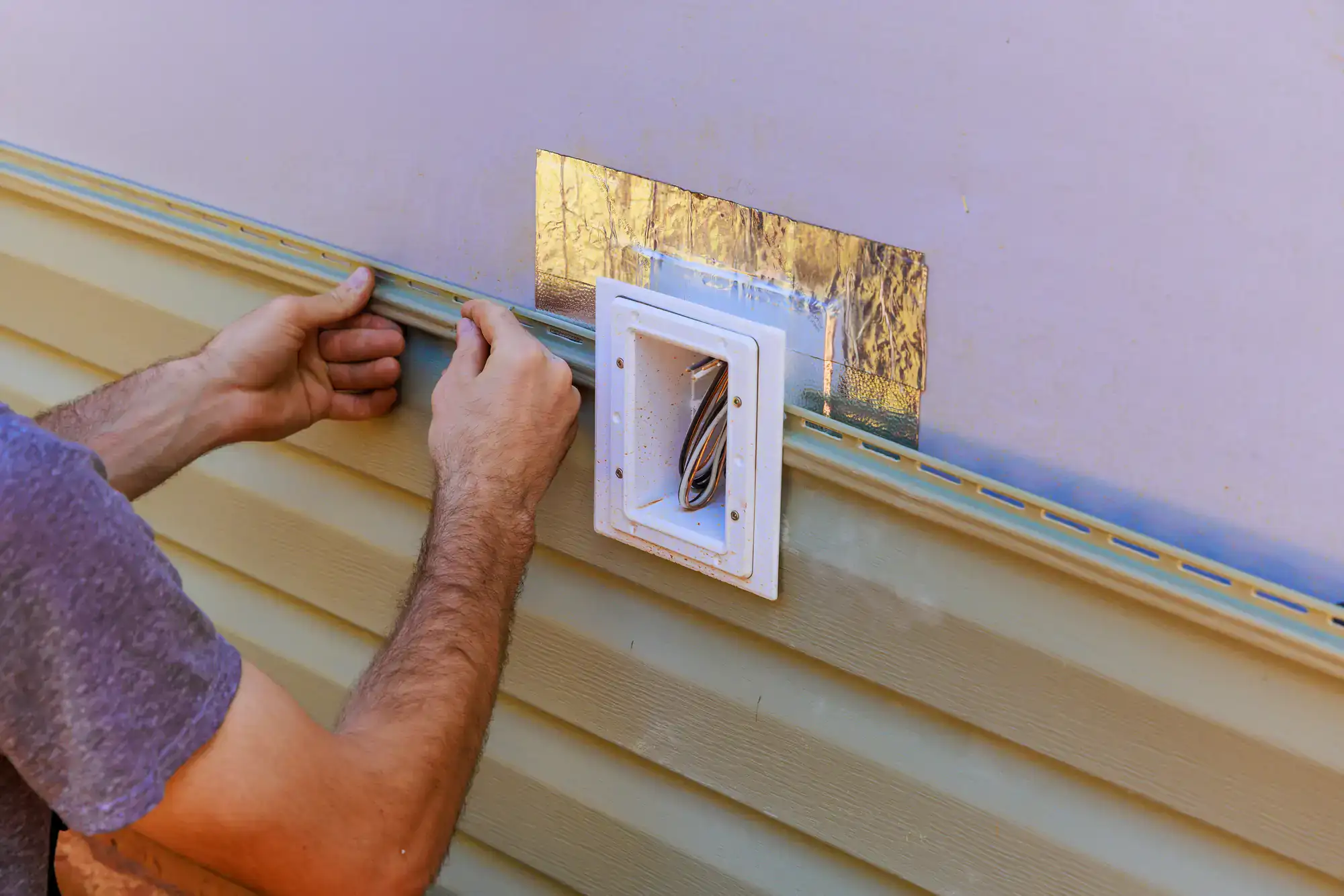
Installation includes proper moisture barriers, step flashing around windows and doors, and fastening techniques that account for expansion without creating weak points. We’re not tight-nailing panels or leaving gaps where wind can catch. Every piece goes up with coastal weather in mind.
Final inspection covers everything from J-channel placement to trim work, making sure water has no entry points and your home is sealed against the elements. You’ll see the difference in how the siding sits—flat, secure, and ready for whatever comes next.
Ready to get started?
Your installation includes complete removal of existing siding, inspection and repair of any damaged sheathing, installation of proper moisture barriers, and full siding installation with all necessary trim work. We’re not just slapping panels over problems—we’re fixing what’s wrong first.
You’re getting materials rated for high wind zones and coastal exposure. That means impact-resistant backing that holds up when debris hits during storms, and panels that won’t warp when temperature swings make inferior products buckle. In Water Mill, where properties face constant salt air and humidity, this isn’t optional.
We also handle all the details that separate lasting installations from ones that fail early. Proper ventilation to prevent moisture buildup. Correct overlap on panels so wind can’t get underneath. Flashing that actually directs water away from vulnerable areas instead of channeling it into your walls.
You’ll receive warranty coverage on both materials and labor, plus access to emergency repair services if storm damage occurs. And because we’re local, we’re available when you need us—not waiting days for a crew to drive out from somewhere else.
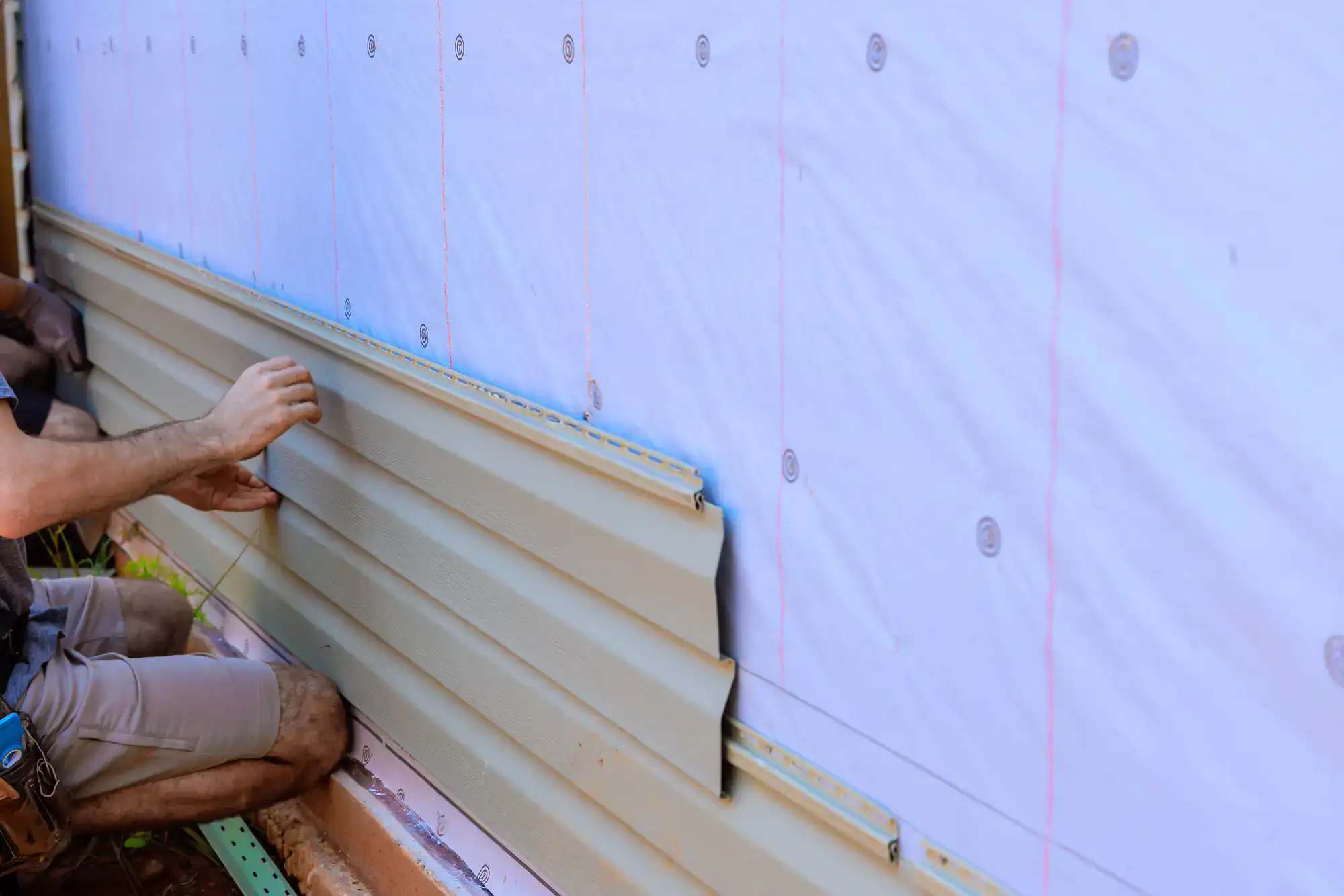
Most residential vinyl siding installations in Water Mill take between one and two weeks, depending on your home’s size and the extent of any underlying repairs needed. Weather plays a role too—we’re not installing during active storms or when conditions could compromise the work.
The timeline breaks down like this: one to two days for removal and inspection, another day or two for any sheathing repairs and moisture barrier installation, then three to seven days for actual siding installation and trim work. Larger homes or properties with complex architectural details take longer.
If we find significant water damage during removal, that extends the timeline. But you’ll know about it immediately, and we’ll walk you through exactly what needs to happen before new siding goes up. Rushing through repairs to meet an arbitrary deadline is how you end up with problems six months later.
Vinyl siding installation in Water Mill typically runs between $8 and $15 per square foot installed, with the range depending on material quality, your home’s current condition, and architectural complexity. For an average-sized home, you’re looking at $15,000 to $30,000 for a complete installation.
That price includes removal of existing siding, any necessary repairs to underlying structure, moisture barriers, quality vinyl siding materials, all trim work, and cleanup. If we find extensive water damage or rot during removal, repair costs get added—but you’ll have a detailed estimate before any additional work begins.
Insulated vinyl siding costs more upfront but delivers better energy efficiency and impact resistance. In coastal areas like Water Mill, that extra protection often makes sense. We’ll break down the actual cost difference and what you gain so you can make an informed decision based on your priorities and budget.
Quality vinyl siding installed correctly absolutely holds up to coastal conditions—but the key words are “quality” and “correctly.” You need materials rated for high wind zones and installation techniques that account for salt air, moisture, and temperature fluctuations.
Standard vinyl siding has an R-value around 0.61. Insulated vinyl siding increases that to between 2.0 and 4.0, which matters when you’re dealing with the temperature swings common in Water Mill. The foam backing also provides impact resistance when wind-driven debris hits during storms.
The installation matters as much as the material. Panels need room to expand and contract without buckling. Fasteners can’t be overdriven or you’ll create stress points that fail during high winds. Moisture barriers have to be continuous and properly sealed, or salt-laden air works its way behind the siding and starts corroding everything it touches. When installation accounts for these factors, vinyl siding regularly lasts 30 to 40 years in coastal environments.
Visible warping, cracks, or loose panels mean your siding is already failing and needs replacement before the next major storm. But some warning signs are less obvious—like higher energy bills indicating air leaks, or soft spots on interior walls suggesting moisture is getting through.
Check for gaps around windows and doors where trim meets siding. Look for panels that seem to ripple or don’t sit flat against the house. Pay attention to any areas where paint is peeling on interior walls near exterior walls—that often means water is infiltrating from outside.
After major storms, walk around your property and look for any panels that shifted or pulled away from the house. In Water Mill’s wind conditions, small failures accelerate quickly. One loose panel catches wind during the next storm, pulls adjacent panels loose, and suddenly you’re looking at emergency repairs. If you’re seeing any of these signs, get an inspection before minor problems become major ones.
Insulated vinyl siding has a foam backing permanently attached to each panel, while non-insulated siding is just the vinyl panel itself. That foam backing increases the R-value from about 0.61 to between 2.0 and 4.0, which translates to noticeable energy savings in Water Mill’s climate.
The insulation also provides impact resistance. When hail or wind-blown debris hits insulated siding, the foam backing absorbs some of that impact instead of transferring all the force to the panel. Homeowners with insulated siding consistently report less storm damage than neighbors with standard vinyl.
The cost difference is typically $2 to $4 more per square foot for insulated versus non-insulated. For a 2,000 square foot installation, that’s $4,000 to $8,000 additional upfront. But you’re gaining better energy efficiency, improved impact resistance, and a more rigid installation that’s less likely to ripple or show imperfections in the wall behind it. In an area with Water Mill’s property values and weather exposure, that investment usually makes sense.
Yes, we provide same-day emergency response for active leaks and storm damage throughout Water Mill and Suffolk County. When siding fails during a storm, every hour that passes means more water infiltrating your walls and more potential for serious structural damage.
Emergency repairs focus on stopping water infiltration immediately—usually with temporary weatherproofing—then scheduling permanent repairs as quickly as conditions allow. We’re not making you wait three weeks while water destroys your wall sheathing and insulation.
Because we’re local and fully insured, we can respond quickly without the delays that come from calling contractors based outside the area. We understand what Water Mill properties face during nor’easters and hurricanes, and we stock materials specifically for coastal emergency repairs. When you call with storm damage, you’re talking to people who know exactly what you’re dealing with and how to fix it.
Other Services we provide in Water Mill