Hear from Our Customers

You’re not just getting a roof. You’re getting decades of protection from Long Island’s coastal storms, plus the kind of natural beauty that makes neighbors stop and look.
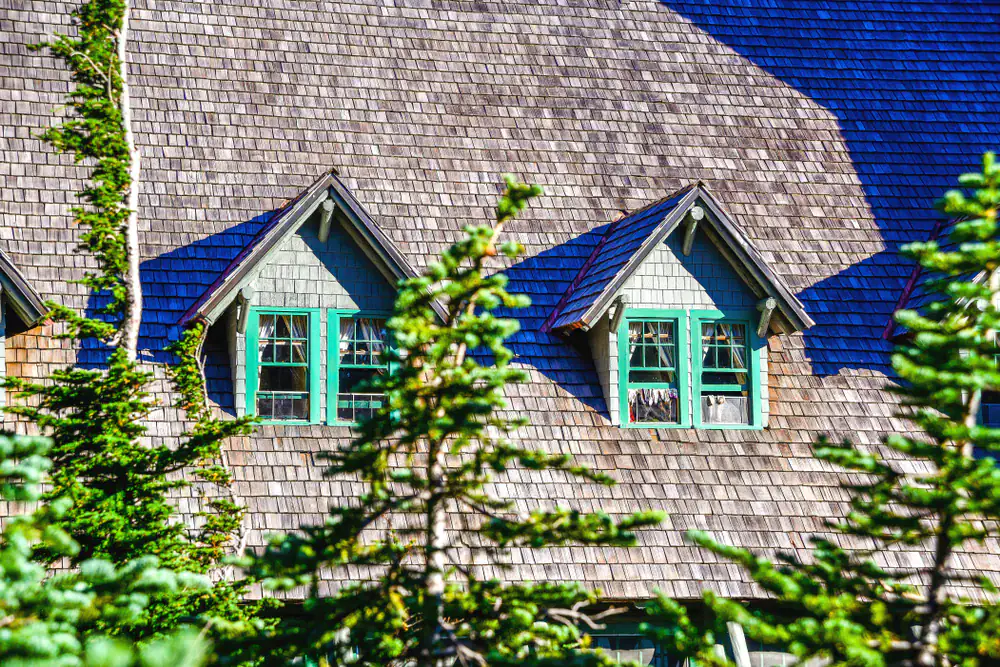
Cedar roofing isn’t like asphalt or metal. It breathes with your home, insulates naturally, and actually gets more beautiful as it weathers. The silver-gray patina that develops over time isn’t damage—it’s character that you can’t fake with synthetic materials.
When it’s installed right, cedar roofing handles everything from nor’easters to summer heat waves. Your energy bills drop because cedar insulates better than most roofing materials. Your property value goes up because buyers recognize quality when they see it.
We’ve been installing cedar roofs across Suffolk County for years, and we’ve learned what works in Middle Island’s specific climate. We’re not general contractors who occasionally do roofing—we’re exterior specialists who understand the difference between Western Red Cedar grades and why it matters for your investment.
Every cedar roof we install gets the same attention to detail, whether it’s hand-split shakes on a custom home or fire-treated shingles meeting local building codes. We source our materials from suppliers who understand Long Island’s weather demands, not whoever offers the cheapest price.
You’ll work with licensed professionals who show up when promised, communicate clearly about timelines, and stand behind our work with real warranties.

First, we assess your existing roof structure and discuss your specific needs—whether you want the rustic look of hand-split cedar shakes or the cleaner lines of tapersawn shingles. We’ll explain material options, including fire-treated cedar if your area requires it.
Next comes the preparation work. We handle all permits and ensure your roof deck can properly support cedar roofing. If structural reinforcement is needed, we’ll identify it upfront, not halfway through the job.
Installation follows strict protocols for cedar roofing. Proper spacing, ventilation, and fastening techniques aren’t optional—they’re what separate a 15-year roof from a 30-year roof. We install every shingle or shake with the precision cedar demands, because shortcuts show up as problems later.
Final inspection covers everything from flashing details to cleanup. You get documentation of materials used, warranty information, and maintenance guidelines that actually help you protect your investment.

Ready to get started?
Your cedar roofing project includes premium Western Red Cedar materials sourced for Long Island’s coastal climate. We stock both cedar shakes and cedar shingles, with options for fire-treated materials where building codes require enhanced fire resistance.
Middle Island homes benefit from cedar’s natural insulation properties, which can reduce heating and cooling costs compared to asphalt or metal roofing. The material’s ability to expand and contract with temperature changes makes it ideal for Suffolk County’s seasonal weather variations.
Installation includes proper underlayment, ventilation systems, and flashing details designed specifically for cedar roofing applications. We use stainless steel fasteners that won’t stain your cedar over time, and we install with the spacing and techniques that allow cedar to perform as intended.
Every project comes with material documentation, warranty coverage, and maintenance guidelines specific to your cedar roofing type. You’ll know exactly what you have, how to care for it, and what to expect as your roof ages naturally.

A properly installed cedar roof typically lasts 20-30 years in Suffolk County, with some lasting even longer with good maintenance. Long Island’s coastal climate actually works in cedar’s favor—the humidity helps prevent the wood from becoming overly dry and brittle.
The key is professional installation with proper ventilation and spacing. Cedar needs to breathe, and when it can’t, you get premature deterioration. We see cedar roofs from the 1980s that still perform well because they were installed correctly from the start.
Weather events like nor’easters test every roof, but cedar’s flexibility gives it an advantage over more rigid materials. It moves with wind loads rather than fighting them, which is why properly installed cedar roofs often outlast cheaper alternatives that need replacement after major storms.
Cedar shakes are split from logs, giving them a more rustic, irregular appearance with varying thicknesses. Cedar shingles are sawn, creating uniform thickness and cleaner lines. Both perform well, but the choice affects your home’s aesthetic and cost.
Shakes cost more because they’re hand-split or machine-split to create natural texture variations. They’re typically thicker and provide slightly better insulation. Shingles offer a more refined look that works well with traditional and contemporary home styles.
For Middle Island homes, both options work equally well from a performance standpoint. The decision usually comes down to the look you want and your budget. We can show you examples of both on local homes to help you decide what fits your property best.
Suffolk County building codes don’t universally require fire-treated cedar, but some neighborhoods or insurance companies may have specific requirements. We check local regulations for your exact location during the planning phase.
Fire-treated cedar shingles receive pressure treatment with fire-retardant chemicals that help them meet Class A fire ratings. They cost more than untreated cedar but may be necessary for insurance compliance or peace of mind in areas with fire risk concerns.
The treatment doesn’t significantly change cedar’s appearance or performance characteristics. Fire-treated cedar still weathers naturally and provides the same insulation benefits. We’ll let you know if your situation requires treated materials or if standard Western Red Cedar meets all applicable codes.
Cedar roofs need annual inspections and occasional cleaning, but they’re not high-maintenance if installed properly. Most maintenance involves removing debris from valleys and gutters, checking for loose or damaged shingles, and ensuring ventilation remains unobstructed.
Every few years, you might need moss or algae removal in shaded areas, especially given Long Island’s humidity. This is normal and doesn’t indicate roof failure. Professional cleaning extends cedar’s life and maintains its appearance.
Major maintenance like replacing individual shingles or shakes typically happens after 10-15 years, depending on weather exposure and installation quality. We provide maintenance guidelines specific to your installation and can handle routine upkeep if you prefer professional service.
Cedar roofing performs exceptionally well in high winds when properly installed with appropriate fastening systems. The material’s natural flexibility allows it to move with wind loads rather than fighting them, which reduces the risk of catastrophic failure.
We use stainless steel fasteners and follow installation protocols designed for coastal wind conditions. Proper underlayment and flashing details are critical for storm performance—areas where many contractors cut corners but we don’t compromise.
Recent storms have shown that quality cedar installations often outperform cheaper roofing materials. While no roof is hurricane-proof, cedar’s track record in Suffolk County storms demonstrates its resilience when installation meets professional standards rather than lowest-bid shortcuts.
Cedar roofing costs more upfront than asphalt but less than slate or tile, with pricing varying based on cedar grade, roof complexity, and current material costs. We provide detailed estimates that break down material and labor costs so you understand exactly what you’re paying for.
The investment makes sense when you consider cedar’s lifespan, energy efficiency benefits, and property value impact. Cheaper roofing materials often need replacement twice in the time a quality cedar roof lasts, making cedar competitive over the long term.
We offer transparent pricing without hidden fees or surprise charges. Every estimate includes material specifications, labor details, and warranty information. You’ll know the total investment before work begins, not after we’re halfway through your project.
Other Services we provide in Middle Island
Ready to improve your home with SkyLuxe Construction? Give us a call or fill out a FREE online quote form – take your first step towards a beautifully transformed home.

Specializing in roofing, siding, chimney, and gutter services, SkyLuxe Construction is committed to delivering top-tier home transformations in Suffolk County, NY.
Company